Award-Winning AP Human Geography Tutors
serving Pittsburgh, PA
AP Human Geography
Tutors in Pittsburgh
Private 1-on-1 tutoring, weekly live classes for academic support, test prep & enrichment, practice tests and diagnostics, and more to elevate grades and test scores.
Based on 3.4M Learner Ratings
UniversitiesSchools & Universities
DeliveredHours Delivered
ProficiencyGrowth in Proficiency
Who needs tutoring?
No obligation. Takes ~1 minute.

Teaching World History and Economics to high schoolers means Bradley already covers the historical forces — colonialism, industrialization, migration — that sit behind most AP Human Geography units. He connects those classroom experiences to the exam's trickiest content, like applying the demographic transition model or explaining how Wallerstein's world-systems theory plays out in real trade patterns. His 33 ACT composite also signals the kind of analytical reading skill that pays off on stimulus-based multiple choice.
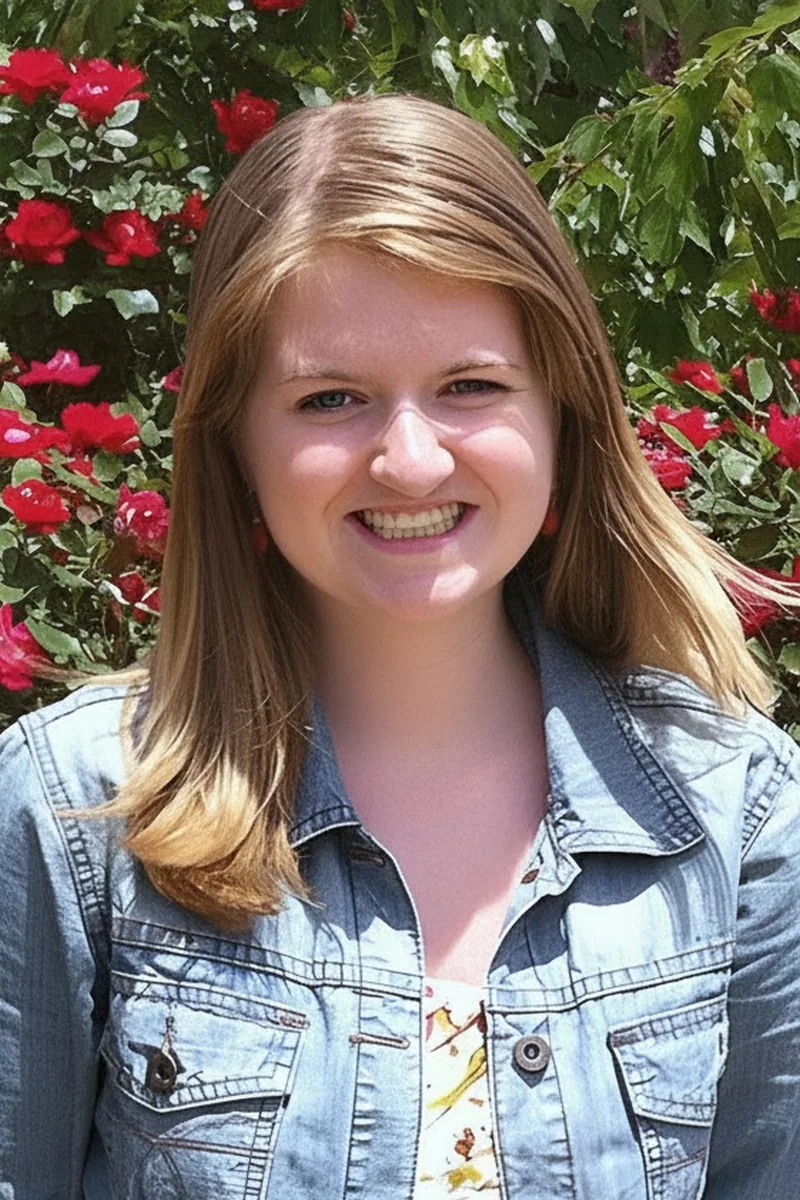
Hannah's history degree and MFA training give her two skills AP Human Geography constantly demands — contextualizing how political boundaries and migration patterns evolved over time, and constructing the kind of tight, thesis-driven FRQ responses that earn full credit. She's particularly sharp on units where students need to connect historical forces like colonialism or industrialization to spatial models, turning what feels like abstract vocabulary into cause-and-effect arguments grounded in real places.
Environmental Studies at Oberlin meant Jackson spent four years studying how human activity, resource use, and political decisions reshape landscapes — the same interconnections AP Human Geography tests across units on agriculture, development, and urbanization. He unpacks models like Borchert's urban evolution or the von Thünen model by grounding them in real environmental case studies, which makes the content stick when students hit stimulus-based questions on exam day. Rated 5.0 by students.
Rima's health policy background gives her a concrete way into some of AP Human Geography's trickiest units — she can explain why the epidemiological transition or Rostow's development model aren't just abstract diagrams but reflections of real policy decisions that reshape how populations grow, move, and organize. That cross-disciplinary perspective, combined with her humanities training in reading and writing analysis, makes her particularly useful when students need to connect dense vocabulary to the kind of process-based explanations the FRQs demand. Holds a 5.0 rating.
Double-majoring in Digital Journalism and Political Science means Alyssa spends her coursework analyzing how media, governments, and cultural forces shape communities — the same dynamics that drive AP Human Geography units on political organization, cultural patterns, and urbanization. She's strongest with the K-6 through middle school crowd, but her social studies background and knack for making dense vocabulary accessible translate well to walking through concepts like sovereignty, devolution, and supranationalism in ways that go beyond flashcard memorization.
A Latin American History degree from Duke means Jean spent years studying the exact processes — colonialism, land reform, rural-to-urban migration, political boundary shifts — that AP Human Geography tests across nearly every unit. She unpacks models like Rostow's stages of development or the core-periphery framework using real Latin American case studies that make the content stick far better than textbook definitions alone. Her 1500 SAT also reflects the analytical reading skill that pays off on the exam's stimulus-based questions.
I am a sophomore at Columbia University, studying political science and philosophy. I often like to joke that teaching runs in my blood I come from a family of teachers who instilled in me the passion to help others learn. Since I could grasp concepts I learned in school, I've always gone out of my way to help my fellow classmate. As I got older, that became formalized tutoring through school organizations and I eventually worked for the New York City Department of Education. There, I helped students with their standardized testing for the state assessments and the SAT. I love teaching math because I feel it's the subject where I can gauge the strength of my students best. Math is such a versatile (though widely-hated) subject, where every unique learning style can always result in the same answer. I also get the most freedom when it comes to designing questions to help students grow and practicing alongside them easily the most fun part of a tutoring session with me. I'm never shy when it comes to tutoring anything else, though, whether it be any sort of history, literature, or government-related topic. My goal as a tutor is not all about teaching anything new to my students, but instead drawing out the skills they already have.
Samantha's American Studies program is essentially AP Human Geography's reading list in degree form — she's deep in the cultural landscapes, migration narratives, and political structures that show up across Units 3 through 7. That academic grounding, plus a 35 ACT, means she can break down both the conceptual side (why Mackinder's heartland theory matters, how acculturation differs from assimilation) and the test-strategy side of stimulus-based multiple choice and FRQs.
UCLA's International Development Studies curriculum puts Claudia right in the middle of the global migration, urbanization, and political boundary questions that AP Human Geography builds its units around — she's studying these processes academically while tutoring students through them on the exam. Her work at UCLA's Writing Center also sharpens a skill most AP Human Geo tutors overlook: teaching students to construct tight, evidence-driven FRQ responses that connect models like Rostow's stages or the Burgess concentric zone theory to stimulus material in a few clear sentences.
Computer science trains you to think in systems — how inputs flow through structures to produce outcomes — and that's exactly how Regina approaches AP Human Geography concepts like the gravity model, central place theory, and spatial diffusion. She breaks down each unit's models as logical frameworks rather than vocabulary lists, which clicks especially well for students who think analytically but struggle with traditional social studies memorization. Rated 5.0 by students.
Yale's History of Science, Medicine, and Public Health program immerses Stephanie in exactly the kind of cross-regional analysis AP Human Geography rewards — tracing how disease, technology, and institutional power reshape populations and landscapes across time. She applies that training to units on population dynamics, political organization, and development models, unpacking concepts like the epidemiological transition or supranational governance with real case studies rather than textbook definitions. Rated 5.0 by students.
A Duke History major with Biology and Chemistry minors, Rayhan reads AP Human Geography's agriculture and development units the way a pre-med student reads systems — tracing how variables like industrialization, resource access, and population pressure interact to produce specific outcomes. That cross-disciplinary habit is especially useful when students need to explain *why* a model like Rostow's stages or the Green Revolution played out differently across regions, not just label the stages on a diagram. Rated 5.0 by students.
AP Human Geography's free-response questions ask students to connect geographic concepts — like urbanization models or cultural diffusion — to real-world examples in a structured written argument. Eileen approaches these as analytical writing exercises, teaching students to unpack the prompt, organize their evidence, and write concisely enough to finish on time.
David is a practicing city planner, which means concepts like Christaller's central place theory, urban sprawl models, and the demographic transition aren't abstract exam topics for him — they're tools he uses at work. He unpacks AP Human Geography through real-world examples from his own projects, making it easier to internalize the spatial patterns and vocabulary the exam demands.
Jacob's history degree and specialization in the American Gilded Age give him a sharp handle on the industrialization, urbanization, and migration patterns that dominate several AP Human Geography units. He teaches students to see models like von Thünen's agricultural land use or Rostow's development stages as historical arguments — frameworks built from real economic and political forces — which makes applying them on FRQs far more intuitive than rote memorization. Rated 4.9 by students.
Mechanical engineering at Purdue trains Austin to think in systems — how inputs, constraints, and feedback loops shape outcomes — which is exactly how AP Human Geography expects students to reason about topics like industrial development, agricultural land use, and urban planning models. He draws on his broader history background (he also tutors AP US History and AP European History) to ground abstract geographic concepts in the real political and economic forces behind them. Rated 4.9 by students.
Testimonials
Because the right AP Human Geography tutor makes all the difference.
Average Session Rating – Based on 3.4M Learner Ratings
Practice AP Human Geography
Free practice tests, flashcards, and AI tutoring for AP Human Geography
Other Pittsburgh Tutors
Related Social Studies Tutors in Pittsburgh
Frequently Asked Questions
AP Human Geography explores how people and their cultures interact with the physical world across eight units: thinking geographically, population and migration patterns, cultural patterns and processes, political organization of space, economic patterns and processes, cities and urban land use, agriculture and rural land use, and human impacts on the environment. The exam tests your understanding of geographic concepts, data interpretation, and real-world applications through multiple-choice questions, short-answer responses, and free-response essays.
The exam is 3 hours long and divided into two sections: a 60-minute multiple-choice section with 60 questions, and a 75-minute free-response section with three essay questions. You'll need to balance your time carefully—roughly one minute per multiple-choice question leaves adequate time for thoughtful essay responses. Understanding the question formats and practicing under timed conditions is essential for managing pacing effectively on test day.
Students often struggle with synthesizing geographic concepts across different scales (local to global), interpreting maps and data visualizations accurately, and distinguishing between similar cultural or economic patterns. Many also find it difficult to support their arguments with specific examples and evidence in free-response essays. Targeted practice with case studies and real-world examples helps build confidence in connecting theory to application.
Score improvement depends on your starting point and study intensity, but students typically see meaningful gains—often 1-2 points on the 1-5 scale—with focused preparation over 2-3 months. Consistent practice with past exam questions, targeted review of weak units, and essay feedback are the most effective strategies. Personalized tutoring helps identify your specific gaps and builds a study plan tailored to your learning pace.
Most students benefit from 3-4 months of regular preparation, dedicating 5-7 hours per week to review, practice, and active learning. If you're starting closer to exam day, intensive study with a tutor can help you prioritize high-impact topics and maximize your preparation time. Spacing your study across multiple weeks—rather than cramming—helps with retention and reduces test anxiety.
Varsity Tutors connects you with expert tutors who can clarify difficult concepts, help you develop strong essay-writing skills, and provide targeted feedback on practice exams. Tutors work with you to identify which units are your biggest challenges, teach effective test-taking strategies, and build your confidence through realistic practice under timed conditions. This personalized approach helps you focus your study efforts where they matter most.
Your first session is focused on understanding your current knowledge level, learning goals, and any specific concerns about the exam. A tutor will likely review your performance on a practice test or diagnostic, discuss which topics feel strongest and weakest, and outline a customized study plan. This foundation helps ensure your tutoring sessions are targeted and efficient from day one.
Strong AP Human Geography essays require clear thesis statements, specific geographic examples, and explicit connections between concepts and evidence. Practice writing under timed conditions, learn to structure your response before writing, and focus on using precise geographic terminology. Working with a tutor on essay feedback helps you identify patterns in your writing and develop strategies for organizing complex ideas quickly and clearly.
Let’s find your perfect tutor
Answer a few quick questions. We’ll recommend the right plan and match you with a top 5% tutor.