Award-Winning AP Human Geography Tutors
serving Lancaster, PA
AP Human Geography
Tutors in Lancaster
Private 1-on-1 tutoring, weekly live classes for academic support, test prep & enrichment, practice tests and diagnostics, and more to elevate grades and test scores.
Based on 3.4M Learner Ratings
UniversitiesSchools & Universities
DeliveredHours Delivered
ProficiencyGrowth in Proficiency
Who needs tutoring?
No obligation. Takes ~1 minute.
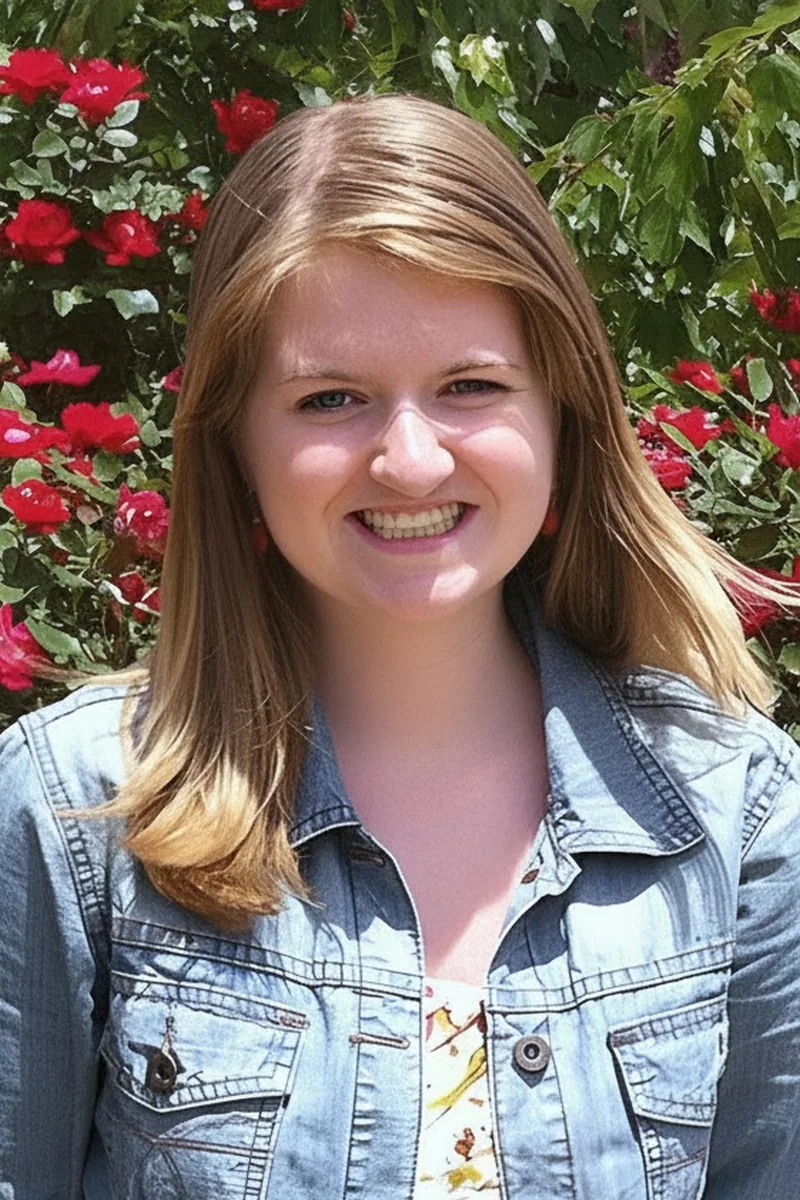
Hannah's history degree and MFA training give her two skills AP Human Geography constantly demands — contextualizing how political boundaries and migration patterns evolved over time, and constructing the kind of tight, thesis-driven FRQ responses that earn full credit. She's particularly sharp on units where students need to connect historical forces like colonialism or industrialization to spatial models, turning what feels like abstract vocabulary into cause-and-effect arguments grounded in real places.

Teaching World History and Economics to high schoolers means Bradley already covers the historical forces — colonialism, industrialization, migration — that sit behind most AP Human Geography units. He connects those classroom experiences to the exam's trickiest content, like applying the demographic transition model or explaining how Wallerstein's world-systems theory plays out in real trade patterns. His 33 ACT composite also signals the kind of analytical reading skill that pays off on stimulus-based multiple choice.
Environmental Studies at Oberlin meant Jackson spent four years studying how human activity, resource use, and political decisions reshape landscapes — the same interconnections AP Human Geography tests across units on agriculture, development, and urbanization. He unpacks models like Borchert's urban evolution or the von Thünen model by grounding them in real environmental case studies, which makes the content stick when students hit stimulus-based questions on exam day. Rated 5.0 by students.
Rima's health policy background gives her a concrete way into some of AP Human Geography's trickiest units — she can explain why the epidemiological transition or Rostow's development model aren't just abstract diagrams but reflections of real policy decisions that reshape how populations grow, move, and organize. That cross-disciplinary perspective, combined with her humanities training in reading and writing analysis, makes her particularly useful when students need to connect dense vocabulary to the kind of process-based explanations the FRQs demand. Holds a 5.0 rating.
Peter's Chemical Engineering background means he's spent serious time with the spatial reasoning and data interpretation that AP Human Geography's stimulus-based questions demand — reading population density maps, analyzing agricultural land-use charts, and connecting quantitative patterns to geographic arguments. His self-described lifelong interest in social studies rounds out the technical side, giving him a handle on the cultural and political concepts behind models like Rostow's development stages or the gravity model. He approaches the exam as both a math person and a social science reader, which is exactly the combination the FRQ section rewards.
UCLA's International Development Studies curriculum puts Claudia right in the middle of the global migration, urbanization, and political boundary questions that AP Human Geography builds its units around — she's studying these processes academically while tutoring students through them on the exam. Her work at UCLA's Writing Center also sharpens a skill most AP Human Geo tutors overlook: teaching students to construct tight, evidence-driven FRQ responses that connect models like Rostow's stages or the Burgess concentric zone theory to stimulus material in a few clear sentences.
A Spanish degree builds the kind of cross-cultural literacy that pays off in AP Human Geography — Sydney has spent years studying how language, identity, and colonial history intersect across regions, which maps directly onto units covering cultural diffusion, language families, and political boundaries. She's also a strong writer (rated 4.9 by students), which she channels into coaching FRQ responses where students need to connect geographic models to stimulus material with clear, structured arguments.
Between her political science major, criminal justice minor, and Latine/Mexican American studies certificate at UNT, Lianna's coursework covers the political boundaries, migration patterns, and cultural identity questions that drive AP Human Geography's most heavily tested units. She's especially grounded in the Latin America case studies that make concepts like acculturation, devolution, and economic development models concrete rather than abstract. Rated 4.8 by students.
Population pyramids, the Demographic Transition Model, Rostow vs. dependency theory — AP Human Geography throws dense conceptual models at students who often haven't taken a geography course before. Mark's international relations training at Tufts means he can ground these abstract models in concrete examples, connecting spatial patterns to the political and economic forces that actually produce them.
Zain's senior thesis at Wesleyan traced the 1947 Partition of India and Pakistan — the kind of deep-dive into borders, migration, and political reorganization that maps directly onto AP Human Geography's units on political geography and population movement. His fieldwork across the Indian subcontinent, funded by grants for studying diasporas and transnationalism, means he can ground concepts like Ravenstein's migration laws or centripetal and centrifugal forces in real places and real stories rather than textbook abstractions.
A political science major at UGA, Monroe spends his coursework analyzing the same forces — sovereignty, borders, migration policy, state power — that AP Human Geography tests across Units 4 and 7. He turns that into practical exam prep by drilling students on how to connect models like Ratzel's organic theory or Rostow's development stages to real political examples in FRQ responses. His 35 ACT and 4.9 rating speak to the kind of structured, strategy-driven approach that pays off on test day.
Engineering students learn to think in systems — how inputs, feedback loops, and spatial constraints shape outcomes — which is exactly the reasoning AP Human Geography rewards when students tackle topics like urbanization models or agricultural land-use patterns. Kashish applies that analytical mindset to help break down stimulus-based questions, teaching students to extract geographic arguments from maps and data sets the way she'd approach a technical problem at Brown. Rated 5.0 by students.
Studying both History and Neuroscience at Rice gives Nathan a dual lens for AP Human Geography — he understands the historical forces behind concepts like colonialism and cultural hearths, and he thinks analytically about how population models and spatial data actually work. He's especially effective at breaking down the exam's stimulus-based questions, teaching students to pull geographic arguments out of maps and charts rather than defaulting to memorized definitions. Rated 5.0 by students.
Jacob's history degree and specialization in the American Gilded Age give him a sharp handle on the industrialization, urbanization, and migration patterns that dominate several AP Human Geography units. He teaches students to see models like von Thünen's agricultural land use or Rostow's development stages as historical arguments — frameworks built from real economic and political forces — which makes applying them on FRQs far more intuitive than rote memorization. Rated 4.9 by students.
Mechanical engineering at Purdue trains Austin to think in systems — how inputs, constraints, and feedback loops shape outcomes — which is exactly how AP Human Geography expects students to reason about topics like industrial development, agricultural land use, and urban planning models. He draws on his broader history background (he also tutors AP US History and AP European History) to ground abstract geographic concepts in the real political and economic forces behind them. Rated 4.9 by students.
Spatial patterns, demographic models, and the way human activity reshapes landscapes — AP Human Geography covers a surprising amount of ground. Muse connects abstract concepts like Ravenstein's migration laws or the Von Thünen model to real-world examples, making the material stick for both multiple-choice and free-response sections of the exam.
Testimonials
Because the right AP Human Geography tutor makes all the difference.
Average Session Rating – Based on 3.4M Learner Ratings
Practice AP Human Geography
Free practice tests, flashcards, and AI tutoring for AP Human Geography
Other Lancaster Tutors
Related Social Studies Tutors in Lancaster
Frequently Asked Questions
Varsity Tutors matches Lancaster students with expert AP Human Geography tutors for 1-on-1 instruction. We pair each student with a tutor based on their specific needs, learning style, and goals.
Whether you need homework help, exam prep, or want to get ahead, our AP Human Geography tutors are ready to help.
Common challenges include gaps from earlier material, difficulty with specific concepts, and trouble applying learning to new problems. These issues can snowball quickly in AP Human Geography.
A tutor identifies where you're stuck, fills in gaps, and provides targeted practice. The 1-on-1 format means you get help exactly where you need it.
Tutors work with your student's actual coursework—homework assignments, class notes, and upcoming tests. This keeps tutoring directly relevant to what's happening in the classroom.
When you share information about your student's school and curriculum, we can match you with a tutor who has relevant experience.
All tutors complete background checks, credential verification, and teaching evaluation. Many of our AP Human Geography tutors hold advanced degrees or have years of teaching experience.
You can review tutor profiles to find someone with the right background for your student's level and needs.
Many students see improved grades within a few weeks, along with better understanding of AP Human Geography concepts and more confidence tackling challenging material.
Tutors track progress and adjust their approach to ensure continued improvement.
Most students benefit from 1-2 sessions per week. More frequent sessions help if your student is significantly behind or has an important exam coming up.
Your tutor can recommend a schedule based on your student's specific situation and goals.
Tutoring is purchased in packages of hours, with rates varying by tutor experience. Varsity Tutors offers several options to fit different budgets and needs.
You can discuss pricing during your consultation to find what works best.
Your tutor will assess where your student is, discuss goals, and start working on priority areas. Most students bring current homework or upcoming test material to focus on.
By the end, you'll have a clear sense of how the tutor can help and a plan for moving forward.
Let’s find your perfect tutor
Answer a few quick questions. We’ll recommend the right plan and match you with a top 5% tutor.