Award-Winning AP European History Tutors
serving Reading, PA
AP European History
Tutors in Reading
Private 1-on-1 tutoring, weekly live classes for academic support, test prep & enrichment, practice tests and diagnostics, and more to elevate grades and test scores.
Based on 3.4M Learner Ratings
UniversitiesSchools & Universities
DeliveredHours Delivered
ProficiencyGrowth in Proficiency
Who needs tutoring?
No obligation. Takes ~1 minute.
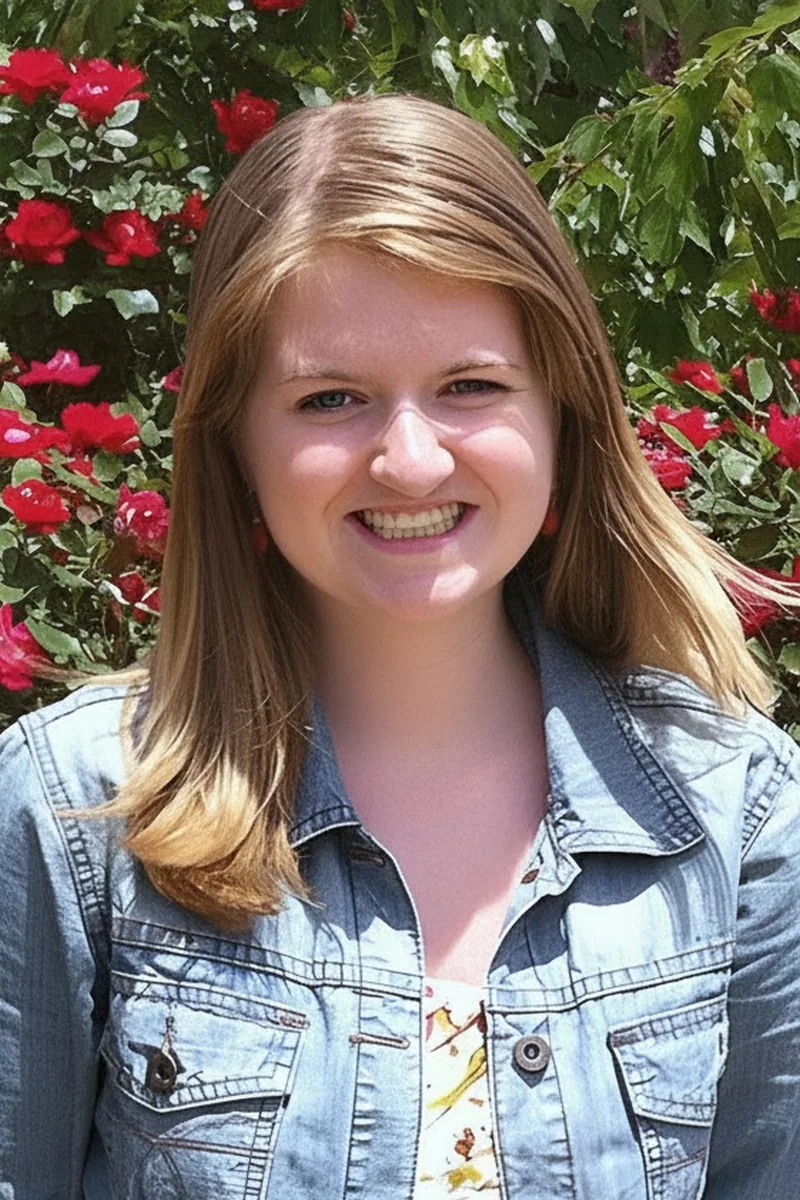
From the fragmentation of Christendom during the Reformation to the Congress of Vienna's attempt to reassemble it, AP European History rewards students who can trace causation across centuries. Hannah studied History as an undergraduate and brings a writer's discipline to the LEQ and DBQ formats — she teaches students to build arguments that are historically precise and structurally tight.

From the Protestant Reformation to the Congress of Vienna to postwar European integration, AP European History covers an enormous arc — and the exam expects students to argue about it, not just recall it. Stephanie earned her history degree at Cornell and is currently a graduate student at Penn, so she approaches each period through the kind of historiographical lens that makes essay responses more sophisticated. She unpacks primary sources with students so they learn to read for perspective and bias, not just content.
Four years of teaching social studies in Philadelphia middle schools means Walter has spent thousands of hours figuring out how to make European political and cultural shifts click for students who find them distant and abstract — a skill that scales directly to AP Euro's demand for contextualizing events like the Congress of Vienna or the rise of fascism. His history degree from Temple gave him the content depth, while his classroom experience sharpened his ability to break dense periods into the cause-and-effect chains the exam's essays actually reward. Rated 4.8 by students.
I'm a sophomore at the University of Pennsylvania majoring in Political Science and Urban Studies with a minor in French. Education is what I believe to be the key to success and the door that opens up a better tomorrow. Reliability, credibility, and efficiency are skills I will always continue to improve on because there is no such thing as perfect. Be friendly, be positive, and be motivated. But don't forget to be happy! Favorite quote and my go-to motto, "Be the change you wish to see in the world."
From the Protestant Reformation to the Congress of Vienna to post-WWII integration, AP European History covers centuries of political, cultural, and intellectual shifts. Madeleine's coursework in Art History and European History at Temple gives her a cross-disciplinary lens — she can explain how Enlightenment philosophy shaped both revolutionary movements and the art that documented them, making document-based questions feel less like guesswork.
I'm also a recent graduate of The New School, with a Bachelor of Arts in Literary Studies.
From the Renaissance through the Cold War, AP European History demands that students trace intellectual and political threads across centuries. Alyssa unpacks how movements like the Enlightenment or nationalism didn't just happen in a vacuum — she connects philosophical ideas to the social conditions that produced them, which is exactly the kind of thinking the exam's stimulus-based questions test. Her psychology training sharpens that focus on how ideas shape human behavior at scale.
**"BYE TO AI" DISCLAIMER: In an environment where tutors use AI to research, plan lessons, and even give students feedback, I have a zero tolerance policy for AI tools and materials, and I commit to NOT using them in our work together whatsoever.** ABOUT ME: Award-winning writer and classical soprano. Bachelor's degree from Vanderbilt University in history; second major in voice; minor in Italian; concentration in musicology. Master's degree from the University of Rochester. Professional editor (both journalistic and creative prose) experienced in the Chicago Manual of Style and AP Style Guide. Areas of specialty include classical music (bel canto vocal instruction, musicology, and music theory), 18th and 19th century American and European history and literature, research skills, creative writing, test prep, and college admissions. My instruction in college essay writing has enabled over 30 students to gain admissions to top schools.
Jeff's master's in history from UC Berkeley, where he taught both history and philosophy to undergraduates, gave him the kind of dual training AP Euro rewards — understanding not just what happened during periods like the Reformation or the French Revolution, but the philosophical ideas driving those events. His philosophy degree from Princeton sharpens how he teaches argumentation, showing students how to construct the layered, thesis-driven essays that score well on the DBQ and LEQ.
Taylor's drama training at NYU's Tisch School of the Arts might seem like an odd fit for AP Euro, but theater history is deeply entangled with European cultural and political shifts — the rise of national theaters under absolutism, censorship battles during the Enlightenment, and avant-garde movements responding to industrialization and war. That cultural lens gives her a way into the material that's different from a straight political narrative, which can be especially useful for students who struggle to connect social and intellectual developments in their essays.
Studying European history at Vanderbilt alongside her education degree means Jessica isn't just learning pedagogy — she's actively immersed in the content AP Euro covers, from absolutism and revolutionary movements to twentieth-century ideological conflict. That dual focus gives her a practical edge when it comes to breaking down how the exam's periodization works and what kinds of historical reasoning each question type actually rewards. Rated 4.5 by students.
From the Protestant Reformation to the Congress of Vienna to post-WWII integration, AP European History demands that students trace ideological shifts across centuries. Solange's IB program at Coral Reef immersed her in exactly this kind of analytical history, and she brings a knack for turning dense political and intellectual movements into clear cause-and-effect chains that stick on exam day.
The AP European History exam asks students to do more than recall dates — it tests whether they can dissect a document set and construct an argument about, say, how Enlightenment thought reshaped political legitimacy. Brian approaches these document-based questions the way he approaches any analytical problem: identify the claim, weigh the evidence, and build a tight logical structure. His interdisciplinary background spanning economics and the humanities makes him especially effective at connecting Europe's intellectual, economic, and political threads.
Alexander is finishing a European history degree at Vanderbilt, which means he's currently immersed in the same material AP Euro students are tackling — from the political fragmentation of the Reformation era to the ideological battles of the twentieth century. His 1510 SAT reflects strong analytical reading and writing skills, the same toolkit students need to dissect a DBQ prompt and construct a thesis under exam conditions. He's especially effective at teaching students how to move from knowing what happened to explaining why it mattered.
From the Protestant Reformation to the Congress of Vienna to decolonization, AP European History covers centuries of political, intellectual, and social change at a pace that overwhelms most students. Blake's history degree gives him the content depth to connect these threads, and he zeroes in on the skill AP graders actually reward: crafting a thesis that takes a defensible position and supports it with precise historical evidence.
William's linguistics and classics training at Boston University means he's spent years with the languages, texts, and cultural systems that underpin European history — the kind of background that makes topics like the spread of Latin Christendom, Renaissance humanism, or Enlightenment-era debates about reason feel concrete rather than abstract. He teaches students to read AP Euro documents with an eye for how language itself reveals political and ideological context, which is exactly what strong DBQ responses require. Rated 4.9 by students.
Studying both economics and international relations at Tufts means Mark spent four years analyzing how trade policy, diplomatic alliances, and ideological conflict shaped the modern world — essentially the AP Euro curriculum viewed through a policy lens. He's especially useful for students who struggle to connect economic shifts like mercantilism or industrialization to the political upheavals they triggered, which is the kind of causal reasoning the LEQ and DBQ reward. Rated 4.9 by students.
Lisa's history degree and published scholarly work mean she's done the kind of primary source analysis and argumentative writing that AP Euro's DBQ and LEQ sections actually test — not just studied it, but practiced it professionally across multiple publications. She zeroes in on teaching students how to build a thesis around periodization and continuity-and-change questions, where vague answers about "what happened" get replaced with precise claims about why it mattered. Rated 4.9 by students.
Testimonials
Because the right AP European History tutor makes all the difference.
Average Session Rating – Based on 3.4M Learner Ratings
Practice AP European History
Free practice tests, flashcards, and AI tutoring for AP European History
Other Reading Tutors
Related Social Studies Tutors in Reading
Frequently Asked Questions
Varsity Tutors matches Reading students with expert AP European History tutors for 1-on-1 instruction. We pair each student with a tutor based on their specific needs, learning style, and goals.
Whether you need homework help, exam prep, or want to get ahead, our AP European History tutors are ready to help.
Common challenges include gaps from earlier material, difficulty with specific concepts, and trouble applying learning to new problems. These issues can snowball quickly in AP European History.
A tutor identifies where you're stuck, fills in gaps, and provides targeted practice. The 1-on-1 format means you get help exactly where you need it.
Tutors work with your student's actual coursework—homework assignments, class notes, and upcoming tests. This keeps tutoring directly relevant to what's happening in the classroom.
When you share information about your student's school and curriculum, we can match you with a tutor who has relevant experience.
All tutors complete background checks, credential verification, and teaching evaluation. Many of our AP European History tutors hold advanced degrees or have years of teaching experience.
You can review tutor profiles to find someone with the right background for your student's level and needs.
Many students see improved grades within a few weeks, along with better understanding of AP European History concepts and more confidence tackling challenging material.
Tutors track progress and adjust their approach to ensure continued improvement.
Most students benefit from 1-2 sessions per week. More frequent sessions help if your student is significantly behind or has an important exam coming up.
Your tutor can recommend a schedule based on your student's specific situation and goals.
Tutoring is purchased in packages of hours, with rates varying by tutor experience. Varsity Tutors offers several options to fit different budgets and needs.
You can discuss pricing during your consultation to find what works best.
Your tutor will assess where your student is, discuss goals, and start working on priority areas. Most students bring current homework or upcoming test material to focus on.
By the end, you'll have a clear sense of how the tutor can help and a plan for moving forward.
Let’s find your perfect tutor
Answer a few quick questions. We’ll recommend the right plan and match you with a top 5% tutor.