Award-Winning AP Art History Tutors
serving Reading, PA
AP Art History
Tutors in Reading
Private 1-on-1 tutoring, weekly live classes for academic support, test prep & enrichment, practice tests and diagnostics, and more to elevate grades and test scores.
Based on 3.4M Learner Ratings
UniversitiesSchools & Universities
DeliveredHours Delivered
ProficiencyGrowth in Proficiency
Who needs tutoring?
No obligation. Takes ~1 minute.
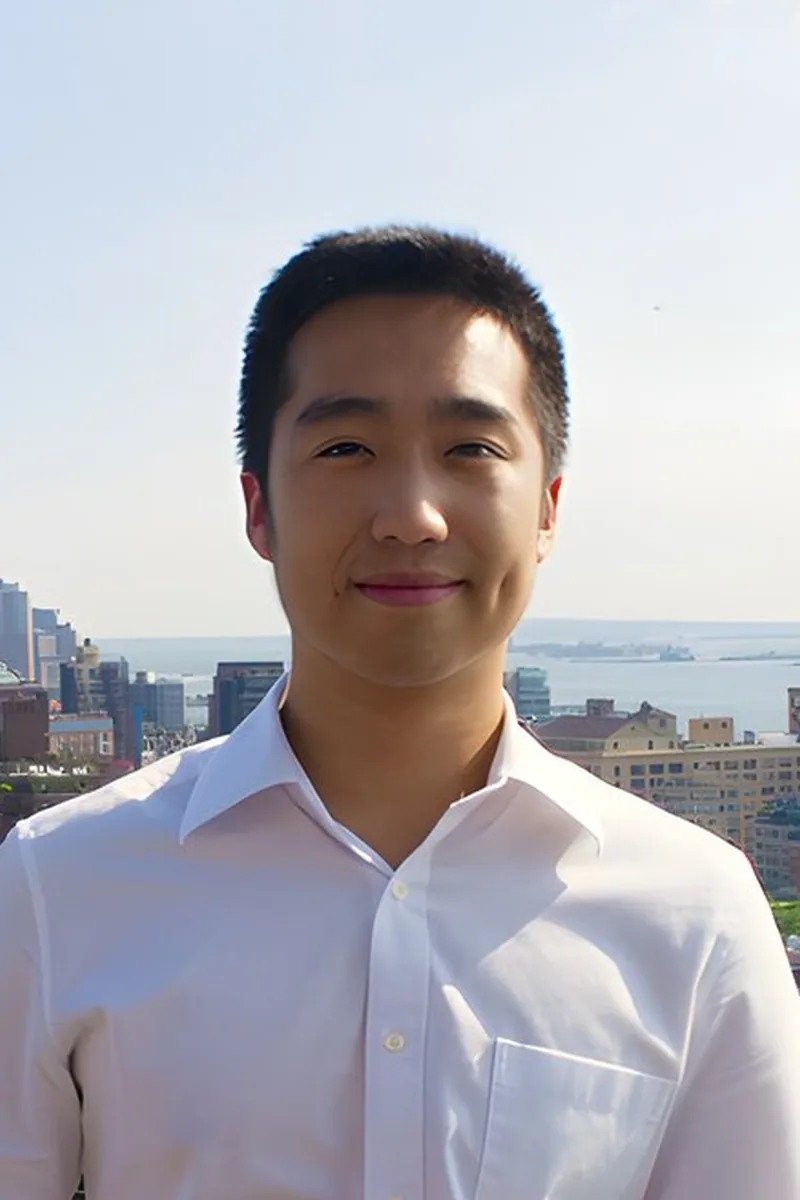
Most students walk into AP Art History expecting to memorize 250 images, but the exam actually rewards contextual analysis — explaining why a Gothic cathedral or a Mughal miniature looks the way it does. Terry's curiosity for museums and cultural exploration gives him genuine enthusiasm for connecting artworks to their historical moments. He teaches students to structure visual analysis essays around function, materials, and patronage rather than surface-level description.
Currently pursuing degrees in Art Education, Art History, and Community Arts at Temple, Madeleine is studying the very material this exam covers — she's immersed daily in the visual analysis, cultural contextualization, and critical frameworks that drive the 250-image set. That community arts focus also gives her a practical understanding of how art functions within social and institutional spaces, which sharpens her teaching on the exam's questions about patronage, audience, and purpose.
Frances's Master's in Literature and the Humanities means she's spent years tracing how intellectual movements, religious thought, and political upheaval shape creative expression — the exact kind of contextual reasoning AP Art History's essay prompts demand. She teaches students to read a work's iconography and formal choices as arguments rooted in a specific cultural moment, then translate that analysis into structured, evidence-driven prose. Rated 5.0 by students.
Eight years of ESL tutoring taught Danya something most AP Art History tutors skip — how to make unfamiliar cultural contexts accessible to students who don't share them, which is exactly what the exam demands when it asks students to interpret works across ten global content areas. Her English training at Columbia sharpens the writing side, where she coaches students to build the kind of thesis-driven free-response essays that turn visual observations into persuasive cultural arguments.
Studying film production gave Isaiah a trained eye for visual composition, which translates directly to the kind of formal analysis AP Art History demands. He teaches students to move beyond identifying a work's period and instead articulate how line, space, color, and context create meaning. That skill turns the exam's image-based questions from intimidating to manageable.
Jennifer's East Asian studies coursework at Brown gives her genuine depth in the non-Western content areas that trip up many AP Art History students — she can contextualize Chinese bronzes, Buddhist sculpture, and scroll paintings within the cultural traditions that produced them, not just identify them from the 250-image set. Her biochemistry major also means she's comfortable with the systematic, detail-oriented thinking the exam's comparison essays demand, where connecting formal elements across two very different works requires precision, not just appreciation.
Few tutors bring Lee's combination of a University of Maryland studio art degree and a scientist's analytical rigor to AP Art History. He teaches students to move beyond identifying artistic periods and instead analyze how formal elements — composition, color, materiality — encode the cultural and political contexts the exam actually tests.
I'm a native Spanish and English speaker. I graduated with Honors in Art History and Philosophy from the University of Chicago. As a trilingual, I easily understand the difficulties and processes involved in learning a new language! I have been teaching Spanish and English to students worldwide for years. I am passionate about teaching languages as I have been blessed by life-changing opportunities by speaking fluidly with people from other cultures.
Varun's Government and Film and Media Studies degrees give him two angles that converge neatly in AP Art History — he understands how political power and visual storytelling shape the production and reception of art across cultures. He teaches students to analyze works from the 250-image set through the lens of propaganda, patronage, and media, turning the contextual essay prompts into something that feels more like building an argument than recalling facts. Rated 4.8 by students.
Erica's English and Latin degrees from Oberlin give her a surprisingly useful toolkit for AP Art History — she can parse the cultural and literary contexts behind Classical and Renaissance works while teaching students to write the precise analytical prose the exam's free-response questions demand. Her experience across both humanities writing and K-12 instruction means she knows how to break down a comparison essay into manageable steps. Rated 5.0 by students.
MiMi is currently pursuing the same degree the AP Art History exam was built around — Art History, Criticism, and Conservation — at Stanford, which means she's actively studying the critical methodologies and conservation debates that underpin the course's approach to the 250-image set. Her coursework in modern languages also strengthens her ability to teach students how non-Western and cross-cultural works communicate meaning through form and context. A 34 ACT reflects the kind of sharp analytical reading that translates directly to the exam's timed essays.
Leading debates on Senate bills with high schoolers at the Edward M. Kennedy Institute taught Danlan how to make students argue from evidence about institutions, power, and policy — skills that transfer directly to AP Art History's free-response essays on patronage, governance, and the cultural forces behind artistic production. Her international relations degree adds genuine depth when students need to contextualize works across non-Western political and religious traditions. Rated 5.0 by students.
Volunteering at an ancient art museum, Sophie designed classes and presentations that taught visitors to read objects in their historical and cultural context — exactly the skill AP Art History's free-response questions test. Her Yale Humanities curriculum immerses her in the cross-disciplinary thinking the exam demands, from philosophical frameworks to political systems that shaped artistic patronage and production. Rated 5.0 by students.
Kelly's French degree might seem like an odd fit for AP Art History, but language training builds exactly the close-reading and cultural-context skills the exam's free-response essays demand — she knows how to teach students to analyze a work's function within a specific society rather than just describe what they see. Her international travel across multiple countries also gives her firsthand familiarity with art and architecture that many students only encounter as slides.
Testimonials
Because the right AP Art History tutor makes all the difference.
Average Session Rating – Based on 3.4M Learner Ratings
Practice AP Art History
Free practice tests, flashcards, and AI tutoring for AP Art History
Other Reading Tutors
Related Social Studies Tutors in Reading
Frequently Asked Questions
Varsity Tutors matches Reading students with expert AP Art History tutors for 1-on-1 instruction. We pair each student with a tutor based on their specific needs, learning style, and goals.
Whether you need homework help, exam prep, or want to get ahead, our AP Art History tutors are ready to help.
Common challenges include gaps from earlier material, difficulty with specific concepts, and trouble applying learning to new problems. These issues can snowball quickly in AP Art History.
A tutor identifies where you're stuck, fills in gaps, and provides targeted practice. The 1-on-1 format means you get help exactly where you need it.
Tutors work with your student's actual coursework—homework assignments, class notes, and upcoming tests. This keeps tutoring directly relevant to what's happening in the classroom.
When you share information about your student's school and curriculum, we can match you with a tutor who has relevant experience.
All tutors complete background checks, credential verification, and teaching evaluation. Many of our AP Art History tutors hold advanced degrees or have years of teaching experience.
You can review tutor profiles to find someone with the right background for your student's level and needs.
Many students see improved grades within a few weeks, along with better understanding of AP Art History concepts and more confidence tackling challenging material.
Tutors track progress and adjust their approach to ensure continued improvement.
Most students benefit from 1-2 sessions per week. More frequent sessions help if your student is significantly behind or has an important exam coming up.
Your tutor can recommend a schedule based on your student's specific situation and goals.
Tutoring is purchased in packages of hours, with rates varying by tutor experience. Varsity Tutors offers several options to fit different budgets and needs.
You can discuss pricing during your consultation to find what works best.
Your tutor will assess where your student is, discuss goals, and start working on priority areas. Most students bring current homework or upcoming test material to focus on.
By the end, you'll have a clear sense of how the tutor can help and a plan for moving forward.
Let’s find your perfect tutor
Answer a few quick questions. We’ll recommend the right plan and match you with a top 5% tutor.