Award-Winning AP Human Geography Tutors
serving Philadelphia, PA
AP Human Geography
Tutors in Philadelphia
Private 1-on-1 tutoring, weekly live classes for academic support, test prep & enrichment, practice tests and diagnostics, and more to elevate grades and test scores.
Based on 3.4M Learner Ratings
UniversitiesSchools & Universities
DeliveredHours Delivered
ProficiencyGrowth in Proficiency
Who needs tutoring?
No obligation. Takes ~1 minute.
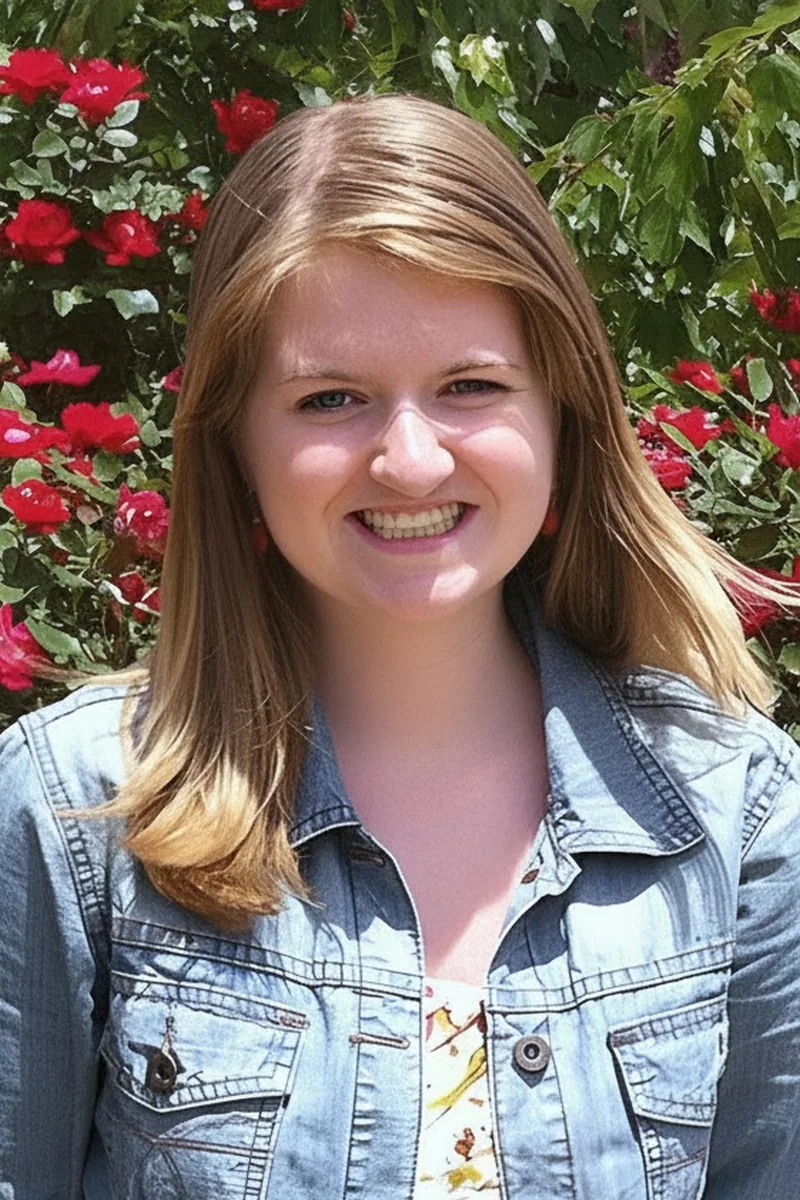
Hannah's history degree and MFA training give her two skills AP Human Geography constantly demands — contextualizing how political boundaries and migration patterns evolved over time, and constructing the kind of tight, thesis-driven FRQ responses that earn full credit. She's particularly sharp on units where students need to connect historical forces like colonialism or industrialization to spatial models, turning what feels like abstract vocabulary into cause-and-effect arguments grounded in real places.

Rima's health policy background gives her a concrete way into some of AP Human Geography's trickiest units — she can explain why the epidemiological transition or Rostow's development model aren't just abstract diagrams but reflections of real policy decisions that reshape how populations grow, move, and organize. That cross-disciplinary perspective, combined with her humanities training in reading and writing analysis, makes her particularly useful when students need to connect dense vocabulary to the kind of process-based explanations the FRQs demand. Holds a 5.0 rating.
Environmental Studies at Oberlin meant Jackson spent four years studying how human activity, resource use, and political decisions reshape landscapes — the same interconnections AP Human Geography tests across units on agriculture, development, and urbanization. He unpacks models like Borchert's urban evolution or the von Thünen model by grounding them in real environmental case studies, which makes the content stick when students hit stimulus-based questions on exam day. Rated 5.0 by students.
Teaching World History and Economics to high schoolers means Bradley already covers the historical forces — colonialism, industrialization, migration — that sit behind most AP Human Geography units. He connects those classroom experiences to the exam's trickiest content, like applying the demographic transition model or explaining how Wallerstein's world-systems theory plays out in real trade patterns. His 33 ACT composite also signals the kind of analytical reading skill that pays off on stimulus-based multiple choice.
Shrina's math and computer science background gives her an unexpected edge in AP Human Geography — she's comfortable with the spatial data analysis, population models, and quantitative reasoning behind concepts like the gravity model or rank-size rule that trip up students who approach the course as pure memorization. She also brings strong writing chops (1540 SAT, plus experience coaching college essays) to FRQ prep, where translating geographic patterns into structured written arguments is half the battle.
Economics and finance training at Notre Dame means Benjamin already thinks in the spatial and systems-level frameworks AP Human Geography demands — trade networks, development models like Rostow's stages, and how economic forces reshape urban and agricultural landscapes. He's especially useful for students who struggle to connect the course's vocabulary to the data-interpretation and stimulus-based questions on the exam. Holds a 5.0 rating.
Mikkel's biology degree with a biochemistry focus might seem like an odd fit for AP Human Geography, but the population ecology and resource distribution concepts he studied at Carleton map surprisingly well onto units covering the demographic transition model, Malthusian theory, and agricultural development patterns. He also brings strong Spanish fluency and broad social studies knowledge to the cultural geography and political organization units, where understanding how language and identity shape regional boundaries makes abstract models feel concrete.
Biology might seem unrelated to AP Human Geography, but Victoria's coursework in human biology at Dartmouth — population dynamics, ecology, resource distribution — overlaps directly with units on population, agriculture, and development models like the demographic transition. She's especially useful for students who struggle to connect scientific data to geographic arguments on stimulus-based questions, since reading charts and interpreting patterns is second nature to her. Rated 5.0 by students.
Spatial thinking trips up a lot of AP Human Geography students — understanding why cities develop where they do, how migration reshapes cultural landscapes, or what Ravenstein's laws actually predict. Amena tackles the free-response questions by teaching students to link geographic models to real-world examples, which is where most exam points are won or lost.
Victoria's U.S. History degree grounds her in the colonialism, westward expansion, and immigration narratives that feed directly into AP Human Geography's units on political organization, migration, and cultural landscapes. She teaches students to trace how historical forces — like industrialization or imperialism — produced the spatial patterns and boundary disputes the exam actually asks about, turning timeline knowledge into geographic reasoning. Rated 4.8 by students.
A Latin American History degree from Duke means Jean spent years studying the exact processes — colonialism, land reform, rural-to-urban migration, political boundary shifts — that AP Human Geography tests across nearly every unit. She unpacks models like Rostow's stages of development or the core-periphery framework using real Latin American case studies that make the content stick far better than textbook definitions alone. Her 1500 SAT also reflects the analytical reading skill that pays off on the exam's stimulus-based questions.
Samantha's American Studies program is essentially AP Human Geography's reading list in degree form — she's deep in the cultural landscapes, migration narratives, and political structures that show up across Units 3 through 7. That academic grounding, plus a 35 ACT, means she can break down both the conceptual side (why Mackinder's heartland theory matters, how acculturation differs from assimilation) and the test-strategy side of stimulus-based multiple choice and FRQs.
Sarah's dual focus on statistics and political science means she's comfortable with both the quantitative models (population pyramids, demographic transition data) and the political frameworks (sovereignty, devolution, supranational organizations) that AP Human Geography weaves together across its units. Her 34 ACT and strong test-taking instincts also translate well to the exam's stimulus-based multiple choice, where reading a population chart or thematic map quickly and accurately is half the battle.
A Public Health major who scored a 1600 SAT and 35 ACT through self-study, Dhruv understands population dynamics, disease diffusion, and development indicators from the academic side — not just as vocabulary terms on an AP Human Geography exam. He connects public health frameworks directly to units on population, migration, and economic development, making models like the epidemiological transition and demographic transition feel like practical tools rather than memorization targets.
AP Human Geography's free-response questions ask students to connect geographic concepts — like urbanization models or cultural diffusion — to real-world examples in a structured written argument. Eileen approaches these as analytical writing exercises, teaching students to unpack the prompt, organize their evidence, and write concisely enough to finish on time.
A Duke History major with Biology and Chemistry minors, Rayhan reads AP Human Geography's agriculture and development units the way a pre-med student reads systems — tracing how variables like industrialization, resource access, and population pressure interact to produce specific outcomes. That cross-disciplinary habit is especially useful when students need to explain *why* a model like Rostow's stages or the Green Revolution played out differently across regions, not just label the stages on a diagram. Rated 5.0 by students.
Testimonials
Because the right AP Human Geography tutor makes all the difference.
Average Session Rating – Based on 3.4M Learner Ratings
Practice AP Human Geography
Free practice tests, flashcards, and AI tutoring for AP Human Geography
Other Philadelphia Tutors
Related Social Studies Tutors in Philadelphia
Frequently Asked Questions
AP Human Geography explores how humans interact with their environment across eight units: thinking geographically, population and migration, cultural patterns and processes, political organization, economic patterns and processes, cities and urban land use, agriculture and rural land use, and human impacts on the environment. The exam tests your understanding of geographic concepts, data interpretation, and real-world applications through multiple-choice and free-response questions. A strong foundation in these topics helps you develop the analytical skills needed to succeed on test day.
Many students struggle with connecting abstract geographic concepts to specific real-world examples, managing the breadth of content across eight units, and mastering the free-response section where you need to explain geographic processes in detail. The exam also requires strong map interpretation skills and the ability to analyze data from various sources. Personalized tutoring helps you identify which topics need more focus and develop strategies for organizing complex information.
Score improvement depends on your starting point, how consistently you study, and how much time you dedicate to practice. Students who work with tutors typically see gains by strengthening weak units, improving their free-response writing, and learning effective test-taking strategies. The AP Human Geography exam is scored 1-5, with most students aiming for a 3 or higher to earn college credit. Regular practice tests and targeted review of problem areas are key to measurable progress.
The exam has two sections: 60 minutes for 60 multiple-choice questions (about 1 minute per question) and 75 minutes for three free-response questions (roughly 25 minutes each). Pacing is critical—you need to read carefully without getting stuck on difficult questions, so many students skip challenging multiple-choice items and return to them later. Free-response answers require clear geographic reasoning and specific examples, so planning your response before writing helps you stay organized and earn maximum points.
Most students benefit from starting review 2-3 months before the exam, completing practice tests every 2-3 weeks to track progress and identify weak areas. Full-length practice exams under timed conditions are especially valuable for building test endurance and refining your pacing strategy. Between practice tests, focused review of specific units and targeted work on free-response questions help solidify your understanding. Tutors can help you create a personalized study schedule that fits your timeline and learning pace.
Free-response success requires three things: understanding what the question is asking, organizing your answer with clear geographic reasoning, and providing specific examples to support your points. Many students lose points by giving vague answers or examples that don't directly address the prompt. Practice writing timed responses to released exam questions, then review scoring rubrics to see what graders are looking for. Tutors can provide feedback on your writing, help you identify patterns in what you're missing, and teach you how to structure stronger answers.
Look for tutors with strong AP Human Geography experience, ideally those who have taught or tutored the course before and understand the exam format and scoring rubrics. They should be able to explain geographic concepts clearly, help you connect theory to real-world examples, and provide targeted feedback on your free-response writing. Varsity Tutors connects you with expert tutors for students in Philadelphia who can customize lessons to your learning style and focus on your specific weak areas.
Your first session typically includes an assessment of your current knowledge, a discussion of your goals and timeline, and identification of which units or question types need the most work. The tutor will explain their teaching approach and ask about your learning style so they can tailor future sessions to help you succeed. From there, you'll develop a personalized study plan that targets your weak areas while building confidence in topics where you're already strong.
Let’s find your perfect tutor
Answer a few quick questions. We’ll recommend the right plan and match you with a top 5% tutor.