Award-Winning AP Human Geography Tutors
serving York, PA
AP Human Geography
Tutors in York
Private 1-on-1 tutoring, weekly live classes for academic support, test prep & enrichment, practice tests and diagnostics, and more to elevate grades and test scores.
Based on 3.4M Learner Ratings
UniversitiesSchools & Universities
DeliveredHours Delivered
ProficiencyGrowth in Proficiency
Who needs tutoring?
No obligation. Takes ~1 minute.
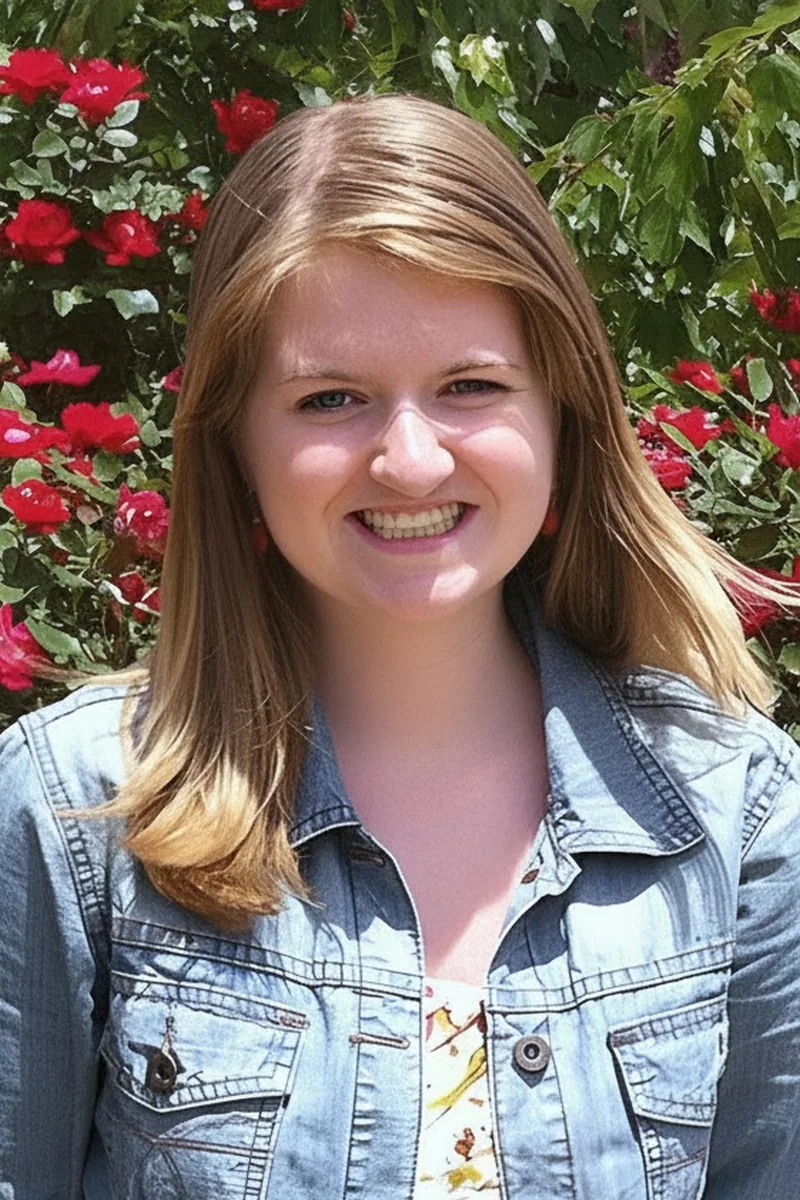
Hannah's history degree and MFA training give her two skills AP Human Geography constantly demands — contextualizing how political boundaries and migration patterns evolved over time, and constructing the kind of tight, thesis-driven FRQ responses that earn full credit. She's particularly sharp on units where students need to connect historical forces like colonialism or industrialization to spatial models, turning what feels like abstract vocabulary into cause-and-effect arguments grounded in real places.
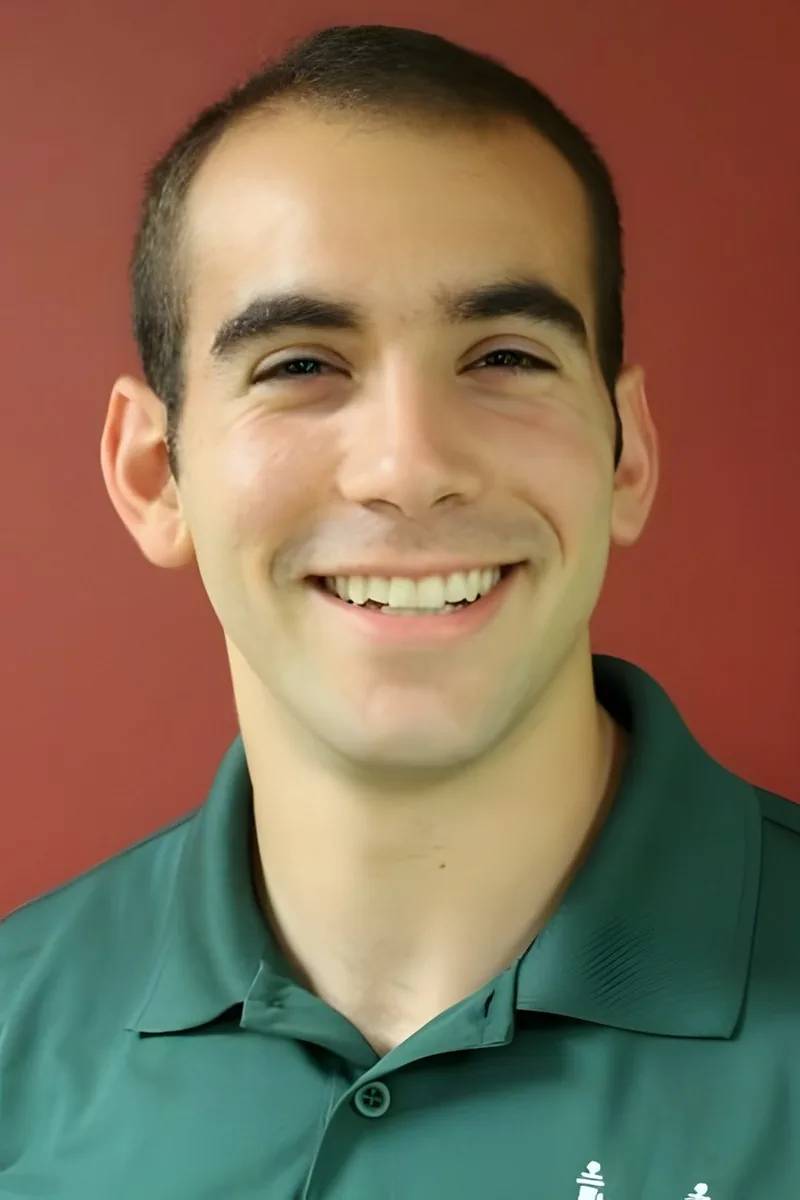
Teaching World History and Economics to high schoolers means Bradley already covers the historical forces — colonialism, industrialization, migration — that sit behind most AP Human Geography units. He connects those classroom experiences to the exam's trickiest content, like applying the demographic transition model or explaining how Wallerstein's world-systems theory plays out in real trade patterns. His 33 ACT composite also signals the kind of analytical reading skill that pays off on stimulus-based multiple choice.
Rima's health policy background gives her a concrete way into some of AP Human Geography's trickiest units — she can explain why the epidemiological transition or Rostow's development model aren't just abstract diagrams but reflections of real policy decisions that reshape how populations grow, move, and organize. That cross-disciplinary perspective, combined with her humanities training in reading and writing analysis, makes her particularly useful when students need to connect dense vocabulary to the kind of process-based explanations the FRQs demand. Holds a 5.0 rating.
Environmental Studies at Oberlin meant Jackson spent four years studying how human activity, resource use, and political decisions reshape landscapes — the same interconnections AP Human Geography tests across units on agriculture, development, and urbanization. He unpacks models like Borchert's urban evolution or the von Thünen model by grounding them in real environmental case studies, which makes the content stick when students hit stimulus-based questions on exam day. Rated 5.0 by students.
Debate coaching gives Rohit a real edge on the trickiest part of AP Human Geography — the FRQ prompts where students need to construct an argument linking geographic models to stimulus material, not just recall definitions. His economics and political science training at Minnesota means concepts like Rostow's development stages, trade networks, and supranational political organization are things he's studied formally, not just skimmed in a review book. Holds a 5.0 rating.
Samantha's American Studies program is essentially AP Human Geography's reading list in degree form — she's deep in the cultural landscapes, migration narratives, and political structures that show up across Units 3 through 7. That academic grounding, plus a 35 ACT, means she can break down both the conceptual side (why Mackinder's heartland theory matters, how acculturation differs from assimilation) and the test-strategy side of stimulus-based multiple choice and FRQs.
Elena's Child Development studies at Vanderbilt give her a sharp understanding of how population dynamics, family structures, and cultural practices vary across regions — concepts that map directly onto AP Human Geography units covering population, migration, and cultural patterns. She pairs that with strong SAT performance (1540) and a knack for teaching younger students complex ideas in accessible ways, which translates well to breaking down dense models like the demographic transition or Zelinsky's migration framework for exam prep. Rated 5.0 by students.
Spatial thinking trips up a lot of AP Human Geography students — understanding why cities develop where they do, how migration reshapes cultural landscapes, or what Ravenstein's laws actually predict. Amena tackles the free-response questions by teaching students to link geographic models to real-world examples, which is where most exam points are won or lost.
Yale's History of Science, Medicine, and Public Health program immerses Stephanie in exactly the kind of cross-regional analysis AP Human Geography rewards — tracing how disease, technology, and institutional power reshape populations and landscapes across time. She applies that training to units on population dynamics, political organization, and development models, unpacking concepts like the epidemiological transition or supranational governance with real case studies rather than textbook definitions. Rated 5.0 by students.
AP Human Geography's free-response questions ask students to connect geographic concepts — like urbanization models or cultural diffusion — to real-world examples in a structured written argument. Eileen approaches these as analytical writing exercises, teaching students to unpack the prompt, organize their evidence, and write concisely enough to finish on time.
Twelve AP classes and a math-focused mind at UChicago mean Felix approaches AP Human Geography's models — things like the von Thünen agricultural model or gravity model — with the quantitative intuition most social studies tutors lack. He's sharp at teaching students to decode the exam's data-heavy stimulus questions, reading population pyramids and development indicators with precision rather than guesswork. Rated 5.0 by students.
Between a history BA and a master's in history, Alison has spent years tracing the migration patterns, colonial legacies, and political boundary shifts that form the backbone of AP Human Geography's toughest units. She's especially strong at connecting those historical threads to geographic models — showing students why the Rimland theory or Ratzel's organic state concept emerged when and where they did, rather than treating them as standalone definitions. Holds a 5.0 rating.
Population pyramids, Ravenstein's laws of migration, and the Wallerstein world-systems model can feel abstract until someone ties them to actual places and patterns. Kshitij approaches AP Human Geography by grounding each model in concrete examples — why Rostow's stages look different in Sub-Saharan Africa versus East Asia, or how gerrymandering reshapes political boundaries. That real-world anchoring makes the free-response questions far less intimidating on exam day.
Graham's astrophysics and chemistry coursework at CU Boulder means he's constantly working with spatial data, models, and systems thinking — skills that translate surprisingly well to AP Human Geography's emphasis on interpreting maps, population models, and development frameworks. His environmental science background gives him a concrete handle on Unit 5 (Agriculture) and Unit 7 (Industrial Development), where understanding resource distribution and land use isn't abstract but something he studies from the physical side. Rated 5.0 by students.
A Latin American History degree from Duke means Jean spent years studying the exact processes — colonialism, land reform, rural-to-urban migration, political boundary shifts — that AP Human Geography tests across nearly every unit. She unpacks models like Rostow's stages of development or the core-periphery framework using real Latin American case studies that make the content stick far better than textbook definitions alone. Her 1500 SAT also reflects the analytical reading skill that pays off on the exam's stimulus-based questions.
Cultural anthropology is essentially the discipline AP Human Geography was built from — Scott's honors degree in the field means concepts like cultural diffusion, language families, and ethnic territoriality aren't exam vocabulary to him but frameworks he's studied in depth at Washington University in St. Louis. He's particularly strong at unpacking the exam's trickier FRQ prompts where students need to connect anthropological models to real-world stimulus material, drawing on the same analytical reading skills behind his 1580 SAT. Rated 4.8 by students.
Testimonials
Because the right AP Human Geography tutor makes all the difference.
Average Session Rating – Based on 3.4M Learner Ratings
Practice AP Human Geography
Free practice tests, flashcards, and AI tutoring for AP Human Geography
Other York Tutors
Related Social Studies Tutors in York
Frequently Asked Questions
Varsity Tutors matches York students with expert AP Human Geography tutors for 1-on-1 instruction. We pair each student with a tutor based on their specific needs, learning style, and goals.
Whether you need homework help, exam prep, or want to get ahead, our AP Human Geography tutors are ready to help.
Common challenges include gaps from earlier material, difficulty with specific concepts, and trouble applying learning to new problems. These issues can snowball quickly in AP Human Geography.
A tutor identifies where you're stuck, fills in gaps, and provides targeted practice. The 1-on-1 format means you get help exactly where you need it.
Tutors work with your student's actual coursework—homework assignments, class notes, and upcoming tests. This keeps tutoring directly relevant to what's happening in the classroom.
When you share information about your student's school and curriculum, we can match you with a tutor who has relevant experience.
All tutors complete background checks, credential verification, and teaching evaluation. Many of our AP Human Geography tutors hold advanced degrees or have years of teaching experience.
You can review tutor profiles to find someone with the right background for your student's level and needs.
Many students see improved grades within a few weeks, along with better understanding of AP Human Geography concepts and more confidence tackling challenging material.
Tutors track progress and adjust their approach to ensure continued improvement.
Most students benefit from 1-2 sessions per week. More frequent sessions help if your student is significantly behind or has an important exam coming up.
Your tutor can recommend a schedule based on your student's specific situation and goals.
Tutoring is purchased in packages of hours, with rates varying by tutor experience. Varsity Tutors offers several options to fit different budgets and needs.
You can discuss pricing during your consultation to find what works best.
Your tutor will assess where your student is, discuss goals, and start working on priority areas. Most students bring current homework or upcoming test material to focus on.
By the end, you'll have a clear sense of how the tutor can help and a plan for moving forward.
Let’s find your perfect tutor
Answer a few quick questions. We’ll recommend the right plan and match you with a top 5% tutor.