Award-Winning Creative Writing Tutors
serving Portland, OR
Creative Writing
Tutors in Portland
Private 1-on-1 tutoring, weekly live classes for academic support, test prep & enrichment, practice tests and diagnostics, and more to elevate grades and test scores.
Based on 3.4M Learner Ratings
UniversitiesSchools & Universities
DeliveredHours Delivered
ProficiencyGrowth in Proficiency
Who needs tutoring?
No obligation. Takes ~1 minute.
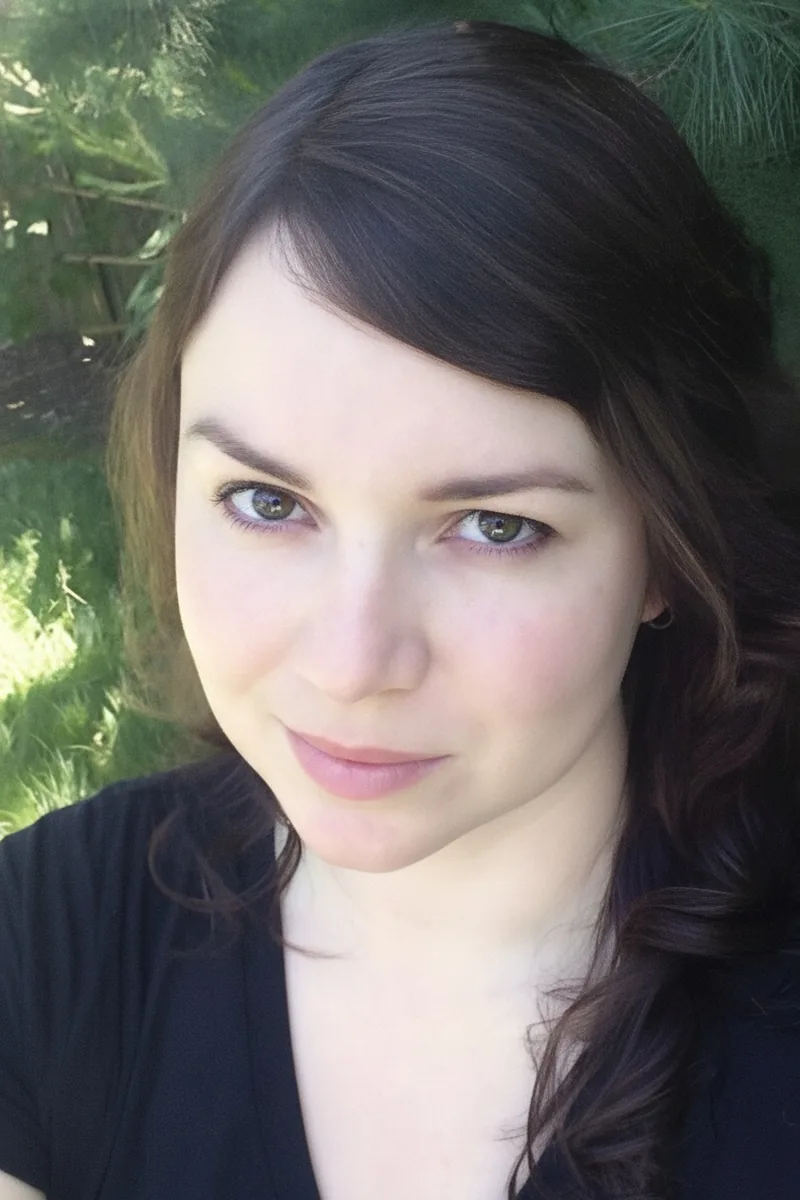
A published author with work in Poets & Writers, Longreads, and New Orleans Review, Thea knows what it takes to move a piece from rough idea to polished submission. She digs into the specific craft elements — scene construction, image, rhythm, revision strategy — that turn competent writing into memorable writing.

Whether the project is a personal essay, a short story, or a poem, Henry approaches creative writing as craft that can be studied and sharpened. He breaks down elements like voice, structure, and imagery with the rigor of a PhD-trained reader, then applies that analysis to each student's own work-in-progress. His 5.0 rating speaks to the encouragement he brings alongside that critical eye.
A blank page is less intimidating when a writer has concrete tools: sensory detail, voice, structure, the difference between showing and telling. Robin approaches creative writing as a discipline with learnable techniques, then gives students the freedom to experiment within those frameworks. Her background spans poetry, personal essays, and short fiction.
A good creative writing tutor doesn't just say "show, don't tell" — they explain exactly how sensory detail, voice, and structure work together to create an effect on the reader. Aaron earned his MFA in Creative Writing from San Francisco State, where he workshopped across genres and developed a sharp editorial eye. Whether a student is experimenting with poetry, personal essays, or short fiction, he digs into the craft choices that separate flat drafts from compelling ones.
Before Gabby ever taught fiction workshops, she was a working journalist — and that reporter's instinct for finding the story inside the story is what she brings to students' drafts, whether they're writing a short story, a personal narrative, or experimenting with genre for the first time. Her Master's work in Strategic Communication at University of Oregon sharpened her understanding of how storytelling structure actually works on an audience, so she can explain not just what to revise but why a particular scene, line of dialogue, or pacing choice lands or falls flat.
I am passionate about helping students when they are feeling stuck or frustrated, especially in math classes. For 2 years, I have tutored Algebra, Geometry, and Pre-Calculus. I have found it is most helpful to reteach concepts in a setting where students can ask questions along the way. When students feel comfortable asking for help and can work through adversity, they are better able to succeed in the classroom and learn valuable problem-solving skills they can use in the future.
The blank page is less intimidating once a writer has real techniques to fall back on — sensory detail, voice, structure, revision strategies. Joanne earned her English BA at Santa Clara with a specialization in teaching and went on to complete a Master's in Educational Studies at Michigan, giving her both the literary knowledge and the pedagogical skill to coach writers across genres. Whether someone is drafting a personal essay, a short story, or an experimental piece, she knows how to push the work forward.
Storytelling is about choices — point of view, pacing, the moment a scene starts and where it cuts off. Varun's Film and Media Studies background trained him to analyze narrative structure across mediums, and he brings that lens to workshopping student fiction, poetry, and personal essays. He digs into the craft decisions behind each draft, pushing writers to sharpen voice and trim what doesn't serve the story.
Getting words on the page is often the hardest part of creative writing, and Sarah tackles that blank-page paralysis with structured brainstorming techniques and revision exercises that build momentum. As an English major at Dartmouth, she digs into craft elements like voice, dialogue, and narrative pacing — giving students concrete tools instead of vague advice to "just be creative."
Having published two books, Lisa knows creative writing from the inside — not just as a set of classroom exercises but as a craft that requires drafting, honest revision, and learning to hear your own voice on the page. She digs into specifics like dialogue pacing, scene construction, and point-of-view choices, giving students concrete feedback they can actually use in their next draft.
Talia writes fiction and poetry in her own time, but her political science and activism background gives her creative work — and her tutoring — an unusual edge: she knows how to build an argument with scene and image instead of thesis statements, and she teaches students to do the same. She's particularly sharp at helping a draft find its voice, whether that means stripping away overwrought language or pushing a student to dig into the one honest detail they've been dancing around. Rated 5.0 by students.
I hold a Master's degree from the University of Pennsylvania in developmental psychology (with a focus on cognition) and a B.A. from Swarthmore College in theatre and English. I enjoy working with students who are looking to improve their executive function skills as a part of their overall goals for tutoring because I believe in a whole-self approach to time management and skill building. I also thoroughly enjoy tutoring in English literature, high school and college writing, organizational skills, and standardized testing. I've spent 15 years teaching high school English, public speaking, and written expression at elite independent schools, while moonlighting as a public speaking coach. My professional experience includes providing speechwriting and coaching for a now-US Senator during his first congressional campaign. Prior to becoming a teacher, I worked as a director for multiple professional theaters, and my passions for English and Theatre converge in a deep love of Shakespeare. I love to talk about literature and dissect its craft in writing, and I believe everyone can write strong essays with the right coaching and framework.
Someone who went from hating reading to devouring books understands the moment when language clicks — and that's the energy Aaron brings to creative writing. He digs into craft elements like voice, pacing, and scene construction, encouraging students to experiment on the page and then revise with intention. His conversational teaching style makes workshopping feel collaborative rather than intimidating.
A math major who writes creatively might sound unusual, but Samuel sees storytelling and problem-solving as the same skill: both require setting up a structure, building tension, and delivering a payoff. He digs into craft elements like voice, pacing, and scene construction, pushing students to revise with intention rather than just adding more words.
Good creative writing starts with a single vivid detail — not a grand idea. Hanlu teaches techniques like sensory imagery, dialogue pacing, and narrative voice, drawing on her own fiction writing practice and her International Relations background, which sharpened her ability to tell stories across cultural contexts. She's especially effective at helping writers push past the blank page and into revision, where the real craft happens.
Between a creative writing minor at Northwestern and years running a high school writing center, Nathaniel has logged serious time on both sides of the workshop table — producing his own fiction and non-academic work while coaching other writers through drafts. He's particularly sharp at helping students find the gap between what they meant to say and what's actually on the page, then working through revision at the sentence level until voice, pacing, and detail all land together.
Working across audio documentary, performance, and media literacy gave Sarah a storyteller's instinct for how different forms shape the same raw material — a skill she brings into creative writing when students need to figure out whether an idea wants to be a poem, a personal essay, or a short story. Her anthropology training adds an unusual depth to character and setting work, pushing writers to observe the specific cultural details and human behaviors that make fictional worlds feel inhabited rather than invented. Rated 5.0 by students.
A creative writing degree taught Mahalia something most writers learn the hard way: revision is where the real writing happens. She walks students through the full arc of a piece — from generating raw material through workshopping drafts — covering craft elements like voice, pacing, dialogue, and scene construction. Whether someone is writing poetry, short fiction, or personal essays, she treats each draft as a conversation about what the piece is trying to do.
Testimonials
Because the right Creative Writing tutor makes all the difference.
Average Session Rating – Based on 3.4M Learner Ratings
Nearby Creative Writing Tutors
Other Portland Tutors
Related English Tutors in Portland
Frequently Asked Questions
Creative writing tutoring focuses on developing your unique voice, storytelling skills, and craft techniques across genres like fiction, poetry, memoir, and screenwriting. Tutors work with you on character development, plot structure, dialogue, descriptive language, and the revision process to help you move from initial ideas to polished pieces. Whether you're working on a short story, novel excerpt, or poetry collection, personalized instruction helps you strengthen your creative voice and overcome common obstacles like writer's block or pacing issues.
Writer's block often stems from perfectionism or unclear story direction—a tutor can help you break through by using brainstorming techniques, freewriting exercises, and structured planning methods tailored to your writing style. During revision, tutors provide personalized feedback on elements like narrative flow, character consistency, and dialogue authenticity, then guide you through multiple drafts to strengthen your work. This ongoing feedback loop is more effective than revising alone, as you get expert perspective on what's working and specific strategies to improve weak areas.
Grammar is the technical foundation—the rules of sentence structure, punctuation, and clarity—while voice is your unique perspective, tone, and style as a writer. A tutor helps you master grammar so it doesn't distract from your ideas, then focuses on developing your distinctive voice through reading analysis, writing experiments, and feedback on your authentic style. Strong creative writing needs both: grammatically sound sentences that showcase your individual perspective and storytelling strengths.
Your first session is about understanding your goals, writing experience, and current projects. You'll likely share a writing sample or discuss what you're working on, and the tutor will assess your strengths, identify areas for growth, and learn what genres or forms interest you most. Together, you'll create a personalized plan—whether that's building foundational storytelling skills, refining a manuscript, or preparing for a writing competition—so future sessions directly support your creative goals.
Yes. With 6 school districts across Portland serving over 75,000 students, tutors are familiar with local writing standards and classroom expectations, whether you're in a Portland Public Schools classroom or another district. Tutors can support assigned essays, creative projects, and writing assignments while also helping you develop skills beyond the curriculum. This dual approach means you'll improve grades on required work while building lasting creative writing abilities.
Absolutely. Strong creative writers are strong readers—understanding how published authors craft character, dialogue, and narrative helps you develop your own work. Tutors help you analyze texts for technique, theme, and style, then show you how to apply those lessons to your own writing. This connection between reading and writing strengthens both skills and deepens your appreciation for the craft.
In a classroom with a 17.2:1 student-teacher ratio, teachers often have limited time for detailed writing feedback. With personalized 1-on-1 instruction, you get focused, in-depth comments on your specific strengths and growth areas, plus real-time discussion about revision choices. Tutors can spend entire sessions on a single piece, answering your questions about craft decisions and guiding you through multiple revisions in ways classroom settings rarely allow.
Varsity Tutors connects you with expert tutors who specialize in creative writing and understand Portland's educational landscape. You'll share your goals, writing experience, and availability, and we'll match you with a tutor whose expertise and teaching style fit your needs. From there, you'll schedule sessions that work for your schedule and start developing your creative voice with personalized instruction.
Let’s find your perfect tutor
Answer a few quick questions. We’ll recommend the right plan and match you with a top 5% tutor.