Award-Winning AP English Literature and Composition Tutors
serving Portland, OR
AP English Literature and Composition
Tutors in Portland
Private 1-on-1 tutoring, weekly live classes for academic support, test prep & enrichment, practice tests and diagnostics, and more to elevate grades and test scores.
Based on 3.4M Learner Ratings
UniversitiesSchools & Universities
DeliveredHours Delivered
ProficiencyGrowth in Proficiency
Who needs tutoring?
No obligation. Takes ~1 minute.
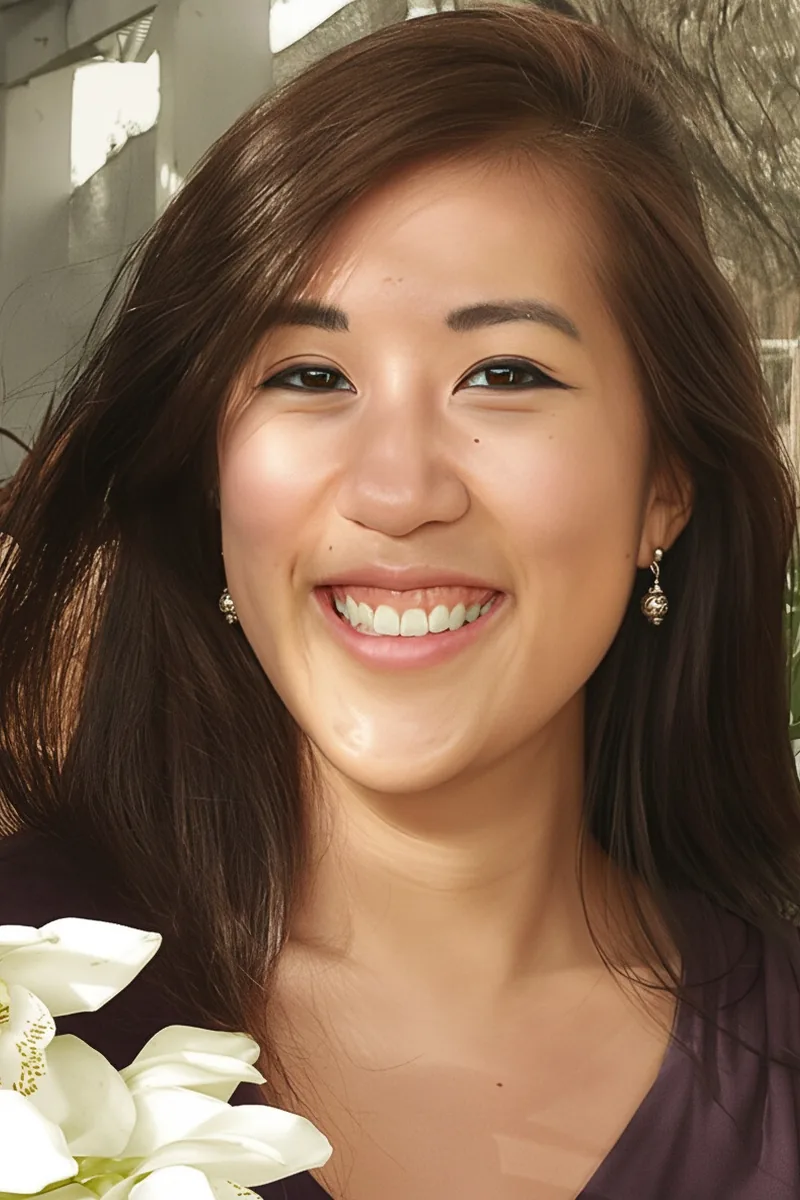
AP English Literature demands more than plot summary — it asks students to write about how a poem's enjambment creates tension or how a novel's narrative voice shapes meaning. Cynthia studied Folklore & Mythology at the college level, giving her deep experience with close reading across genres and centuries. She teaches students to build literary arguments that earn high marks on both the multiple-choice and free-response sections.

AP Lit's free-response questions reward students who can move past plot summary and dig into how an author's choices — diction, structure, imagery — create meaning. Ezra treats each essay prompt as a philosophical argument: what claim are you making about this text, and what's your evidence? That analytical rigor, combined with his deep reading habit, makes him especially effective on the open-question essay where students must choose their own text.
AP Lit asks students to do something genuinely difficult: read a poem or passage they've never seen and produce a coherent argument about it under time pressure. Heather's liberal arts background at Willamette — where close reading and literary analysis were daily requirements — means she can walk students through how to unpack symbolism, narrative voice, and structure on the fly. She's an avid reader herself, which keeps her sharp on the range of genres the exam draws from.
Hello, students! My name is Pranav, and I'm so excited to be tutoring with Varsity Tutors. I have vast experience tutoring both personally and professionally; I've held officer positions in several nonprofit organizations, including STEMpals and The Do Re Mi Project, teaching courses ranging from biology to music theory. I took 16 AP courses throughout high school with all 5s, and I earned a 1570 on my SAT, so I'm pretty familiar with the majority of academic subjects! I have experience tutoring any and all skill levels, and I'm always open to expanding my horizons, so please don't hesitate to book your first lesson. I'm looking forward to meeting with you!
AP Lit asks students to do something most haven't practiced — write analytically about how a poem's structure or a novel's narrative technique creates meaning, not just summarize plot. As a Yale humanities student and avid reader, Tessa digs into the close-reading skills that earn high marks on the poetry free-response and the open-ended essay. She's particularly sharp on teaching students to move from observation ('there's a metaphor here') to argument ('here's what it does and why it matters').
AP Lit's free-response questions reward students who can move beyond plot summary and build an argument about how literary devices shape meaning — a skill that takes practice with close reading and thesis construction. Emerson scored a 1560 on the SAT and studied at the University of Chicago, where rigorous textual analysis is woven into nearly every course. Rated 5.0 by students, he brings that analytical precision to poetry explication, prose passage work, and the open-ended essay.
Earning a Secondary Teacher's certification while studying English means Hailey is learning not just how to analyze literature but how to teach that analysis — breaking down why a particular stanza's enjambment or a narrator's shifting reliability matters, then coaching students to articulate those insights in timed, thesis-driven essays. Her 32 ACT and 5.0 tutoring rating back up an approach rooted in making the leap from 'I noticed something' to 'here's my argument about what it means.'
Studying English Language and Literature at the University of Chicago means Davis spends his days doing exactly what the AP Lit exam tests — building interpretive arguments about how writers use language to create meaning, then defending those arguments with precise textual evidence. He brings that daily practice to teaching students how to read a poem or passage for its deeper mechanics rather than just its surface narrative. His comfort with both canonical and contemporary literature gives him range across the full-work essay question, where choosing the right novel and framing a sharp thesis makes all the difference.
AP English Lit asks students to do something genuinely difficult: write a persuasive literary argument under timed conditions about a poem or passage they've never seen before. Paula's approach digs into close reading techniques — tracking imagery patterns, shifts in tone, narrative perspective — so that students walk into the exam knowing how to generate an original thesis on the spot. Her background in both Psychology and Communication Studies sharpens the way she unpacks character motivation and authorial intent.
AP Lit's free-response questions reward students who can move past plot summary and build an argument about how literary techniques create meaning. Andrew studied literature at the undergraduate level and later sharpened his argumentative writing through law school, so he teaches students to construct thesis-driven essays that connect imagery, diction, and structure to a poem's or novel's larger purpose. That combination of literary knowledge and persuasive writing skill shows in his 4.8 rating.
AP Lit asks students to do something most haven't practiced: write a persuasive literary argument under time pressure, using textual evidence with precision. Olivia teaches the difference between summarizing a poem or passage and actually analyzing how its language produces meaning — the skill that separates 3s from 5s on the free-response questions. She's particularly strong on poetry analysis, where students tend to freeze up without a clear method for unpacking imagery, tone, and structure.
AP Lit asks students to do something genuinely difficult: read a poem or prose passage cold and produce a polished analytical essay under time pressure. Wallis studied Russian and Art History at Sewanee, which means she spent four years dissecting literary and visual texts for symbolism, tone, and structural choices. She teaches students to build arguments around specific textual evidence rather than vague thematic summaries.
AP Lit essays live or die on how well a student can connect a specific literary device to the text's larger meaning — not just spotting the metaphor, but explaining what it *does*. Kenan's background across literature and analytical writing means he can coach both the close-reading instinct and the timed-essay structure the exam demands, from poetry analysis to the open-ended prompt.
AP Lit rewards the kind of close reading Lisa has practiced for years as a published author and journal editor — noticing how a writer's diction, imagery, or syntax creates meaning beyond the surface. She digs into poetry and prose with students, teaching them to build essay arguments around specific literary devices rather than vague thematic summaries. Her 4.9 rating speaks to how well that approach lands.
AP Lit demands more than understanding a poem — it requires writing a timed, thesis-driven essay that makes an interpretive argument about how literary techniques create meaning. Jamie's English degree from Birmingham-Southern and law training at Fordham built exactly that skill set: close reading combined with persuasive, evidence-based writing under pressure. Rated 4.9 by students.
Testimonials
Because the right AP English Literature and Composition tutor makes all the difference.
Average Session Rating – Based on 3.4M Learner Ratings
Practice AP English Literature and Composition
Free practice tests, flashcards, and AI tutoring for AP English Literature and Composition
Nearby AP English Literature and Composition Tutors
Other Portland Tutors
Related English Tutors in Portland
Frequently Asked Questions
The AP English Literature and Composition exam tests your ability to analyze and interpret prose, poetry, and drama through close reading and critical thinking. The exam has two sections: a multiple-choice section (55 questions in 60 minutes) focusing on passage analysis, and a free-response section (3 essays in 135 minutes) requiring you to analyze literary devices, argue interpretations, and synthesize ideas from texts. Success requires both strong reading comprehension and the ability to articulate sophisticated literary analysis in timed writing.
Score improvement depends on your starting point and consistency with preparation. Students who work with tutors on targeted strategies—like identifying literary devices quickly, managing essay time, and strengthening thesis statements—typically see gains of 1-2 score points over a semester. The key is focusing on your specific weaknesses, whether that's close reading accuracy, essay structure, or time management during the exam.
Portland students commonly struggle with three main areas: managing the fast pace of the multiple-choice section (students often spend too much time on individual questions), developing nuanced thesis statements that go beyond surface-level interpretation, and balancing textual evidence with original analysis in essays. Many students also find it challenging to analyze unfamiliar texts under pressure, since the exam uses passages they've never seen before. Targeted practice with timed sections and feedback on essay drafts addresses these gaps effectively.
Effective strategies include: annotating passages actively during the multiple-choice section to avoid careless errors, eliminating obviously wrong answers to improve odds, and allocating time intentionally (roughly 45 minutes per essay). For essays, many students benefit from spending 5-10 minutes planning their argument before writing, which prevents rambling and strengthens organization. Practice tests under timed conditions are essential—they build pacing confidence and help you identify whether your challenge is comprehension or time management.
Strong AP essays require a clear, arguable thesis that appears early, specific textual evidence (quotations or paraphrasing) that directly supports your claim, and analysis that explains why the evidence matters. Many students lose points by summarizing plot instead of analyzing literary devices or by including evidence without interpretation. Working with a tutor on essay structure, revision techniques, and receiving feedback on practice essays helps you develop the analytical voice the exam rewards.
Strategic reading is more effective than speed alone. Try reading the questions first so you know what to look for, then annotate the passage for key literary devices, tone shifts, and character development as you read. This focused approach prevents re-reading and helps you answer questions more confidently. Consistent practice with timed passages builds your ability to identify what matters quickly, and tutors can help you develop a personalized annotation system that works for your reading style.
Varsity Tutors connects you with expert tutors who have deep knowledge of the AP English Literature curriculum and exam format. When you get matched with a tutor, you can discuss your specific goals—whether that's improving multiple-choice accuracy, strengthening essay writing, or building confidence with poetry analysis. Tutors can tailor their approach to your learning style and focus on the areas where you need the most support.
Most students benefit from 3-4 months of consistent preparation, though this varies based on your starting level and goals. If you're aiming for a 4 or 5, starting in January for a May exam gives you time to work through the curriculum, take multiple practice tests, and refine your essay writing with feedback. Even shorter timelines can be effective if you focus intensively on your weakest areas—a tutor can help you prioritize what to study based on your diagnostic performance.
Let’s find your perfect tutor
Answer a few quick questions. We’ll recommend the right plan and match you with a top 5% tutor.