Award-Winning Executive Functioning Tutors
serving Portland, OR
Executive Functioning
Tutors in Portland
Private 1-on-1 tutoring, weekly live classes for academic support, test prep & enrichment, practice tests and diagnostics, and more to elevate grades and test scores.
Based on 3.4M Learner Ratings
UniversitiesSchools & Universities
DeliveredHours Delivered
ProficiencyGrowth in Proficiency
Who needs tutoring?
No obligation. Takes ~1 minute.
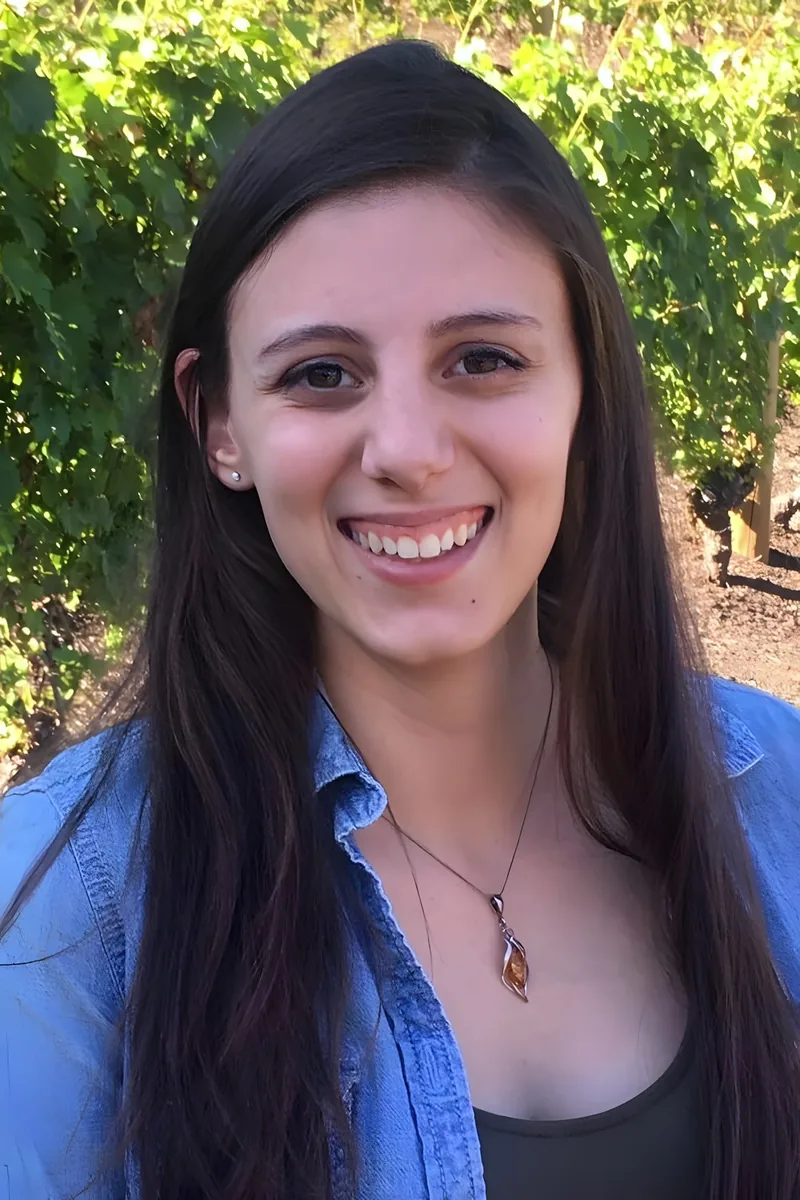
Planning a multi-step essay, breaking a semester-long project into weekly milestones, keeping track of deadlines across six classes — these are executive functioning challenges Gabby addresses directly. Her five-plus years as a tutor and writing coach have centered on building concrete systems for organization, time management, and task prioritization that students can actually maintain on their own.

I hold a Master's degree from the University of Pennsylvania in developmental psychology (with a focus on cognition) and a B.A. from Swarthmore College in theatre and English. I enjoy working with students who are looking to improve their executive function skills as a part of their overall goals for tutoring because I believe in a whole-self approach to time management and skill building. I also thoroughly enjoy tutoring in English literature, high school and college writing, organizational skills, and standardized testing. I've spent 15 years teaching high school English, public speaking, and written expression at elite independent schools, while moonlighting as a public speaking coach. My professional experience includes providing speechwriting and coaching for a now-US Senator during his first congressional campaign. Prior to becoming a teacher, I worked as a director for multiple professional theaters, and my passions for English and Theatre converge in a deep love of Shakespeare. I love to talk about literature and dissect its craft in writing, and I believe everyone can write strong essays with the right coaching and framework.
Five years working specifically with students with learning differences taught Sydney where the real sticking points are — the student who knows what the assignment says but can't figure out where to start, or the one who chronically underestimates how long a reading response will take. She ties executive functioning strategies like task breakdown and self-monitoring directly to the English and Spanish coursework she also tutors, so students practice these skills on actual assignments rather than in isolation. Rated 4.9 by clients.
All students can learn, however, not all students learn the same way. The key to learning and the most important part of any teachers job is helping students understand how they learn best. That is what I do well.
Planning, prioritizing, and self-monitoring don't come naturally to every student — they're skills that can be explicitly taught. Cristiana breaks executive functioning into concrete habits: using checklists to initiate tasks, time-blocking to manage sustained attention, and post-session reflections to build self-awareness about what strategies are working. Her own experience managing a demanding dual-major course load gives her practical techniques to share, not just theory.
Tutoring across 46 subjects — from elementary math to organic chemistry to college essays — means Adel constantly sees which organizational habits transfer across disciplines and which ones students are missing. His biochemistry training at Georgia Tech required coordinating lab work, problem sets, and writing simultaneously, so he teaches students concrete strategies for prioritizing tasks, estimating how long assignments actually take, and building weekly workflows that prevent last-minute scrambles. Rated 5.0 by clients.
Managing art projects from concept to finished piece — juggling sketches, revisions, material prep, and critique deadlines — forced Laura to develop the exact planning and sequencing skills that executive functioning coaching targets. She teaches students to build visual workflows and concrete routines for breaking down assignments, initiating tasks, and tracking deadlines across subjects, drawing on the same project-management instincts that drive her studio practice. Rated 4.9 by clients.
Running a natural sciences department at a bilingual elementary school in Ecuador meant Joy wasn't just teaching content — she was building systems for planning, prioritization, and task completion across two languages and multiple grade levels. She applies that same structured approach to executive functioning skills like time management, organization, and breaking long-term assignments into manageable steps.
Planning a multi-step assignment, managing time across subjects, breaking a big project into smaller pieces — these are skills that don't come naturally to every student. Heather's clinical psychology training gives her a framework for teaching organizational strategies that actually stick, and she tailors each system to how a student's brain already works rather than forcing a one-size-fits-all planner approach.
As a dedicated tutor with over 5 years of experience, I hold a Bachelor's degree in Psychology and Sociology from Tulane University, which informs my approach to understanding student needs. I specialize in subjects such as Algebra, Psychology, and American History, and I am passionate about fostering a supportive learning environment where students can thrive. My teaching philosophy centers on building strong relationships with my students, using tailored strategies that cater to their unique learning styles. I find great joy in helping students develop their executive functioning skills and confidence, enabling them to achieve academic success. Outside of tutoring, I enjoy reading and exploring new educational resources, which keeps my methods fresh and engaging.
Law school is essentially a crash course in executive functioning — Yilin's Juris Doctor required managing simultaneous case briefs, seminar deadlines, and long-term research projects with zero hand-holding. She applies that same structured thinking to teach students how to prioritize competing assignments, catch procrastination patterns before they spiral, and build study workflows that hold up across subjects like math, science, and writing. Rated 5.0 by clients.
Claire teaches concrete systems — color-coded planners, task-chunking methods, priority matrices — rather than vague advice about "staying organized." Her background across a wide range of academic subjects means she can tailor these executive functioning strategies to whatever coursework a student is actually struggling to manage, from essay deadlines to exam prep schedules.
Planning, time management, task initiation, emotional regulation — executive functioning deficits show up differently in every student, and Mati's doctoral training in learning disabilities means she can pinpoint which skills are lagging and why. She builds individualized systems like visual schedules, chunked assignments, and self-monitoring checklists that students actually use because they're designed around how each person's brain works, not a generic planner template.
Testimonials
Because the right Executive Functioning tutor makes all the difference.
Average Session Rating – Based on 3.4M Learner Ratings
Nearby Executive Functioning Tutors
Other Portland Tutors
Frequently Asked Questions
Executive functioning refers to the mental processes that help us plan, organize, manage time, focus attention, and regulate emotions—essentially the skills needed to get things done. For students in Portland, strong executive functioning is foundational to academic success across all subjects, from managing multi-step assignments to balancing extracurricular activities. Students who struggle with these skills often fall behind not because they lack ability, but because they can't effectively organize their work or manage their time.
Students often struggle with time management (underestimating how long tasks take), organization (losing assignments or materials), planning (not knowing where to start on big projects), and task initiation (procrastination). Others have difficulty with working memory (holding information while working on it) or emotional regulation (getting frustrated when things don't go perfectly). These challenges can appear across Portland's diverse school districts and affect students at any grade level, sometimes masking their true academic potential.
In a classroom setting with Portland's average 17.2:1 student-teacher ratio, teachers can't provide individualized strategies tailored to each student's specific challenges and learning style. Personalized 1-on-1 instruction allows tutors to identify exactly where a student breaks down in their process—whether it's planning, execution, or follow-through—and teach concrete, customized strategies they can apply immediately. This targeted approach means students build skills faster and develop systems that actually work for their brain, rather than generic study tips.
Elementary students are expected to follow multi-step directions and organize simple materials; middle school adds managing multiple classes, longer-term projects, and increased responsibility for tracking assignments; high school requires independent planning of complex projects, balancing multiple deadlines, and self-advocacy. College-bound students need even stronger skills for managing their own schedule and workload. A tutor can help students at any stage develop the specific skills their current grade demands while building a foundation for future success.
Students typically see concrete, measurable changes: turning in assignments on time, completing homework with fewer reminders, organizing materials so they can find what they need, and breaking large projects into manageable steps. Many students also report reduced anxiety and frustration once they have a system that works. The timeline varies—some students see changes within weeks, while building deeper habits takes a few months—but improvement is usually visible to both the student and their parents.
The first session focuses on assessment and relationship-building. A tutor will ask about the student's current challenges, observe how they approach tasks, and understand their learning style and goals. They'll likely review how the student currently organizes their materials, manages their time, and approaches assignments. This foundation allows the tutor to design a personalized plan targeting the student's specific needs rather than applying a one-size-fits-all approach.
Look for tutors with experience working with students who have executive functioning challenges, whether that's through teaching, special education, coaching, or previous tutoring. Many tutors specialize in specific areas like ADHD support, learning disabilities, or high-achieving students who procrastinate. Beyond credentials, the right tutor should be patient, adaptable, and able to explain strategies clearly. Varsity Tutors connects you with tutors who have relevant expertise and can provide personalized instruction matched to your student's needs.
Parents can reinforce what the tutor teaches by using consistent routines, breaking tasks into smaller steps, and resisting the urge to rescue students from natural consequences (like forgetting their backpack). Simple tools like visual schedules, checklists, and designated homework spaces make a big difference. The most effective approach is when tutors and parents communicate about strategies being taught, so the student hears the same language and methods across settings, which accelerates progress.
Let’s find your perfect tutor
Answer a few quick questions. We’ll recommend the right plan and match you with a top 5% tutor.