Award-Winning Creative Writing Tutors
serving Eugene, OR
Creative Writing
Tutors in Eugene
Private 1-on-1 tutoring, weekly live classes for academic support, test prep & enrichment, practice tests and diagnostics, and more to elevate grades and test scores.
Based on 3.4M Learner Ratings
UniversitiesSchools & Universities
DeliveredHours Delivered
ProficiencyGrowth in Proficiency
Who needs tutoring?
No obligation. Takes ~1 minute.
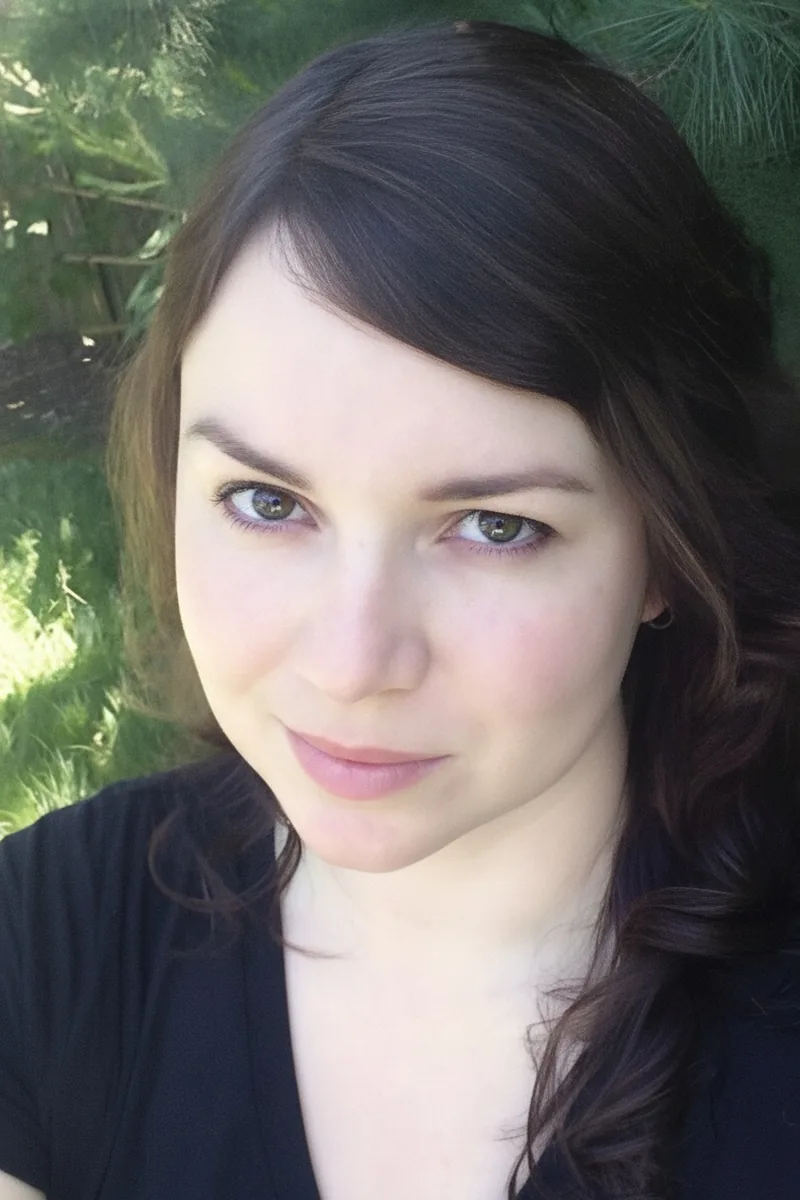
A published author with work in Poets & Writers, Longreads, and New Orleans Review, Thea knows what it takes to move a piece from rough idea to polished submission. She digs into the specific craft elements — scene construction, image, rhythm, revision strategy — that turn competent writing into memorable writing.

Whether the project is a personal essay, a short story, or a poem, Henry approaches creative writing as craft that can be studied and sharpened. He breaks down elements like voice, structure, and imagery with the rigor of a PhD-trained reader, then applies that analysis to each student's own work-in-progress. His 5.0 rating speaks to the encouragement he brings alongside that critical eye.
A blank page is less intimidating when a writer has concrete tools: sensory detail, voice, structure, the difference between showing and telling. Robin approaches creative writing as a discipline with learnable techniques, then gives students the freedom to experiment within those frameworks. Her background spans poetry, personal essays, and short fiction.
A good creative writing tutor doesn't just say "show, don't tell" — they explain exactly how sensory detail, voice, and structure work together to create an effect on the reader. Aaron earned his MFA in Creative Writing from San Francisco State, where he workshopped across genres and developed a sharp editorial eye. Whether a student is experimenting with poetry, personal essays, or short fiction, he digs into the craft choices that separate flat drafts from compelling ones.
Before Gabby ever taught fiction workshops, she was a working journalist — and that reporter's instinct for finding the story inside the story is what she brings to students' drafts, whether they're writing a short story, a personal narrative, or experimenting with genre for the first time. Her Master's work in Strategic Communication at University of Oregon sharpened her understanding of how storytelling structure actually works on an audience, so she can explain not just what to revise but why a particular scene, line of dialogue, or pacing choice lands or falls flat.
I am passionate about helping students when they are feeling stuck or frustrated, especially in math classes. For 2 years, I have tutored Algebra, Geometry, and Pre-Calculus. I have found it is most helpful to reteach concepts in a setting where students can ask questions along the way. When students feel comfortable asking for help and can work through adversity, they are better able to succeed in the classroom and learn valuable problem-solving skills they can use in the future.
Studying child development at Yale taught Arielle something most writing tutors learn the hard way — that the stories kids want to tell and the language they have to tell them are two very different things, and the gap between them is where creative writing instruction actually lives. She uses that developmental lens to meet each writer's imagination with the right scaffolding, whether that means building a picture book narrative with a first grader or helping an older student craft a short story with real scene structure and dialogue. Rated 5.0 by students.
I love to help students to do well on the SAT and ACT Verbal, Reading, and English sections. I have tutored these areas of standardized tests for more than 3 years. My approach is not "standardized" because I enjoy working one-on-one with clients to tailor learning experiences that address each person's unique needs. As a former professor of communication, I also have the skills to help professionals and graduate students with their research and writing. I am currently helping a doctoral student with her dissertation.
The hardest part of creative writing isn't generating ideas — it's revising them into something that actually lands on the page. David approaches each session as a workshop, reading student drafts closely and pinpointing where voice falters, where a scene needs grounding detail, or where cutting a paragraph makes the whole piece stronger. His English background gives him a deep library of published examples to draw from during those conversations.
Medical anthropology at Brown trained Katie to do something most creative writers struggle with on their own — take a deeply personal human experience and render it on the page with both emotional honesty and analytical precision. That ethnographic instinct for capturing voice, ritual, and the telling detail of everyday life gives her a distinctive edge when working on memoir, personal narrative, or fiction rooted in real-world observation. Rated 5.0 by students.
Emma's own poetry and nature literature lessons — designed for students from preschool through twelfth grade at Chautauqua Institution — taught her how to adapt creative writing instruction to wildly different skill levels without dumbing down the craft. Her Human Development studies at Cornell inform how she approaches the writing process itself, understanding what kinds of prompts and revision strategies actually click at different ages. Rated 5.0 by students.
Getting words on the page is often the hardest part of creative writing, and Sarah tackles that blank-page paralysis with structured brainstorming techniques and revision exercises that build momentum. As an English major at Dartmouth, she digs into craft elements like voice, dialogue, and narrative pacing — giving students concrete tools instead of vague advice to "just be creative."
Talia writes fiction and poetry in her own time, but her political science and activism background gives her creative work — and her tutoring — an unusual edge: she knows how to build an argument with scene and image instead of thesis statements, and she teaches students to do the same. She's particularly sharp at helping a draft find its voice, whether that means stripping away overwrought language or pushing a student to dig into the one honest detail they've been dancing around. Rated 5.0 by students.
A BA in Creative Writing plus a daily writing practice means Thomas isn't just teaching craft — he's actively living it. He unpacks elements like point of view, dialogue mechanics, scene pacing, and sensory detail, then applies them directly to whatever a student is working on, whether that's a short story, a poem, or the opening chapter of something bigger.
Good creative writing isn't just inspiration — it's craft decisions about point of view, pacing, dialogue, and revision. Peter trained as a journalist before earning his master's in English Education, so he teaches students to treat their drafts as material to shape rather than precious first attempts. That combination of storytelling instinct and editorial discipline shows up in the fiction, poetry, and personal essays his students produce.
Good creative writing instruction balances encouragement with honest craft feedback — knowing when to protect a writer's voice and when to push them on structure, imagery, or dialogue. Sarah's own writing practice spans multiple genres, and her graduate work in Asian languages and cultures gives her a cross-cultural lens that opens up storytelling possibilities most writers haven't considered.
A creative writing tutor who only praises a student's work isn't much use — real improvement comes from learning craft techniques like controlling pacing, writing believable dialogue, and choosing concrete details over vague abstractions. Karen writes herself and studied literature at Vanderbilt, so she gives the kind of specific, constructive feedback that sharpens a draft from rough idea to polished piece.
Storytelling is about choices — point of view, pacing, the moment a scene starts and where it cuts off. Varun's Film and Media Studies background trained him to analyze narrative structure across mediums, and he brings that lens to workshopping student fiction, poetry, and personal essays. He digs into the craft decisions behind each draft, pushing writers to sharpen voice and trim what doesn't serve the story.
Testimonials
Because the right Creative Writing tutor makes all the difference.
Average Session Rating – Based on 3.4M Learner Ratings
Nearby Creative Writing Tutors
Other Eugene Tutors
Related English Tutors in Eugene
Frequently Asked Questions
Varsity Tutors matches Eugene students with expert Creative Writing tutors for 1-on-1 instruction. We pair each student with a tutor based on their specific needs, learning style, and goals.
Whether you need homework help, exam prep, or want to get ahead, our Creative Writing tutors are ready to help.
Common challenges include gaps from earlier material, difficulty with specific concepts, and trouble applying learning to new problems. These issues can snowball quickly in Creative Writing.
A tutor identifies where you're stuck, fills in gaps, and provides targeted practice. The 1-on-1 format means you get help exactly where you need it.
Tutors work with your student's actual coursework—homework assignments, class notes, and upcoming tests. This keeps tutoring directly relevant to what's happening in the classroom.
When you share information about your student's school and curriculum, we can match you with a tutor who has relevant experience.
All tutors complete background checks, credential verification, and teaching evaluation. Many of our Creative Writing tutors hold advanced degrees or have years of teaching experience.
You can review tutor profiles to find someone with the right background for your student's level and needs.
Many students see improved grades within a few weeks, along with better understanding of Creative Writing concepts and more confidence tackling challenging material.
Tutors track progress and adjust their approach to ensure continued improvement.
Most students benefit from 1-2 sessions per week. More frequent sessions help if your student is significantly behind or has an important exam coming up.
Your tutor can recommend a schedule based on your student's specific situation and goals.
Tutoring is purchased in packages of hours, with rates varying by tutor experience. Varsity Tutors offers several options to fit different budgets and needs.
You can discuss pricing during your consultation to find what works best.
Your tutor will assess where your student is, discuss goals, and start working on priority areas. Most students bring current homework or upcoming test material to focus on.
By the end, you'll have a clear sense of how the tutor can help and a plan for moving forward.
Let’s find your perfect tutor
Answer a few quick questions. We’ll recommend the right plan and match you with a top 5% tutor.