Award-Winning AP Psychology Tutors
serving Portland, OR
AP Psychology
Tutors in Portland
Private 1-on-1 tutoring, weekly live classes for academic support, test prep & enrichment, practice tests and diagnostics, and more to elevate grades and test scores.
Based on 3.4M Learner Ratings
UniversitiesSchools & Universities
DeliveredHours Delivered
ProficiencyGrowth in Proficiency
Who needs tutoring?
No obligation. Takes ~1 minute.
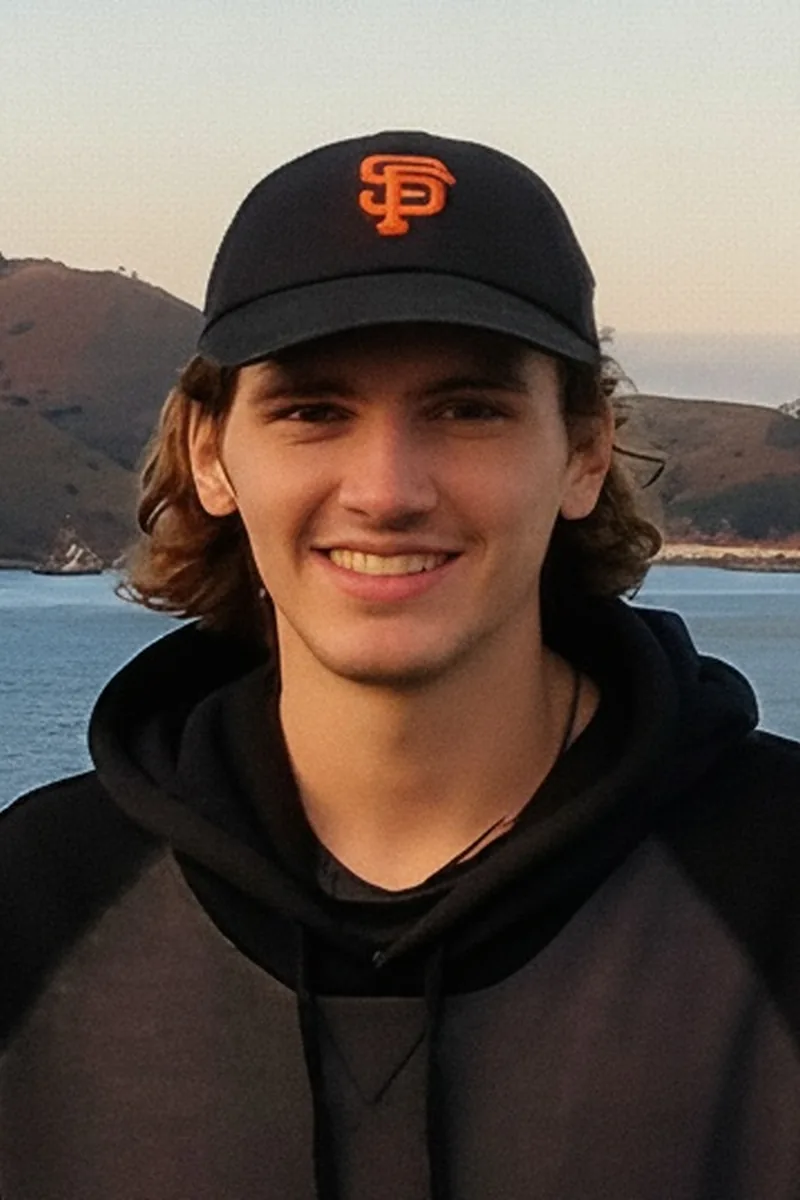
Years of teaching English overseas in Thailand and Laos gave Gabriel firsthand experience with how culture shapes cognition, communication, and social behavior — exactly the kind of cross-cultural thinking that AP Psychology's social psychology and developmental units test on free-response questions. His TEFL background also means he's practiced at breaking down dense terminology for learners who need concepts explained clearly and concretely, a skill that transfers directly to vocabulary-heavy units like memory, learning theory, and abnormal psychology. Rated 4.9 by students.
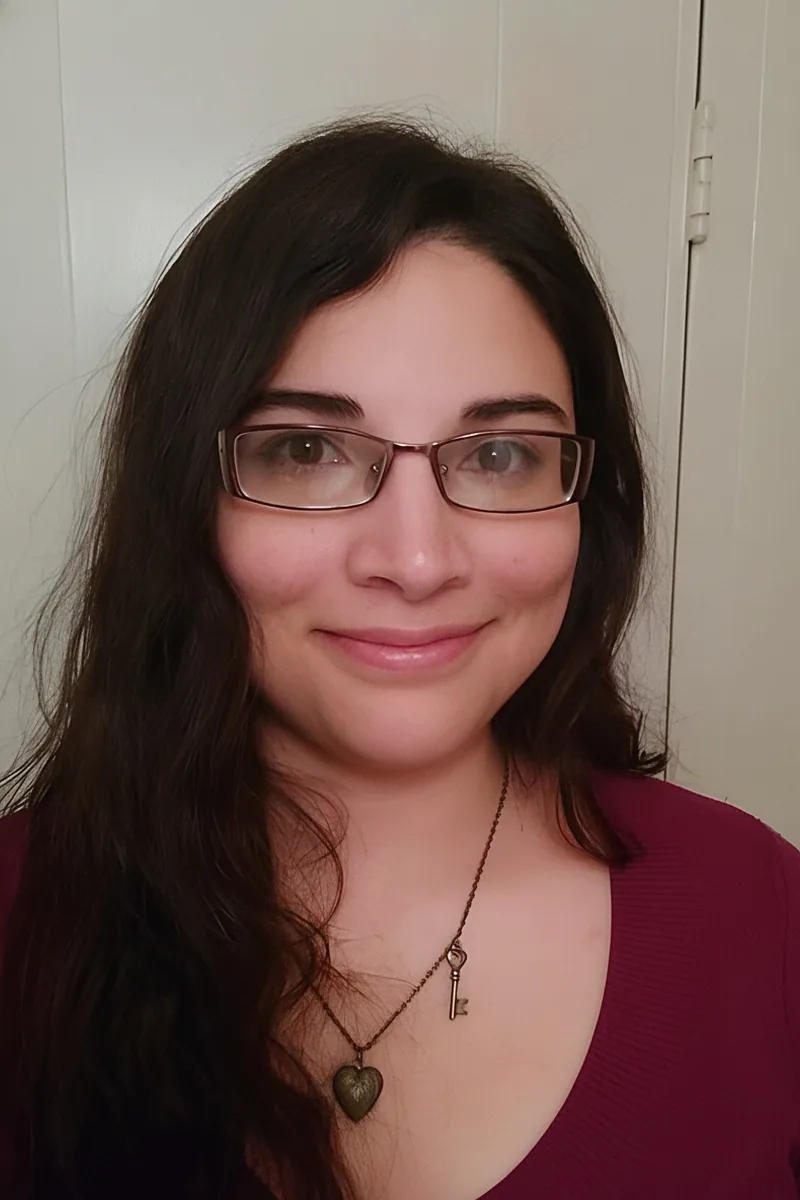
Tashina earned her PhD in Psychological and Brain Sciences, so the AP Psych curriculum — from operant conditioning to the intricacies of the DSM — is territory she's navigated at the research level, not just the introductory one. Her statistics expertise is particularly useful for the research methods unit, where she breaks down experimental design, p-values, and confounding variables with the fluency of someone who runs studies rather than just reads about them. She also brings sharp writing instincts to the free-response section, coaching students to define terms with precision and apply them cleanly to scenario prompts.
Studying medicine at Georgetown meant June lived the material in AP Psychology — neurotransmitter pathways, brain anatomy, classical and operant conditioning, and the biological underpinnings of behavior are concepts she uses daily. She breaks down each unit by linking psychological theory to real clinical examples, making abstract ideas like Piaget's stages or the DSM-5 criteria far more concrete.
AP Psychology rewards students who can link theory to experimental evidence, and Ben's human biology background means he can ground concepts like neurotransmitter function, conditioning paradigms, and developmental stages in real science. He breaks down the free-response section by teaching students to define terms precisely and apply them to novel scenarios — the skill that separates 4s from 5s.
Neuroscience coursework and PA training mean Julia knows the biological bases of behavior unit from the inside — she can trace a neurotransmitter pathway or explain hemispheric lateralization with the fluency of someone who studied these systems for her degree, not just for a single AP unit. That science depth also sharpens her approach to sensation-perception and states of consciousness, where she ties textbook definitions back to the underlying neural mechanisms so they stick beyond exam day. Rated 5.0 by students.
Todd's Master of Social Work gives him direct clinical exposure to concepts that dominate AP Psychology's abnormal psychology and social psychology units — diagnostic frameworks, group dynamics, cognitive-behavioral models — all material he's applied in practice, not just studied in a textbook. His biology undergraduate degree also means the biological bases of behavior unit, from neurotransmitter pathways to brain structure, clicks naturally rather than feeling like a detour from the social science content. Rated 5.0 by students.
Political science trains you to analyze how people form beliefs, respond to authority, and behave in groups — which overlaps directly with AP Psychology's social psychology and cognition units, where concepts like obedience, conformity, and groupthink show up on nearly every exam. Linnea pairs that analytical background with strong writing and editing skills, coaching students to construct the kind of precise, term-rich free-response answers that separate 4s from 5s.
Nicole's chemistry background gives her a tangible way to teach the biological bases of behavior unit — she explains neurotransmitter pathways and synaptic signaling with the precision of someone who studied those molecules, not just their psychological effects. Her English literature training then kicks in for the free-response section, where she coaches students to construct tight, definition-rich answers that don't waste words. Rated 5.0 by students.
Lauren's education degree means she's studied learning theory and developmental psychology from the teaching side — Piaget's stages, Vygotsky's scaffolding, Erikson's identity crises — which gives her a practitioner's fluency with concepts that make up a significant chunk of the AP Psych exam. She also teaches study skills alongside psychology, so she builds vocabulary-retention strategies directly into her sessions for the units where sheer terminology volume tends to overwhelm students.
Brian's economics training at Caltech — heavy on behavioral models, decision theory, and statistical reasoning — gives him a quantitative angle on AP Psychology that's especially useful in the research methods unit and anywhere the exam tests concepts like heuristics, framing effects, or rational choice. His 1580 SAT also means he's sharp on the reading-and-argument skills that drive free-response scoring, where students need to define terms cleanly and apply them to unfamiliar scenarios under time pressure.
Having earned both a psychology degree and a Doctor of Medicine, Sydny has studied the AP Psych curriculum from two distinct angles — the theoretical frameworks in units like developmental and abnormal psychology, and the biological underpinnings of behavior that her medical training made tangible. She breaks down the interplay between neurotransmitters, brain structures, and clinical diagnoses with the specificity of someone who carried those concepts from a psych lecture hall into anatomy labs and clinical rotations.
Linguistics at Yale trains you to analyze how language shapes thought, perception, and social interaction — concepts that map directly onto AP Psychology units like cognition, memory, and social psychology, where understanding how people process and communicate information is half the battle. William brings that analytical lens to the free-response section too, where his writing background and 5.0 rating reflect how well he coaches students to define terms with precision and build scenario-based answers that earn full credit.
Engineering students at Carnegie Mellon don't typically study psychology — but Ryan's coursework in human factors and systems design required him to learn how people perceive, process, and respond to information, which maps directly onto AP Psychology units like cognition, sensation-perception, and memory. He brings an analytical, pattern-based approach to the exam's terminology-heavy content that works especially well for students who think more like scientists than social scientists. Rated 4.8 by students.
A biology master's student researching evolution and bioanthropology, Alex brings a lens to AP Psychology that's rooted in how organisms actually develop and behave — making units like biological bases of behavior and developmental psychology feel like natural extensions of what he already studies. His dual English and Theater training at Bowdoin also sharpens the free-response side, where crafting precise, well-structured answers under time pressure is essentially a writing and performance exercise. Rated 4.8 by students.
Medical school at the Medical College of Georgia means Vraj has studied the brain and behavior far beyond the AP Psych syllabus — he brings real depth to the biological bases of behavior unit, but his pre-med biology training also sharpens how he teaches sensation-perception, states of consciousness, and the pharmacology behind psychoactive drugs. Where he especially adds value is bridging the science-heavy units with the clinical concepts in abnormal psychology, since diagnostic thinking is something he practices daily, not just something he reads about in a review book. Rated 4.9 by students.
I am a sophomore at Duke University with a strong academic background and a passion for helping students build both confidence and mastery in challenging subjects. Having recently completed AP coursework myself, I understand not only the content but also the strategies needed to succeed under time pressure, particularly on exams and free-response questions. My approach to tutoring is highly structured but adaptable. I focus on breaking down complex concepts into clear, manageable steps while reinforcing patterns that help students recognize how to approach different types of questions. I also emphasize active learningworking through problems together, identifying mistakes, and developing efficient study methods that students can apply independently. In addition to content review, I help students improve test-taking skills, including time management, question interpretation, and organization of written responses. I aim to create a supportive environment where students feel comfortable asking questions and engaging with the material at a deeper level. I am reliable, responsive, and committed to meeting students where they are, whether they need ongoing support or targeted help before an exam. My goal is not only to improve grades but to help students feel more confident and capable in their academic work.
Testimonials
Because the right AP Psychology tutor makes all the difference.
Average Session Rating – Based on 3.4M Learner Ratings
Practice AP Psychology
Free practice tests, flashcards, and AI tutoring for AP Psychology
Nearby AP Psychology Tutors
Other Portland Tutors
Related Social Sciences Tutors in Portland
Frequently Asked Questions
The AP Psychology exam tests your understanding of core psychological concepts across eight units: scientific foundations, biopsychology, sensation and perception, learning, cognition, motivation and emotion, personality, testing and individual differences, abnormal psychology, and treatment of abnormal behavior. The exam consists of 100 multiple-choice questions (90 minutes) and a free-response section with two essays (50 minutes). Success requires not just memorizing definitions, but understanding how psychological principles apply to real-world situations.
Score improvement depends on your starting point and study consistency. Students who work with tutors typically see gains of 1-3 points on the 1-5 scale, with the most significant improvements coming from targeted practice on weak units and learning test-taking strategies specific to AP Psychology's question formats. The key is identifying which concepts you're struggling with—whether it's distinguishing between similar theories, applying research methods, or managing time across the two-part exam—and addressing those gaps systematically.
Many students struggle with three main areas: (1) distinguishing between similar theories and psychologists—there are dozens of names and concepts that sound alike; (2) understanding research methods and statistics, which appear frequently in multiple-choice questions; and (3) applying psychological concepts to novel scenarios on the free-response section rather than just recalling definitions. Time management is also critical, as you need to pace yourself through 100 questions in 90 minutes while still thinking carefully about each answer.
Effective strategies include: reading questions carefully before looking at answer choices to avoid trap answers, eliminating obviously wrong options to improve your odds on uncertain questions, and flagging questions to return to if time permits. For the free-response section, budget about 7-8 minutes per essay and outline your answer before writing to ensure you address all parts of the question. Practice tests are essential—they help you identify which question types trip you up and let you refine your pacing before test day.
Varsity Tutors connects you with expert tutors who tailor their approach to your needs. Your tutor will likely start by assessing which units and question types challenge you most, then focus sessions on those areas through a mix of concept review, practice questions, and full-length exam simulations. Whether you're preparing months in advance or cramming in the final weeks, personalized 1-on-1 instruction allows your tutor to adjust the pace and depth based on your progress and learning style.
Most students benefit from 3-4 months of consistent preparation, though this varies based on your psychology background and starting knowledge. A solid plan includes: reviewing each unit's key concepts, taking practice questions unit-by-unit to reinforce learning, completing full-length practice exams to build stamina and identify weak spots, and dedicating final weeks to targeted review of your problem areas. Working with a tutor helps you stay on track and adjust your study plan if you're falling behind in certain units.
Test anxiety often stems from uncertainty about the material or unfamiliarity with the exam format. Building confidence comes from repeated exposure to practice questions and full-length exams in realistic conditions—this reduces surprises on test day. Working with a tutor also helps you feel more confident because you're getting personalized feedback on your thinking process, not just your answers. Many students find that mastering the specific question formats and having a solid test-taking strategy significantly reduces anxiety.
While AP Psychology curriculum is standardized across the country, tutors familiar with Portland-area schools understand the teaching styles and emphasis of local instructors, which can help you align your tutoring with what you're learning in class. Varsity Tutors connects Portland students with tutors who can provide personalized 1-on-1 instruction tailored to your school's pacing and your individual learning needs, ensuring you're prepared for the May exam regardless of which Portland school district you attend.
Let’s find your perfect tutor
Answer a few quick questions. We’ll recommend the right plan and match you with a top 5% tutor.