Award-Winning Elementary School Reading Tutors
serving Portland, OR
Elementary School Reading
Tutors in Portland
Private 1-on-1 tutoring, weekly live classes for academic support, test prep & enrichment, practice tests and diagnostics, and more to elevate grades and test scores.
Based on 3.4M Learner Ratings
UniversitiesSchools & Universities
DeliveredHours Delivered
ProficiencyGrowth in Proficiency
Who needs tutoring?
No obligation. Takes ~1 minute.
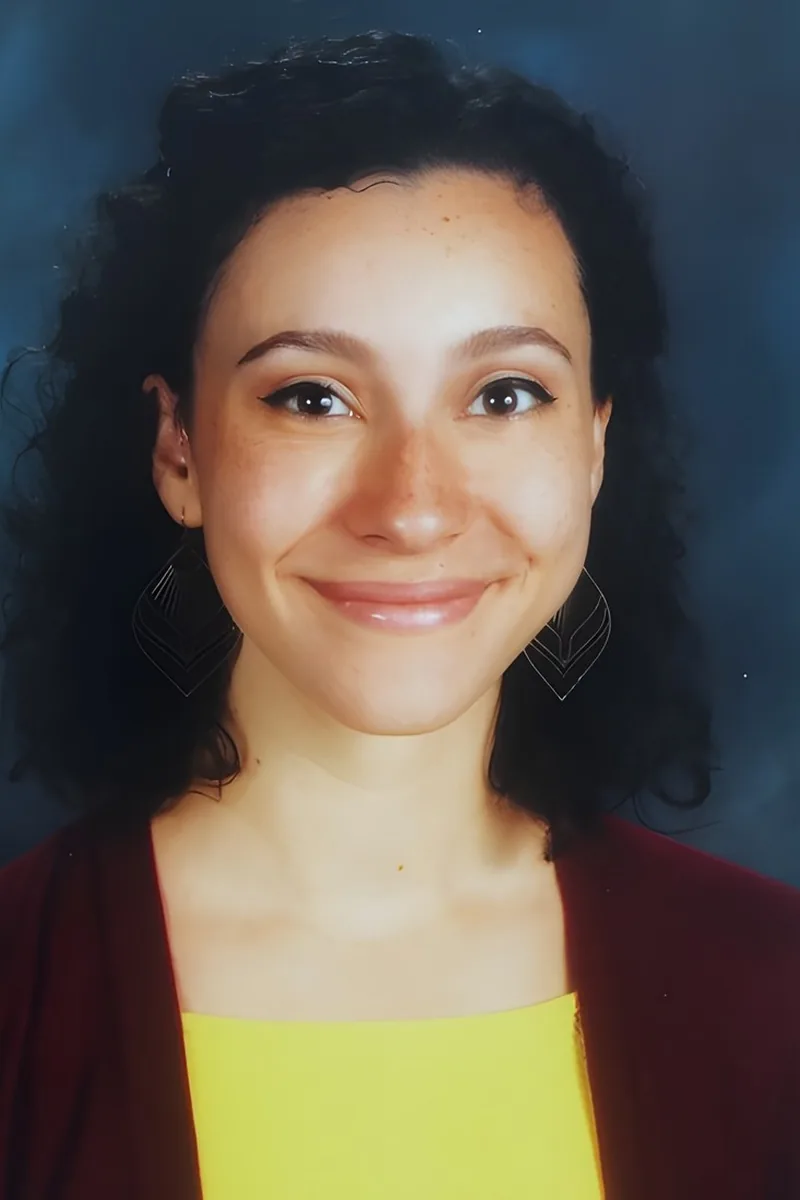
A Bachelor's in Children's and Adolescent Literature is essentially a deep dive into how young readers make meaning from text. Sophia applies that knowledge to teach phonemic awareness, sight word fluency, and early comprehension strategies tailored to each child's reading level. She picks books that match a student's interests to build momentum and confidence simultaneously.
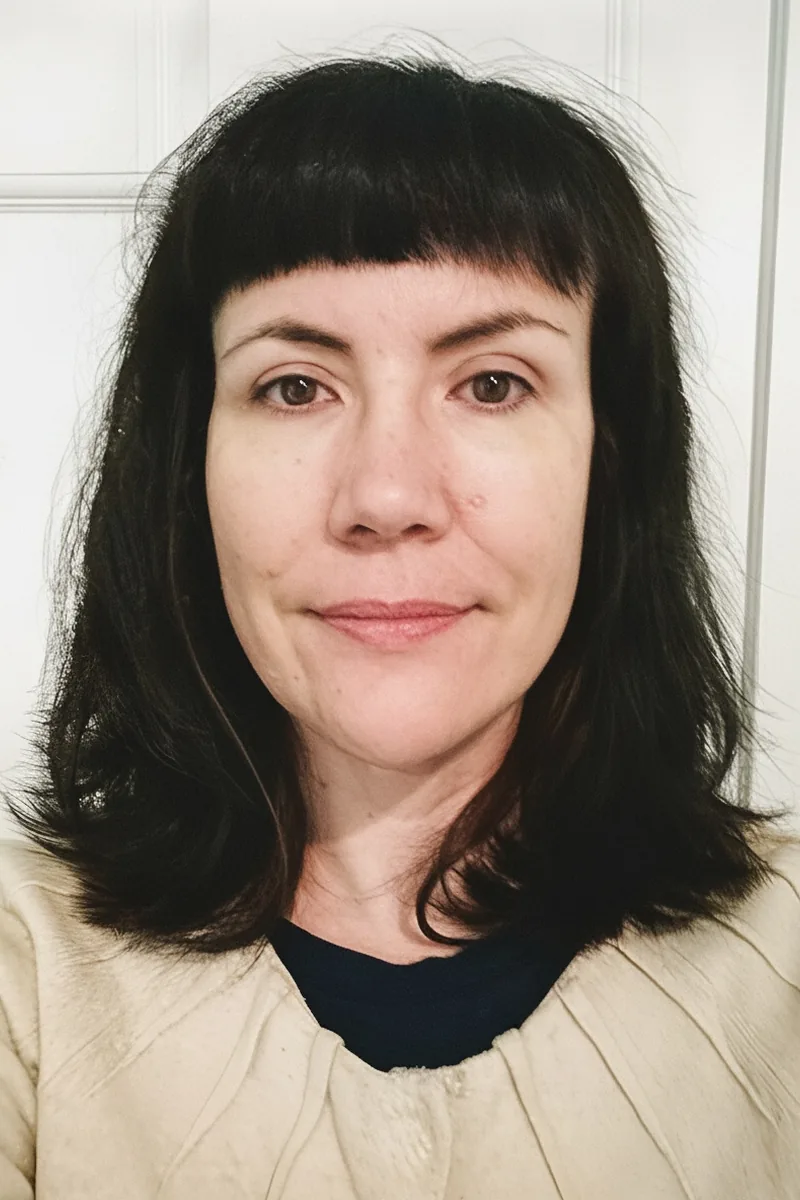
Before a child can love reading, they need to feel confident doing it. Robin teaches decoding strategies, sight-word recognition, and early comprehension skills like predicting and retelling, drawing on her English background to choose texts that match each student's reading level and interests.
Early reading involves a tangle of skills happening at once: decoding unfamiliar words, building fluency, and actually understanding what a passage means. Beth's Master's in Education from Stanford prepared her to identify exactly where a young reader is getting stuck — whether it's phonics patterns, sight word recognition, or making predictions about a story. She keeps sessions structured but playful, so reading starts to feel like something kids choose to do.
Early readers need someone who can make a story come alive while quietly building skills like vocabulary recognition, sequencing, and making predictions about what happens next. Aaron pairs his Literature background with a knack for breaking concepts down step by step, turning read-alouds and guided reading into moments where comprehension clicks. He's rated 4.8 by families and keeps sessions fun enough that kids actually look forward to reading time.
Reading fluency at the elementary level isn't just about decoding words — it's about building the listening comprehension and vocabulary that let a child actually follow a story. Meghana tutored elementary students in both reading and listening comprehension at Yale, and she connects phonics and sight-word practice to the bigger goal of understanding what's on the page.
Early reading success comes down to building fluency and comprehension together, not treating them as separate skills. June works on phonics patterns, sight word recognition, and simple story retelling in ways that keep young readers curious rather than frustrated. Her patient, step-by-step approach — honed through years of tutoring elementary students — earns her a consistent 5.0 rating from families.
As an occupational therapist, Emily understands the cognitive and developmental milestones behind early reading — phonemic awareness, decoding, and reading fluency aren't just skills to drill but capacities that develop differently in every child. She adapts her approach to each young reader's pace, building confidence with strategies rooted in how children actually learn.
Learning to read is really learning a dozen skills at once — sight words, decoding, fluency, and comprehension all developing in tandem. Esme's approach starts with a quick informal assessment to pinpoint which of those skills needs the most attention, then builds each session around targeted practice rather than generic grade-level worksheets.
Early reading clicks when a child connects phonics and vocabulary to stories they actually care about. Skyler's background spans multiple languages and literatures, giving her a sharp sense of how decoding, fluency, and comprehension build on each other. She makes reading practice feel less like a chore by matching books and passages to each student's interests.
Early reading is all about building the habits that make harder texts possible later — things like identifying the main idea of a passage, making predictions, and understanding new vocabulary from context clues. Paul keeps sessions interactive and encouraging, so young readers stay engaged rather than frustrated when a text gets challenging.
Learning to read at the elementary level involves juggling phonics, sight words, fluency, and comprehension all at once — and each child's mix of strengths looks different. Yan identifies which piece needs the most attention and builds targeted practice around it, whether that's decoding multisyllabic words or retelling a story's key events in order. Her four years teaching in elementary classrooms gave her a deep toolkit for making reading click.
Early readers need someone patient enough to sit with a tricky word and turn it into a small victory. Agustin breaks phonics patterns and sight words into manageable chunks, building fluency through repetition that feels like a game rather than a chore. His experience across multiple languages gives him an intuitive sense for how young learners process sounds and letter combinations.
Early reading clicks when a child learns to connect sounds, letters, and meaning — not just decode words on a page. Pinelopi uses her psychology background from Duke to tailor phonics, vocabulary, and comprehension strategies to how each young reader actually processes information. Rated 5.0 by students and families.
Young readers build confidence when someone sits with them through the tricky parts — decoding unfamiliar words, making predictions about what happens next, and connecting a story's events to their own experiences. Alice's background as a K-12 math center instructor taught her how to match explanations to a child's level, and she brings that same patience and adaptability to reading comprehension and fluency.
Phonics, sight words, and early chapter books each demand a different kind of support, and Jessy tailors her approach to wherever a young reader currently is in that progression. Her background in both science and the arts means she pulls from a wide range of texts to find what actually sparks a child's curiosity — which is usually what gets reading to click.
Reading at the elementary level is about more than decoding words — it's building the habit of asking questions about what's on the page. Sanjana teaches young readers to identify main ideas, make predictions, and connect stories to their own experiences. She keeps sessions interactive so kids stay engaged rather than passively reading aloud.
Getting a child to love reading early changes everything that comes after. Annabel teaches phonics, sight words, and basic comprehension strategies like predicting and summarizing, turning each reading session into an active conversation about the story rather than a passive exercise.
Andrew's own wide-ranging reading habits — from Mandarin texts to AP-level political analysis — give him a genuine curiosity about language that younger readers pick up on quickly. He teaches elementary students to tackle unfamiliar words by breaking them into smaller parts and to check their own understanding by pausing to summarize what just happened on the page. Rated 4.9 by families he's worked with.
Object-based learning — examining a picture, artifact, or illustration before diving into text — is one of the most effective ways to build reading skills in younger students. Mimi developed this technique through years of museum education work and refined it during her master's program at Harvard. She applies it to phonics, vocabulary, and comprehension so that early readers connect words to meaning, not just sound.
Building real reading confidence at the elementary level means more than just decoding words — it means learning to make predictions, ask questions about characters, and connect stories to personal experience. Vivian teaches these comprehension strategies explicitly, giving young readers tools they can use every time they pick up a book.
Testimonials
Because the right Elementary School Reading tutor makes all the difference.
Average Session Rating – Based on 3.4M Learner Ratings
Nearby Elementary School Reading Tutors
Other Portland Tutors
Related English Tutors in Portland
Frequently Asked Questions
Many elementary readers struggle with phonics and decoding, comprehension of longer texts, and building reading fluency. Students may also have difficulty retaining information from what they read or connecting stories to their own experiences. A tutor can identify exactly where a student is getting stuck and provide targeted strategies to address those specific gaps.
Elementary schools typically assess reading levels using tools like guided reading levels (A-Z), Lexile measures, or running records. You can check with your child's teacher for their current level, or a tutor can conduct an initial assessment to determine where they're reading and what skills need strengthening. This baseline helps create a personalized learning plan tailored to your child's needs.
Personalized 1-on-1 instruction allows tutors to teach comprehension strategies like predicting, summarizing, asking questions, and making connections—skills that help students understand and retain what they read. Tutors can also select texts at the right level and provide immediate feedback, which research shows significantly accelerates learning. Regular practice with guided support builds confidence and deeper understanding.
Reading fluency is the ability to read smoothly and at an appropriate pace, while comprehension is understanding what you've read. Both are essential—a student might read quickly but miss the meaning, or read slowly and struggle to keep up with grade-level expectations. Tutors address both skills, using techniques like repeated reading, expression practice, and think-alouds to build fluency without sacrificing understanding.
The first session focuses on getting to know your child and understanding their reading strengths and challenges. A tutor will likely ask about their reading history, listen to them read, and assess their comprehension and fluency level. This information helps create a customized plan that targets the areas where your child needs the most support.
Yes, tutors working with students in Portland are familiar with the reading standards and approaches used across the city's six school districts. Whether your child's school uses a specific phonics program, guided reading approach, or literature-based curriculum, Varsity Tutors connects you with tutors who understand local expectations and can reinforce what's being taught in the classroom.
Progress depends on the underlying challenge and consistency of practice, but many students show noticeable gains within 4-6 weeks of regular tutoring. With personalized instruction targeting specific gaps, students often build confidence faster than they would in a classroom setting. Tutors track progress closely and adjust strategies as needed to keep momentum going.
Varsity Tutors makes it easy to connect with qualified tutors for students in Portland. Simply tell us about your child's reading level and goals, and we'll match you with a tutor who fits your needs. You can start with a single session to see if it's a good fit, and many families continue with ongoing support to keep reading skills on track.
Let’s find your perfect tutor
Answer a few quick questions. We’ll recommend the right plan and match you with a top 5% tutor.