Award-Winning Computer Science Tutors
serving Oklahoma City, OK
Computer Science
Tutors in Oklahoma City
Private 1-on-1 tutoring, weekly live classes for academic support, test prep & enrichment, practice tests and diagnostics, and more to elevate grades and test scores.
Based on 3.4M Learner Ratings
UniversitiesSchools & Universities
DeliveredHours Delivered
ProficiencyGrowth in Proficiency
Who needs tutoring?
No obligation. Takes ~1 minute.

As a teaching assistant for CS courses at Northwestern, Naythen spent semesters explaining concepts like recursion, data structures, and algorithm efficiency to students encountering them for the first time. That experience taught him where beginners get stuck — confusing iteration with recursion, misunderstanding pointer logic, or freezing when asked to translate pseudocode into working programs. He unpacks each concept step by step and connects it to real coding problems so the theory doesn't stay abstract.
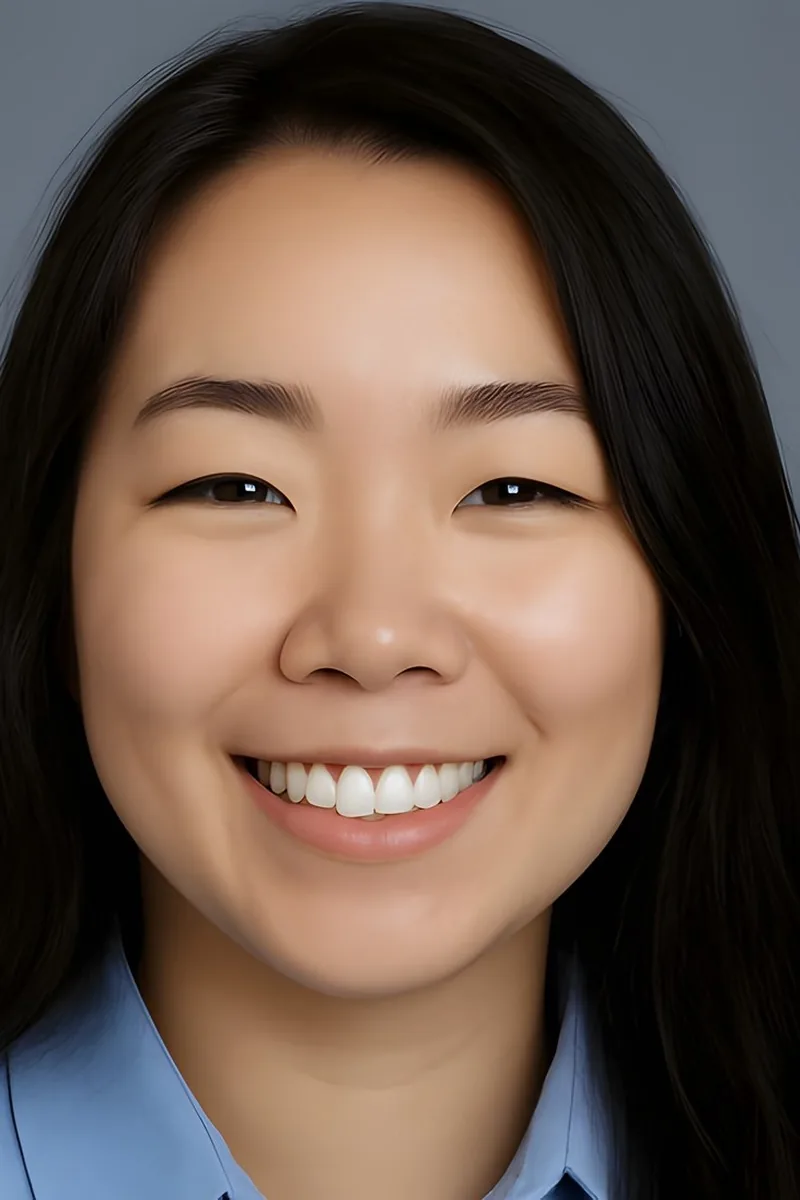
Allison's CS degree from Dartmouth means she's worked through the full arc — from writing first programs to tackling data structures, algorithms, and computational theory. She unpacks abstract concepts like recursion and Big-O analysis by walking through concrete code examples, making the logic visible before the notation takes over.
John transitioned from law into co-founding a software company, which meant teaching himself to think in algorithms, data structures, and system design under real deadlines. He approaches computer science the same way — breaking problems into smaller, solvable pieces before writing a single line of code. That builder's mindset makes debugging and logic design feel less intimidating.
From data structures and algorithms to computational complexity, Victoria covers the core CS concepts that show up in both coursework and technical interviews. Studying computer science and math simultaneously at WashU gave her a knack for explaining the mathematical reasoning behind topics like recursion, sorting efficiency, and graph traversal. She holds a 5.0 rating from students.
Earning a certificate in Statistics and Machine Learning at Princeton gave Julie hands-on experience with core computer science concepts — algorithm design, data structures, and computational complexity. She approaches CS the way she approaches philosophy: by asking students to reason through *why* a solution works, not just whether it compiles.
Studying computer science at MIT, Brice digs into everything from data structures and algorithms to systems-level thinking with students at any stage. He's tutored over 30 students in the past year alone, tackling topics like recursion, object-oriented design, and algorithmic complexity. Rated 4.9 by students.
Ryan is a computer science major at Cornell, which means he's actively working through the same core curriculum — algorithms, data structures, computational complexity — that college CS students encounter. He explains concepts like recursion, Big-O analysis, and graph traversal by tracing through concrete examples rather than relying on abstract definitions. Rated 4.8 across his sessions.
Florence doesn't just study computer science at Duke — she teaches it, having served as a TA for Intro to Databases and Computer Network Architecture while also interning in software development at IBM. That combination of academic depth and industry experience means she can explain everything from relational algebra to TCP/IP networking with concrete, real-world context. Rated 5.0 by students.
Eric treats coding problems the same way he treats logical puzzles — by breaking them apart, finding the pattern, and building a solution step by step. As a CS major at Washington University in St. Louis, he's deep in Java and JavaScript right now, which means he can walk students through everything from writing their first function to structuring a full object-oriented program. His approach emphasizes learning to think through problems algorithmically before jumping to syntax.
A computer science degree paired with coursework in theoretical mathematics gives Lance an unusually strong grasp of the abstractions underneath the code — automata theory, algorithm complexity, data structures, and computational logic. He spent multiple semesters as a TA and independent instructor for CS courses, so he's seen firsthand which concepts trip students up and how to reframe them. Whether the topic is graph traversal or NP-completeness, he breaks it into pieces that actually make sense.
Ritesh's applied physics program at Cornell involves significant programming, from numerical simulations to data analysis, giving him hands-on fluency with core computer science concepts like algorithm design, data structures, and debugging logic. He unpacks topics such as recursion, sorting algorithms, and object-oriented principles by tying them to concrete problems rather than abstract definitions.
I am graduated from Penn State University in Industrial Engineering in 2017. I've tutored ever since I was in high school, and I love helping people! I like to help my students understand math (and other topics) instead of just doing it blindly. My goal is to help my students improve their math (and other topics) and build skills that will help them find learning easier in the future! Fun fact, I used to work for Disney and I like to salsa dance!
Justin's PhD research in computational mathematics meant writing code daily — building simulations, implementing algorithms, and debugging in MATLAB and other languages. He teaches computer science concepts like data structures, recursion, and algorithmic complexity by connecting them to real computational problems rather than treating them as abstract definitions to memorize.
Testimonials
Because the right Computer Science tutor makes all the difference.
Average Session Rating – Based on 3.4M Learner Ratings
Nearby Computer Science Tutors
Other Oklahoma City Tutors
Related Technology and Coding Tutors in Oklahoma City
Frequently Asked Questions
Your first session is all about understanding where you are right now. A tutor will discuss your current programming experience, what you're working on in class, and your specific goals—whether that's mastering a particular language, building projects, or preparing for AP Computer Science. They'll assess your comfort level with concepts like loops, conditionals, and functions, then create a personalized plan to help you move forward.
Debugging is one of the most valuable skills in programming, and tutors help you develop a systematic approach to finding and fixing errors. Rather than just pointing out mistakes, they'll teach you how to read error messages, use debugging tools, and think through your logic step-by-step. This builds your problem-solving skills so you can tackle new errors independently.
Syntax is the specific rules of a programming language—like how to write a loop or declare a variable. Logic is the thinking process behind your code—how to break down a problem and design a solution. Many students struggle because they focus only on syntax without understanding the underlying logic. Tutors help you master both by teaching you to think algorithmically first, then translate that thinking into clean, correct code.
Absolutely. Many students learn best by building real applications, whether that's a web app, game, or data analysis project. Tutors can work with you on your actual projects, help you plan the architecture, review your code for improvements, and guide you through challenges. This practical approach reinforces concepts and gives you a portfolio of work to show your progress.
Varsity Tutors connects you with tutors who specialize in different areas of computer science. Whether you're interested in web development, game development, data science, or cybersecurity, you can work with someone who has expertise in that field. They'll guide you toward the right languages, tools, and projects that align with your interests and goals.
Data structures and algorithms are abstract concepts that trip up many students. Tutors break these down with visual explanations, real-world examples, and hands-on practice. You'll work through how arrays, linked lists, and trees actually work in code, then practice implementing algorithms so the concepts stick. This foundation is essential for both interviews and advanced computer science courses.
Yes. Oklahoma City schools teach computer science at various levels, from introductory courses to AP Computer Science Principles and AP Computer Science A. Tutors can support you with your specific curriculum, help you understand assignments, prepare for tests, and fill in gaps if you're falling behind. With the 16.6:1 student-teacher ratio in Oklahoma City schools, personalized tutoring provides the extra attention that helps concepts click.
Pricing varies based on the tutor's experience level and your specific needs. Most tutors offer flexible scheduling, and you can start with a few sessions to see if the fit is right before committing to a package. Varsity Tutors will help match you with tutors in your budget and discuss pricing options during the connection process.
Let’s find your perfect tutor
Answer a few quick questions. We’ll recommend the right plan and match you with a top 5% tutor.