Award-Winning Biochemistry Tutors
serving Cleveland, OH
Biochemistry
Tutors in Cleveland
Private 1-on-1 tutoring, weekly live classes for academic support, test prep & enrichment, practice tests and diagnostics, and more to elevate grades and test scores.
Based on 3.4M Learner Ratings
UniversitiesSchools & Universities
DeliveredHours Delivered
ProficiencyGrowth in Proficiency
Who needs tutoring?
No obligation. Takes ~1 minute.
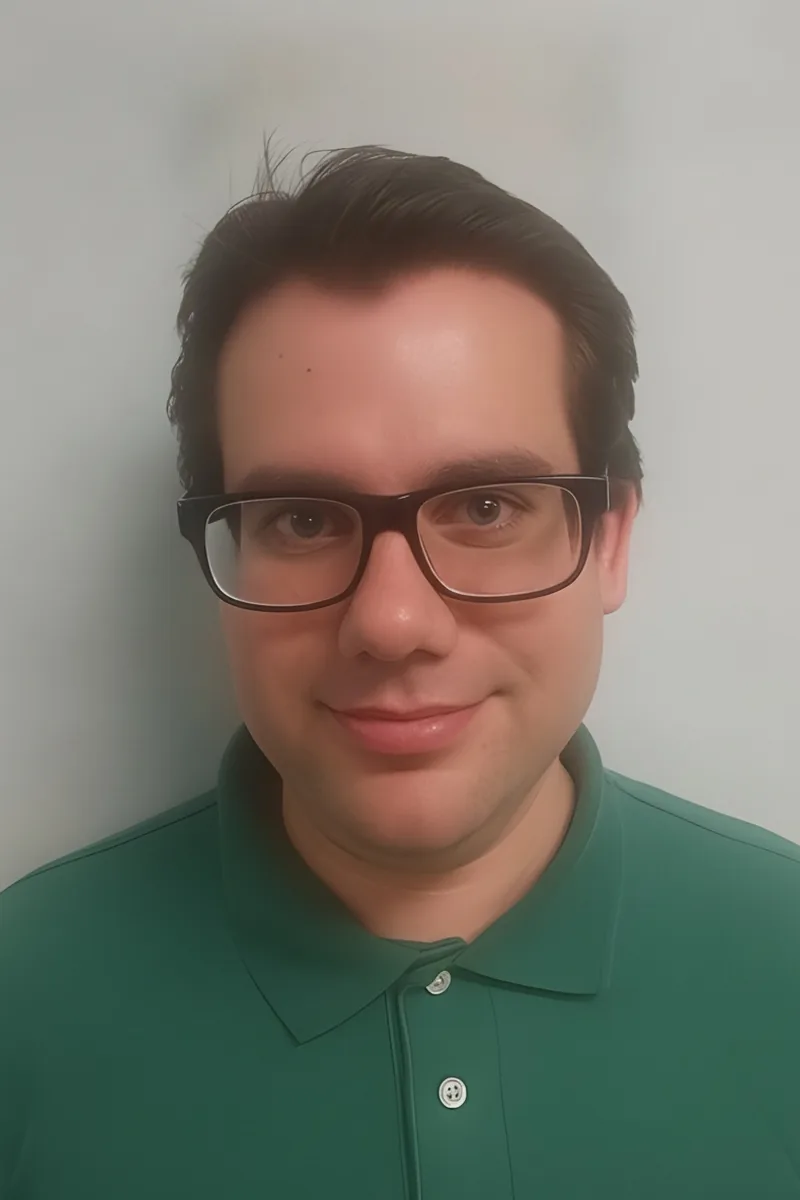
Enzyme kinetics, metabolic pathways, protein structure — biochemistry sits right at the intersection of Alexander's two degrees in biosystems engineering and chemical engineering. He teaches the quantitative side of biochemistry (Michaelis-Menten derivations, Gibbs free energy in biological reactions) with the same rigor he applies to engineering problems, which tends to demystify what students often find overwhelming.
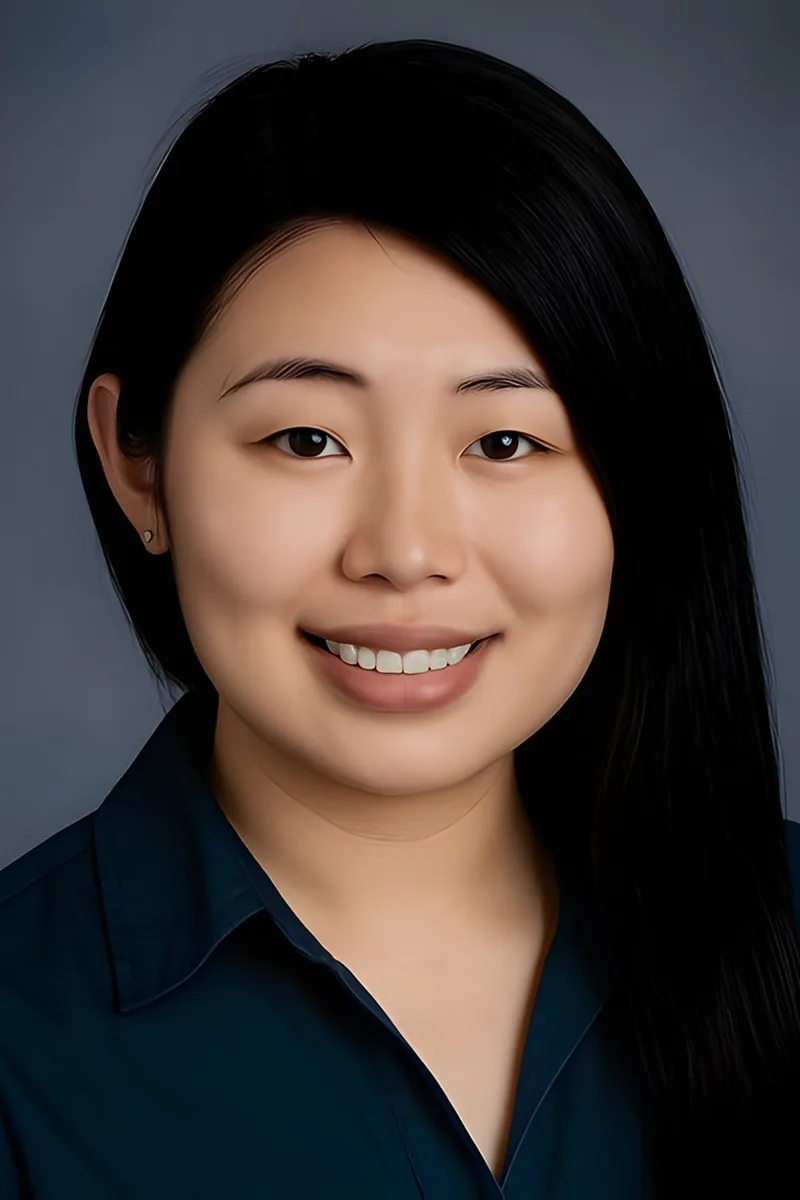
As a biology and economics graduate now working as a research associate before medical school, Sunny lives in the world of biochemistry daily — from enzyme kinetics and metabolic pathways to protein structure and nucleic acid chemistry. He unpacks dense topics like the citric acid cycle or amino acid properties by connecting molecular details to the bigger physiological picture, which is especially useful for students preparing for upper-level coursework or the MCAT.
A year working at the NIH right after completing her biochemistry major at Swarthmore gives Susie a research-grounded perspective on topics like protein structure, signal transduction, and the regulatory logic governing metabolic networks. She tackles dense material by walking through the underlying organic chemistry step by step — so a pathway like fatty acid oxidation becomes a chain of recognizable reactions rather than a wall of arrows. Rated 5.0 by students.
Enzyme kinetics, amino acid chemistry, metabolic regulation — biochemistry demands that students think in multiple dimensions at once. Camille's medical school coursework at Case Western Reserve required mastering these topics at a clinical depth, and she's comfortable teaching everything from Michaelis-Menten plots to the integration of carbohydrate, lipid, and protein metabolism.
Enzyme kinetics, metabolic pathways, protein structure — biochemistry sits at the intersection of chemistry and biology, and Emeric earned his bachelor's degree right at that intersection. He teaches the subject at the high school, AP, and college level, unpacking everything from Michaelis-Menten plots to amino acid side-chain chemistry with the depth that comes from genuine expertise.
I am a current senior at The Ohio State University, and I will receive my Bachelor of Science in Biomedical Engineering on the pre-med track this spring. After graduation, I will be attending medical school, hoping to become a surgical oncologist. As a college student, I've conducted high-level research across biophysics, fertility, and drug discovery, and I have tutored peers in MCAT physics, general chemistry, organic chemistry, biology, biochemistry, and more. I am very passionate about helping others succeed on the MCAT because I know that this test, while incredibly difficult, can be handled by anyone with the drive and dedication to take it on. I have a broad array of MCAT mnemonics, tips, and tricks that helped me succeed and which I hope to provide to others. Further, I love to tutor in the basic sciences outside of the MCAT, as well as calculus, linear algebra, and differential equations. I love to learn, and I hope to take any chance I have to help others learn! In my free time, I enjoy distance running, lifting, reading both nonfiction and fiction, and playing lacrosse.
I am a PhD student at SUNY Downstate Medical Center studying Molecular & Cellular Biology. I graduated from Columbia University with a Bachelor of Arts in Biochemistry. I love to teach, mostly because of the impact of great teachers throughout my academic career. I think learning can be really fun, if teachers think outside the box and really challenge themselves to find novel ways of conveying concepts to students. Tried and true methods are always great in the classroom, but to work one-on-one with students requires a different approach. It's also critical that learning be something students want, not grudgingly sit through, so that their academic success is tied to their ability to understand and engage the material, not to what score they get on an arbitrary test.
Enzyme kinetics, metabolic pathways, and amino acid chemistry all converge in biochemistry, and keeping them straight requires more than flashcards. Kaitlyn tackles these topics daily in medical school, so she teaches Michaelis-Menten plots, glycolysis intermediates, and protein structure with the kind of fluency that comes from constant use rather than distant memory.
Enzyme kinetics, metabolic pathways, amino acid structures — biochemistry asks students to hold an enormous amount of detail in their heads while still thinking mechanistically. Emily's pre-med coursework and global health studies at Cornell gave her a deep familiarity with how biological molecules behave at the chemical level, and she teaches students to see the logic connecting protein structure to function rather than treating each pathway as an isolated list.
Studying cognitive science on a pre-med track at Rice means Natalie lives in the overlap between biology and chemistry every semester — enzyme kinetics, metabolic pathways, and protein structure are part of her daily coursework. She unpacks biochemistry by anchoring molecular details to the bigger biological question they answer, which makes dense material like the citric acid cycle far more digestible.
Northwestern's neuroscience program required Amira to internalize biochemistry from the pre-med side — amino acid properties, metabolic pathway regulation, and the molecular signaling that bridges chemistry and biology. She breaks down dense topics like enzyme kinetics and oxidative metabolism by linking each mechanism back to the physiological system it serves, turning abstract reaction chains into something students can reason through rather than memorize.
Teaching organic chemistry recitation at the University of Kentucky while simultaneously navigating medical school gives Jason an unusually current grasp of biochemistry — he's actively working through the same metabolic regulation, amino acid structures, and enzyme mechanisms his students encounter. His biology degree and MCAT preparation anchor the molecular details, while his med school training shows him how those details play out in living systems. Rated 5.0 by students.
David's neuroscience training at Yale meant wrestling with biochemistry from the nervous system's perspective — neurotransmitter synthesis, ion channel biophysics, and the metabolic demands that make the brain consume a disproportionate share of the body's glucose. Now pursuing a graduate degree in bioethics, he brings that mechanistic grounding to topics like amino acid chemistry and membrane transport, connecting each reaction to the biological system it supports. Holds a 5.0 rating.
Bintou's chemistry degree from Penn covered the organic and physical chemistry backbone that biochemistry builds on — reaction mechanisms, thermodynamics, molecular structure — and her year teaching high school science sharpened her ability to break layered concepts into steps students can actually follow. She approaches topics like enzyme kinetics and metabolic regulation by first making sure the underlying chemistry clicks, then building up to how those reactions behave inside a cell.
Amino acid structures, enzyme kinetics, metabolic pathways — biochemistry demands that students hold molecular details and big-picture logic in their heads at the same time. Paul's biology honors work at Brown required exactly this kind of thinking, and he walks students through reaction mechanisms and pathway regulation with a clarity that makes the material stick.
I am a senior at the University of New Haven working on a B.S. in Forensic Science-Biology with a Pre-Medical designation who hopes to go to medical school in the future. I am most passionate about biology and chemistry but have a strong personal interest in history, especially topics overlooked in the past study of history. To me, learning is a life long process and leads to the development of a well-rounded individual. Seeing understanding of a difficult topic and creating enthusiasm for learning is what draws me to tutoring.
Enzyme kinetics, metabolic pathways, protein structure — biochemistry sits at the intersection of biology and chemistry, and students often struggle because they try to learn each topic in isolation. Phoebe's Master's in Biomedical Sciences gave her deep fluency in exactly these systems, from amino acid chemistry to the regulation of glycolysis and the citric acid cycle. She unpacks each pathway by connecting molecular structure to biological function, which makes the logic stick.
Rohan's economics training might seem distant from biochemistry, but econometrics and metabolic pathway analysis share a core skill — tracing how one variable's change cascades through an interconnected system. He applies that quantitative reasoning to topics like enzyme kinetics and metabolic regulation, breaking down rate equations and feedback loops with the same rigor he brings to economic models. Rated 4.9 by students.
Testimonials
Because the right Biochemistry tutor makes all the difference.
Average Session Rating – Based on 3.4M Learner Ratings
Practice Biochemistry
Free practice tests, flashcards, and AI tutoring for Biochemistry
Other Cleveland Tutors
Related Science Tutors in Cleveland
Frequently Asked Questions
Biochemistry combines chemistry and biology in ways that require understanding both molecular structures and biological systems—making it uniquely challenging. Students often struggle with visualizing abstract concepts like protein folding and enzyme mechanisms, balancing complex chemical equations, and connecting theoretical knowledge to real-world applications in cells. Personalized tutoring helps break down these interconnected concepts into manageable pieces, so you build genuine understanding rather than relying on memorization.
Expert tutors work with you to clarify difficult concepts like metabolic pathways, thermodynamics, and cellular processes—translating abstract ideas into visual, concrete explanations. They also help you develop problem-solving strategies for stoichiometry and equilibrium calculations, practice lab report writing, and strengthen your scientific reasoning skills. With personalized 1-on-1 instruction tailored to your learning style, you'll move beyond memorization to truly understand how biochemical systems work.
Absolutely. Tutors can help you understand the theory behind your lab procedures, interpret experimental results, and develop strong lab reports that demonstrate scientific thinking. They can also guide you through the scientific method, help you troubleshoot experimental design issues, and explain how your lab findings connect to classroom concepts. This support strengthens both your hands-on skills and your ability to communicate scientific findings clearly.
Your first session is about building a partnership. The tutor will assess your current understanding of biochemistry, identify specific areas where you're struggling (whether it's enzyme kinetics, organic chemistry foundations, or metabolic pathways), and learn your learning style. Together, you'll create a personalized plan focused on your goals—whether that's improving your grade, preparing for an exam, or developing deeper conceptual understanding. Most students find this initial conversation clarifies what they need to focus on.
Biochemistry builds on chemistry and biology, so tutors often help students strengthen foundational skills in general chemistry, organic chemistry, and molecular biology if needed. If you're struggling with prerequisite concepts—like chemical bonding, acid-base chemistry, or cell structure—your tutor can address those gaps while also moving forward with biochemistry content. This flexible approach means you're never held back by earlier material you didn't fully grasp.
Tutors help you develop study strategies that go beyond cramming, using techniques like practice problems, concept mapping, and retrieval practice to strengthen long-term retention. They'll work through past exams or practice questions with you, identify patterns in what you're missing, and help you understand not just the answers but the reasoning behind them. This targeted preparation builds both confidence and the deep understanding that translates to better exam performance.
Varsity Tutors connects you with expert tutors who have strong backgrounds in biochemistry and experience helping students master this challenging subject. You can share your specific needs—whether you're in a university biochemistry course, preparing for the MCAT, or working toward a chemistry degree—and get matched with a tutor who fits your goals and schedule. The process is straightforward, and you can start personalized instruction quickly.
Tutoring works best as ongoing support throughout your course, not just before exams. Regular sessions help you build concepts progressively, stay on top of challenging material, and develop strong problem-solving habits from the start. Many students find that consistent tutoring reduces test anxiety, improves their overall grade, and helps them actually enjoy understanding how biochemical systems work—rather than scrambling to memorize everything at the last minute.
Let’s find your perfect tutor
Answer a few quick questions. We’ll recommend the right plan and match you with a top 5% tutor.