Award-Winning Biochemistry Tutors
serving Akron, OH
Biochemistry
Tutors in Akron
Private 1-on-1 tutoring, weekly live classes for academic support, test prep & enrichment, practice tests and diagnostics, and more to elevate grades and test scores.
Based on 3.4M Learner Ratings
UniversitiesSchools & Universities
DeliveredHours Delivered
ProficiencyGrowth in Proficiency
Who needs tutoring?
No obligation. Takes ~1 minute.
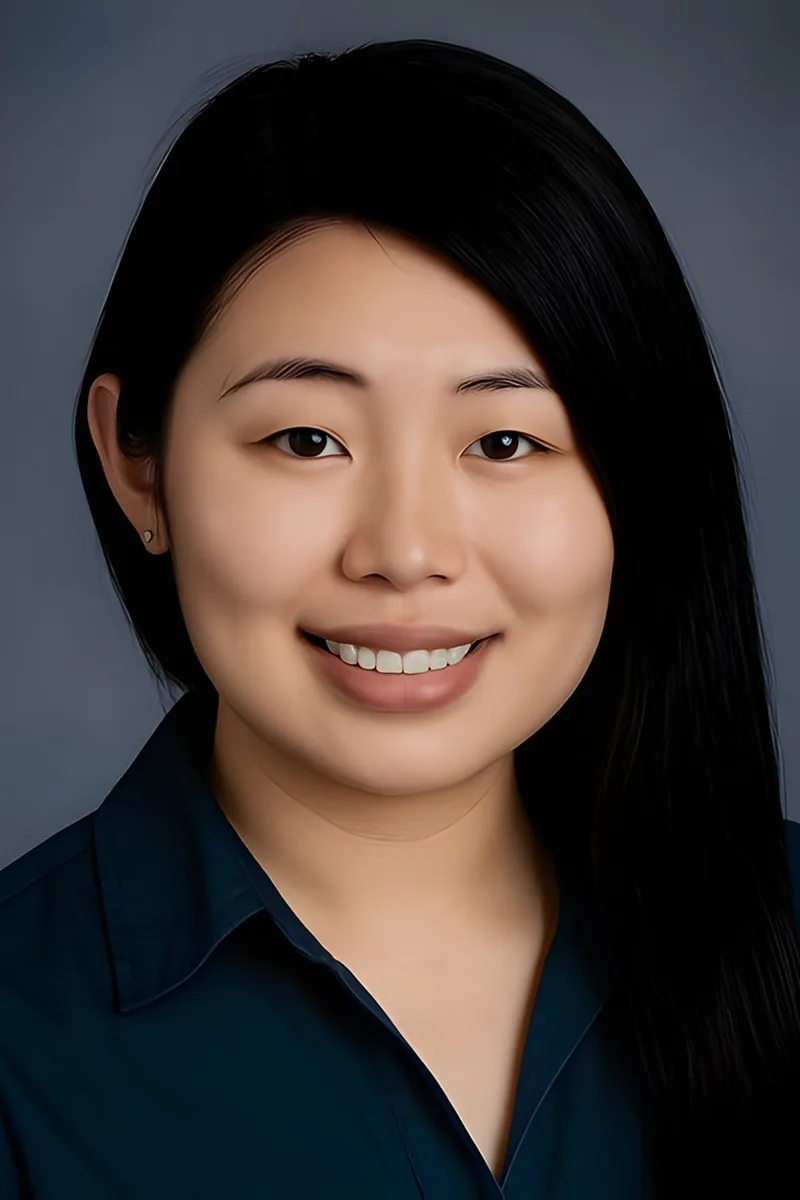
As a biology and economics graduate now working as a research associate before medical school, Sunny lives in the world of biochemistry daily — from enzyme kinetics and metabolic pathways to protein structure and nucleic acid chemistry. He unpacks dense topics like the citric acid cycle or amino acid properties by connecting molecular details to the bigger physiological picture, which is especially useful for students preparing for upper-level coursework or the MCAT.
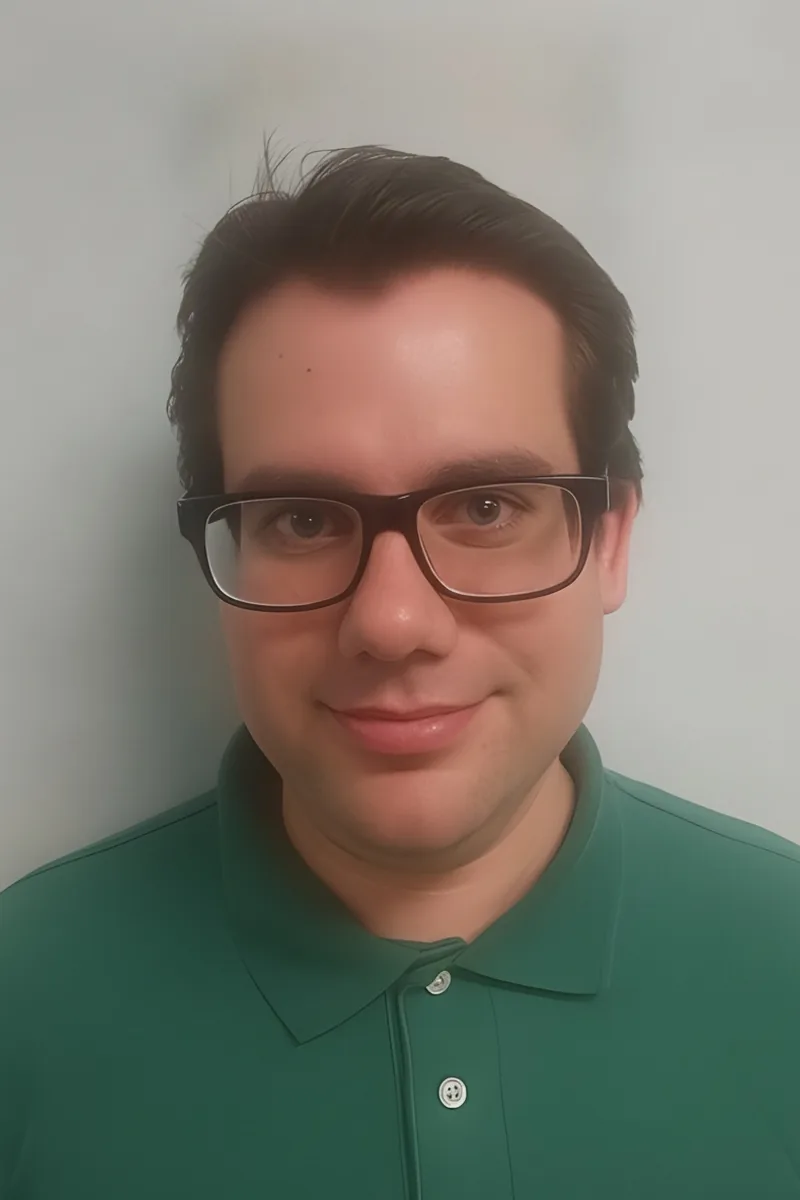
Enzyme kinetics, metabolic pathways, protein structure — biochemistry sits right at the intersection of Alexander's two degrees in biosystems engineering and chemical engineering. He teaches the quantitative side of biochemistry (Michaelis-Menten derivations, Gibbs free energy in biological reactions) with the same rigor he applies to engineering problems, which tends to demystify what students often find overwhelming.
A year working at the NIH right after completing her biochemistry major at Swarthmore gives Susie a research-grounded perspective on topics like protein structure, signal transduction, and the regulatory logic governing metabolic networks. She tackles dense material by walking through the underlying organic chemistry step by step — so a pathway like fatty acid oxidation becomes a chain of recognizable reactions rather than a wall of arrows. Rated 5.0 by students.
Enzyme kinetics, amino acid chemistry, metabolic regulation — biochemistry demands that students think in multiple dimensions at once. Camille's medical school coursework at Case Western Reserve required mastering these topics at a clinical depth, and she's comfortable teaching everything from Michaelis-Menten plots to the integration of carbohydrate, lipid, and protein metabolism.
Enzyme kinetics, metabolic pathways, protein structure — biochemistry sits at the intersection of chemistry and biology, and Emeric earned his bachelor's degree right at that intersection. He teaches the subject at the high school, AP, and college level, unpacking everything from Michaelis-Menten plots to amino acid side-chain chemistry with the depth that comes from genuine expertise.
I am a current senior at The Ohio State University, and I will receive my Bachelor of Science in Biomedical Engineering on the pre-med track this spring. After graduation, I will be attending medical school, hoping to become a surgical oncologist. As a college student, I've conducted high-level research across biophysics, fertility, and drug discovery, and I have tutored peers in MCAT physics, general chemistry, organic chemistry, biology, biochemistry, and more. I am very passionate about helping others succeed on the MCAT because I know that this test, while incredibly difficult, can be handled by anyone with the drive and dedication to take it on. I have a broad array of MCAT mnemonics, tips, and tricks that helped me succeed and which I hope to provide to others. Further, I love to tutor in the basic sciences outside of the MCAT, as well as calculus, linear algebra, and differential equations. I love to learn, and I hope to take any chance I have to help others learn! In my free time, I enjoy distance running, lifting, reading both nonfiction and fiction, and playing lacrosse.
Enzyme kinetics, metabolic pathways, protein structure — biochemistry asks students to think about molecules as dynamic systems, not static diagrams. Tina's engineering background at Cornell and her pre-med preparation mean she can unpack topics like Michaelis-Menten kinetics or amino acid chemistry with both quantitative rigor and biological context.
Hello! I am an Arizona State University graduate with a Bachelors of Science in Biological Science. My academic background is grounded in both technical problem-solving and a deep curiosity about how systems, whether digital or human, function. Outside the classroom, I've had the opportunity to work with students across a range of ages and abilities, from mentoring engineering and premed undergraduates at ASU to tutoring high schoolers in SAT/ACT prep, as well as K-12 students through Teach for America. I am comfortable with a range of subjects and am willing to work to meet your needs. Below are some of courses I have successfully tutored for in the past. K12 Subjects Elementary School (K5) Math (Basic Arithmetic, Word Problems) Reading & Phonics Writing & Grammar Science Social Studies Study & Organization Skills Middle School (68) Pre-Algebra Algebra I General Science (Life, Earth, Physical) English Language Arts (Reading, Writing) U.S. History & World History Intro to Coding / Computer Science High School (912) Algebra I & II Geometry Trigonometry Pre-Calculus Calculus AB/BC Biology (General, Honors) Chemistry (General, Honors) Physics (Conceptual, Algebra-Based) English Literature & Composition Essay Writing & Editing U.S. History & World History Psychology Economics & Government Health / Human Development Ethics / Philosophy Study Skills / Test Prep Standardized Test Prep SAT: Math, Reading, Writing & Language, Essay ACT: Math, Science, English, Reading, Essay PSAT MCAT (Content review & strategy) TOEFL / ESL (Certified ESL experience) AP Subjects AP Biology AP Chemistry AP Physics 1 AP Environmental Science AP Calculus AB AP Statistics AP English Language and Composition AP English Literature and Composition AP Psychology AP U.S. History AP World History AP U.S. Government & Politics AP Human Geography AP Macroeconomics / Microeconomics AP Computer Science Principles AP Seminar / Research College-Level Subjects STEM & Premed General Biology I & II Cell Biology Genetics Human Anatomy & Physiology General Chemistry I & II Organic Chemistry I & II Biochemistry Physics I & II (Algebra-Based) Calculus I & II Statistics (Introductory / Biostats) Humanities & Social Sciences Intro to Psychology Intro to Sociology Scientific Writing & Critical Thinking Medical Ethics Bioethics Philosophy of Science / Biology Research Writing & Academic Essays Business & Economics Intro to Macroeconomics Intro to Microeconomics Principles of Finance Financial Literacy / Budgeting Basics
Enzyme kinetics, metabolic pathways, and protein structure all demand a kind of thinking that sits right at the intersection of biology and chemistry — exactly where Jhonatan's neuroscience training lives. He unpacks topics like Michaelis-Menten kinetics and amino acid chemistry by connecting molecular details to the larger biological question of why a cell needs this reaction in the first place. Rated 5.0 by students.
Earning a BS in Biochemistry from Boston College and then completing a PhD in molecular biology means Monika has spent years immersed in enzyme kinetics, metabolic pathways, and protein structure-function relationships. She tackles tough topics like the citric acid cycle and Michaelis-Menten kinetics by connecting each reaction to its biological purpose, turning rote memorization into logical storytelling.
Medical school required Thomas to internalize biochemistry at a level most undergrads never reach — enzyme kinetics, metabolic regulation, amino acid chemistry, and the signaling cascades that tie them together. He breaks down dense pathways like glycolysis and the citric acid cycle into logical sequences so students can reason through problems instead of relying on rote memorization. Rated 5.0 by students.
Enzyme kinetics, metabolic pathways, protein folding — Connor digs into biochemistry with the depth his biomedical sciences master's from Loyola Chicago demanded. He connects molecular-level details to physiological outcomes, so a student learning about Michaelis-Menten kinetics also understands what it means when a drug is a competitive inhibitor in a clinical context.
UCLA's biological sciences program gave Arshia a solid grounding in the molecular machinery of life — protein structure, metabolic pathways, and the organic chemistry that ties them together. She also tutors MCAT prep across multiple sections, which means she's used to explaining concepts like enzyme kinetics and amino acid properties at the level of detail that college biochemistry courses actually demand. Rated 5.0 by students.
Lab research and patient care gave Sophie a dual perspective on biochemistry — she's traced metabolic pathways at the bench and seen what happens clinically when those pathways break down. Her biological and physical sciences degree means she teaches topics like enzyme mechanisms and pathway regulation by pulling in the organic chemistry and thermodynamics that explain *why* each step occurs, not just what comes next. Rated 4.9 by students.
Enzyme kinetics, metabolic pathways, protein folding — biochemistry sits at the intersection of biology and chemistry, and Natasha lives at exactly that intersection as a chemical and biomolecular engineering graduate student at MIT. She unpacks reaction mechanisms and molecular interactions by encouraging students to talk through each step out loud, turning dense pathway diagrams into narratives that actually stick.
Enzyme kinetics, metabolic pathways, protein structure — biochemistry demands that students hold chemistry and biology in their heads simultaneously, which is exactly what medical school trains you to do daily. Jamie is currently at Sidney Kimmel Medical College and brings firsthand fluency with topics like Michaelis-Menten kinetics, amino acid chemistry, and the regulation of glycolysis and the citric acid cycle. He breaks down dense pathway diagrams into step-by-step logic that actually makes sense.
Enzyme kinetics, metabolic pathways, amino acid chemistry — biochemistry asks students to think like both a biologist and a chemist simultaneously. Ivan's background spanning cognitive science and the biological sciences, plus his MCAT teaching experience, means he can unpack reaction mechanisms and protein structure in ways that connect molecular detail to bigger physiological stories.
Enzyme kinetics, metabolic pathways, protein structure — biochemistry sits at the intersection of biology and chemistry, and most students struggle because they try to memorize it as one or the other. Michael's biomedical engineering background means he approaches biochemistry as an integrated system, linking molecular structure to biological function. He unpacks topics like Michaelis-Menten kinetics and amino acid chemistry by tying them to the physical principles that drive them.
Testimonials
Because the right Biochemistry tutor makes all the difference.
Average Session Rating – Based on 3.4M Learner Ratings
Practice Biochemistry
Free practice tests, flashcards, and AI tutoring for Biochemistry
Other Akron Tutors
Related Science Tutors in Akron
Frequently Asked Questions
Biochemistry combines chemistry and biology at a molecular level, which means students often struggle with visualizing invisible structures like protein folding and enzyme mechanisms. Many students also find it difficult to balance complex chemical equations while understanding the biological significance behind them. Personalized tutoring helps bridge the gap between memorizing pathways (like glycolysis or the citric acid cycle) and truly understanding how these processes work in living cells.
Your first session is about understanding where you are and where you want to go. A tutor will assess your current grasp of foundational chemistry and biology concepts, identify specific topics causing difficulty (whether that's metabolic pathways, protein structure, or kinetics), and create a personalized plan. This might include working through practice problems, clarifying misconceptions, or developing strategies for tackling complex topics—all tailored to your learning style and goals.
Many biochemistry concepts—like how an enzyme's active site works or how ATP stores energy—are hard to grasp without seeing them in action. Tutors use diagrams, molecular models, animations, and real-world analogies to make abstract concepts concrete. They can also guide you through drawing and labeling structures yourself, which strengthens both your understanding and your ability to explain concepts on exams.
Absolutely. Biochemistry labs often feel disconnected from lecture material, but they're where theory becomes real. Tutors can help you understand the 'why' behind lab procedures, predict what should happen based on biochemical principles, and troubleshoot when results don't match expectations. This deepens your scientific reasoning skills and helps you write stronger lab reports that show genuine understanding rather than just following steps.
Memorization alone won't help you apply biochemistry concepts to new problems. Instead of drilling pathways, tutors focus on the 'logic' behind them—why glucose breaks down this way, how energy is captured, and how different pathways connect. You'll learn to trace electrons, understand regulation mechanisms, and see how disruptions lead to disease. This approach builds deeper comprehension and makes exam questions feel manageable rather than overwhelming.
Look for tutors with strong backgrounds in both chemistry and biology, ideally with experience teaching or tutoring biochemistry specifically. They should be able to explain complex concepts clearly, help you develop problem-solving strategies (not just provide answers), and adapt to your learning style. Varsity Tutors connects you with expert tutors for students in Akron who understand both the content and the best ways to help you master it.
Biochemical equations involve balancing atoms and charges while also understanding what's actually happening biologically—a double challenge. Tutors break this down by teaching you systematic approaches to balancing, helping you recognize patterns in common reactions, and connecting each equation to its biological purpose. With practice and clear strategies, equations become tools for understanding rather than obstacles to memorization.
Effective exam prep goes beyond reviewing notes. Tutors help you identify weak areas, practice with exam-style questions, and develop strategies for tackling multi-step problems under time pressure. They also help you understand common wrong answers and misconceptions, so you're not just memorizing facts but building the reasoning skills needed to apply knowledge to new scenarios on test day.
Let’s find your perfect tutor
Answer a few quick questions. We’ll recommend the right plan and match you with a top 5% tutor.