Award-Winning Biochemistry Tutors
serving Dayton, OH
Biochemistry
Tutors in Dayton
Private 1-on-1 tutoring, weekly live classes for academic support, test prep & enrichment, practice tests and diagnostics, and more to elevate grades and test scores.
Based on 3.4M Learner Ratings
UniversitiesSchools & Universities
DeliveredHours Delivered
ProficiencyGrowth in Proficiency
Who needs tutoring?
No obligation. Takes ~1 minute.
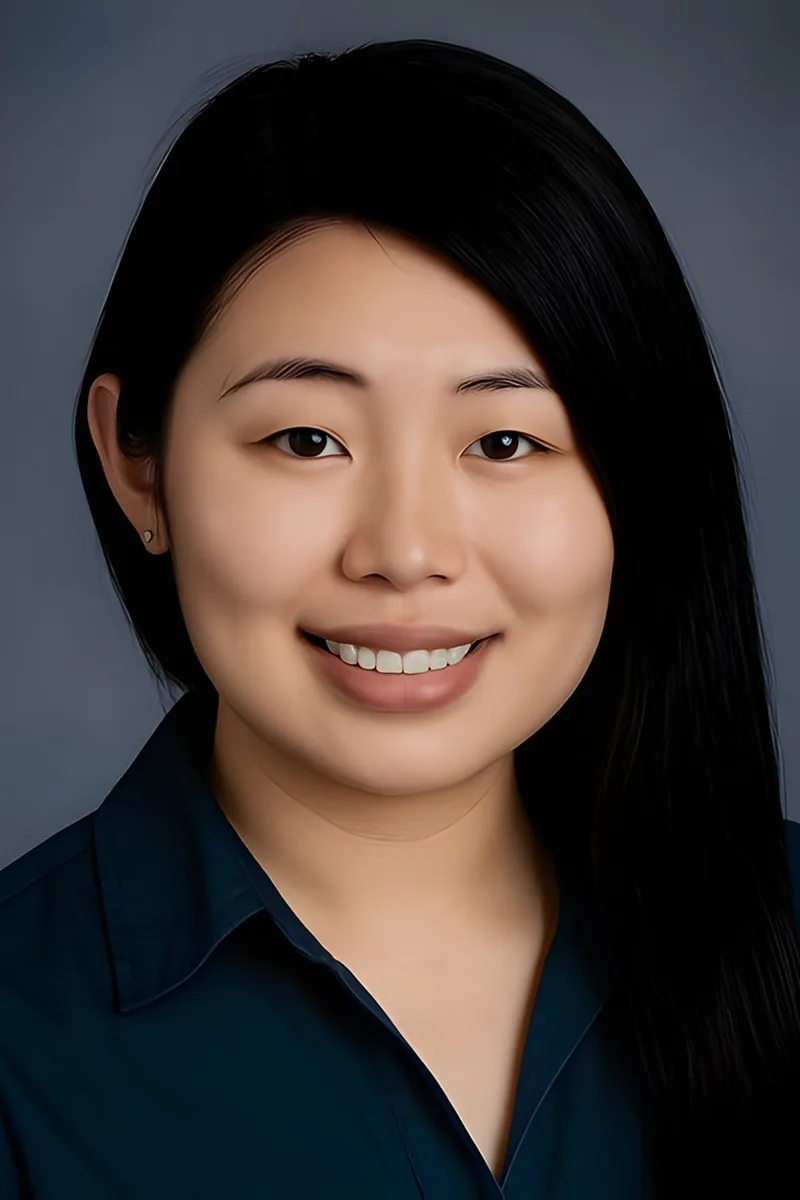
As a biology and economics graduate now working as a research associate before medical school, Sunny lives in the world of biochemistry daily — from enzyme kinetics and metabolic pathways to protein structure and nucleic acid chemistry. He unpacks dense topics like the citric acid cycle or amino acid properties by connecting molecular details to the bigger physiological picture, which is especially useful for students preparing for upper-level coursework or the MCAT.
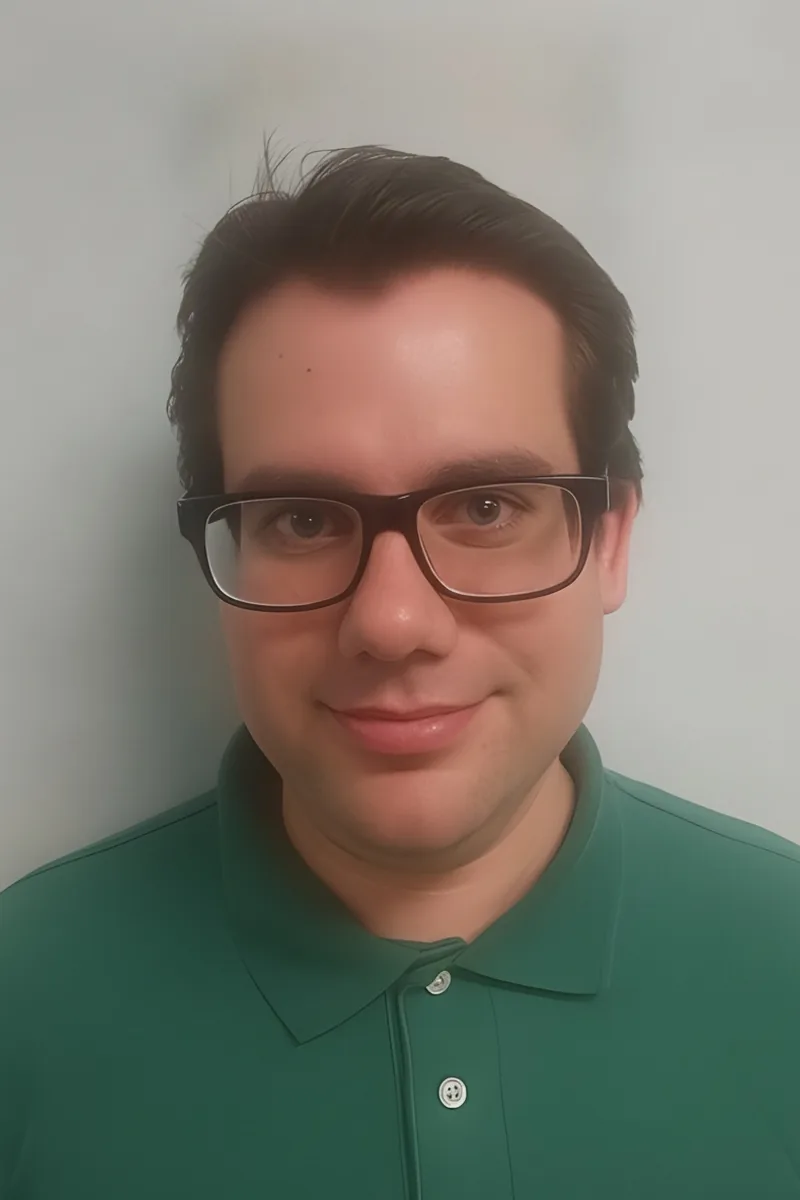
Enzyme kinetics, metabolic pathways, protein structure — biochemistry sits right at the intersection of Alexander's two degrees in biosystems engineering and chemical engineering. He teaches the quantitative side of biochemistry (Michaelis-Menten derivations, Gibbs free energy in biological reactions) with the same rigor he applies to engineering problems, which tends to demystify what students often find overwhelming.
Enzyme kinetics, amino acid chemistry, metabolic regulation — biochemistry demands that students think in multiple dimensions at once. Camille's medical school coursework at Case Western Reserve required mastering these topics at a clinical depth, and she's comfortable teaching everything from Michaelis-Menten plots to the integration of carbohydrate, lipid, and protein metabolism.
A year working at the NIH right after completing her biochemistry major at Swarthmore gives Susie a research-grounded perspective on topics like protein structure, signal transduction, and the regulatory logic governing metabolic networks. She tackles dense material by walking through the underlying organic chemistry step by step — so a pathway like fatty acid oxidation becomes a chain of recognizable reactions rather than a wall of arrows. Rated 5.0 by students.
Enzyme kinetics, metabolic pathways, protein structure — biochemistry sits at the intersection of chemistry and biology, and Emeric earned his bachelor's degree right at that intersection. He teaches the subject at the high school, AP, and college level, unpacking everything from Michaelis-Menten plots to amino acid side-chain chemistry with the depth that comes from genuine expertise.
I am a current senior at The Ohio State University, and I will receive my Bachelor of Science in Biomedical Engineering on the pre-med track this spring. After graduation, I will be attending medical school, hoping to become a surgical oncologist. As a college student, I've conducted high-level research across biophysics, fertility, and drug discovery, and I have tutored peers in MCAT physics, general chemistry, organic chemistry, biology, biochemistry, and more. I am very passionate about helping others succeed on the MCAT because I know that this test, while incredibly difficult, can be handled by anyone with the drive and dedication to take it on. I have a broad array of MCAT mnemonics, tips, and tricks that helped me succeed and which I hope to provide to others. Further, I love to tutor in the basic sciences outside of the MCAT, as well as calculus, linear algebra, and differential equations. I love to learn, and I hope to take any chance I have to help others learn! In my free time, I enjoy distance running, lifting, reading both nonfiction and fiction, and playing lacrosse.
UCLA's biological sciences program gave Arshia a solid grounding in the molecular machinery of life — protein structure, metabolic pathways, and the organic chemistry that ties them together. She also tutors MCAT prep across multiple sections, which means she's used to explaining concepts like enzyme kinetics and amino acid properties at the level of detail that college biochemistry courses actually demand. Rated 5.0 by students.
Enzyme kinetics, metabolic pathways, and protein structure all demand a student who can think across chemistry and biology simultaneously — which is exactly what Aleeza's biology degree and MCAT preparation trained her to do. She unpacks topics like Michaelis-Menten kinetics and amino acid chemistry by tying molecular details to the bigger biological picture. Students studying for upper-level biochemistry exams or the MCAT get someone who recently mastered this material herself.
Four years of medical school means Jordan has cycled through biochemistry multiple times — first mastering it for premed coursework, then again for the MCAT, and again for USMLE Step 1 — each pass deepening his grasp of how pathways like the urea cycle and oxidative phosphorylation connect to clinical medicine. That layered repetition lets him teach metabolic integration the way it actually gets tested: not as isolated reactions, but as interconnected systems where disrupting one enzyme cascades through the whole picture. Rated 5.0 by students.
I am a PhD student at SUNY Downstate Medical Center studying Molecular & Cellular Biology. I graduated from Columbia University with a Bachelor of Arts in Biochemistry. I love to teach, mostly because of the impact of great teachers throughout my academic career. I think learning can be really fun, if teachers think outside the box and really challenge themselves to find novel ways of conveying concepts to students. Tried and true methods are always great in the classroom, but to work one-on-one with students requires a different approach. It's also critical that learning be something students want, not grudgingly sit through, so that their academic success is tied to their ability to understand and engage the material, not to what score they get on an arbitrary test.
Studying cognitive science on a pre-med track at Rice means Natalie lives in the overlap between biology and chemistry every semester — enzyme kinetics, metabolic pathways, and protein structure are part of her daily coursework. She unpacks biochemistry by anchoring molecular details to the bigger biological question they answer, which makes dense material like the citric acid cycle far more digestible.
Enzyme kinetics, metabolic pathways, protein structure — biochemistry asks students to think across chemistry and biology simultaneously, which is exactly what Saniya's neuroscience and chemistry training prepared her for. She unpacks complex topics like Michaelis-Menten kinetics or amino acid properties by linking molecular behavior to biological function, making dense material more intuitive. Her continued coursework in physiology and histology keeps these connections sharp.
Studying biochemistry at Penn as part of a pre-health track, Shayan lives in the world of enzyme kinetics, metabolic pathways, and protein structure daily. He breaks down dense topics like the citric acid cycle or amino acid chemistry using visual analogies and step-by-step logic that make the connections between reactions stick long after the session ends.
Enzyme kinetics, metabolic pathways, protein structure, nucleic acid chemistry — biochemistry demands that students hold molecular detail and big-picture logic in their heads simultaneously. Sugi graduated summa cum laude with a biochemistry degree from Rice and now applies that knowledge daily in medical school at Baylor. She teaches each pathway as a narrative with clear inputs, outputs, and regulatory checkpoints rather than a list to memorize.
Studying organismal physiology at Drexel meant Steven spent serious time with enzyme kinetics, metabolic pathways, and protein structure-function relationships — the core of any biochemistry course. He unpacks topics like the citric acid cycle and amino acid chemistry by tying each reaction back to its biological purpose, which makes the dense material easier to retain.
Enzyme kinetics, metabolic pathways, protein structure — biochemistry asks students to think in three dimensions and across multiple reaction steps simultaneously. Kimanthi's biomedical engineering degree and graduate work in biomedical sciences gave her daily exposure to these concepts in both classroom and lab settings. She breaks down mechanisms like glycolysis and oxidative phosphorylation into logical sequences rather than memorization marathons.
David's neuroscience training at Yale meant wrestling with biochemistry from the nervous system's perspective — neurotransmitter synthesis, ion channel biophysics, and the metabolic demands that make the brain consume a disproportionate share of the body's glucose. Now pursuing a graduate degree in bioethics, he brings that mechanistic grounding to topics like amino acid chemistry and membrane transport, connecting each reaction to the biological system it supports. Holds a 5.0 rating.
As a genetics major on the pre-med track, Jaya lives in the world of biochemistry — amino acid structures, enzyme kinetics, metabolic pathways, and the molecular logic connecting DNA to protein function. She's currently preparing for the MCAT's biological and chemical foundations sections, which means this material is fresh and actively in her working memory. She unpacks complex pathways like glycolysis and the citric acid cycle by emphasizing the *why* behind each step rather than demanding rote memorization.
Testimonials
Because the right Biochemistry tutor makes all the difference.
Average Session Rating – Based on 3.4M Learner Ratings
Practice Biochemistry
Free practice tests, flashcards, and AI tutoring for Biochemistry
Other Dayton Tutors
Related Science Tutors in Dayton
Frequently Asked Questions
Biochemistry requires mastering complex concepts like metabolic pathways, enzyme kinetics, and protein structure—all while understanding how they connect at the molecular level. Many students struggle with visualizing abstract molecules and reactions, balancing chemical equations, and applying theoretical knowledge to real-world biological processes. Personalized tutoring helps break down these interconnected topics into manageable pieces and builds the conceptual foundation needed to see how everything fits together.
Beyond classroom content, Biochemistry labs require understanding the scientific method, proper technique, and how to interpret experimental results. Tutors can help you design experiments, troubleshoot procedures, analyze data, and connect lab observations back to theory. This strengthens both your practical skills and your ability to think like a scientist—critical for success in upper-level courses and beyond.
While Biochemistry involves learning structures and pathways, true mastery comes from understanding the 'why' behind reactions rather than pure memorization. Effective tutoring focuses on building conceptual understanding—knowing how enzymes work, why certain molecules interact, and how metabolic pathways are regulated—so you can apply that knowledge to new problems. This approach makes the material stick longer and helps you perform better on exams and in future science courses.
Your first session is about understanding your current level, identifying specific challenges, and creating a personalized plan. Whether you're struggling with enzyme mechanisms, metabolic pathways, or exam preparation, your tutor will assess what's working and what needs focus. From there, you'll build a customized approach that targets your gaps while reinforcing your strengths.
Unit conversions, molarity calculations, and stoichiometry are foundational skills that trip up many Biochemistry students. Tutors break down the logic behind these calculations, help you practice with real examples, and teach strategies for checking your work. Mastering these skills early removes a major barrier to understanding more complex topics like enzyme kinetics and metabolic rates.
Look for tutors with strong backgrounds in both chemistry and biology, ideally with experience teaching or tutoring at the college level. They should understand current Biochemistry curricula, be able to explain complex concepts clearly, and know how to connect theory to real-world applications. Varsity Tutors connects you with expert tutors who have the subject knowledge and teaching skills to help you succeed.
Dayton's 67 schools and 29 school districts offer various science programs and resources, and many local colleges have excellent science facilities and libraries. Your tutor can help you make the most of these resources while providing personalized guidance tailored to your specific needs. Combining local resources with expert tutoring creates a comprehensive support system for Biochemistry success.
Biochemistry exams require more than last-minute cramming—ideally, start reviewing 2-3 weeks before the test to allow time for spaced repetition and deeper understanding. A tutor can help you create a study plan, identify weak areas early, practice problem-solving under timed conditions, and build confidence. This approach leads to better retention and stronger exam performance than trying to memorize everything at the last minute.
Let’s find your perfect tutor
Answer a few quick questions. We’ll recommend the right plan and match you with a top 5% tutor.