Award-Winning Essay Editing Tutors
serving Cleveland, OH
Essay Editing
Tutors in Cleveland
Private 1-on-1 tutoring, weekly live classes for academic support, test prep & enrichment, practice tests and diagnostics, and more to elevate grades and test scores.
Based on 3.4M Learner Ratings
UniversitiesSchools & Universities
DeliveredHours Delivered
ProficiencyGrowth in Proficiency
Who needs tutoring?
No obligation. Takes ~1 minute.
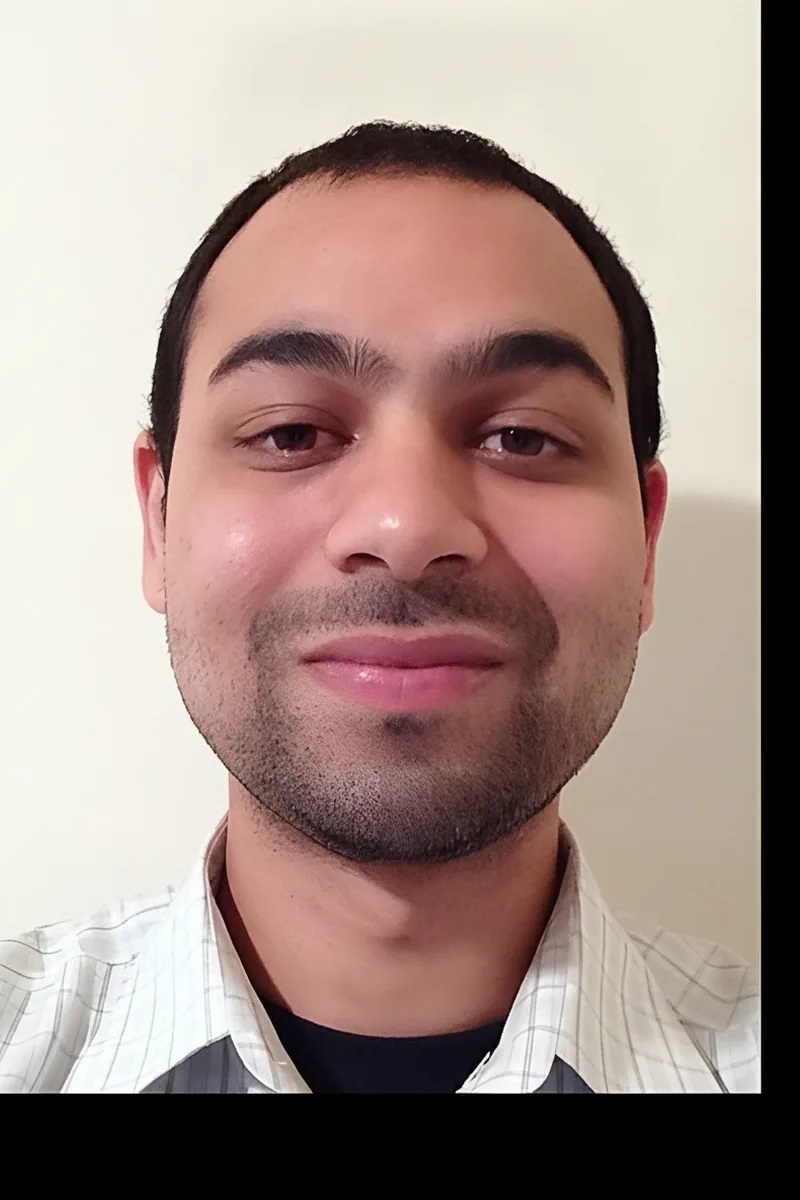
Good essay editing goes beyond catching comma splices — it means restructuring an argument so every paragraph earns its place. Vinay breaks drafts down at the thesis level first, checking whether claims are specific and evidence is well-integrated, before moving to sentence-level clarity and style. His 5.0 rating speaks to how effectively he sharpens student writing without overwriting it.
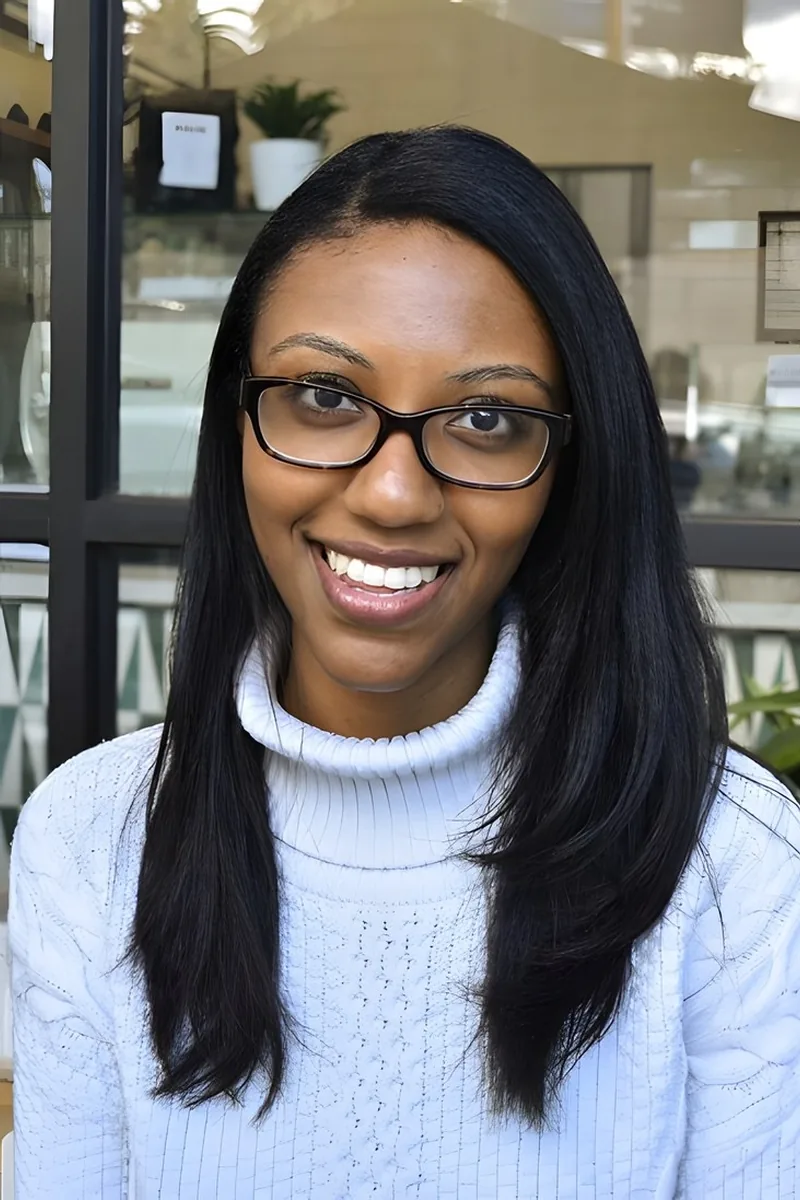
Good essay editing isn't just fixing commas — it's learning to read your own writing critically. Arielle sharpens students' ability to evaluate thesis clarity, paragraph transitions, and argument structure, drawing on the analytical writing skills she built studying history at Yale. Rated 5.0 by students, she's particularly effective at teaching writers how to cut what isn't working and strengthen what is.
Good editing is more than fixing commas — it's restructuring an argument so each paragraph earns its place, tightening sentences that bury the point, and catching the logical gaps a writer can't see in their own work. Amy's journalism minor at Penn trained her to revise ruthlessly for clarity, a skill she applies whether the draft is a research paper or a personal statement.
Editing is more than catching comma splices. Emma zeroes in on thesis clarity, paragraph-level organization, and whether each piece of evidence actually supports the argument it's supposed to. Her tutoring background in thesis development and grammar means she can diagnose both big-picture structural issues and sentence-level problems in a single pass.
Editing someone else's essay is one skill; learning to edit your own is a completely different challenge. Emma breaks the revision process into layers — first structural issues like argument flow and paragraph transitions, then sentence-level clarity, then grammar and word choice — so students develop a repeatable system. Her experience writing both scientific research papers and humanities essays at Duke means she can adapt her feedback to any discipline.
Editing an essay isn't just fixing commas; it's rethinking whether each paragraph earns its place in the argument. Julie approaches revision as a structural exercise first, examining thesis clarity and logical flow before tightening sentence-level grammar and style. Her philosophy training makes her especially sharp at spotting gaps in reasoning that weaken otherwise polished writing.
Good editing is more than catching comma splices — it's rethinking whether a paragraph earns its place in the argument. Rosalyn breaks the revision process into layers: first structure and logic, then clarity at the sentence level, then grammar and mechanics. Students come away not just with a polished draft but with a repeatable editing method they can use on their own.
I'm entering my senior year at Case Western Reserve University. I'm happy to provide tutoring services for those interested in improving their academic performance or exam preparation. The subjects which I am most proficient include SAT Math, Algebra 1 , Algebra 2, Middle School Math, Pre-Algebra, Pre-Calculus, and Trigonometry.
Good essay editing goes beyond correcting commas — it means tightening arguments, cutting redundancy, and making sure each paragraph earns its place. Dr approaches revision structurally, teaching students to evaluate their own thesis clarity, paragraph transitions, and evidence integration so they become stronger self-editors over time.
A polished essay isn't just one with fewer typos — it's one where every paragraph earns its place. Sunay edits by teaching students to evaluate their own argument structure, tighten transitions, and cut filler, skills he sharpened writing research and professional documents at Emory and during internships in finance. He's particularly effective with college application essays and AP English papers.
Ruth's editing process starts at the argument level — making sure a thesis actually says something specific and that each paragraph earns its place — before zooming into sentence-level clarity and grammar. She's particularly attentive to transitions, which are often the difference between an essay that reads as a list of points and one that builds a cohesive case. Students leave sessions with concrete revision plans, not just vague suggestions.
Strong essay editing goes beyond catching comma splices — it means evaluating whether each paragraph earns its place and whether the argument actually lands. Alexander applies the rigorous revision process he developed writing a doctoral dissertation, paying close attention to thesis clarity, paragraph-level logic, and the kind of precise word choices that elevate student writing.
Running his own website design business taught Brian that clear, persuasive writing matters well beyond English class. He applies that practical lens to essay editing, zeroing in on thesis clarity, argument structure, and transitions that actually move a reader from one idea to the next. Rated 5.0 by students.
Good editing goes beyond catching comma splices — it means evaluating whether each paragraph earns its place and whether the argument actually lands. Amos approaches essay editing as a collaborative conversation, walking writers through structural revisions before fine-tuning sentence-level clarity. His experience with college application and academic writing means he knows what polished prose looks like across genres.
Editing an essay isn't just about fixing commas — it's about tightening the argument and making every sentence earn its place. Karen reads drafts with an engineer's eye for structure, identifying where logic gaps or unclear transitions weaken the overall piece. She then walks students through revisions so they learn to spot those issues on their own next time.
A sharp thesis statement means nothing if the argument unravels in paragraph two — Lauren zeroes in on structural problems like weak transitions, unsupported claims, and muddled topic sentences that undermine otherwise solid drafts. As an English Literature honors student, she edits with an eye for both clarity and voice, so the final product still sounds like the writer. Rated 4.8 by students.
Good essay editing isn't just catching comma splices — it's restructuring a paragraph so the argument actually builds, or cutting a wordy sentence down to its sharpest version. Timothy edits with an eye for both mechanics and logic, walking students through each revision so they internalize the principles behind the changes. Rated 5.0 by students.
Good editing is more than catching typos; it's learning to see your own argument the way a reader would. Beth digs into structure first — whether a thesis actually controls the paper, whether evidence lands where it should, whether transitions do real work — before moving to sentence-level clarity and style. She treats each draft as a conversation about what the writer is really trying to say.
I am a seasoned educator with over 14 years of teaching experience. I currently am a middle school principal but have taught grades 3-college. I am no stranger to Common Core and can help students master material with tried and true strategies!
Most students know their essay needs work but can't pinpoint why it feels off. Brittany digs into the architecture of a draft — argument flow, paragraph transitions, sentence-level clarity — and explains each revision so the writer understands the principle behind it, not just the fix. Her education background means she tailors feedback to the student's level, whether it's a high school research paper or a graduate school application.
Good essay editing goes beyond fixing commas — it means examining whether each paragraph actually earns its place in the argument. Anna reads drafts with an eye for structural problems first, like weak thesis statements or paragraphs that drift from their topic sentences, before tightening grammar and word choice at the sentence level.
A strong essay isn't just about what you say — it's about how tightly every sentence supports the argument. Anish approaches editing by zeroing in on thesis clarity, paragraph transitions, and redundant phrasing, reshaping drafts so each section earns its place. His background writing across economics, physics, and the humanities means he can adapt to virtually any essay topic.
Good editing isn't just catching comma splices — it's recognizing when an argument loses its thread or when a paragraph is doing two jobs at once. Christopher tackles essay editing at the structural level first, making sure the thesis, evidence, and transitions actually hold together before tightening sentence-level grammar and style. His experience with college essays and ACT Writing gives him a sharp eye for both academic and persuasive prose.
Editing isn't just catching comma splices — it's figuring out why a paragraph feels off even when the grammar is technically fine. Elena spends her day job developing curriculum and writing professionally, so she can diagnose structural problems, unclear arguments, and tone mismatches quickly. She walks students through each revision so they internalize the reasoning behind every change.
Good editing isn't just catching comma splices — it's recognizing where an argument loses its reader or where a paragraph buries its own point. Lauren reads drafts the way an admissions officer or professor would, flagging structural weaknesses and unclear claims before polishing at the sentence level. Her 5.0 rating speaks to how much students value that kind of honest, detailed feedback.
A strong draft becomes a polished piece when someone can identify where the argument drifts, where transitions fail, and where a sentence tries to do too much. Emily's editing approach tackles structure first — thesis clarity, paragraph cohesion, evidence integration — before moving to sentence-level revision. Her own writing background across scientific and humanities disciplines gives her range across essay types.
Rahul treats essay editing as a structural problem: identifying where an argument loses momentum, where evidence doesn't connect to a claim, and where transitions break down. His Magna Cum Laude work at Cornell required writing across disciplines, and he applies that same precision to tightening thesis statements, reorganizing paragraphs, and cutting unnecessary filler.
Christine treats essay editing as more than fixing commas — she reads for argument first, checking whether each paragraph earns its place and whether transitions actually connect ideas. Her experience proofreading college application essays and academic papers means she catches the structural problems that spellcheck never will. She's rated 5.0 by the students she's worked with.
A strong essay often needs a second set of eyes that can spot where arguments lose momentum or where transitions feel abrupt. Sarah zeroes in on structural issues — paragraph flow, thesis clarity, evidence integration — and teaches students to self-edit with the same precision. Rated 5.0 by students, she brings both her writing background and her science training to sharpen analytical and narrative essays alike.
Good editing isn't just catching comma splices — it's restructuring an argument so each paragraph earns its place. Nathan walks through essays at both the sentence level and the structural level, showing students how to tighten thesis statements, cut filler, and make transitions do real intellectual work.
Editing an essay isn't just fixing commas — it's figuring out whether each paragraph earns its place in the argument. Christian's experience writing across disciplines at Vanderbilt, from engineering reports to admissions communications, means he can spot structural weaknesses, tighten thesis statements, and sharpen transitions without flattening a student's original voice.
Editing an essay well requires seeing two things at once: the sentence-level mechanics and the larger argument holding everything together. Yusef sharpened this skill through his own graduate research at Cambridge and the Yale Law application process, and he teaches students to diagnose issues in thesis clarity, paragraph transitions, and evidence integration before polishing grammar and style.
Good essay editing isn't just fixing commas — it's restructuring a paragraph so the argument actually lands, cutting the sentence that sounds smart but says nothing, and making sure every claim connects back to evidence. Priya approaches revision systematically: first the thesis and overall architecture, then paragraph-level logic, then sentence-level clarity and grammar. Her experience writing across disciplines at Vanderbilt — analytical proofs and political theory papers alike — gives her a sharp eye for what makes prose persuasive.
Good editing isn't just catching comma splices — it's learning to hear the rhythm of your own sentences and spot where the argument loses the reader. Benjamin honed this skill across two demanding disciplines at Vanderbilt, writing neuroscience lab reports and Russian literary analyses that required very different kinds of precision. He walks students through structural revision first, then line-level polish, so the final draft is both clearer and more compelling.
Good editing goes beyond catching typos — it means evaluating whether each paragraph earns its place and whether transitions actually move an argument forward. Peter treats essay editing as a journalism-style revision process: tightening prose, eliminating redundancy, and restructuring sections so the strongest evidence lands where it matters most.
Years of writing lab reports and graduate-level research papers trained Amy to revise with precision — cutting filler, strengthening thesis statements, and tightening paragraph transitions. She applies that same editorial rigor to student essays, whether it's a college application personal statement or a literary analysis draft that needs sharper argumentation.
Engineering writing demands precision — every word in a technical report or proposal must earn its place. Dillon applies that same discipline to essay editing, teaching students how to tighten thesis statements, eliminate redundancy, and restructure paragraphs so each one advances a single clear argument. His experience writing graduate-level research papers and coaching students through college essays gives him a sharp eye for both big-picture organization and sentence-level clarity.
Editing isn't about fixing commas — it's about seeing whether the argument on the page actually matches the argument in the writer's head. Jera started developing that diagnostic eye as an undergraduate writing tutor at Kent State and has since refined it through years of working with academic writing in a law school setting. She walks through drafts at the structural level first, then tightens prose, transitions, and citations.
Good editing goes beyond fixing commas — it's about tightening arguments, cutting filler, and making sure every paragraph earns its place. Cynthia reads drafts with an eye for structure first and mechanics second, asking whether each section actually advances the writer's point. Her 5.0 student rating speaks to how well that feedback translates into stronger final drafts.
Editing an essay well requires seeing both the architecture and the sentence-level details at the same time. Michael approaches revision the way he approaches debugging code: first checking whether the argument's overall structure holds, then tightening transitions, trimming redundancy, and sharpening word choice until every paragraph earns its place.
Testimonials
Because the right Essay Editing tutor makes all the difference.
Average Session Rating – Based on 3.4M Learner Ratings
Other Cleveland Tutors
Related English Tutors in Cleveland
Frequently Asked Questions
Essay editing tutoring focuses on refining your writing across all stages—from developing a strong thesis and organizing your arguments to polishing grammar, style, and voice. Tutors help you understand the principles of effective writing so you can apply them independently, whether you're working on persuasive essays, literary analysis, research papers, or college application essays.
You'll work with a tutor who reviews your draft and provides personalized feedback on structure, argumentation, clarity, and mechanics. Rather than simply correcting errors, tutors help you understand why certain changes strengthen your writing and guide you through revision strategies. This collaborative approach builds your editing skills so you become a more independent writer over time.
Students often struggle with organizing ideas into a cohesive argument, developing a compelling thesis, or getting stuck during the writing process. Tutors help you overcome writer's block through brainstorming techniques, teach you how to structure paragraphs for maximum impact, and show you how to support claims with evidence. Many students also benefit from guidance on citation formats like MLA and APA, as well as developing a stronger personal writing voice.
Bring a draft you're working on—whether it's an outline, rough draft, or nearly-finished essay. If you don't have a current assignment, you can bring a previous essay or discuss what you're struggling with most. Your tutor will assess your writing, understand your goals, and create a personalized plan to address your specific needs, whether that's strengthening arguments, improving organization, or refining your writing style.
Yes, absolutely. Tutors help you develop strong analytical claims about texts, support interpretations with specific evidence from the work, and organize your analysis into a compelling argument. They guide you through close reading techniques and show you how to move beyond summary to genuine analysis—a skill that strengthens all your academic writing.
No—while grammar matters, essay editing tutoring goes much deeper. Tutors focus on the bigger picture: Does your thesis answer the prompt? Are your ideas organized logically? Do your paragraphs flow smoothly? Is your voice authentic and engaging? Grammar and mechanics are important, but they're just one piece of becoming a strong writer. Personalized tutoring helps you develop all these skills together.
Yes, many students for essay editing in Cleveland work with tutors on college essays. Tutors help you find your authentic voice, develop a compelling narrative, and craft essays that stand out to admissions officers. They provide feedback on drafts while ensuring the essay remains genuinely yours—tutors guide and refine rather than rewrite.
Frequency depends on your needs and timeline. Some students benefit from weekly sessions during the school year to build writing skills gradually, while others connect with tutors for intensive help on a specific essay or assignment. Your tutor will work with you to create a schedule that fits your goals—whether you need ongoing support or targeted help before a deadline.
Let’s find your perfect tutor
Answer a few quick questions. We’ll recommend the right plan and match you with a top 5% tutor.