Award-Winning Biochemistry Tutors
serving Albuquerque, NM
Biochemistry
Tutors in Albuquerque
Private 1-on-1 tutoring, weekly live classes for academic support, test prep & enrichment, practice tests and diagnostics, and more to elevate grades and test scores.
Based on 3.4M Learner Ratings
UniversitiesSchools & Universities
DeliveredHours Delivered
ProficiencyGrowth in Proficiency
Who needs tutoring?
No obligation. Takes ~1 minute.
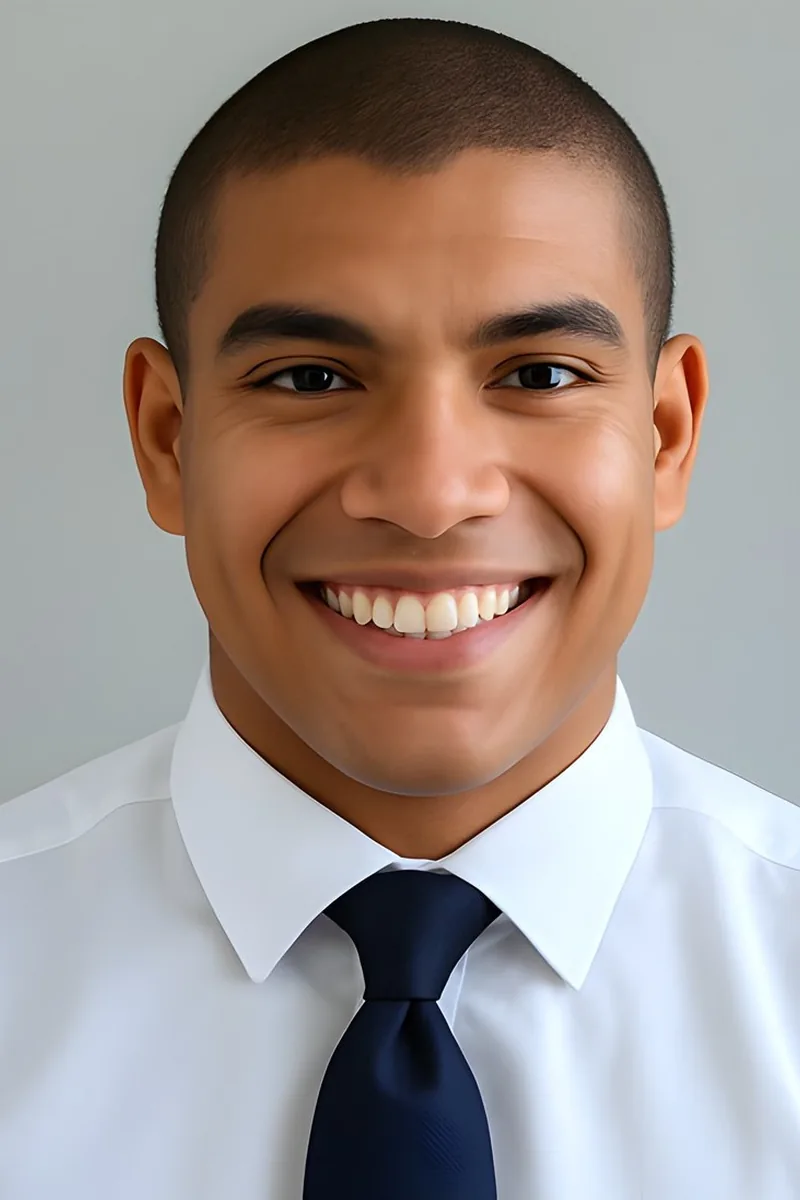
Enzyme kinetics, metabolic pathways, and protein structure all demand a kind of thinking that sits right at the intersection of biology and chemistry — exactly where Jhonatan's neuroscience training lives. He unpacks topics like Michaelis-Menten kinetics and amino acid chemistry by connecting molecular details to the larger biological question of why a cell needs this reaction in the first place. Rated 5.0 by students.
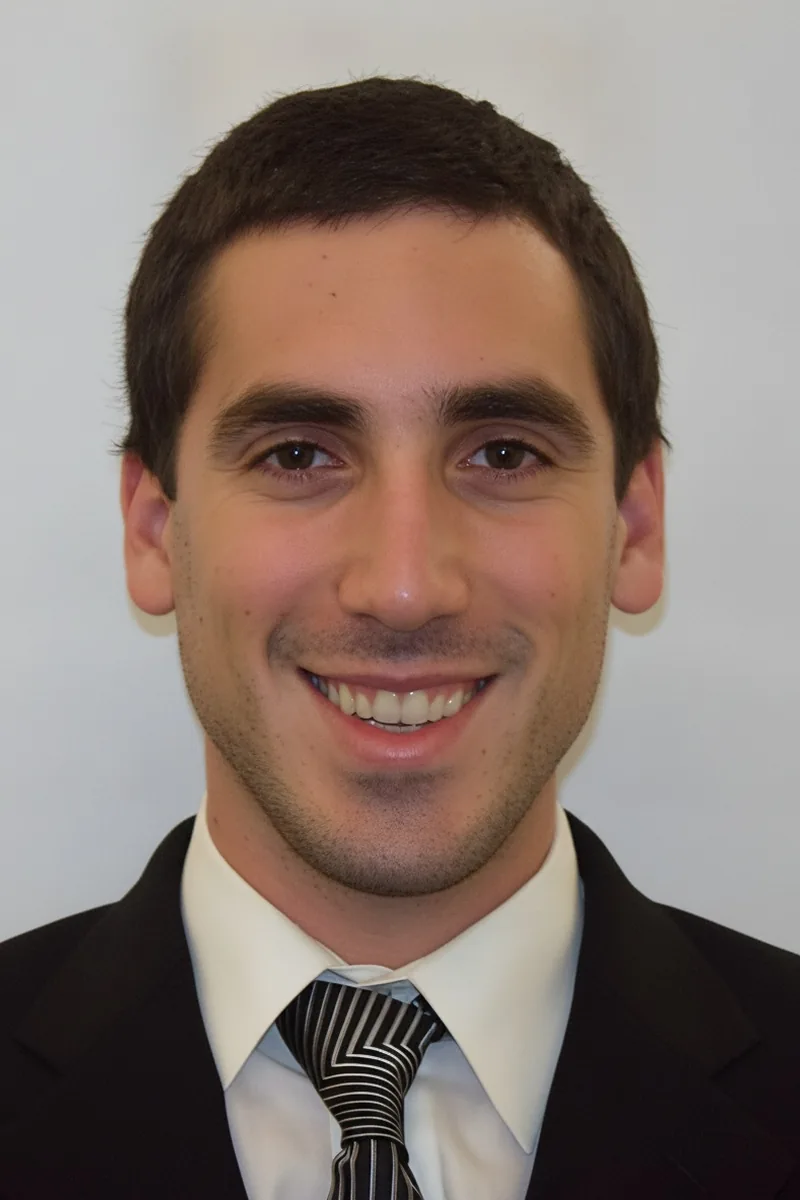
Dental students live in biochemistry — enzyme kinetics, metabolic pathways, amino acid structures — and Josh is right in the middle of that curriculum at Penn. He unpacks topics like glycolysis and protein folding by tying each reaction to a biological consequence, which turns a wall of chemical structures into a story that's far easier to retain.
Matt's graduate work in human nutrition required him to trace every major metabolic pathway from the molecular level up — how macronutrients get broken down, shuttled through the citric acid cycle, and ultimately converted to usable energy. That nutritional biochemistry lens means he teaches topics like lipid metabolism and amino acid catabolism with a constant eye on physiological context, making reaction sequences feel purposeful rather than arbitrary. Holds a 5.0 rating.
Mitchell's neuroscience degree means he learned biochemistry through the brain's lens — tracing how neurotransmitter precursors feed into synthesis pathways, how ATP production keeps neurons firing, and how lipid biochemistry shapes every membrane in the nervous system. That background lets him teach topics like oxidative phosphorylation and amino acid metabolism by connecting each reaction to the cellular machinery that depends on it.
Two years as an Organic Chemistry Laboratory TA at the college level gave Maha the kind of mechanistic fluency that makes biochemistry's toughest material — reaction cascades in metabolic pathways, enzyme active-site chemistry, the logic behind cofactor requirements — click into place rather than blur together. Now a graduate student at Johns Hopkins Bloomberg School of Public Health with a dual background in chemistry and biology, she connects the organic chemistry driving each biochemical transformation to its broader physiological relevance. Rated 5.0 by students.
Zachary earned both his BS in Biology and a master's in Molecular Biology, which means he's traced biochemical pathways from two different altitudes — the broad cellular view and the granular molecular detail. That dual training comes through when he unpacks topics like lipid metabolism or allosteric enzyme regulation, building each concept from its chemical logic so the bigger metabolic map starts to make sense on its own.
Having worked in biochemical laboratories alongside his dual bachelor's degrees — including one in biochemistry — and his architecture studies at Columbia, Andrew brings a rare structural intuition to topics like protein folding and macromolecular assembly. He teaches metabolic pathways by building them up from their organic chemistry foundations, so students see each reaction as a logical next step rather than an isolated arrow on a diagram. Rated 4.9 by students.
Teaching organic chemistry recitation at the University of Kentucky while simultaneously navigating medical school gives Jason an unusually current grasp of biochemistry — he's actively working through the same metabolic regulation, amino acid structures, and enzyme mechanisms his students encounter. His biology degree and MCAT preparation anchor the molecular details, while his med school training shows him how those details play out in living systems. Rated 5.0 by students.
Northwestern's neuroscience program required Amira to internalize biochemistry from the pre-med side — amino acid properties, metabolic pathway regulation, and the molecular signaling that bridges chemistry and biology. She breaks down dense topics like enzyme kinetics and oxidative metabolism by linking each mechanism back to the physiological system it serves, turning abstract reaction chains into something students can reason through rather than memorize.
UCLA's biological sciences program gave Arshia a solid grounding in the molecular machinery of life — protein structure, metabolic pathways, and the organic chemistry that ties them together. She also tutors MCAT prep across multiple sections, which means she's used to explaining concepts like enzyme kinetics and amino acid properties at the level of detail that college biochemistry courses actually demand. Rated 5.0 by students.
Enzyme kinetics, metabolic pathways, amino acid chemistry — biochemistry sits right at the intersection of Alex's Bio-Organic Chemistry training. He teaches students to trace the logic of each pathway, connecting molecular structure to biological function so that something like the citric acid cycle becomes a series of predictable chemical transformations rather than an overwhelming diagram to memorize.
Enzyme kinetics, metabolic pathways, protein folding — biochemistry sits at the intersection of biology and chemistry, and Natasha lives at exactly that intersection as a chemical and biomolecular engineering graduate student at MIT. She unpacks reaction mechanisms and molecular interactions by encouraging students to talk through each step out loud, turning dense pathway diagrams into narratives that actually stick.
Testimonials
Because the right Biochemistry tutor makes all the difference.
Average Session Rating – Based on 3.4M Learner Ratings
Practice Biochemistry
Free practice tests, flashcards, and AI tutoring for Biochemistry
Other Albuquerque Tutors
Related Science Tutors in Albuquerque
Frequently Asked Questions
Biochemistry combines organic chemistry, biology, and physics, making it challenging to see how abstract molecular concepts connect to living systems. Students often struggle with visualizing three-dimensional molecular structures, balancing complex equations, and understanding metabolic pathways without grasping the underlying logic. Personalized tutoring helps break these concepts into manageable pieces, showing how each component fits into the bigger picture rather than treating biochemistry as isolated facts to memorize.
Your first session focuses on understanding your specific challenges—whether that's enzyme kinetics, protein folding, cellular respiration, or exam preparation. A tutor will assess your current knowledge level, identify gaps, and create a personalized plan tailored to your course requirements and learning style. This foundation helps ensure every session after builds on your strengths and addresses the concepts that matter most for your success.
Yes. Tutors help students understand the scientific reasoning behind lab protocols, interpret experimental results, and connect lab observations to biochemical theory. Whether you're preparing for lab practicals, analyzing data, or writing lab reports, personalized instruction clarifies the 'why' behind procedures so you can think critically about your experiments rather than just following steps. This deeper understanding improves both your lab performance and your grasp of the underlying biochemistry.
Biochemistry requires understanding mechanisms and relationships, not just facts. Tutors use visualization techniques, real-world examples, and guided problem-solving to help you see how molecules interact, how energy flows through pathways, and why certain reactions occur. When you understand the logic behind biochemical processes, you retain information longer, apply it more effectively to new problems, and perform better on exams that test reasoning rather than recall.
For students in Albuquerque attending high schools, colleges, or universities across our 31 school districts, Varsity Tutors connects you with expert tutors who understand your specific course requirements and academic goals. Whether you're preparing for AP Biology, college biochemistry, or pre-med coursework, personalized instruction adapts to your pace and learning style, which is especially valuable given the rigorous nature of biochemistry curricula.
Students often benefit most from tutoring on metabolic pathways (glycolysis, citric acid cycle, oxidative phosphorylation), enzyme kinetics and regulation, protein structure and function, and DNA/RNA synthesis. These foundational topics build on each other, so struggling with one makes subsequent topics harder. A tutor helps you master these core concepts early, creating a solid foundation that makes advanced topics more manageable.
Tutors develop targeted exam prep strategies by reviewing past exams, identifying your weak areas, and practicing problem-solving under timed conditions. They teach you how to approach different question types—from mechanism questions to data interpretation—and help you build confidence in your reasoning. Consistent practice with feedback builds both content mastery and test-taking skills, leading to stronger exam performance.
Varsity Tutors connects you with tutors who have expertise in biochemistry and understand your specific needs—whether that's high school biology, college biochemistry, or MCAT prep. You'll work with someone whose teaching style fits your learning preferences and whose availability aligns with your schedule. The goal is a personalized tutoring relationship that helps you build both biochemical knowledge and scientific thinking skills.
Let’s find your perfect tutor
Answer a few quick questions. We’ll recommend the right plan and match you with a top 5% tutor.