Award-Winning Pre-Calculus Tutors
serving Albuquerque, NM
Pre-Calculus
Tutors in Albuquerque
Private 1-on-1 tutoring, weekly live classes for academic support, test prep & enrichment, practice tests and diagnostics, and more to elevate grades and test scores.
Based on 3.4M Learner Ratings
UniversitiesSchools & Universities
DeliveredHours Delivered
ProficiencyGrowth in Proficiency
Who needs tutoring?
No obligation. Takes ~1 minute.
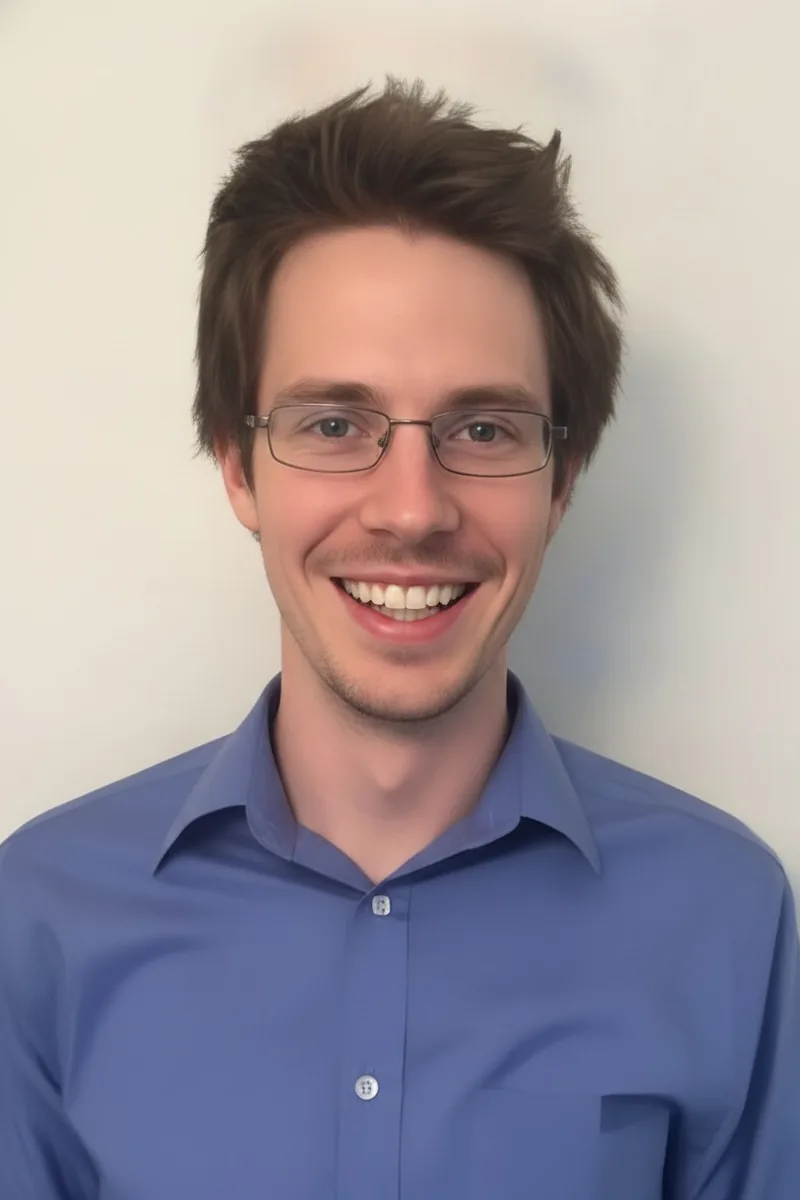
Having taught pre-calculus as college faculty after completing both a bachelor's and master's in mathematics, Craig knows exactly where students stumble on the bridge between algebra and calculus — particularly when polynomial end behavior, rational function asymptotes, and limit intuition start demanding a new way of thinking. He teaches by pulling students into worked examples step by step, building each concept from familiar algebra rather than presenting it cold. Rated 4.9 by students.
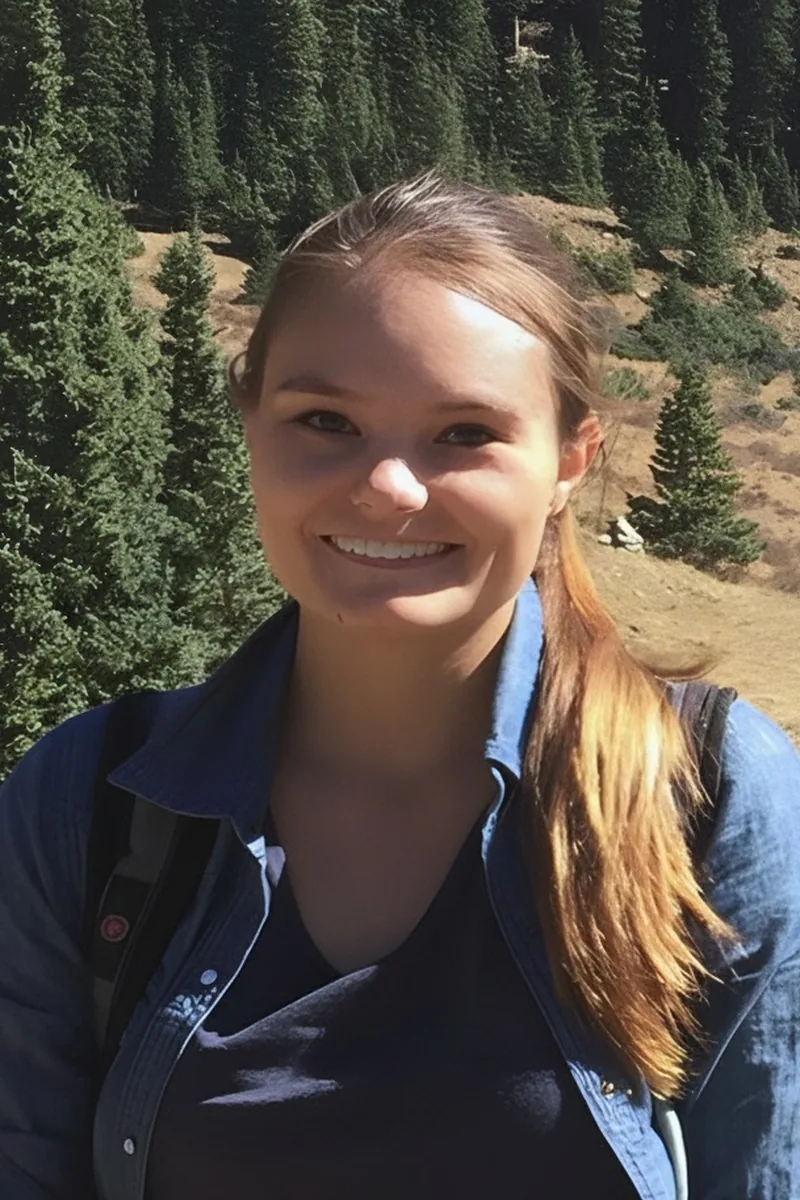
Economics PhD work at UNM keeps Katherine deep in the mathematical machinery that pre-calculus introduces — she builds models with polynomial and exponential functions daily, which means she can explain why a rational function behaves a certain way near an asymptote, not just how to sketch it. Her economics training also makes her especially sharp on sequences, series, and rate-of-change intuition, giving students a genuine head start before calculus. Rated 5.0 by students.
As a statistics major who also teaches everything from pre-algebra through AP Calculus BC, Matthew knows exactly which pre-calculus skills — polynomial end behavior, rational function analysis, trigonometric graphs — will make or break a student's transition into calculus. He zeroes in on the conceptual jumps that trip people up, like moving from memorizing the unit circle to actually reasoning with it. Rated 4.9 by students.
As a physics major at UNM, Jordan constantly translates between trigonometric relationships, vector components, and the functional reasoning that pre-calculus is designed to build — they're prerequisites for nearly every upper-division physics course he takes. He zeroes in on making the unit circle and function transformations intuitive by tying them to physical scenarios like projectile motion and wave behavior, so the math carries meaning instead of feeling like disconnected procedures. Rated 4.7 by students.
As a Course Assistant for Harvard's introductory calculus sequence, Sanjana sees exactly where pre-calculus gaps — shaky grasp of limits intuition, weak trigonometric identities, or incomplete understanding of function transformations — trip students up once the pace accelerates. She teaches those topics with that forward view, building each concept so it holds weight in the calculus course that's coming next. Holds a 5.0 rating and a 1560 SAT.
Differential equations, calculus, and physics all live on Bidyut's teaching roster — which means he knows exactly which pre-calculus skills (and which specific weak spots) will matter most once students move forward. His biomedical engineering training at Johns Hopkins keeps him fluent in the trigonometric, exponential, and composite function reasoning that pre-calc demands, and he teaches those topics by connecting them to the applied problems where sloppy understanding actually costs you. A 36 ACT and 5.0 rating back up the depth he brings.
The jump to pre-calculus is really a jump in abstraction — suddenly students need to think about function behavior, limits of trigonometric identities, and how polynomial end behavior connects to graphing. Manolya studied mathematics and computer science at MIT, so she approaches these topics with both theoretical depth and a knack for making complex relationships visual and concrete.
The jump to pre-calculus trips up a lot of students because it's the first time they need to think about functions as objects — transforming them, composing them, analyzing their behavior. Christine's engineering coursework at Johns Hopkins required fluency with trigonometric identities, polar coordinates, and limits, so she teaches these topics with the confidence of someone who uses them daily.
The jump from algebra to calculus-readiness often stalls at one specific point: understanding how functions actually behave — why a rational expression blows up near an asymptote, how composite functions layer transformations, what makes polynomial end behavior predictable. Samuel tackles that conceptual bridge head-on, drawing on his applied mathematics training at Caltech where these ideas aren't theoretical warm-ups but working tools. His 1550 SAT confirms the quantitative sharpness behind his teaching.
Until age 16, Viktor saw math as mindless formula memorization — then a series of great teachers revealed the deeper logic underneath, and he ended up majoring in mathematics at UChicago. That conversion story shapes how he teaches pre-calculus: he digs into *why* the unit circle works or what a logarithm actually means, so students build real understanding instead of a formula sheet they'll forget by finals. His 1600 SAT and 35 ACT confirm the mathematical fluency behind that approach.
A geography master's degree might seem unrelated to pre-calculus, but Duncan's research at UBC leaned heavily on quantitative spatial analysis — the kind that demands real command of function transformations, logarithmic scaling, and trigonometric relationships. He teaches these topics by building the conceptual bridge between algebra and calculus, making sure students understand *why* a transformation shifts a graph before worrying about memorizing the rules. Rated 5.0 by students.
Doing research in Spectral Graph Theory at MIT means Enrico encounters the full toolkit of pre-calculus — eigenvalue behavior, polynomial roots, matrix transformations — at a level where shaky fundamentals would be immediately exposed. He teaches the course by making definitions click intuitively, so that concepts like composite functions or rational expressions feel like natural extensions of algebra rather than arbitrary new rules. His 36 ACT, 1570 SAT, and 5.0 rating confirm the depth behind that intuition.
An applied mathematics degree from Stanford means Alex didn't just pass through pre-calculus — he built an entire major on top of it, so he knows exactly which concepts in trigonometric reasoning, function transformations, and limit intuition carry the most weight later. He teaches the course as a bridge rather than a checklist, connecting each new idea back to the algebra underneath it and forward to the calculus ahead. His 35 ACT and 4.8 rating reflect a tutor who's still close enough to the material to remember where it gets confusing.
Kevin's competition math background gives him an unusual edge in Pre-Calculus — he's used to attacking problems involving sequences, series, and trigonometric manipulations from angles most textbooks never cover. That depth, combined with a 35 ACT and Stanford CS coursework heavy in mathematical foundations, means he can explain why a parametric equation behaves the way it does, not just how to graph it.
Todd's biology degree from UIUC built the quantitative reasoning that pre-calculus demands — modeling population dynamics with exponential and logarithmic functions, analyzing periodic phenomena with trig, interpreting rate-of-change problems that preview calculus. He draws on that science background to give function families a concrete meaning, so topics like transformations and composite functions feel like tools with a purpose rather than abstract exercises. His 33 ACT and 5.0 rating back that up.
The jump to pre-calculus is where many students first encounter trigonometric identities, polar coordinates, and limits — concepts that feel disconnected from anything they've done before. Eileen bridges that gap by tying each new idea back to familiar algebra and geometry, giving students a clear roadmap into calculus.
Testimonials
Because the right Pre-Calculus tutor makes all the difference.
Average Session Rating – Based on 3.4M Learner Ratings
Practice Pre-Calculus
Free practice tests, flashcards, and AI tutoring for Pre-Calculus
Other Albuquerque Tutors
Related Math Tutors in Albuquerque
Frequently Asked Questions
Pre-Calculus moves from solving equations to understanding the behavior and properties of functions—you'll spend less time computing and more time analyzing patterns, transformations, and connections between different function types. This conceptual jump can feel challenging at first, but personalized tutoring helps students see how trigonometry, exponential functions, and polynomial behavior all connect to calculus concepts.
Students often struggle with trigonometric identities and applications, graphing transformations, and understanding function composition and inverses. Many also find word problems difficult because they require translating real-world scenarios into mathematical models. Tutors can break down these concepts into manageable steps and help you build the foundational understanding that makes advanced topics click.
Expert tutors focus on teaching you not just the answer, but the reasoning behind each step—why you choose a particular strategy, when to apply certain techniques, and how to check your work. This builds your confidence and helps you tackle unfamiliar problems independently, which is essential for Pre-Calculus and beyond.
Absolutely. Math anxiety often stems from gaps in understanding or past negative experiences, not lack of ability. Personalized 1-on-1 instruction lets you learn at your own pace in a supportive environment, ask questions without judgment, and rebuild confidence as concepts start making sense. Many students find that working with a tutor transforms their relationship with math.
Most Pre-Calculus courses cover core topics like functions, trigonometry, and sequences, but the order, depth, and emphasis can vary by textbook and school. Varsity Tutors connects you with tutors who can align instruction with your specific curriculum, whether your school uses a traditional approach or a more applied focus.
Your first session is an assessment and planning meeting. A tutor will discuss your current challenges, review your coursework, and understand your goals—whether that's improving your grade, preparing for AP Calculus, or building stronger conceptual understanding. From there, you'll develop a personalized plan that targets your specific needs.
Pre-Calculus is the foundation for Calculus success. Tutors help you master function behavior, limits (conceptually), and problem-solving strategies that you'll use constantly in Calculus. Strong Pre-Calculus skills mean you can focus on new calculus concepts rather than reviewing algebra or trigonometry during the course.
Varsity Tutors matches you with expert tutors for students in Albuquerque who specialize in Pre-Calculus and understand the local curriculum. You can get started by telling us about your goals and scheduling a first session—no long-term contracts required, and you can work with your tutor on a schedule that fits your needs.
Let’s find your perfect tutor
Answer a few quick questions. We’ll recommend the right plan and match you with a top 5% tutor.