Award-Winning AP English Literature and Composition Tutors
serving Atlantic City, NJ
AP English Literature and Composition
Tutors in Atlantic City
Private 1-on-1 tutoring, weekly live classes for academic support, test prep & enrichment, practice tests and diagnostics, and more to elevate grades and test scores.
Based on 3.4M Learner Ratings
UniversitiesSchools & Universities
DeliveredHours Delivered
ProficiencyGrowth in Proficiency
Who needs tutoring?
No obligation. Takes ~1 minute.
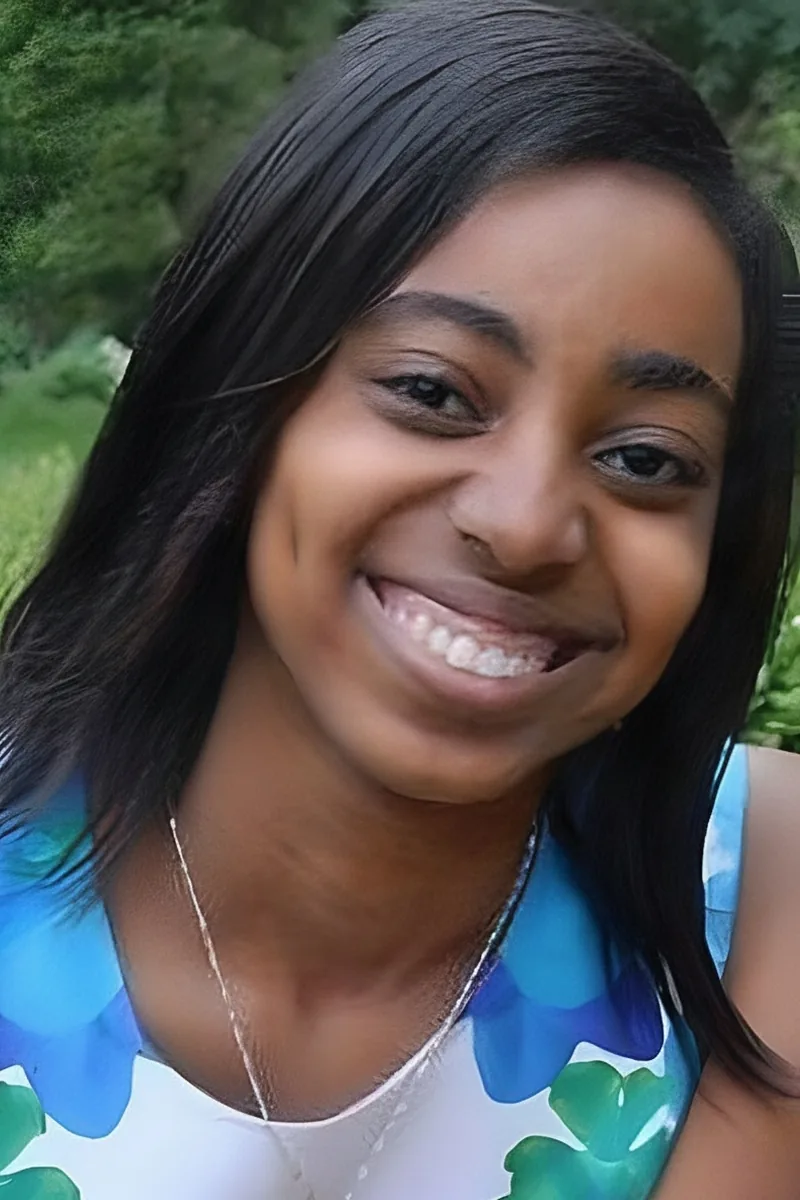
AP English Literature asks students to do something genuinely difficult: read a poem or prose passage they've never seen and write a polished analytical essay in forty minutes. Amy digs into the specific skills that earn high scores — identifying literary devices like free indirect discourse or shifts in tone, then weaving those observations into a thesis-driven argument. As a college English major and lifelong reader, she knows this territory intimately.

AP Lit asks students to do something most haven't practiced: build a literary argument under a ticking clock, using specific textual evidence and sophisticated analysis of devices like imagery, tone shifts, and narrative structure. Jonathan is an active fiction writer studying at The Writers Studio in Manhattan, which means he reads prose the way the exam demands — with an eye toward how authors construct meaning at the sentence level. That craft-level awareness translates directly into the kind of close reading the free-response essays reward.
AP English Literature asks students to do something genuinely difficult: read a poem or prose passage cold and produce a coherent argument about how its literary devices create meaning. Tim's honors philosophy degree and current graduate work mean he lives in the world of close textual analysis, and he brings that precision to teaching students how to unpack imagery, structure, and voice under timed conditions. His approach to the free-response essays emphasizes building a thesis that does real interpretive work.
I'm recent college graduate with academic experience across the board, including history (my major), data analysis (my minor), music, sociology, Spanish, and math, and I love sharing what I know with other students. Before college, I wrote many a college application essay and took practice test upon practice test for the SAT, SAT subject tests, AP tests, and ACTs. I was greatly helped by my academic mentors back then and would love to help you out now if you need assistance with that process.
Reading Faulkner, Dickinson, or Achebe for AP Lit means doing more than summarizing plot — it means constructing an argument about how literary devices create meaning. Lucy spent three years at the Yale Writing Center pulling apart exactly these kinds of analytical essays, and her English degree gives her deep fluency with close reading, poetic form, and the timed essay formats the exam demands.
Teaching World Literature at CUNY means Jamie lives inside the kind of texts AP Lit students encounter — dense poetry, complex narrative structures, and prose that demands multiple readings. He teaches students to build the close-reading muscle the exam actually tests: writing about literary technique under time pressure, connecting devices like imagery and irony to a work's larger meaning in a coherent, thesis-driven essay.
AP Lit's free-response questions reward students who can do more than summarize — they need to build an argument about how literary devices create meaning within a passage. Max teaches students to dissect prose and poetry prompts by identifying tone shifts, narrative structure, and figurative language, then weaving those observations into a cohesive thesis. His background teaching both history and English in a Boston high school means he's coached students through the exact pressure of timed analytical writing.
AP Lit essays live or die on how well a student can connect a specific literary device to the text's larger meaning — not just spotting the metaphor, but explaining what it *does*. Kenan's background across literature and analytical writing means he can coach both the close-reading instinct and the timed-essay structure the exam demands, from poetry analysis to the open-ended prompt.
AP Lit rewards the kind of close reading Lisa has practiced for years as a published author and journal editor — noticing how a writer's diction, imagery, or syntax creates meaning beyond the surface. She digs into poetry and prose with students, teaching them to build essay arguments around specific literary devices rather than vague thematic summaries. Her 4.9 rating speaks to how well that approach lands.
AP Lit asks students to do something uncomfortable: defend an interpretation of a poem or passage they've never seen before, in forty minutes, with textual evidence. Cassandra approaches this as an analytical challenge, teaching students to identify literary devices like tone shifts and figurative language and then convert those observations into a coherent argument. Her science background actually sharpens this process — she treats close reading like hypothesis testing.
AP Lit asks students to do something genuinely difficult: read a poem or prose passage cold and produce a polished analytical essay under time pressure. Noelle unpacks literary devices like imagery, tone shifts, and narrative structure by showing how each one serves the author's larger argument — the kind of close reading that earns high marks on the free-response questions. Her love of reading and writing gives her a natural ear for the nuances the exam rewards.
AP Lit asks students to do something most haven't practiced — write analytically about how a poem's structure or a novel's narrative technique creates meaning, not just summarize plot. As a Yale humanities student and avid reader, Tessa digs into the close-reading skills that earn high marks on the poetry free-response and the open-ended essay. She's particularly sharp on teaching students to move from observation ('there's a metaphor here') to argument ('here's what it does and why it matters').
AP English Literature asks students to do something most haven't been trained for: write a polished literary argument under time pressure about a poem or passage they've never seen. Maddy wrote an honors thesis on art criticism at Harvard and spent years analyzing fiction, poetry, and Shakespeare — she teaches the close-reading instincts and essay structures that earn high scores on the free-response section.
AP English Lit asks students to do something genuinely difficult: read a poem or prose passage cold and produce a polished analytical essay under time pressure. Alex studied English and Theater at Bowdoin, which means he approaches texts through both literary close reading and the performative question of how language creates effect. He walks students through crafting thesis-driven essays that move beyond plot summary into real interpretive argument.
AP Lit essays live or die on how well a student can connect a specific literary device — a symbol, a shift in narrative voice, an ironic reversal — to the work's larger meaning. Julie's philosophy background at Princeton trained her to construct tight, thesis-driven arguments from textual evidence, exactly the skill the exam's free-response questions demand.
AP Lit asks students to do something most haven't practiced: write a polished literary argument under pressure, using textual evidence with precision. David breaks down each essay type — the poetry analysis, the prose fiction analysis, the literary argument — and shows how to build a thesis that goes beyond plot summary into genuine interpretation.
Earning a Secondary Teacher's certification while studying English means Hailey is learning not just how to analyze literature but how to teach that analysis — breaking down why a particular stanza's enjambment or a narrator's shifting reliability matters, then coaching students to articulate those insights in timed, thesis-driven essays. Her 32 ACT and 5.0 tutoring rating back up an approach rooted in making the leap from 'I noticed something' to 'here's my argument about what it means.'
AP Lit asks students to do something most high schoolers haven't practiced: read a poem or prose passage cold and immediately build an argument about how its literary devices create meaning. Jake tackles this by teaching close-reading techniques — tracking shifts in tone, identifying figurative patterns, and connecting formal choices to thematic claims — so the timed essay feels less like a scramble and more like a structured conversation with the text.
Testimonials
Because the right AP English Literature and Composition tutor makes all the difference.
Average Session Rating – Based on 3.4M Learner Ratings
Practice AP English Literature and Composition
Free practice tests, flashcards, and AI tutoring for AP English Literature and Composition
Nearby AP English Literature and Composition Tutors
Other Atlantic City Tutors
Related English Tutors in Atlantic City
Frequently Asked Questions
Varsity Tutors matches Atlantic City students with expert AP English Literature and Composition tutors for 1-on-1 instruction. We pair each student with a tutor based on their specific needs, learning style, and goals.
Whether you need homework help, exam prep, or want to get ahead, our AP English Literature and Composition tutors are ready to help.
Common challenges include gaps from earlier material, difficulty with specific concepts, and trouble applying learning to new problems. These issues can snowball quickly in AP English Literature and Composition.
A tutor identifies where you're stuck, fills in gaps, and provides targeted practice. The 1-on-1 format means you get help exactly where you need it.
Tutors work with your student's actual coursework—homework assignments, class notes, and upcoming tests. This keeps tutoring directly relevant to what's happening in the classroom.
When you share information about your student's school and curriculum, we can match you with a tutor who has relevant experience.
All tutors complete background checks, credential verification, and teaching evaluation. Many of our AP English Literature and Composition tutors hold advanced degrees or have years of teaching experience.
You can review tutor profiles to find someone with the right background for your student's level and needs.
Many students see improved grades within a few weeks, along with better understanding of AP English Literature and Composition concepts and more confidence tackling challenging material.
Tutors track progress and adjust their approach to ensure continued improvement.
Most students benefit from 1-2 sessions per week. More frequent sessions help if your student is significantly behind or has an important exam coming up.
Your tutor can recommend a schedule based on your student's specific situation and goals.
Tutoring is purchased in packages of hours, with rates varying by tutor experience. Varsity Tutors offers several options to fit different budgets and needs.
You can discuss pricing during your consultation to find what works best.
Your tutor will assess where your student is, discuss goals, and start working on priority areas. Most students bring current homework or upcoming test material to focus on.
By the end, you'll have a clear sense of how the tutor can help and a plan for moving forward.
Let’s find your perfect tutor
Answer a few quick questions. We’ll recommend the right plan and match you with a top 5% tutor.