Award-Winning AP US History Tutors
serving Reno, NV
AP US History
Tutors in Reno
Private 1-on-1 tutoring, weekly live classes for academic support, test prep & enrichment, practice tests and diagnostics, and more to elevate grades and test scores.
Based on 3.4M Learner Ratings
UniversitiesSchools & Universities
DeliveredHours Delivered
ProficiencyGrowth in Proficiency
Who needs tutoring?
No obligation. Takes ~1 minute.
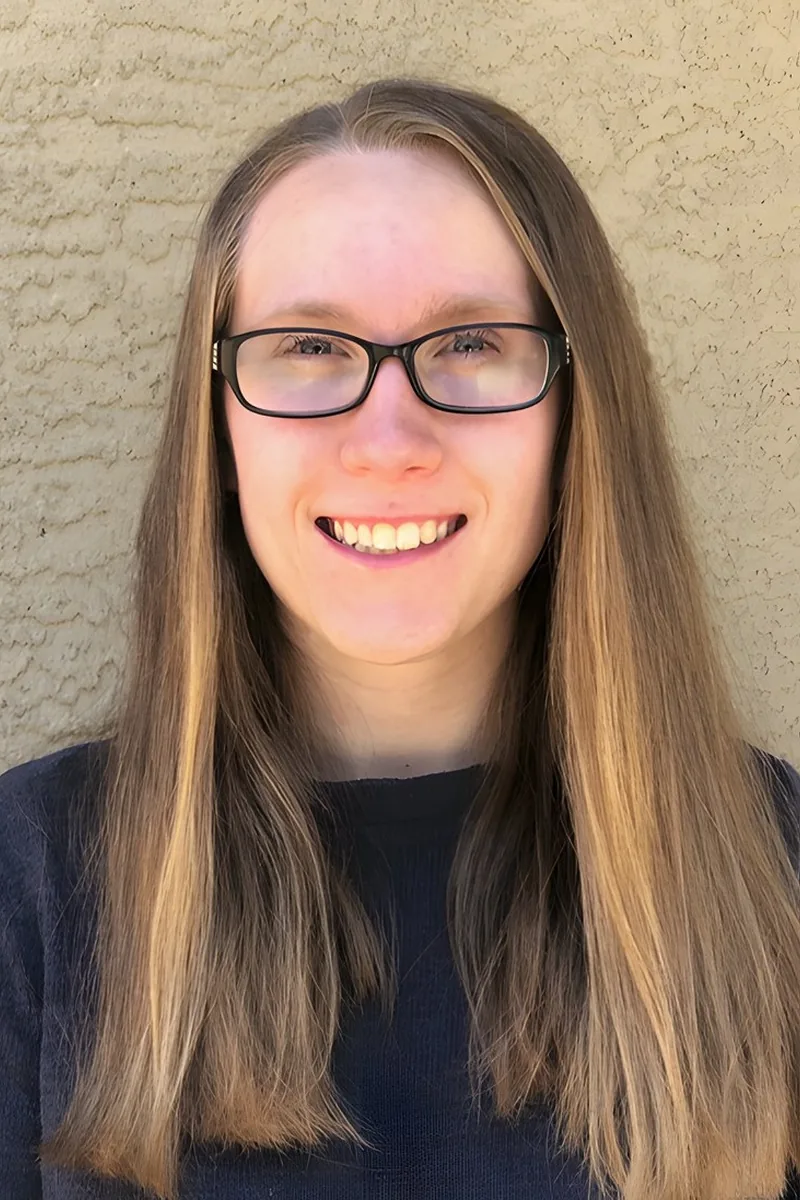
AP US History's DBQ is really a timed argument-building exercise disguised as a history test — students need to group documents, identify point of view, and connect evidence to a thesis in under an hour. Cassandra tackles this by drilling the skill of contextualization, teaching students to place each document within the broader political or economic forces of its era. Her analytical, evidence-first approach translates well from her science background.
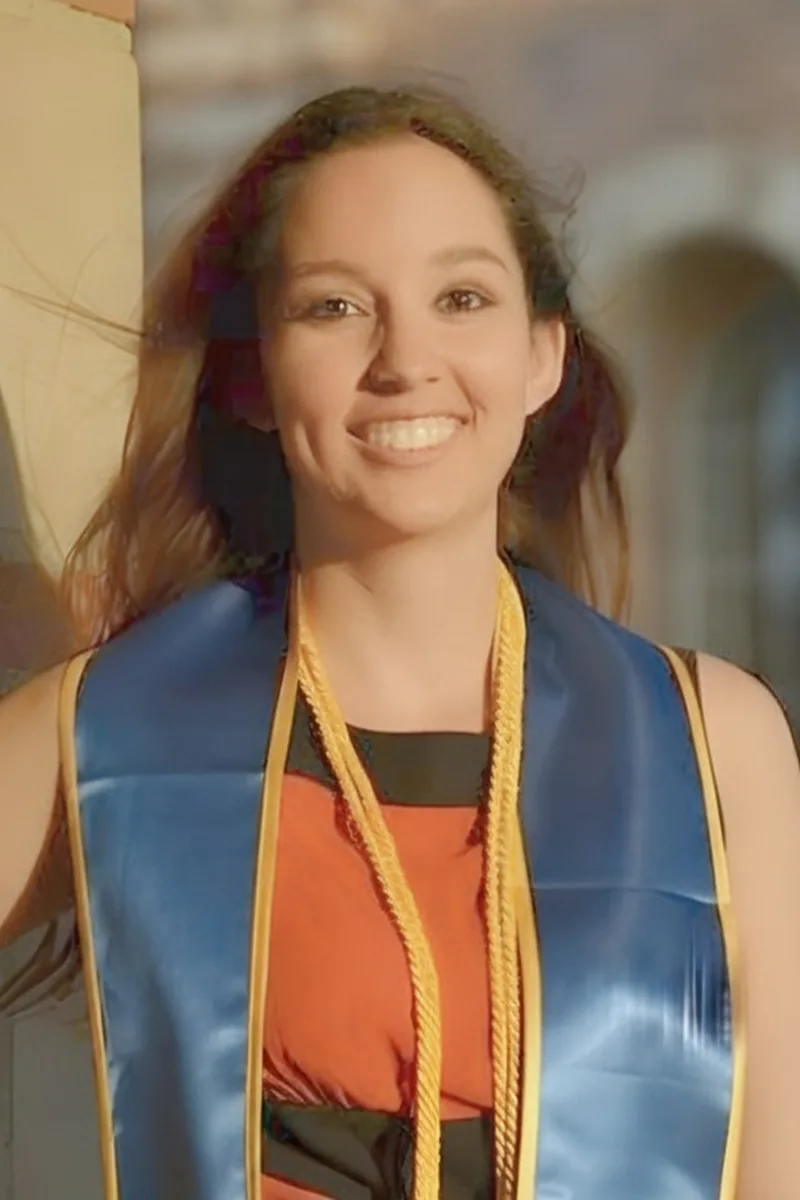
Volunteering with 11-to-15-year-olds in Las Vegas gave Andrea practice breaking down complex ideas for the exact age group tackling APUSH — and her UCLA physiology training instilled the kind of evidence-based reasoning that translates well to constructing causation and continuity-and-change arguments on the DBQ. She also brings fluency in Spanish, which adds texture when covering U.S.-Mexico relations, borderlands history, and immigration policy across periods. Rated 4.9 by students.
The AP US History exam rewards students who can build an argument under pressure — especially on the DBQ, where synthesizing multiple sources into a coherent thesis in 60 minutes separates 4s from 5s. Max treats history as a discipline of interpretation rather than memorization, teaching students to identify causation, continuity, and change over time the way the exam actually scores them. His 5.0 client rating speaks to how well that approach lands.
The AP US History exam rewards students who can do more than recall events — they need to analyze documents, identify historical causation, and write a convincing DBQ under time pressure. Jeff earned his MA in history from UC Berkeley, where he taught undergraduates how to build arguments from primary sources. He applies that same document-analysis approach to APUSH prep, breaking down rubric expectations so students know exactly what earns top scores.
Teaching history at a community college while also working as a certified ESL teacher gave Christie a unusual double skill set — she knows how to make dense American political and economic developments accessible to students who can't rely on assumed cultural context. That translates directly to APUSH's document-based questions, where she zeroes in on sourcing and contextualization, training students to read a 1790s Federalist pamphlet or a 1960s protest letter for audience and purpose before building an argument around it. Rated 5.0 by students.
A master's degree in Chinese politics means Elizabeth spent years analyzing how governments consolidate power, manage dissent, and navigate foreign relationships — the same analytical framework that unlocks APUSH's toughest comparative and causation questions, from Cold War containment policy to debates over executive authority. Her 1500 SAT and government coursework ground her in the primary-source reasoning and argumentative writing the DBQ demands. Rated 5.0 by students.
Kirstie's liberal arts training and Master's in Education come together most visibly in APUSH's essay sections, where students need to do two things at once — read primary sources with a literary eye and marshal them into a historically grounded argument. She leans heavily on her AP English skills when teaching document analysis, showing students how to identify an author's purpose and audience before they ever start writing their thesis. Rated 5.0 by students.
Kristin's University of Chicago BA required the kind of intensive primary source analysis and argumentative writing that APUSH essays directly test — she spent years constructing evidence-based claims under the school's famously rigorous Core Curriculum. Her philosophy minor adds a layer of logical precision to thesis construction, particularly on LEQs where students need to sustain a causal or comparative argument across multiple periods without losing the thread. Rated 5.0 by students.
Political science majors spend years dissecting the constitutional tensions, legislative battles, and power dynamics that make up the core of the APUSH curriculum — Julian studied exactly the material the exam tests most heavily. His 1430 SAT signals strong timed reading and writing performance, which matters for an exam where the DBQ and LEQ live or die on how quickly a student can build a sourced, thesis-driven argument under pressure.
I'm excited to work with you or your child either on standardized test preparation or on generally improving performance in history, English, and social studies!
Jay earned his history degree with honors from Penn State's Schreyer Honors College, and AP US History plays directly to that strength. He digs into the DBQ and LEQ formats specifically, teaching students how to contextualize documents, build defensible claims, and weave evidence from periods like Reconstruction or the New Deal into arguments that score well on exam day.
As a first-generation college student who graduated cum laude from UCLA with a biology degree and Asian Languages minor, Abrahim brings an outsider's analytical eye to American history — he learned to question assumptions rather than take narratives at face value. That mindset translates well to APUSH's emphasis on sourcing and contextualization, where students need to interrogate *why* a document was created, not just what it says. Rated 5.0 by students, he approaches each historical period as a puzzle to decode rather than a list to memorize.
A statistics and machine learning certificate at Princeton means Julie spends her coursework building arguments from data — the same evidentiary reasoning APUSH demands when students must synthesize unfamiliar documents into a coherent thesis under time pressure. Her philosophy training adds a layer most history tutors skip: she teaches students to identify the logical structure of an argument before writing one, which is exactly what separates strong DBQs from ones that just summarize sources. Rated 4.9 by students.
Studying both biology and philosophy at Boston College means Andrew spends his days toggling between empirical evidence and argumentative reasoning — the exact combination APUSH essays demand when students must marshal specific historical evidence into a persuasive thesis. He's particularly strong on causation and contextualization questions, where his philosophy training kicks in to untangle why events unfolded as they did rather than just when. Rated 5.0 by students.
Testimonials
Because the right AP US History tutor makes all the difference.
Average Session Rating – Based on 3.4M Learner Ratings
Practice AP US History
Free practice tests, flashcards, and AI tutoring for AP US History
Other Reno Tutors
Related Social Studies Tutors in Reno
Frequently Asked Questions
AP US History spans from pre-Columbian America through the present day, organized into nine units: Native American societies, European exploration and colonization, development of the American colonies, American independence, early republic, expansion and reform, Civil War and Reconstruction, the Gilded Age and Progressive Era, and modern America (20th-21st centuries). The exam emphasizes historical thinking skills like analyzing primary sources, understanding causation, and evaluating competing historical interpretations—not just memorizing dates and facts.
The AP US History exam has two sections: a multiple-choice section (55 questions in 55 minutes) and a free-response section (4 essays in 100 minutes, including a document-based question, long essay, and short-answer questions). Success requires both content knowledge and strong analytical writing skills. Tutors can help you develop strategies for managing time across sections and crafting essays that earn high scores.
Students often struggle with three main areas: managing the sheer volume of content across multiple centuries, analyzing primary source documents efficiently under time pressure, and writing analytical essays that go beyond summary. Many also find it difficult to connect individual events into larger historical patterns and themes—a key skill the AP exam tests. Personalized tutoring helps you organize content meaningfully, practice document analysis, and develop essay-writing techniques that score well.
Score improvement depends on where you're starting and how much you engage with tutoring. Students who work consistently with a tutor typically see meaningful gains—often 1-2 points on the 1-5 scale—by focusing on weak content areas and practicing high-scoring essay techniques. The national average AP US History score is around 2.5, so reaching a 4 or 5 requires targeted preparation. A tutor can identify your specific gaps and create a focused study plan to maximize your progress before exam day.
Your first session is about understanding where you stand and what you need. Expect to discuss your current knowledge of AP US History, review any practice test results or recent assignments, and identify your biggest challenges—whether that's content gaps, essay writing, or test anxiety. From there, tutors can create a personalized study plan tailored to your timeline and goals, whether you're preparing months in advance or cramming for the exam.
Practice tests are essential—they help you get comfortable with the exam format, identify weak content areas, and build stamina for the 2.5-hour exam. Taking full-length practice tests under timed conditions reveals which units need more review and whether you're managing your time effectively across sections. Tutors use practice test results to guide your study plan, focusing on the topics and question types where you're losing points.
Most students benefit from 3-4 months of consistent preparation, though this varies based on your starting point and the depth of your course. If you're taking AP US History as a year-long course, spreading study throughout the year—rather than cramming at the end—helps content stick. Tutoring can help you make the most of whatever time you have, whether you're starting early or preparing for a May exam that's just weeks away.
Varsity Tutors connects you with expert tutors in Reno who specialize in AP US History and understand the curriculum inside and out. You can get matched with a tutor who fits your schedule and learning style, whether you need help with specific units, essay writing, or full-exam preparation. Simply tell us your goals and timeline, and we'll connect you with the right tutor to help you succeed.
Let’s find your perfect tutor
Answer a few quick questions. We’ll recommend the right plan and match you with a top 5% tutor.