Award-Winning AP US History Tutors
serving Las Vegas, NV
AP US History
Tutors in Las Vegas
Private 1-on-1 tutoring, weekly live classes for academic support, test prep & enrichment, practice tests and diagnostics, and more to elevate grades and test scores.
Based on 3.4M Learner Ratings
UniversitiesSchools & Universities
DeliveredHours Delivered
ProficiencyGrowth in Proficiency
Who needs tutoring?
No obligation. Takes ~1 minute.
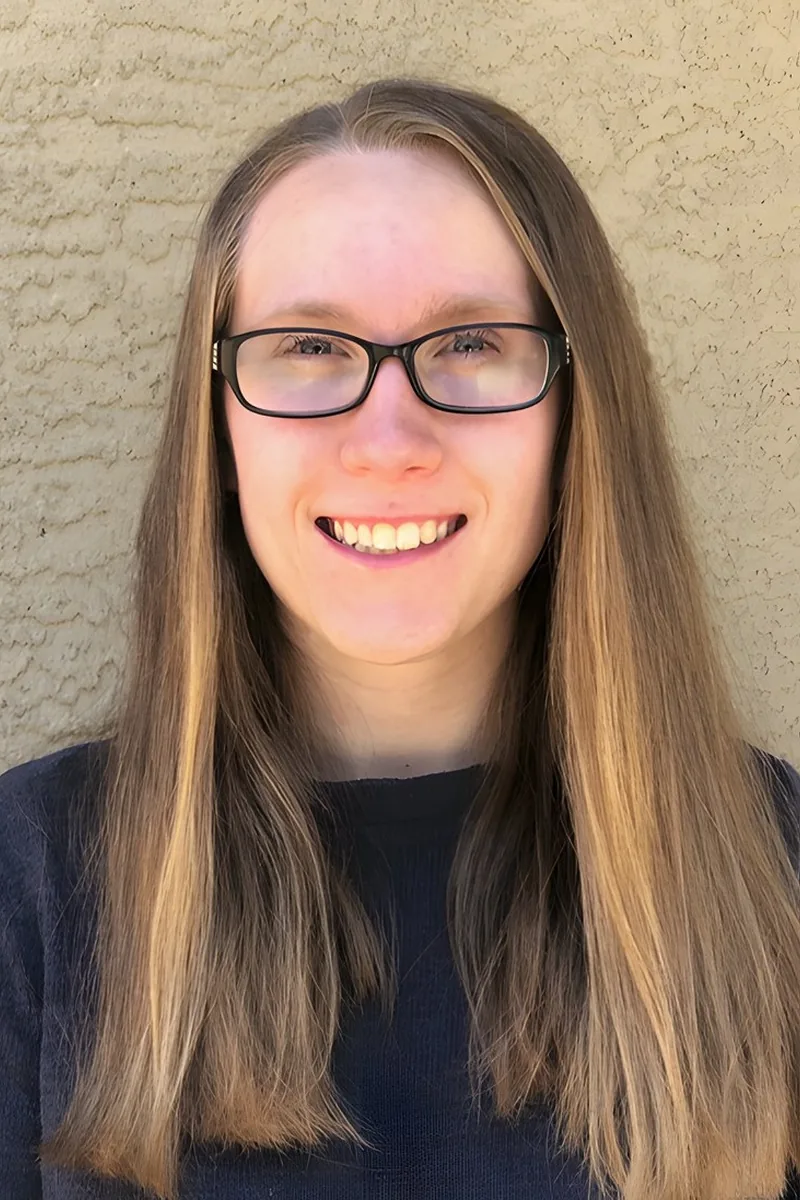
AP US History's DBQ is really a timed argument-building exercise disguised as a history test — students need to group documents, identify point of view, and connect evidence to a thesis in under an hour. Cassandra tackles this by drilling the skill of contextualization, teaching students to place each document within the broader political or economic forces of its era. Her analytical, evidence-first approach translates well from her science background.
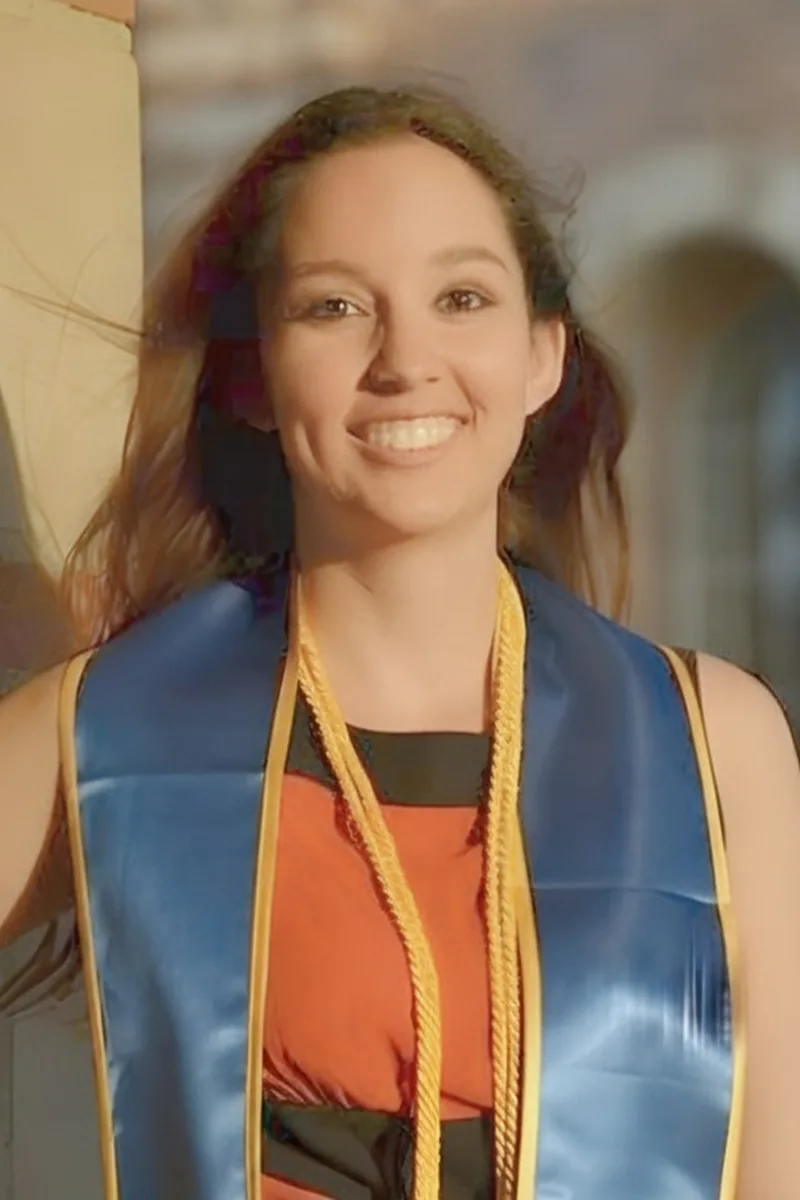
Volunteering with 11-to-15-year-olds in Las Vegas gave Andrea practice breaking down complex ideas for the exact age group tackling APUSH — and her UCLA physiology training instilled the kind of evidence-based reasoning that translates well to constructing causation and continuity-and-change arguments on the DBQ. She also brings fluency in Spanish, which adds texture when covering U.S.-Mexico relations, borderlands history, and immigration policy across periods. Rated 4.9 by students.
Molly's Columbia University history degree means she studied the same primary source debates and historiographical arguments that APUSH condenses into a single exam — from constitutional crises to westward expansion to twentieth-century reform. Her classroom teaching experience across elementary grades sharpened her ability to break complex ideas into clear, layered explanations, which pays off when walking students through the periodization and causation reasoning that separates a 3 from a 5. Rated 5.0 by students.
An interdisciplinary degree blending economics and political science at Yale means Allen spent four years studying the exact forces — trade policy, constitutional interpretation, factional politics — that drive APUSH's most heavily tested periods from the Early Republic through the New Deal. He teaches students to build LEQ and DBQ arguments around economic and political causation rather than just narrating events, a skill his 1570 SAT confirms he can execute under timed pressure. Rated 5.0 by students.
Studying molecular biology at Yale might seem unrelated to APUSH, but Maxwell's scientific training sharpens exactly the kind of evidence-based reasoning the exam demands — evaluating sources, identifying patterns across data, and defending a thesis. He applies that analytical rigor to helping students dissect documents for context and purpose, particularly in periods where science, policy, and society collide, like industrialization or Cold War-era politics. Rated 5.0 by students.
Teaching history at a community college while also working as a certified ESL teacher gave Christie a unusual double skill set — she knows how to make dense American political and economic developments accessible to students who can't rely on assumed cultural context. That translates directly to APUSH's document-based questions, where she zeroes in on sourcing and contextualization, training students to read a 1790s Federalist pamphlet or a 1960s protest letter for audience and purpose before building an argument around it. Rated 5.0 by students.
School psychology training is built around understanding how people think, learn, and respond to pressure — which comes in handy when students need to unpack the motivations behind everything from Jacksonian populism to Cold War containment policy. Alyssa applies that behavioral framework to APUSH's document analysis, teaching students to read primary sources not just for what they say but for the human calculations behind them. Her 1550 SAT and 5.0 rating speak to the kind of sharp, timed analytical thinking the exam rewards.
AP US History's Document-Based Questions are really argumentation exercises disguised as history prompts, and Jean's legal background makes her a natural fit for teaching them. She earned her BA in History from Duke and unpacks how to synthesize primary sources into a coherent, evidence-driven essay under time pressure. Her approach to periodization and causation gives students the analytical vocabulary the exam rewards.
A high school history teacher with a B.S. in History, Ben treats APUSH not as a march through dates but as a series of arguments — teaching students to trace themes like federalism, westward expansion, and civil rights across periods so they can tackle the DBQ and LEQ with real analytical depth. His experience working with students across the academic spectrum means he knows how to adjust pacing whether someone is struggling with periodization or pushing for a 5.
Studying political science at Stanford means Margaret spends her coursework inside the same institutional frameworks — constitutional design, federalism, party realignment — that APUSH tests most heavily across every period. That gives her a structural vocabulary for explaining why events like the Nullification Crisis or the New Deal reshape governance, which is exactly the causal reasoning the DBQ and LEQ score for. Her 1550 SAT also signals the timed reading and analytical writing stamina the exam demands.
Studying political science and government means Sarah spends her coursework inside the same constitutional debates, legislative battles, and shifts in federal power that APUSH tests most heavily — she's not reviewing this material secondhand but actively working through it in her current classes. That real-time fluency with American political development gives her a sharp handle on periodization and causation questions, especially from the founding era through twentieth-century policy reform. Rated 5.0 by students.
Kirstie's liberal arts training and Master's in Education come together most visibly in APUSH's essay sections, where students need to do two things at once — read primary sources with a literary eye and marshal them into a historically grounded argument. She leans heavily on her AP English skills when teaching document analysis, showing students how to identify an author's purpose and audience before they ever start writing their thesis. Rated 5.0 by students.
Economics majors spend their time tracing how incentive structures, trade policy, and financial systems reshape societies — which means Ryan already thinks in the cause-and-effect chains that APUSH essays reward, especially for periods like the Market Revolution, Gilded Age industrialization, and New Deal economic reform. His 1590 SAT signals serious reading and analytical chops, the kind that make timed document analysis feel manageable rather than frantic. Rated 5.0 by students.
The IB program's emphasis on extended essays and Theory of Knowledge — where students defend interpretive claims with structured evidence — builds the exact muscles APUSH's DBQ and LEQ require. Dalton completed the full IB diploma and now draws on that training to teach how to frame a historical argument around periodization or causation rather than just retelling events. His 35 ACT and 4.9 rating speak to the timed analytical performance the exam rewards.
Testimonials
Because the right AP US History tutor makes all the difference.
Average Session Rating – Based on 3.4M Learner Ratings
Practice AP US History
Free practice tests, flashcards, and AI tutoring for AP US History
Other Las Vegas Tutors
Related Social Studies Tutors in Las Vegas
Frequently Asked Questions
Score improvement depends on your starting point and commitment level, but students typically see meaningful gains within 8-12 weeks of focused preparation. Many students jump from a 2 or 3 to a 4 or 5 by working with a tutor who helps them master the test format, identify content gaps, and develop strong essay-writing strategies. The key is consistent practice with real AP exam questions and targeted feedback on your specific weak areas.
The most common struggles are managing the 3-hour exam's pacing, mastering the DBQ (Document-Based Question) and LEQ (Long Essay Question) formats, and retaining massive amounts of historical content across multiple eras. Many students also struggle with the multiple-choice section's tricky wording and distinguishing between similar historical events. A tutor can help you develop time-management strategies, learn how to analyze primary sources quickly, and create an efficient study system so you're not memorizing everything last-minute.
Varsity Tutors connects you with expert tutors who personalize their approach to your needs—whether you're building foundational content knowledge, perfecting your essay technique, or drilling test-taking strategies. Your first session typically involves assessing your current level, identifying weak topics, and creating a study roadmap. From there, tutors use practice tests, document analysis, and targeted drills to strengthen both your content mastery and exam performance skills.
Essay writing is where many AP US History students lose points, but it's also highly coachable. Tutors teach you the specific rubric requirements, how to develop a strong thesis, effectively incorporate documents or evidence, and manage your time across both essay sections. With guided practice and feedback on your drafts, you'll learn to write compelling essays that demonstrate historical thinking—not just regurgitate facts.
Ideally, students benefit from starting tutoring 3-4 months before the May exam, which gives you time to fill content gaps and build strong test-taking habits without cramming. However, even 6-8 weeks of focused tutoring can make a significant difference if you're already familiar with the material. A tutor can assess where you are and create a realistic timeline based on your starting point and target score.
Practice tests are essential—they're the best way to identify which time periods, topics, or question types trip you up, and they help you get comfortable with the exam's pacing and format. Taking full-length practice tests under timed conditions, then reviewing every question you missed (not just the wrong answers, but the ones you guessed on too), is one of the most effective study strategies. Tutors use practice test results to pinpoint exactly where to focus your studying for maximum score improvement.
Test anxiety is real, but it's manageable with the right strategies. Tutors help by building your confidence through repeated practice with authentic exam questions, teaching you breathing and time-management techniques to stay calm, and helping you develop a pre-exam routine. When you know the material and have practiced the format extensively, you walk into that exam room with genuine confidence instead of panic.
Varsity Tutors makes it easy to connect with expert tutors who specialize in AP US History and understand what it takes to score well on the exam. You can get started by sharing your goals and availability, and we'll match you with a tutor whose expertise and teaching style fit your needs. Whether you need help with specific topics, essay writing, or full-exam preparation, you'll work with someone who knows the AP curriculum inside and out.
Let’s find your perfect tutor
Answer a few quick questions. We’ll recommend the right plan and match you with a top 5% tutor.