Award-Winning Essay Editing Tutors
serving North Las Vegas, NV
Essay Editing
Tutors in North Las Vegas
Private 1-on-1 tutoring, weekly live classes for academic support, test prep & enrichment, practice tests and diagnostics, and more to elevate grades and test scores.
Based on 3.4M Learner Ratings
UniversitiesSchools & Universities
DeliveredHours Delivered
ProficiencyGrowth in Proficiency
Who needs tutoring?
No obligation. Takes ~1 minute.
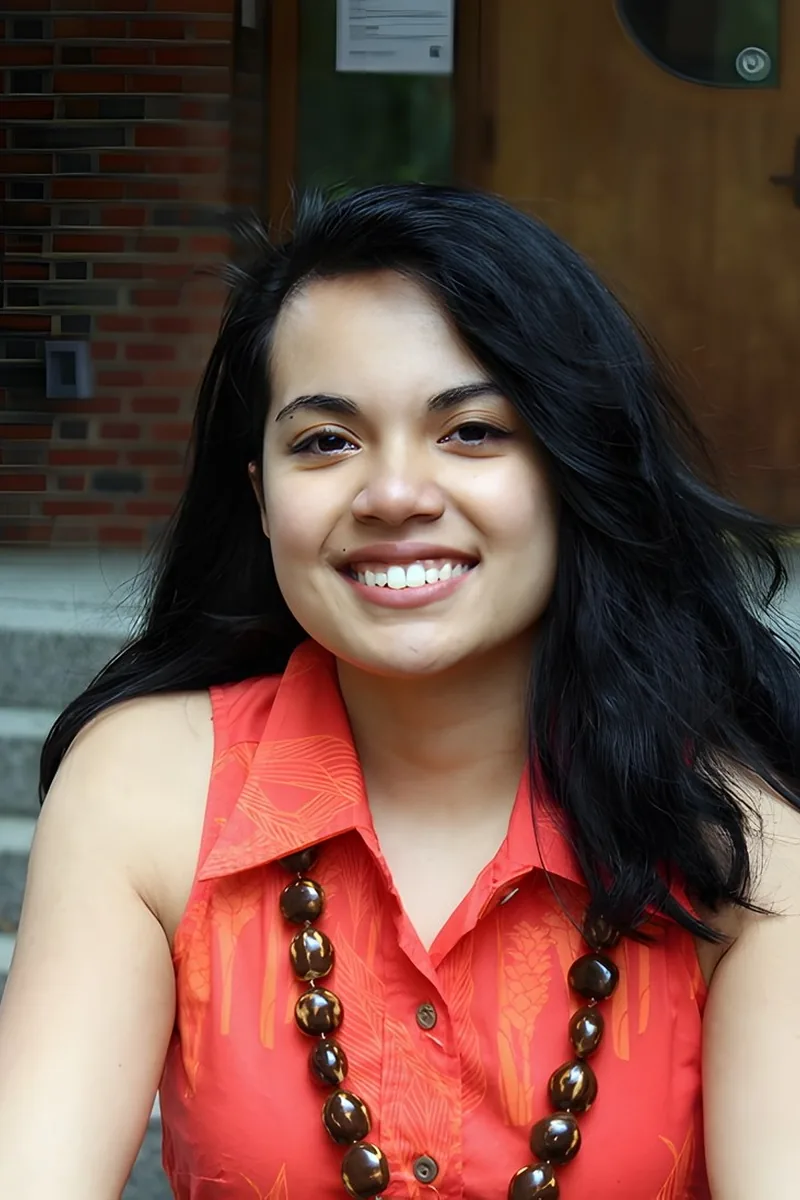
Good editing is about more than catching comma splices — it's about tightening an argument so every paragraph earns its place. Iliana reads drafts with an eye for logical flow, redundancy, and tone, then explains each suggested revision so students internalize the reasoning behind it.
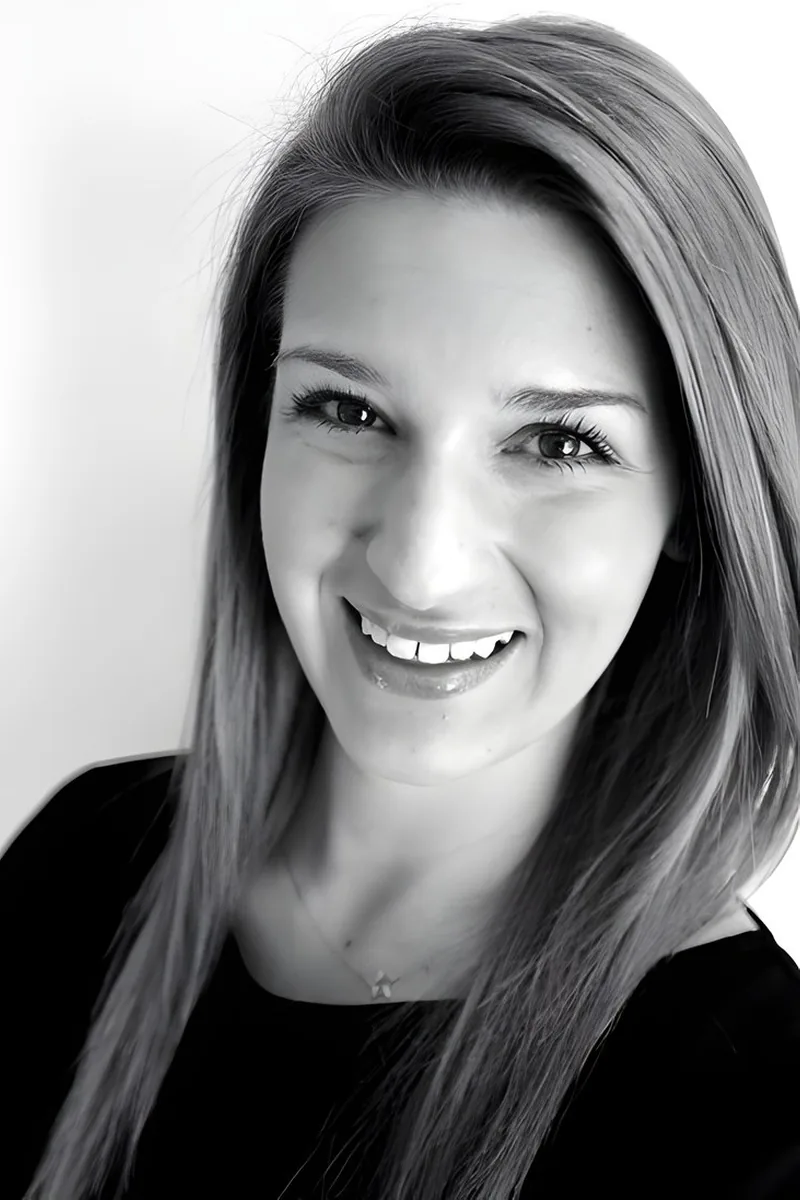
I'm a 2016 graduate of Pepperdine University with my Bachelor of Arts in Chemistry. Currently I'm preparing to apply to optometry school; I hope to be accepted for the 2018-19 academic year. During my time in college, I was involved as a teaching assistant for General Chemistry I and II laboratory, as a tutor for General Chemistry I, as a member of the Regents Scholar Student Board, and as a "small group" leader through multiple organizations. I am a member of the sorority Pi Beta Phi and held the positions of Historian, Senior Transition Leader, and member of the Leadership and Nominating Committee during my undergraduate years. As far as tutoring goes, I offer my services to students of all ages and in numerous subjects. I particularly enjoy tutoring the STEM subjects. I also thoroughly enjoy working with female STEM students, which allows me to serve as a role model and to offer additional encouragement for my female students to not lose interest in STEM subjects. A large part of my tutoring style focuses on logical thinking for how to tackle new and difficult problems using previous knoledge and educated hypotheses; I have found that my students find both success and a boost in confidence using my methodology. Aside from my academic interests, I love cooking and baking, my cat, photography, and National Parks.
Editing isn't just fixing commas — it's learning to read your own writing the way a stranger would. Orestes tackles essay revision at the structural level first, examining whether each paragraph earns its place and whether the argument actually builds, before moving into sentence-level clarity and grammar. His background in business writing keeps the feedback practical and direct.
Good essay editing isn't just fixing commas — it's figuring out where the argument loses the reader. Tim approaches each draft structurally first, identifying where claims need stronger evidence or transitions blur the logic, then moves into sentence-level clarity and style. His philosophy training at MIT sharpened his instinct for tight, persuasive prose.
Editing an essay is more than fixing commas — Tony treats it as a conversation about clarity, argument flow, and whether each paragraph actually earns its place. His humanities training across multiple languages sharpened his ear for sentence rhythm and concision, and he walks students through revision strategies they can reuse on every future paper.
Editing an essay well requires seeing it from the reader's side — catching where an argument loses its thread, where a paragraph buries its point, or where a transition creates confusion instead of clarity. Daniel treats each revision as a conversation about what the writer actually means, then tightens structure, word choice, and flow to match that intent.
Dylan approaches essay editing the way an engineer approaches debugging: systematically. He teaches students to evaluate their own drafts for argument structure and logical flow first, then tighten prose at the sentence level — addressing everything from thesis clarity to transitions to redundant phrasing.
Good essay editing goes beyond fixing commas — it means rethinking paragraph structure, tightening arguments, and cutting the sentences a writer loves but the reader doesn't need. Yasmeen approaches revision as a conversation, asking pointed questions about what each paragraph is actually trying to say before touching a single word. She's rated 5.0 by students who've seen their writing sharpen through that process.
Most essay drafts don't need more content — they need sharper structure and cleaner transitions between ideas. Cassandra edits at both the paragraph level, reorganizing arguments so each one builds on the last, and at the sentence level, cutting filler and tightening claims. She's particularly good at spotting when a thesis is too broad and showing students how to narrow it.
I am passionate about helping students because I've been a student my whole life! Even though I'm a professor now, I love to learn. And now that I have experience, I love to help others along the learning journey. I have degrees in English and education from Rice University, UT Austin, Texas State, and Texas A&M. I also studied abroad in England at the University of East Anglia and have traveled to many countries. I tutor English and Spanish (my family is from Mexico City). My favorite thing to tutor is writing, and I have taught writing from the Kindergarten-graduate school (Ph.D.) level (what I currently do). I am here to share tools and tips to help you succeed in your learning journey.
I'm trying to work on personal projects. I really enjoy snowboarding, and have been doing that since the third grade. I also enjoy playing sports and video games.
Editing an essay well means more than catching comma splices — it means evaluating whether each paragraph actually advances the argument. Shawn approaches revision in layers: first the thesis and logical structure, then paragraph-level transitions, and finally sentence-level clarity and grammar. His scientific training makes him especially sharp at spotting gaps in reasoning that weaken otherwise well-written work.
Martina treats essay editing as more than fixing commas — she teaches students to evaluate their own argument structure, tighten transitions between paragraphs, and eliminate vague language that weakens a claim. Her background writing academic papers in international relations across multiple languages sharpened her eye for clarity and logical flow, skills she now applies to student work at every level.
Editing an essay well means more than catching comma splices — it means evaluating whether each paragraph earns its place in the argument. Gabriela reads drafts with an eye for logical flow and clarity, showing students how to restructure weak sections, sharpen thesis statements, and cut filler that dilutes their point.
Good editing isn't just catching comma splices — it's reshaping an argument so each paragraph earns its place. Emily reads drafts with an eye for logical flow and clarity, skills she sharpened writing extensively through both her economics program and graduate-level pharmacy work. She pinpoints where an essay loses the reader and shows exactly how to fix it.
A strong essay isn't just about what you say — it's about how tightly each sentence serves your argument. Michael approaches editing by teaching students to identify thesis drift, tighten paragraph transitions, and cut filler that dilutes their claims. His experience writing college-level science papers means he's especially sharp at turning vague analysis into precise, evidence-driven prose.
Good essay editing goes beyond catching comma splices — it's about tightening an argument so every paragraph earns its place. Zelalem reads drafts with an engineer's eye for structure, identifying where a thesis drifts, where evidence is thin, and where transitions lose the reader. He walks through revisions sentence by sentence so students internalize the reasoning behind each change.
Editing isn't just about catching comma splices — it's about figuring out whether each paragraph is actually earning its place in the argument. Michelle approaches essay editing by first identifying what a draft is trying to say, then tightening sentence structure, transitions, and evidence integration so the writing lands clearly. Her grammar expertise, sharpened through years of SAT writing instruction, makes her especially precise with the mechanical side of revision.
Engineering coursework at UNLV means Serena writes and revises technical reports constantly, which sharpened her eye for spotting where an argument drifts or a paragraph restates what the previous one already said. She brings that precision to essay editing sessions, digging into thesis clarity and logical flow before addressing grammar. Her dual strength in English and analytical writing makes her especially effective at editing across genres, from personal narratives to research papers.
Deepal treats essay editing as more than fixing commas and spelling — he digs into argument structure, paragraph transitions, and whether the evidence actually supports the thesis. His engineering mindset means he's especially good at spotting logical gaps and helping writers tighten their reasoning without losing their voice.
College application essays are Sam's specialty — he's spent extensive time shaping personal statements and supplemental essays that need to sound authentic while hitting every prompt requirement. His editing process zeroes in on argument structure, redundant phrasing, and tonal consistency, turning rough drafts into polished pieces. Rated 5.0 by students.
Editing an essay is different from writing one, and Brian treats it that way. He reads drafts looking for structural problems first — weak thesis statements, paragraphs that drift from their topic sentences, conclusions that just repeat the intro — before tightening grammar and word choice. His own writing across economics and humanities coursework keeps his editing instincts sharp.
Editing an essay isn't just fixing commas — it's restructuring an argument so each paragraph earns its place. Megan writes research-heavy papers across economics, politics, and legal studies at St. John's, so she knows how to tighten a thesis, cut filler, and make transitions do real work. She walks through revisions line by line so students learn to self-edit, not just accept corrections.
Good editing is about more than catching typos — it's about tightening an argument and making every sentence earn its place. Lauryn's background in writing-intensive history courses means she's skilled at restructuring thesis statements, cutting redundancy, and improving transitions so that a student's ideas come through with clarity and force.
Most students know their essay "needs work" but can't pinpoint where or why. Million treats editing as a structured process: first tightening the argument's logic, then reorganizing paragraphs for flow, and finally polishing sentence-level clarity and grammar. That layered approach turns revision from an overwhelming chore into something manageable.
Good editing goes beyond catching comma splices — it means tightening argument structure, cutting filler, and making sure every paragraph earns its place. Elizabeth approaches essay revision methodically, walking through clarity, flow, and evidence so students learn to spot weaknesses in their own drafts over time.
A rough draft with a strong argument buried under unclear structure is fixable — but only if someone shows you how to find the argument and reorganize around it. Justin approaches essay editing by teaching students to evaluate their own thesis statements, topic sentences, and transitions so they can self-edit long after the session ends. He's especially effective at tightening up essays that feel "close but not quite there."
Good editing is more than catching typos; it's about tightening an argument, improving flow between paragraphs, and making sure every sentence earns its place. Phonemany reads drafts with an anthropologist's attention to how language shapes meaning, then gives concrete, actionable feedback students can apply immediately.
The difference between a B essay and an A essay is almost always in the revision. Karen breaks editing into concrete, repeatable steps: tightening thesis statements, cutting filler, restructuring paragraphs for logical flow, and polishing transitions. She treats each draft as a problem to solve, which makes the revision process feel productive rather than overwhelming.
Good editing is more than catching comma splices — it's about tightening argument structure, cutting filler, and making sure each paragraph does one clear job. Andrea teaches students to revise their own drafts systematically, starting with thesis clarity and evidence flow before moving to sentence-level polish.
Good essay editing goes beyond fixing commas — it means diagnosing whether an argument actually holds together. Justin reads drafts the way an academic reviewer would, flagging weak thesis statements, unsupported claims, and structural gaps, then walks students through revisions that tighten every section.
Good editing isn't just catching comma splices — it's hearing where an argument loses momentum or where a paragraph says in ten sentences what it could say in three. Katherine reads drafts with an eye for both mechanics and logic, tightening thesis statements, restructuring evidence, and cleaning up grammar so the final product sounds like a sharper version of the student's own voice.
Editing an essay well means more than fixing commas — it means checking whether each paragraph actually earns its place in the argument. Samuel approaches revision structurally, examining thesis clarity, paragraph transitions, and evidence integration before moving to sentence-level grammar and word choice. His experience writing across both scientific and humanities disciplines gives him a sharp eye for tightening prose regardless of subject matter.
A rough draft with potential and a polished essay are often separated by just a few targeted revisions — tightening thesis statements, cutting filler, and restructuring paragraphs so each one earns its place. Sanda treats editing as a teachable process, walking through each revision so the writer understands the "why" behind every change. Rated 4.8 by students.
Good essay editing goes beyond fixing commas — it's about tightening arguments, cutting filler, and making sure every paragraph earns its place. Kendra approaches each draft by first evaluating the overall structure and thesis clarity, then working down to sentence-level precision. Her own writing practice and love of books give her a sharp editorial eye for tone, flow, and word choice.
Good editing is more than catching comma splices — it's about tightening an argument so every paragraph earns its place. Kyle reviews student drafts at both the structural level (does this thesis actually thread through each body paragraph?) and the sentence level (is this phrasing clear and concise?), giving feedback that teaches revision as a repeatable skill.
Good editing is more than fixing commas — it's about tightening an argument so every paragraph earns its place. Alexis reviews drafts at both the structural level (thesis clarity, paragraph flow, evidence use) and the sentence level (syntax, word choice, grammar), giving feedback that teaches students to spot their own patterns of error. Her 4.9 rating speaks to how much students value that dual-lens approach.
A clean essay isn't just about fixing commas — it's about making sure each paragraph's claim actually supports the thesis. Adriana edits with that top-down logic, tightening argument flow before sweating the grammar. Students walk away knowing not just what to fix but why the revision is stronger.
Editing isn't just catching comma splices — it's figuring out whether each paragraph actually advances the argument and whether transitions hold the logic together. Henry tackles essay revision at both levels, starting with structure and thesis clarity before tightening sentence-level grammar and word choice. His 5.0 rating suggests students leave sessions with drafts that are genuinely stronger, not just cleaner.
Good editing isn't just catching typos — it's restructuring a weak thesis, tightening paragraph transitions, and cutting the sentences a writer loves but the essay doesn't need. Chris's background in linguistics gives him a precise eye for how sentences function at the structural level, and he explains every suggested change so students internalize the reasoning. He holds a 5.0 rating.
Testimonials
Because the right Essay Editing tutor makes all the difference.
Average Session Rating – Based on 3.4M Learner Ratings
Other North Las Vegas Tutors
Related English Tutors in North Las Vegas
Frequently Asked Questions
Varsity Tutors matches North Las Vegas students with expert Essay Editing tutors for 1-on-1 instruction. We pair each student with a tutor based on their specific needs, learning style, and goals.
Whether you need homework help, exam prep, or want to get ahead, our Essay Editing tutors are ready to help.
Common challenges include gaps from earlier material, difficulty with specific concepts, and trouble applying learning to new problems. These issues can snowball quickly in Essay Editing.
A tutor identifies where you're stuck, fills in gaps, and provides targeted practice. The 1-on-1 format means you get help exactly where you need it.
Tutors work with your student's actual coursework—homework assignments, class notes, and upcoming tests. This keeps tutoring directly relevant to what's happening in the classroom.
When you share information about your student's school and curriculum, we can match you with a tutor who has relevant experience.
All tutors complete background checks, credential verification, and teaching evaluation. Many of our Essay Editing tutors hold advanced degrees or have years of teaching experience.
You can review tutor profiles to find someone with the right background for your student's level and needs.
Many students see improved grades within a few weeks, along with better understanding of Essay Editing concepts and more confidence tackling challenging material.
Tutors track progress and adjust their approach to ensure continued improvement.
Most students benefit from 1-2 sessions per week. More frequent sessions help if your student is significantly behind or has an important exam coming up.
Your tutor can recommend a schedule based on your student's specific situation and goals.
Tutoring is purchased in packages of hours, with rates varying by tutor experience. Varsity Tutors offers several options to fit different budgets and needs.
You can discuss pricing during your consultation to find what works best.
Your tutor will assess where your student is, discuss goals, and start working on priority areas. Most students bring current homework or upcoming test material to focus on.
By the end, you'll have a clear sense of how the tutor can help and a plan for moving forward.
Let’s find your perfect tutor
Answer a few quick questions. We’ll recommend the right plan and match you with a top 5% tutor.