Award-Winning Chemistry Tutors
serving Henderson, NV
Chemistry
Tutors in Henderson
Private 1-on-1 tutoring, weekly live classes for academic support, test prep & enrichment, practice tests and diagnostics, and more to elevate grades and test scores.
Based on 3.4M Learner Ratings
UniversitiesSchools & Universities
DeliveredHours Delivered
ProficiencyGrowth in Proficiency
Who needs tutoring?
No obligation. Takes ~1 minute.
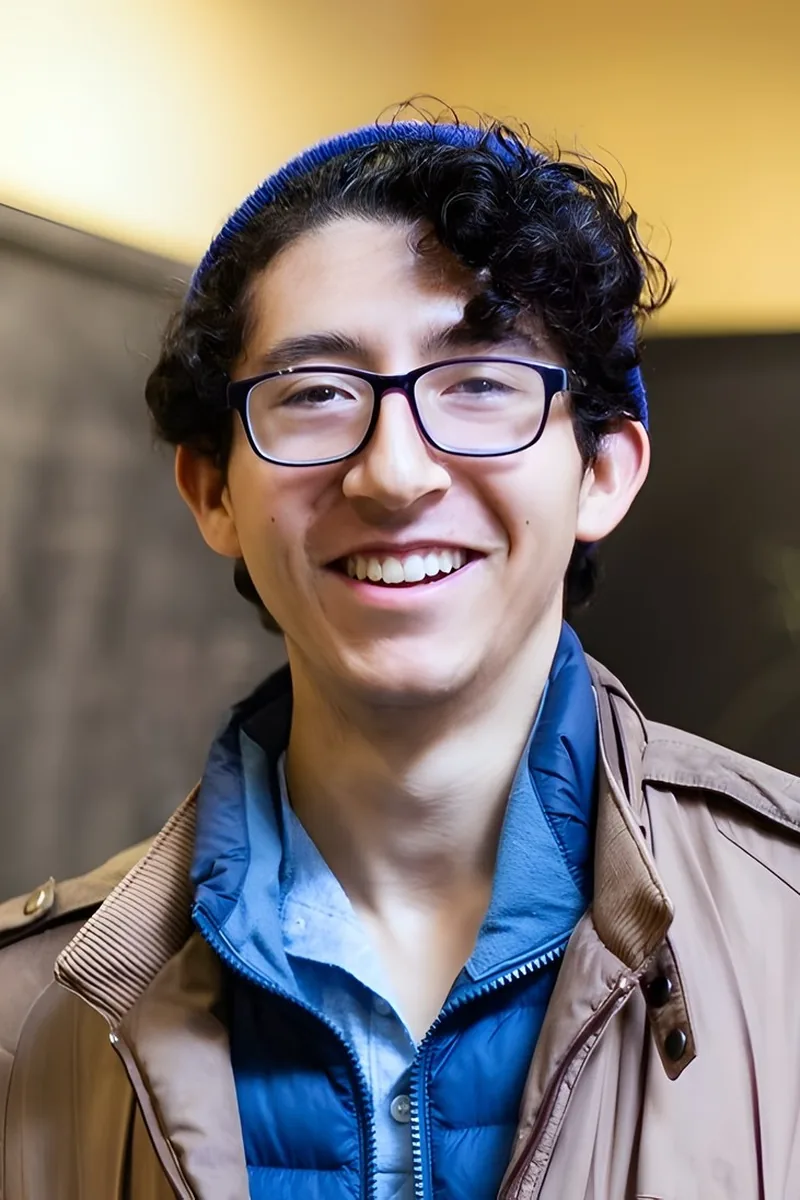
Tim taught chemistry to middle and high school students at a STEM summer camp, where he learned to explain concepts like stoichiometry and molecular bonding without relying on the textbook's notation-heavy approach. His computational science background at MIT also means he's comfortable with the quantitative side — equilibrium calculations, thermodynamics, and kinetics — that trips up students transitioning from conceptual to problem-solving chemistry.
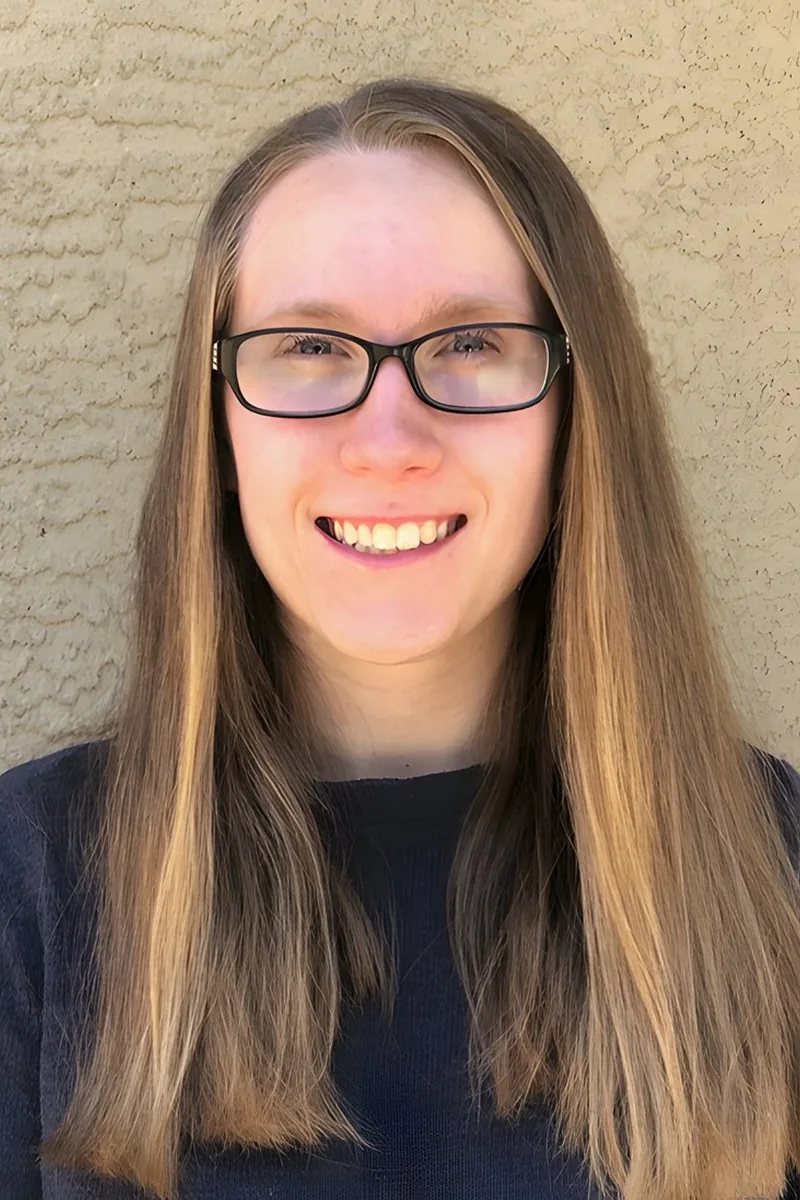
Stoichiometry, equilibrium, and acid-base chemistry each demand a slightly different way of thinking, and Cassandra adjusts her approach depending on which concept a student is wrestling with — dimensional analysis drills for stoich, ICE table walkthroughs for equilibrium, and proton-transfer logic for acids and bases. Her 4.9 rating comes from making these shifts feel natural rather than overwhelming. With a biology degree and experience across analytical and AP-level chemistry, she brings real depth to the subject.
Holding a Master's in Chemistry, Shawn has the depth to teach everything from nomenclature and Lewis structures through kinetics and electrochemistry — and the range to adjust whether a student is in honors, AP, or IB Chemistry. He's particularly strong at diagnosing where a concept breaks down, then rebuilding the reasoning step by step so the next topic doesn't collapse on a shaky foundation. Rated 4.9 by students.
From balancing redox equations to predicting whether a reaction is spontaneous using Gibbs free energy, general chemistry asks students to juggle math, conceptual reasoning, and memorization all at once. Michael tackles this by anchoring each new topic to something concrete — connecting gas law calculations to real experimental setups, or explaining periodic trends through electron shielding rather than rote charts. His science background and comfort with math-heavy problem solving make him especially effective for students struggling with quantitative chemistry.
I'm a 2016 graduate of Pepperdine University with my Bachelor of Arts in Chemistry. Currently I'm preparing to apply to optometry school; I hope to be accepted for the 2018-19 academic year. During my time in college, I was involved as a teaching assistant for General Chemistry I and II laboratory, as a tutor for General Chemistry I, as a member of the Regents Scholar Student Board, and as a "small group" leader through multiple organizations. I am a member of the sorority Pi Beta Phi and held the positions of Historian, Senior Transition Leader, and member of the Leadership and Nominating Committee during my undergraduate years. As far as tutoring goes, I offer my services to students of all ages and in numerous subjects. I particularly enjoy tutoring the STEM subjects. I also thoroughly enjoy working with female STEM students, which allows me to serve as a role model and to offer additional encouragement for my female students to not lose interest in STEM subjects. A large part of my tutoring style focuses on logical thinking for how to tackle new and difficult problems using previous knoledge and educated hypotheses; I have found that my students find both success and a boost in confidence using my methodology. Aside from my academic interests, I love cooking and baking, my cat, photography, and National Parks.
Every chemistry concept Andrea learned at UCLA had a physiological payoff — acid-base equilibria explained blood buffering, thermodynamics explained enzyme kinetics, and molecular geometry explained drug-receptor binding. She brings that same approach to tutoring, anchoring stoichiometry, bonding, and reaction mechanisms in concrete examples that give students a reason to care about the math behind the molecules.
Kyle has completed multiple upper-level chemistry courses as part of his forensic science program, covering everything from stoichiometry and equilibrium to organic reaction mechanisms. He approaches problem sets by connecting the math behind a concept to what's actually happening at the molecular level, which makes balancing equations and predicting products feel less arbitrary.
Stoichiometry, electron configurations, acid-base equilibria — chemistry demands comfort with both conceptual models and precise calculations. Aaron's engineering coursework required heavy chemistry training, and he applies that dual fluency when walking students through balancing reactions or predicting molecular geometry. He's especially effective at bridging the gap between understanding a concept qualitatively and executing it on paper.
I'm Kat. I'm a math and science enthusiast with a passion for helping others understand and appreciate the science (and its applications) of our fascinating world.
I am currently a Biology major at the University of Nevada Las Vegas. I am in the process of switching into Computer Science. My background is primarily in the sciences and math, mostly Biology and Chemistry. I also am proficient in Spanish; I have received two awards from the National Spanish exam and I passed the AP Spanish and Culture exam. Prior to college, I graduated with an Advanced Honors Diploma from Northwest Career and Technical Academy under the program area of Biotechnology. I have some tutoring experience with my peers and with friends of the family. Outside of school, my hobbies include video games and digital media.
Balancing equations, stoichiometry, and the mole concept trip students up because they require toggling between the macroscopic and the molecular. Nathaniel unpacks each conversion step-by-step, connecting what happens in a beaker to what's happening at the atomic level. His Biomedical Engineering doctorate gave him years of applied chemistry experience that keeps explanations grounded and practical.
Stoichiometry, equilibrium, and thermodynamics all demand comfort with both the math and the conceptual model behind it, which is exactly where a biomedical engineering background pays off. Annie connects chemical principles to real applications — reaction kinetics in biological systems, acid-base balance in the body — making abstract ideas tangible. She holds a 4.9 rating from past students.
Balancing equations, understanding mole ratios, distinguishing ionic from covalent bonds — chemistry has a vocabulary and logic all its own. John spent years teaching and chairing a science curriculum in Philadelphia, which gave him a sharp sense of how to sequence these ideas so each one builds naturally on the last.
Balancing redox reactions or predicting products from a solubility table requires a kind of structured problem-solving that doesn't always come naturally. Akarsh's molecular biology training gave him deep fluency in chemical bonding, stoichiometry, and reaction kinetics, and he teaches students to approach each problem type with a clear, repeatable method.
Mechanical engineering at Harvard means Christopher lives in the overlap between chemistry and physics — material properties, thermodynamics, and reaction energetics show up constantly in his coursework. He breaks down topics like bonding, gas laws, and enthalpy calculations by tying them to tangible engineering problems, which gives abstract concepts a concrete anchor. Rated 4.8 by students.
Most chemistry struggles come down to one thing: students can balance an equation but can't explain what's actually happening at the molecular level. Andrew bridges that gap by connecting stoichiometry, bonding, and reaction energetics back to how atoms and molecules physically behave — an intuition he developed through years of molecular biology research.
Balancing equations, predicting reaction products, understanding mole ratios — chemistry has a language of its own, and Nima teaches students to read it fluently. His physics degree gives him an unusual strength in the quantitative side of chemistry, from unit conversions to gas law calculations, where many students first start to struggle.
Political science might seem far from chemistry, but Asta's 35 ACT — including the Science section — required quick, accurate reasoning through data-heavy passages on reaction rates, gas behavior, and experimental design. She applies that same structured, analytical approach to breaking down chemistry problems like dimensional analysis and mole conversions, making the logic behind each step visible. Rated 5.0 by students.
Stoichiometry, equilibrium, acid-base reactions — chemistry rewards students who can think in ratios and relationships, not just memorize formulas. Sydny's triple-science undergraduate background and medical training mean she can explain why a reaction behaves the way it does at the molecular level, then connect that understanding to the math on the page.
Balancing equations, stoichiometry, and molecular geometry each require a different kind of thinking, and most chemistry struggles come from not knowing which mental mode to switch into. Jessica's pre-med science coursework at Brown keeps her fluent in general chemistry concepts, and her tutoring background — spanning middle school through college — means she's adept at diagnosing exactly where a student's understanding breaks down.
The periodic table isn't just a chart to memorize — it's a map that predicts bonding behavior, reactivity, and molecular geometry if you know how to read it. Matthew teaches chemistry through that lens, connecting electron configuration to the "why" behind everything from Lewis structures to acid-base reactions. His biochemistry research at Yale keeps these ideas grounded in real applications.
Premed coursework demands a deep understanding of chemistry, from thermodynamics and equilibrium to acid-base reactions and electrochemistry. Nishad tackles these topics by linking abstract concepts to tangible applications — explaining buffer systems through blood pH regulation, or teaching reaction kinetics through enzyme behavior.
Balancing equations is mechanical; understanding why copper sulfate is soluble while barium sulfate isn't requires a different kind of thinking. Maggie's dual degree in economics and molecular biology means she learned chemistry from both the quantitative and the conceptual side, and she uses that range to tackle everything from mole conversions to acid-base equilibria. She's especially effective at connecting lab observations to the underlying theory.
Testimonials
Because the right Chemistry tutor makes all the difference.
Average Session Rating – Based on 3.4M Learner Ratings
Practice Chemistry
Free practice tests, flashcards, and AI tutoring for Chemistry
Other Henderson Tutors
Related Science Tutors in Henderson
Frequently Asked Questions
Varsity Tutors matches Henderson students with expert Chemistry tutors for 1-on-1 instruction. We pair each student with a tutor based on their specific needs, learning style, and goals.
Whether you need homework help, exam prep, or want to get ahead, our Chemistry tutors are ready to help.
Common challenges include gaps from earlier material, difficulty with specific concepts, and trouble applying learning to new problems. These issues can snowball quickly in Chemistry.
A tutor identifies where you're stuck, fills in gaps, and provides targeted practice. The 1-on-1 format means you get help exactly where you need it.
Tutors work with your student's actual coursework—homework assignments, class notes, and upcoming tests. This keeps tutoring directly relevant to what's happening in the classroom.
When you share information about your student's school and curriculum, we can match you with a tutor who has relevant experience.
All tutors complete background checks, credential verification, and teaching evaluation. Many of our Chemistry tutors hold advanced degrees or have years of teaching experience.
You can review tutor profiles to find someone with the right background for your student's level and needs.
Many students see improved grades within a few weeks, along with better understanding of Chemistry concepts and more confidence tackling challenging material.
Tutors track progress and adjust their approach to ensure continued improvement.
Most students benefit from 1-2 sessions per week. More frequent sessions help if your student is significantly behind or has an important exam coming up.
Your tutor can recommend a schedule based on your student's specific situation and goals.
Tutoring is purchased in packages of hours, with rates varying by tutor experience. Varsity Tutors offers several options to fit different budgets and needs.
You can discuss pricing during your consultation to find what works best.
Your tutor will assess where your student is, discuss goals, and start working on priority areas. Most students bring current homework or upcoming test material to focus on.
By the end, you'll have a clear sense of how the tutor can help and a plan for moving forward.
Let’s find your perfect tutor
Answer a few quick questions. We’ll recommend the right plan and match you with a top 5% tutor.