Award-Winning Organic Chemistry Tutors
serving Omaha, NE
Organic Chemistry
Tutors in Omaha
Private 1-on-1 tutoring, weekly live classes for academic support, test prep & enrichment, practice tests and diagnostics, and more to elevate grades and test scores.
Based on 3.4M Learner Ratings
UniversitiesSchools & Universities
DeliveredHours Delivered
ProficiencyGrowth in Proficiency
Who needs tutoring?
No obligation. Takes ~1 minute.
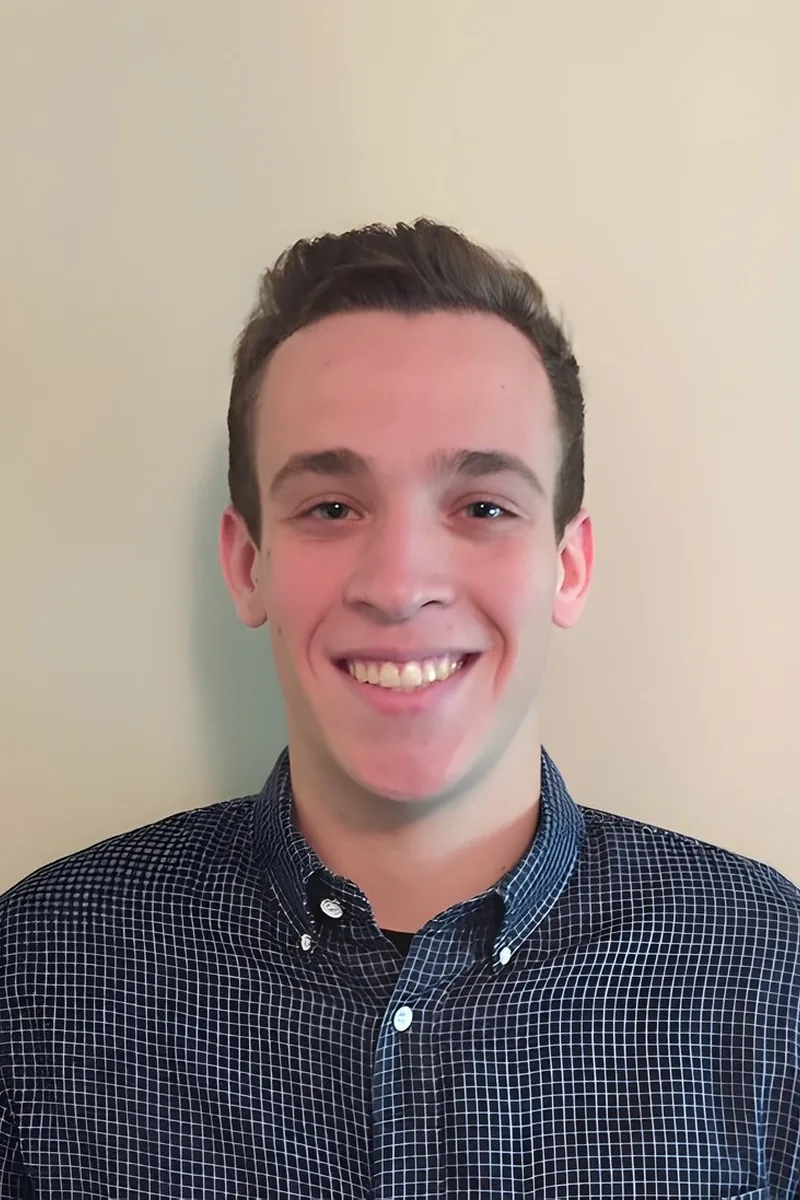
Studying physics with a concentration in chemical principles at Penn means Max encounters organic chemistry from the physical side first — thermodynamics of reaction pathways, orbital interactions driving nucleophilic attacks, and the energy landscapes that determine whether a substitution or elimination wins out. That perspective lets him teach mechanisms by grounding arrow-pushing in the physics of why electrons move, not just where they go.

Four years of tutoring organic chemistry at Yale — while simultaneously doing pre-med coursework — gave Marcus a sharp sense of where students get stuck, particularly with carbonyl reactivity and multi-step synthesis planning. His current research at the Hospital for Special Surgery keeps him actively applying these concepts, so he teaches functional group transformations as interconnected tools rather than an isolated reaction catalog.
A bio-organic chemistry degree means Alex didn't just pass orgo — the entire major was built around understanding how molecular structure dictates reactivity, from substitution and elimination selectivity to multi-step synthesis design. He breaks down each mechanism by identifying the nucleophile, electrophile, and driving force first, so students develop a repeatable framework instead of a growing pile of flashcards. That same logic scales directly into spectroscopy interpretation and retrosynthetic analysis when exams get harder.
Reaction mechanisms are the backbone of organic chemistry, and Natasha teaches them the way she learned them in her biomolecular engineering program — by tracing electron movement step by step until the logic feels inevitable rather than arbitrary. She digs into arrow-pushing, stereochemistry, and functional group reactivity by asking students to predict products before revealing answers, building real intuition for how molecules behave.
Reaction mechanisms are essentially stories told with curved arrows, and the trick is learning to read them rather than memorize hundreds individually. Mark approaches organic chemistry by teaching students to recognize patterns — nucleophilic attacks, leaving group stability, steric effects — so they can predict products on reactions they've never seen before. His chemistry coursework at Notre Dame keeps these concepts fresh and grounded in real molecular behavior.
As an MD/PhD student at Northwestern doing doctoral research in organic synthesis, Austin lives in the world of reaction design — figuring out which bonds to form, which protecting groups to use, and why one retrosynthetic route beats another. That daily immersion means he teaches mechanisms and stereochemistry with the fluency of someone who actually builds molecules, not just someone who once passed the course.
Daniel's PhD work in genetics and neuroscience at Rockefeller means he uses organic chemistry daily — understanding how small molecules interact with proteins, how drug candidates are designed, and why stereochemistry matters at the molecular level. That real-world context turns topics like carbonyl reactivity and functional group transformations into something students can anchor to actual science, not just exam prep.
Most students dread organic chemistry because it feels like a new language, but the logic underneath reaction mechanisms is surprisingly consistent once someone lays it out clearly. Ade approaches each reaction type — substitution, elimination, addition — by teaching students to read electron movement and predict products rather than memorize hundreds of individual reactions.
I'm a current medical student at VCU School of Medicine, and a graduate of Johns Hopkins University. I received my Bachelor of Science in Molecular and Cellular Biology. I've had the pleasure of tutoring a diverse range of students for 5 years; while I tutor a broad set of subjects, I'm most passionate about biology, psychology, and chemistry. I'm a big proponent of ensuring understanding over memorization and teaching concepts that last for years to come (particularly for other students interested in medicine!) In my free time, I love to write poetry, edit essays, and gush about game writing with friends.
Jonathan's human biology degree and pre-med track at Cornell meant organic chemistry wasn't just a prerequisite — it was the course that connected molecular structure to everything he'd later study in physiology and biochemistry. He tackles synthesis problems and spectroscopy interpretation by linking functional group behavior back to biological relevance, which gives students a reason to care about each mechanism. Rated 4.9 by students.
Decades of running an organic chemistry research lab and teaching it at the college level mean Wyatt has explained arrow-pushing mechanisms, retrosynthetic analysis, and spectroscopy interpretation thousands of times — and learned exactly where students get stuck on each one. His PhD in the subject gives him the depth to trace a tricky multi-step synthesis back to the underlying electronic principles, then rebuild it at whatever pace clicks. Rated 4.9 by students.
Reaction mechanisms in organic chemistry are essentially molecular storytelling — electron pairs move, bonds break and form, and stereochemistry shifts in predictable ways. Andrew's molecular biology training required deep fluency with organic reactions at the biomolecular level, so he teaches arrow-pushing and functional group transformations as logical sequences rather than steps to memorize.
Testimonials
Because the right Organic Chemistry tutor makes all the difference.
Average Session Rating – Based on 3.4M Learner Ratings
Practice Organic Chemistry
Free practice tests, flashcards, and AI tutoring for Organic Chemistry
Nearby Organic Chemistry Tutors
Other Omaha Tutors
Related Science Tutors in Omaha
Frequently Asked Questions
Organic Chemistry requires visualizing molecules in 3D space and understanding reaction mechanisms that aren't always intuitive—it's not just memorization. Many students struggle with connecting abstract concepts like electron movement and bonding to actual chemical behavior. Personalized tutoring helps you move beyond memorizing reactions to truly understanding the "why" behind each mechanism, which is essential for success in the course.
Your first session focuses on understanding your current level, identifying specific challenge areas (whether it's reaction mechanisms, nomenclature, or synthesis problems), and building a personalized learning plan. A tutor will assess how you're visualizing molecular structures and which concepts need the most attention. This foundation helps ensure every session afterward targets your exact needs and learning style.
Expert tutors use multiple strategies—drawing 3D structures, working with molecular models, and walking through electron movement step-by-step—to help abstract concepts click. Rather than just showing you a reaction, they'll help you understand how electrons move, why bonds break and form, and how to predict products. This builds spatial reasoning skills that transform Organic Chemistry from confusing to manageable.
Not in the way many students think—the goal is understanding reaction patterns and mechanisms so you can apply them to new problems, not just recalling reactions you've seen before. A tutor helps you recognize functional groups, predict reactivity, and understand why certain reactions occur under specific conditions. This conceptual foundation means you'll retain information longer and handle unfamiliar problems on exams with confidence.
Many Organic Chemistry courses include lab components, and tutoring bridges the gap between theoretical mechanisms and what actually happens in the flask. A tutor can help you understand the purpose of each step in an experiment, interpret your results, and connect them back to the reaction mechanisms you're studying. This integration strengthens both your conceptual understanding and your ability to think like a chemist.
Synthesis problems require working backward from a target molecule to plan a route using reactions you know—it's one of the most challenging aspects of Organic Chemistry. A tutor teaches you systematic strategies for analyzing functional groups, identifying key transformations, and building confidence in your problem-solving approach. With guided practice, you'll develop the reasoning skills to tackle even complex synthesis questions.
Pricing varies based on the tutor's expertise and your location in the Omaha area, and Varsity Tutors connects you with tutors who can work around your schedule—whether that's before exams, weekly sessions, or intensive preparation. You can discuss rates and availability directly when matched with a tutor. Many students find that focused, personalized sessions are more cost-effective than struggling through the course alone.
Effective exam prep involves reviewing past exams, practicing mechanisms under timed conditions, and identifying weak spots—all areas where a tutor can provide targeted support. Rather than cramming reactions the night before, working with a tutor throughout the course builds the deep understanding that shows up on exam day. In the weeks leading up to an exam, tutoring sessions can focus on your specific trouble areas and test-taking strategies.
Let’s find your perfect tutor
Answer a few quick questions. We’ll recommend the right plan and match you with a top 5% tutor.