Award-Winning Japanese Tutors
serving Omaha, NE
Japanese
Tutors in Omaha
Private 1-on-1 tutoring, weekly live classes for academic support, test prep & enrichment, practice tests and diagnostics, and more to elevate grades and test scores.
Based on 3.4M Learner Ratings
UniversitiesSchools & Universities
DeliveredHours Delivered
ProficiencyGrowth in Proficiency
Who needs tutoring?
No obligation. Takes ~1 minute.

Crystal minored in Japanese Language and Culture at Northern Kentucky University, so she brings both formal study and genuine cultural curiosity to teaching everything from kana writing to grammar fundamentals. Her day job as a K-12 reading and ESL instructor means she's trained to break down unfamiliar language structures for learners at any level — a skill that pays off when explaining Japanese concepts like sentence-final particles or basic verb tenses that have no English equivalent. Rated 5.0 by students.
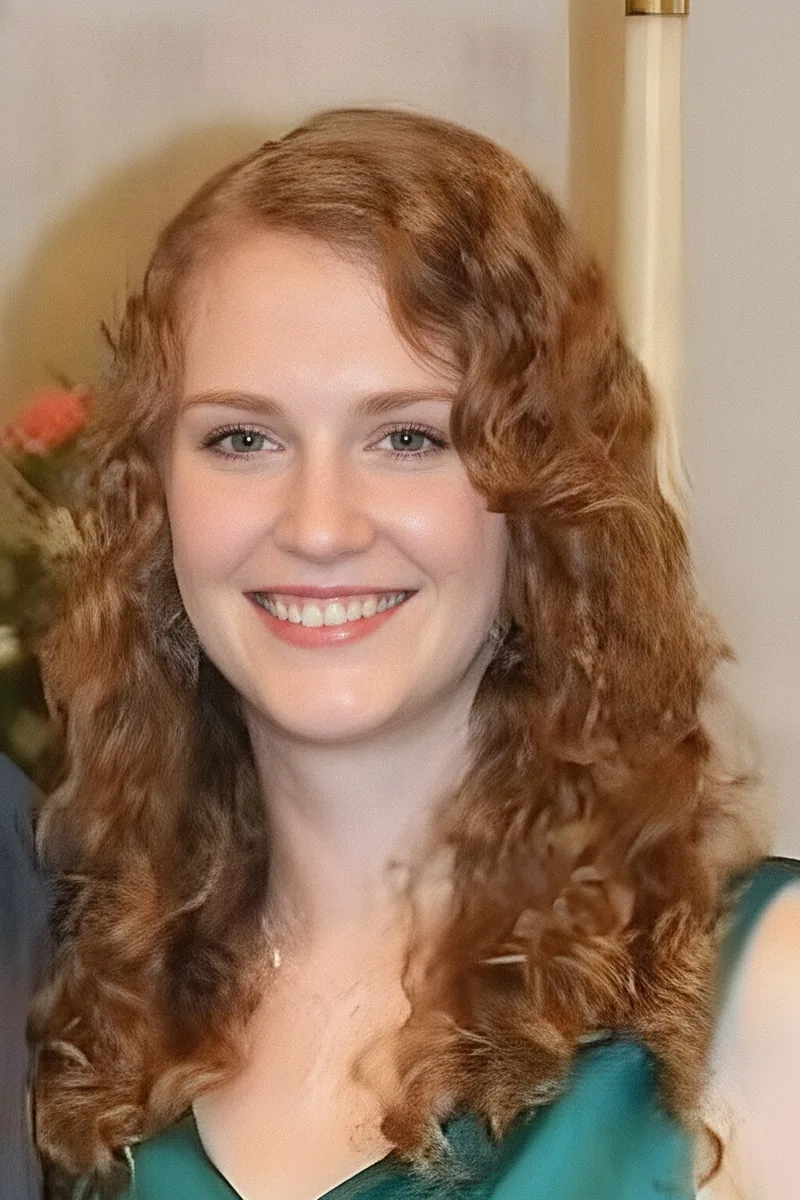
Briana minored in Japanese at Michigan State, giving her a grounded understanding of the language's grammar patterns, particle usage, and writing systems — hiragana, katakana, and introductory kanji. She approaches Japanese as someone who learned it systematically in an academic setting, which means she can explain the "why" behind structures that often confuse English speakers.
Growing up attending the Japanese Weekend School of New Jersey while enrolled in American public schools, Hidefusa developed native-level fluency in both languages and a deep understanding of where English speakers stumble with Japanese. He teaches everything from hiragana and katakana basics to kanji recognition, particle usage, and keigo (formal speech) — drawing on the bilingual instincts of someone who has lived in both linguistic worlds.
I am a current student at the University of Vermont. I am completing two Bachelors in Linguistics and Japanese, and am a researcher for both departments. From high school to the present day I have tutored people my age and younger, and I have experience working with refugee/ELL students; I have collected 2 years of experience. Though I can tutor several subjects, I am most passionate for Japanese, and feel it is my true calling. In my experience helping those who want to learn a foreign language like Japanese, I have found that scaffolding, or building off of, your interests in film, food, literature and culture has a profound and positive effect on your learning. I love education and learning for the sake of learning, and I will soon graduate and plan to teach English in Japan; sharing language and culture is my way of helping others and the world.
Between his East Asian Studies major at Harvard, his presidency of the Harvard College Japan Initiative, and his work in the Yenching Library's Japanese Collection, Shane lives and breathes Japanese. He reads novels and plays games in Japanese for fun, which means he teaches the language the way it's actually used — from kanji recognition and particle usage to the register shifts that textbooks barely cover.
I am also fluent (reading/listening/writing) in Cantonese and mandarin Chinese because of my upbringing. Half of my childhood education was received in Hong Kong and the other half was in Australia.
Jacob's degree in East Asian Languages and Civilizations from the University of Chicago means his Japanese instruction is rooted in deep study of the culture, history, and linguistic traditions behind the language. He connects vocabulary and grammar to their cultural logic — explaining why certain verb endings carry social weight or how kanji compounds reflect Chinese origins — giving students a richer understanding than drills alone provide. Rated 5.0 by students.
Damien studied Asian studies at Cornell, where Japanese language and culture were central to his coursework. He approaches the language by grounding grammar patterns — particles like は versus が, verb conjugation groups, and sentence-ending forms — in real context so they stick. Rated 5.0 by students, he makes the jump from textbook exercises to actual comprehension feel manageable.
I am a great tutor because not only are my fundamental verbal and quantitative skills strong, but I am able to communicate my reasoning and problem solving skills quickly and clearly.
I am an experienced tutor and teacher from Okinawa, Japan who recently graduated from Brown University and now lives in Brooklyn.
Hi! It's Wataru. I am originally from Japan and have been living in New York since 2000. I had a career as an industrial newspaper pressman/editor in Tokyo so that I know newspaper level strict grammar and manner of business speech. I watch anime and I can talk about Japanese subculture with you if you like. I have been teaching Japanese language in person and online. I have taught from beginners to JLPT N3 certificate prep students. I've taught American, Canadian, English, Indian, German, Australian, Mexican, and so on. Teaching is one of my way to feel the joy of supporting people. I'll help you master the language and dive into Japanese culture and subculture. Once you start to think in Japanese, you will notice that your way of communication changes. English is good for business, law, and science while Japanese is more about sharing feelings. The waiters in Japan may be reluctant to serve your table, but my students prepare well to make them feel at ease and they have fantastic travel in Japan.
Learning Japanese means juggling three writing systems, honorific levels, and grammar that works nothing like English — and Karen tackles all of it from firsthand experience using the language abroad. Whether a student is memorizing their first hundred kanji or practicing particle usage in complex sentences, she builds each lesson around practical communication skills.
Testimonials
Because the right Japanese tutor makes all the difference.
Average Session Rating – Based on 3.4M Learner Ratings
Nearby Japanese Tutors
Other Omaha Tutors
Related Languages Tutors in Omaha
Frequently Asked Questions
Your first session is an opportunity to discuss your goals—whether you're preparing for an AP exam, building conversational skills, or starting from scratch. A tutor will assess your current level across reading, writing, listening, and speaking to create a personalized learning plan. This helps ensure every session targets your specific needs and learning pace.
Classroom settings often limit speaking time, but personalized tutoring gives you consistent, dedicated practice with a tutor who can correct pronunciation, model natural speech patterns, and adjust difficulty in real time. This focused speaking practice is one of the most effective ways to build confidence and fluency, especially for students who feel hesitant speaking in group settings.
Japanese grammar—including verb conjugation, particles, and sentence structure—works very differently from English, which makes it challenging for many learners. A tutor can break down complex concepts like tense, aspect, and particles into digestible pieces, then reinforce them through targeted practice. The key is understanding the logic behind the rules rather than just memorizing patterns.
Effective vocabulary learning combines spaced repetition, contextual use, and active recall—all strategies a tutor can build into your lessons. Rather than memorizing isolated words, learning vocabulary through real conversations, reading passages, and writing exercises helps it stick longer. A tutor can also help you organize vocabulary by theme or difficulty level, making it easier to build practical, usable language skills.
Absolutely. Understanding Japanese culture—from honorifics and politeness levels to cultural references in media—makes the language more meaningful and easier to retain. Many tutors weave cultural context into lessons, helping you understand not just what to say, but when and how to say it appropriately. This cultural immersion approach also makes learning more engaging and relevant to real-world use.
Yes. AP Japanese requires proficiency across all four skills—reading, writing, listening, and speaking—plus cultural knowledge. A tutor can help you practice exam-style prompts, refine your speaking responses for the interpersonal and presentational sections, and build the vocabulary and grammar foundation needed for the exam. With personalized guidance, you can focus on your weaker areas and build test-taking confidence.
With consistent practice, most learners can hold basic conversations within 3-6 months of regular tutoring. Reaching professional proficiency typically takes 600+ hours of study, but you'll notice meaningful progress much sooner. The timeline depends on your starting point, how often you study, and how much you practice outside of tutoring sessions—your tutor can help you set realistic milestones and stay motivated.
Varsity Tutors connects you with expert tutors who understand Japanese language instruction and can personalize lessons to your goals and learning style. Whether you need help with conversational fluency, exam preparation, or grammar fundamentals, you'll be matched with someone qualified to support your specific needs. The process is straightforward—just tell us your goals and availability, and we'll handle the rest.
Let’s find your perfect tutor
Answer a few quick questions. We’ll recommend the right plan and match you with a top 5% tutor.