Award-Winning AP Chemistry Tutors
serving Omaha, NE
AP Chemistry
Tutors in Omaha
Private 1-on-1 tutoring, weekly live classes for academic support, test prep & enrichment, practice tests and diagnostics, and more to elevate grades and test scores.
Based on 3.4M Learner Ratings
UniversitiesSchools & Universities
DeliveredHours Delivered
ProficiencyGrowth in Proficiency
Who needs tutoring?
No obligation. Takes ~1 minute.
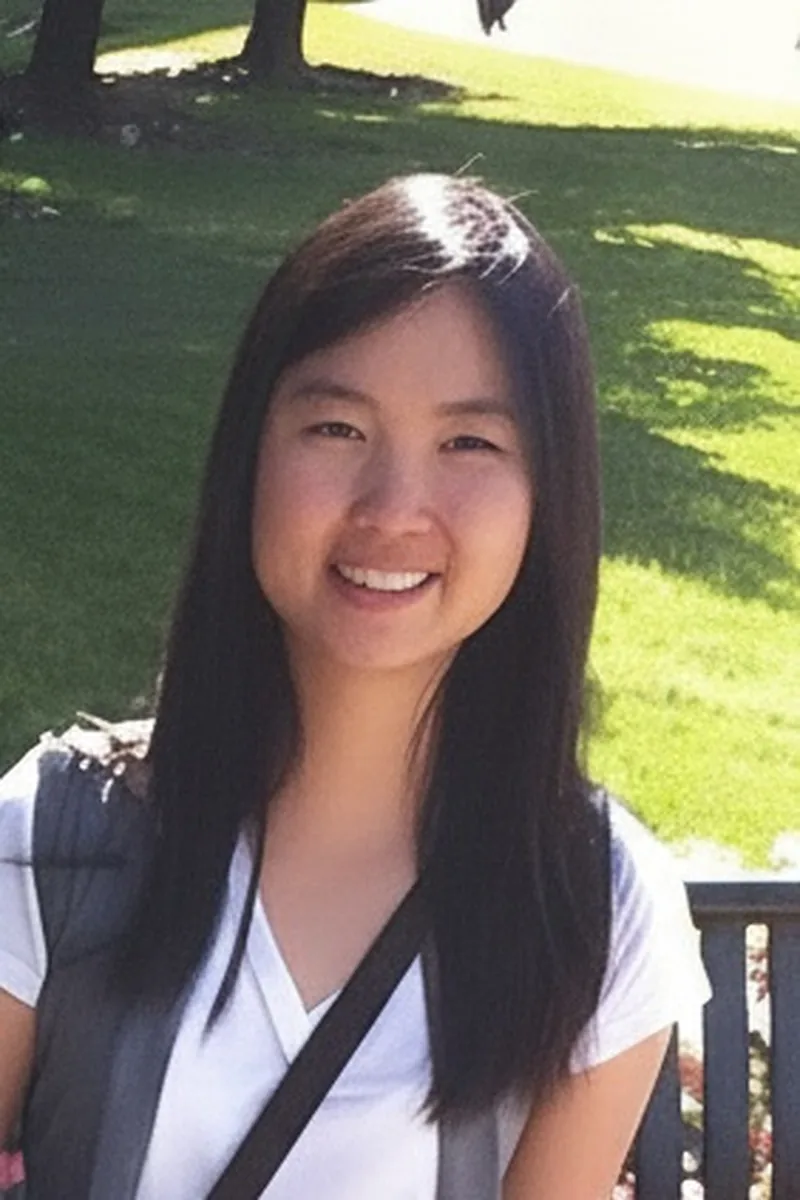
The jump from regular chemistry to AP Chemistry is mostly about depth: suddenly students need to explain why equilibrium shifts, not just predict which direction. Natalie breaks down thermodynamics, kinetics, and electrochemistry using the quantitative rigor she developed as a chemistry major, walking through multi-step problems the way she'd approach them in a university lab setting.
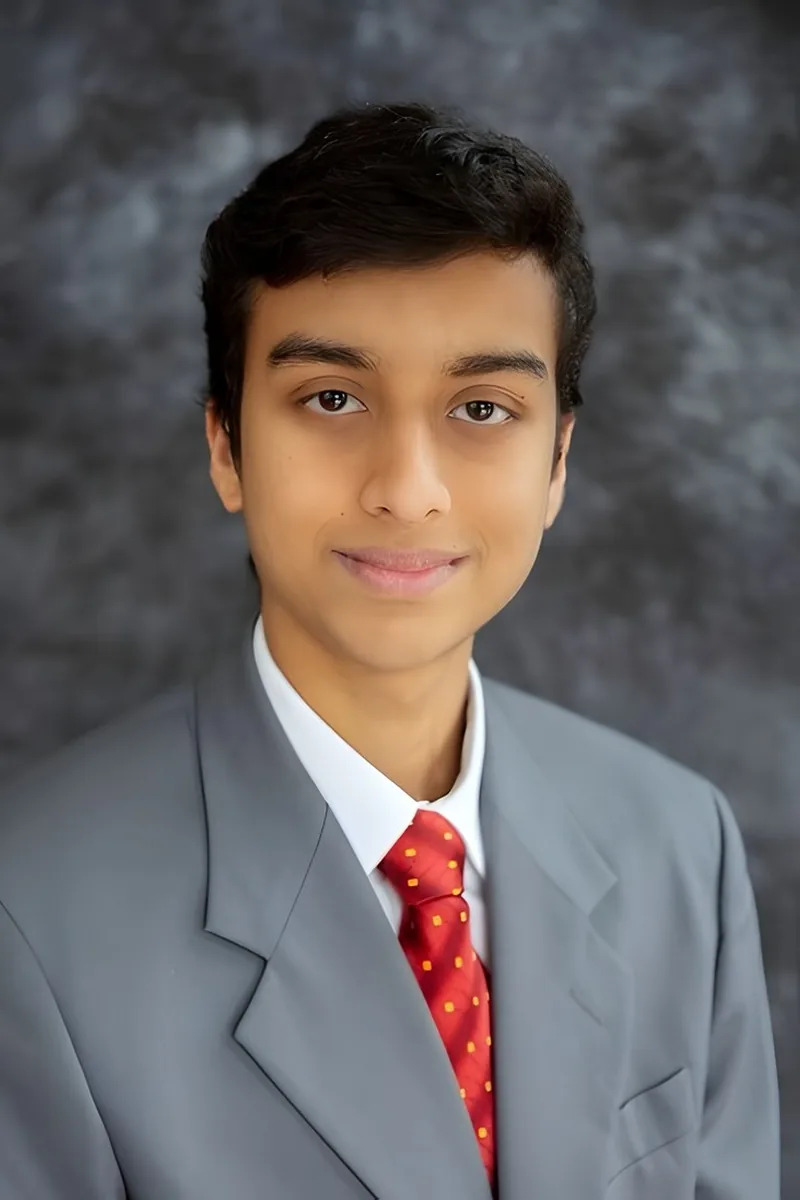
Equilibrium calculations and thermodynamics tend to be the units where AP Chemistry separates students who understand the 'why' from those running on memorized procedures. Sharan digs into the conceptual logic behind Le Chatelier shifts and Gibbs free energy so that quantitative problems feel like extensions of ideas, not isolated formulas. Her premed science background at Cornell keeps her sharp on exactly the kind of rigorous problem-solving the AP exam rewards.
AP Chemistry's free-response questions demand more than memorizing reactions — they require students to connect equilibrium, thermodynamics, and kinetics into coherent explanations under time pressure. Vishank's data analytics background at Ohio State sharpens how he breaks down multi-step problems, teaching students to identify what the question is really testing before diving into calculations. Rated 4.9 by students.
AP Chemistry's toughest stretch for most students is the leap from stoichiometry into equilibrium, thermodynamics, and electrochemistry, where conceptual reasoning matters as much as calculation. Jhonatan's extensive lab science background in biological sciences means he thinks about chemical principles in applied contexts — reaction kinetics, buffer systems, Gibbs free energy — and explains them with that same concreteness.
Neuroscience at Yale meant David didn't just take chemistry — he needed it to make sense of membrane potentials, neurotransmitter synthesis, and receptor pharmacology, all of which rest on principles like electrochemistry and molecular interactions that show up directly on the AP Chemistry exam. That gives him a knack for explaining why a reaction proceeds spontaneously or how intermolecular forces dictate physical properties, because he learned those concepts as tools for solving real problems, not as isolated textbook chapters. Rated 5.0 by students.
Thermodynamics, equilibrium, and reaction kinetics form the backbone of AP Chemistry — and they're also foundational to Owen's neuroscience studies at Brown, where understanding chemical behavior at the molecular level is non-negotiable. He unpacks abstract concepts like Gibbs free energy and intermolecular forces by tying them to tangible examples, making the logic behind each problem visible before students ever touch a calculator.
Running an immunology lab at Columbia University Medical Center means Matthew deals with chemical assays, buffer systems, and reaction protocols daily — the kind of hands-on chemistry that makes AP topics like acid-base equilibria and reaction energetics feel concrete rather than abstract. His physics degree also sharpens how he teaches the thermodynamics and kinetics portions of the exam, where understanding energy relationships mathematically is just as important as knowing the chemistry. A 35 ACT and 1540 SAT reflect the analytical precision he brings to exam preparation.
Cornell's engineering curriculum put Ravnoor through rigorous college-level chemistry, and his computer science training sharpened the algorithmic thinking that pays off when students need to systematically work through multi-step problems like limiting reagent calculations or electrochemical cell setups. He teaches AP Chemistry's quantitative sections by treating each problem like a debugging exercise — isolating variables, checking units at every step, and building toward answers methodically rather than jumping to formulas. Rated 5.0 by students.
Thermochemistry, equilibrium, and electrochemistry each demand a different kind of thinking, which is part of what makes AP Chem so challenging. Kate tackles each unit by connecting the math to the molecular-level story — explaining why Le Chatelier's principle works, not just how to apply it. Her engineering coursework in chemistry gives her a practical fluency that translates well to exam prep.
Equilibrium, thermodynamics, and reaction kinetics aren't abstract concepts for Kristen — they were daily tools in her chemical-biological engineering coursework. She teaches AP Chemistry by connecting each unit back to underlying principles, so students can reason through unfamiliar free-response questions instead of relying on memorized shortcuts. Rated 4.9 by students.
Stoichiometry, equilibrium, and thermodynamics each require a different kind of problem-solving, and AP Chemistry expects fluency in all of them by May. Kendall approaches each unit by anchoring the math in the underlying chemical logic — why a reaction favors products, what a mole ratio actually represents — so students can reason through unfamiliar problems on the exam. She also dedicates time to the lab-based questions that many students overlook in their prep.
Eric earned his master's in inorganic chemistry and scored a 1500 on the SAT, so he knows both the content depth and the test-taking stamina that AP Chemistry demands. He digs into the trickiest parts of the exam — equilibrium calculations, electrochemistry, and thermodynamic reasoning — with the kind of precision that turns 3s into 5s. His 5.0 client rating speaks to how well that approach lands.
Rice University's biology curriculum gave Perry a college chemistry foundation built around real applications — understanding how Le Chatelier's principle governs physiological buffering, or why Gibbs free energy determines whether a metabolic pathway runs forward. He brings that applied lens to AP Chemistry's free-response questions, teaching students to reason through problems rather than pattern-match from practice sets. Rated 5.0 by students.
Testimonials
Because the right AP Chemistry tutor makes all the difference.
Average Session Rating – Based on 3.4M Learner Ratings
Practice AP Chemistry
Free practice tests, flashcards, and AI tutoring for AP Chemistry
Nearby AP Chemistry Tutors
Other Omaha Tutors
Related Science Tutors in Omaha
Frequently Asked Questions
Score improvement depends on your starting point and how consistently you engage with tutoring. Most students who work with a tutor see measurable gains within 4-6 weeks, particularly in areas like equilibrium, thermodynamics, and acid-base chemistry where conceptual understanding is critical. Varsity Tutors connects you with expert tutors who can identify your specific weak areas and create a targeted study plan to maximize your score before exam day.
Students in Omaha and across the country often struggle most with equilibrium calculations, thermodynamics (entropy and Gibbs free energy), and electrochemistry—topics that require both strong conceptual understanding and problem-solving skills. Acid-base chemistry and kinetics also trip up many students because they involve multiple interconnected concepts. Personalized 1-on-1 instruction is especially valuable for these topics since a tutor can break down complex ideas, work through practice problems at your pace, and address misconceptions before they compound.
The AP Chemistry exam has 60 minutes for the multiple-choice section (60 questions) and 105 minutes for the free-response section (3 long questions and 4 short questions). A solid strategy is to spend about 1 minute per multiple-choice question, flagging harder ones to revisit, and allocating roughly 20-25 minutes per long free-response question. Tutors can help you practice this pacing through timed practice tests and teach you which questions to prioritize based on your strengths.
Aim to take at least 3-4 full-length practice tests under timed conditions in the 4-6 weeks leading up to the exam. This gives you multiple opportunities to identify weak areas, get comfortable with question formats, and build test-day stamina. After each practice test, work with a tutor to review mistakes in depth—understanding why you got something wrong is far more valuable than just seeing the correct answer.
Your first session is about building a personalized study plan. A tutor will assess your current understanding of key AP Chemistry topics, discuss your target score, and identify which concepts need the most work—whether that's stoichiometry, bonding, or equilibrium. You'll also talk about your learning style and timeline so the tutor can tailor lessons to help you succeed on exam day.
Test anxiety often stems from feeling unprepared or uncertain about problem-solving strategies. Working with a tutor builds genuine confidence by helping you master difficult concepts, practice under realistic exam conditions, and develop a toolkit of strategies for tackling unfamiliar questions. Tutors can also teach relaxation techniques and help you reframe test-taking as an opportunity to show what you know rather than something to fear.
Varsity Tutors connects you with tutors who have strong chemistry backgrounds, often including college chemistry coursework, teaching experience, or advanced degrees in chemistry or related fields. Many have helped numerous students prepare for the AP Chemistry exam and understand exactly which topics cause the most confusion. When you connect with a tutor, you can review their qualifications and experience to ensure they're the right fit for your needs.
Most students benefit from 1-2 tutoring sessions per week, each lasting 60-90 minutes, combined with independent practice between sessions. If you're starting several months before the exam, this pace allows time for deep learning and reinforcement. If you're closer to exam day, you might increase to 2-3 sessions weekly. Your tutor can help you balance tutoring with your own study time to build a schedule that fits your needs and maximizes your readiness.
Let’s find your perfect tutor
Answer a few quick questions. We’ll recommend the right plan and match you with a top 5% tutor.