Award-Winning Biostatistics Tutors
serving St. Paul, MN
Biostatistics
Tutors in St. Paul
Private 1-on-1 tutoring, weekly live classes for academic support, test prep & enrichment, practice tests and diagnostics, and more to elevate grades and test scores.
Based on 3.4M Learner Ratings
UniversitiesSchools & Universities
DeliveredHours Delivered
ProficiencyGrowth in Proficiency
Who needs tutoring?
No obligation. Takes ~1 minute.
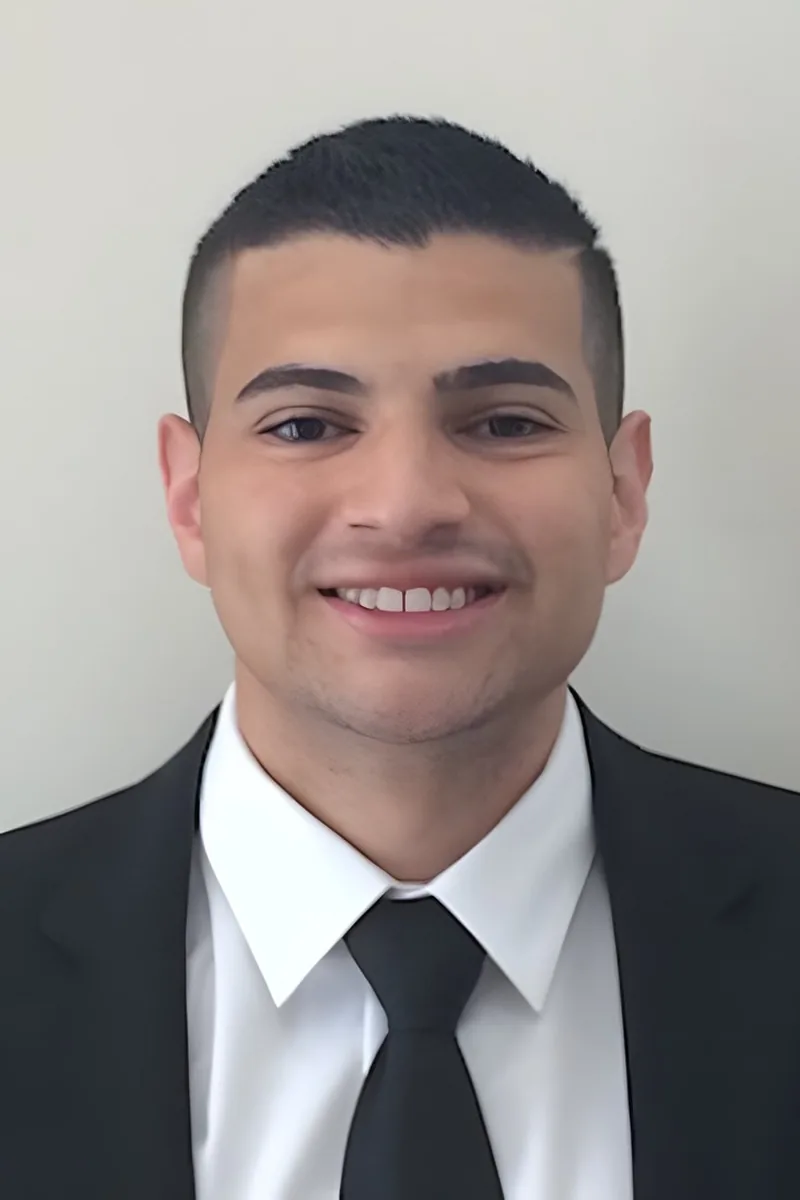
Statistical thinking doesn't come naturally to most biology students, which is exactly where biostatistics courses lose people. Mike tackles concepts like odds ratios, survival analysis, and hypothesis testing by grounding each method in the clinical research context where it actually gets used — an approach shaped by his medical training at Rutgers.
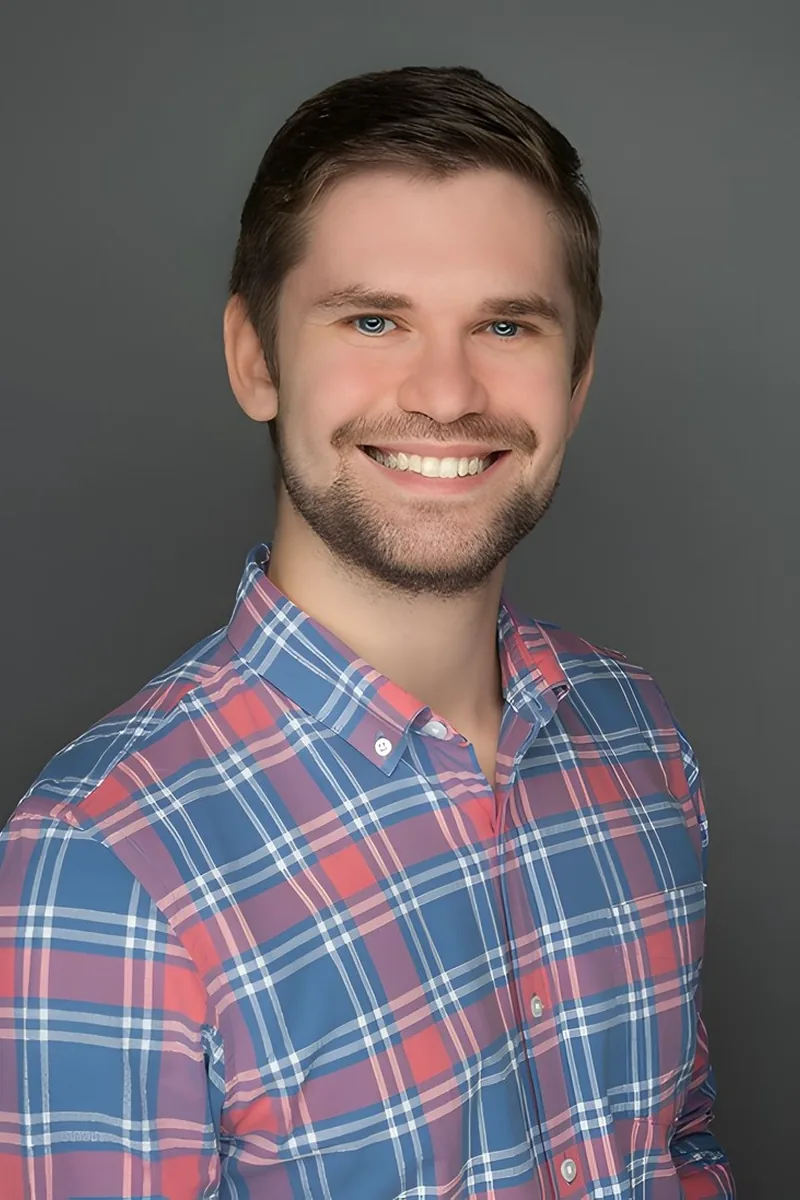
As a teaching assistant for a graduate-level biostatistics and R programming course at Nova Southeastern University, Tyler has walked students through everything from ANOVA designs to logistic regression in biological contexts. His own master's research on marine fish ecology keeps him actively using these methods — running power analyses, interpreting p-values, and building statistical models from messy field data.
A PhD in Statistics paired with a mathematics foundation means Bahaeddine doesn't just teach biostatistics formulas — he can explain the probabilistic theory underneath methods like logistic regression, survival analysis, and hypothesis testing, then show how those methods apply to biological and clinical datasets. Fifteen years of teaching statistics at the college level have given him a deep catalog of examples for making abstract concepts like p-values, confidence intervals, and study design feel concrete and intuitive.
Most biostatistics struggles come down to not knowing which test to use or why — is this a chi-square situation or a t-test, and what does the p-value actually mean? Amanda's Master of Public Health training required heavy coursework in epidemiological statistics, so she teaches biostatistics with the kind of applied, research-oriented framing that makes concepts like confidence intervals and regression analysis click. She walks through real study designs to show how statistical choices shape conclusions.
Biochemistry and molecular biology coursework means Aditya is constantly reading papers packed with survival curves, p-values, and confidence intervals — the kind of statistical literacy that comes from needing it to understand his own field, not just passing an exam. He breaks down concepts like probability distributions and measures of central tendency by walking through the biological data they're actually applied to, so the formulas feel purposeful rather than abstract.
Rachel's Master's in Environmental Health Sciences from Johns Hopkins required the same core biostatistics training that public health students dread — survival analysis, logistic regression, and interpreting epidemiological study results with real population data. Years of conservation fieldwork since then have kept her close to the kind of messy environmental datasets where picking the right statistical test actually shapes policy decisions. She connects methods like chi-square tests and confidence intervals back to the health and ecological questions they were built to answer.
Analyzing shark movement data across ocean receiver arrays means Sofia has spent years wrangling real ecological datasets — running survival analyses, building generalized linear mixed models, and interpreting spatial statistics. Her PhD research required designing studies with messy field data, so she teaches biostatistics through the lens of practical problems like sample size limitations, repeated measures, and accounting for detection probability.
Epidemiology graduate training is essentially applied biostatistics — Naushaba spent her master's program designing studies, calculating relative risks, and interpreting the kinds of population-level data that make concepts like confounding, bias, and survival analysis concrete rather than abstract. Her chemistry background adds a quantitative backbone that keeps her comfortable with the math underlying methods like logistic regression and chi-square tests.
Biology coursework generates the kind of data — population counts, gene expression levels, epidemiological surveys — where understanding which statistical test to run matters as much as understanding the biology itself. Ade's biology degree means he teaches concepts like probability distributions, measures of central tendency, and hypothesis testing by starting from the biological question rather than the formula sheet, so the reasoning behind each method clicks before the calculations begin.
Karista's PhD in Environmental Science meant analyzing messy field data — the kind where uneven sample sizes, non-normal distributions, and confounding variables force you to think carefully about which statistical approach actually fits. That experience designing and defending her own analyses carries over directly when she teaches concepts like ANOVA, multivariate regression, and experimental design in biostatistics. Rated 5.0 by students.
Teaching AP Chemistry, Honors Biology, and Anatomy & Physiology every day means Samuel is constantly working with the kinds of experimental data that biostatistics is built to analyze — comparing treatment groups, interpreting variability in lab results, and evaluating whether observed differences are real or just noise. His master's in science education sharpens how he breaks down concepts like descriptive statistics, probability, and hypothesis testing so they feel like practical tools rather than abstract formulas. Rated 4.9 by students.
Applying to medical school while pursuing a Master's in Public Health means Jakobi is knee-deep in the kind of data analysis biostatistics courses demand — study design, hypothesis testing, and interpreting results in health contexts. His biology degree gives him the scientific grounding to explain why a particular statistical method fits a biological question, whether students are wrestling with relative risk calculations or figuring out when to use a t-test versus ANOVA.
Testimonials
Because the right Biostatistics tutor makes all the difference.
Average Session Rating – Based on 3.4M Learner Ratings
Nearby Biostatistics Tutors
Other St. Paul Tutors
Related Science Tutors in St. Paul
Frequently Asked Questions
Varsity Tutors matches St. Paul students with expert Biostatistics tutors for 1-on-1 instruction. We pair each student with a tutor based on their specific needs, learning style, and goals.
Whether you need homework help, exam prep, or want to get ahead, our Biostatistics tutors are ready to help.
Common challenges include gaps from earlier material, difficulty with specific concepts, and trouble applying learning to new problems. These issues can snowball quickly in Biostatistics.
A tutor identifies where you're stuck, fills in gaps, and provides targeted practice. The 1-on-1 format means you get help exactly where you need it.
Tutors work with your student's actual coursework—homework assignments, class notes, and upcoming tests. This keeps tutoring directly relevant to what's happening in the classroom.
When you share information about your student's school and curriculum, we can match you with a tutor who has relevant experience.
All tutors complete background checks, credential verification, and teaching evaluation. Many of our Biostatistics tutors hold advanced degrees or have years of teaching experience.
You can review tutor profiles to find someone with the right background for your student's level and needs.
Many students see improved grades within a few weeks, along with better understanding of Biostatistics concepts and more confidence tackling challenging material.
Tutors track progress and adjust their approach to ensure continued improvement.
Most students benefit from 1-2 sessions per week. More frequent sessions help if your student is significantly behind or has an important exam coming up.
Your tutor can recommend a schedule based on your student's specific situation and goals.
Tutoring is purchased in packages of hours, with rates varying by tutor experience. Varsity Tutors offers several options to fit different budgets and needs.
You can discuss pricing during your consultation to find what works best.
Your tutor will assess where your student is, discuss goals, and start working on priority areas. Most students bring current homework or upcoming test material to focus on.
By the end, you'll have a clear sense of how the tutor can help and a plan for moving forward.
Let’s find your perfect tutor
Answer a few quick questions. We’ll recommend the right plan and match you with a top 5% tutor.