Award-Winning Computer Science Tutors
serving Grand Rapids, MI
Computer Science
Tutors in Grand Rapids
Private 1-on-1 tutoring, weekly live classes for academic support, test prep & enrichment, practice tests and diagnostics, and more to elevate grades and test scores.
Based on 3.4M Learner Ratings
UniversitiesSchools & Universities
DeliveredHours Delivered
ProficiencyGrowth in Proficiency
Who needs tutoring?
No obligation. Takes ~1 minute.
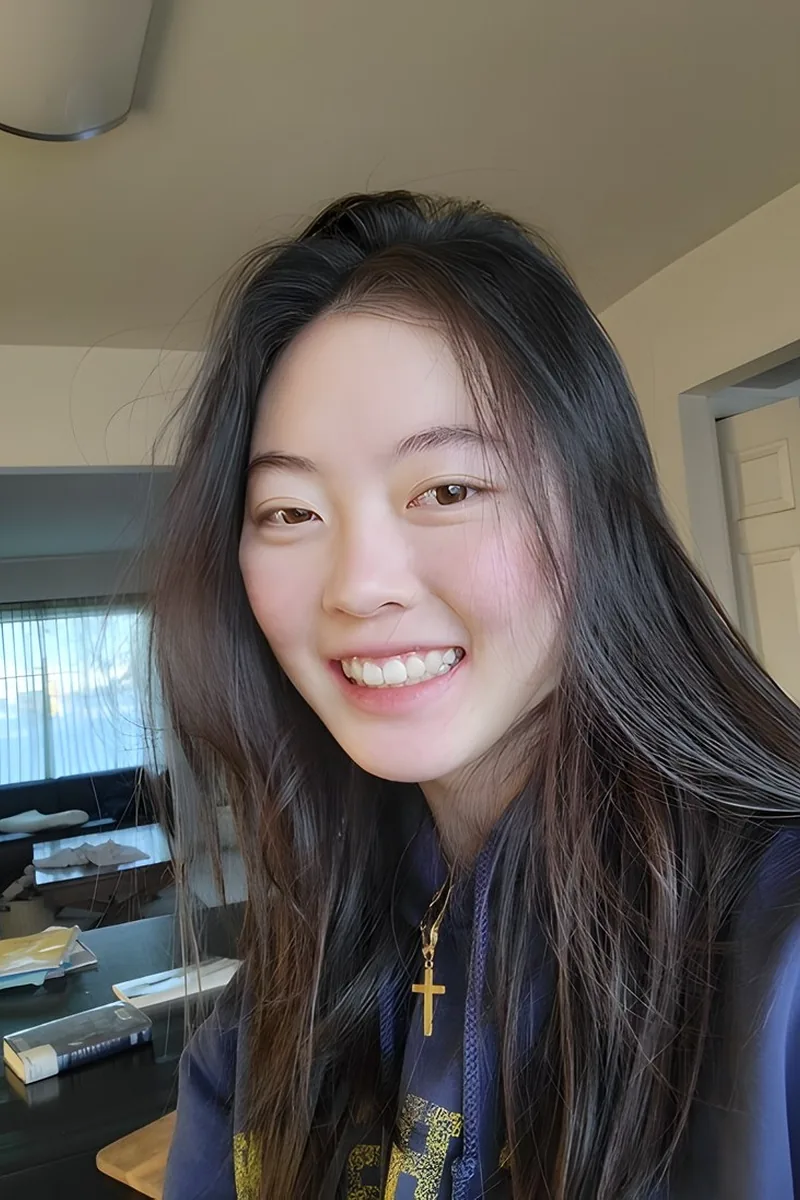
I am a undergraduate freshman of the University of Michigan, studying business at the Ross School of Business. Working together with students and having a good time while seeing steady improvements has proven to provide me great joy. I believe that communication and relationship building is crucial for students to open up about their struggles and also for me to identify problems they don't realize they can improve on, so this is a key aspect of all of my lessons. During my free time, I enjoy playing sports or snacking on desserts while binge-watching Friends!
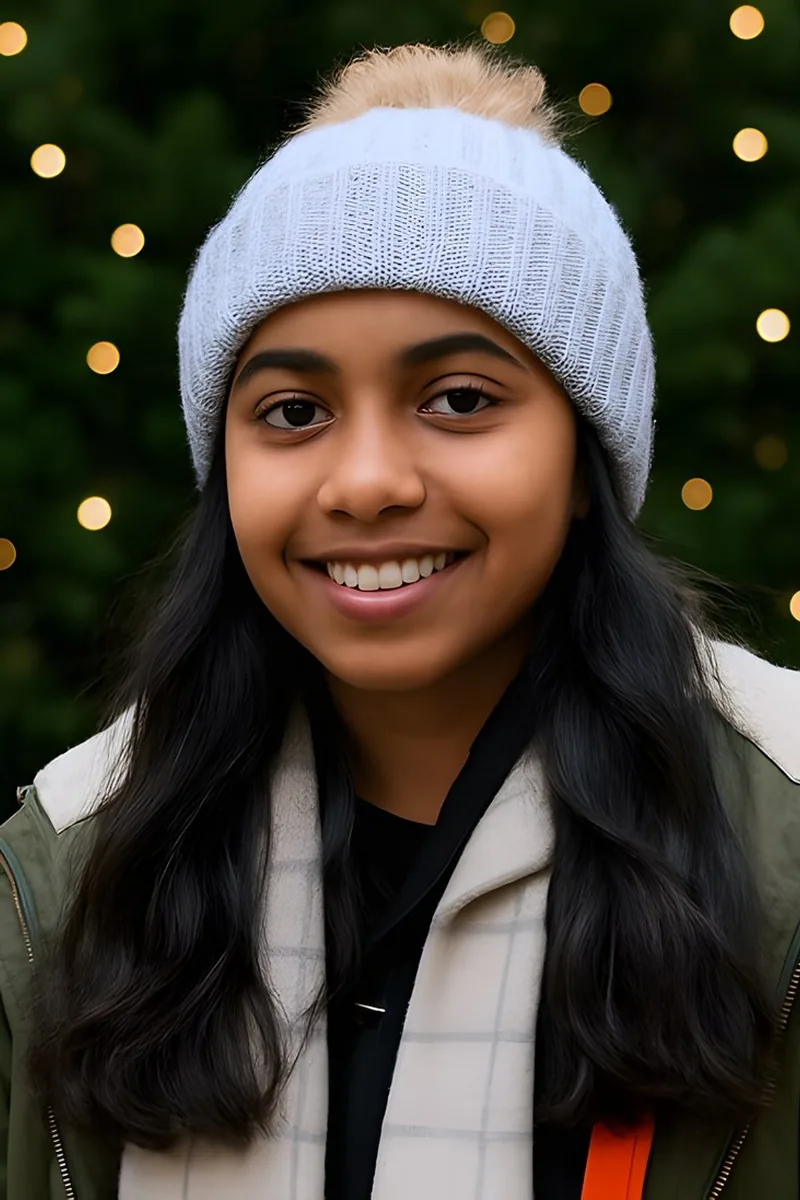
Earning a CS degree from the University of Michigan means Nikitha has worked through everything from data structures and algorithms to systems programming and software design. She teaches concepts through discussion rather than lecture, pushing students to reason through problems like debugging a recursive function or choosing the right data structure for a given task.
I am a junior Computer Science major in the College of Engineering at Cornell University. I have experience tutoring in the National Honor Society in high school, as well as on numerous occasions with acquaintances of mine who were struggling and needed a hand. I tutor high school computer science especially in java and python, as well as algebra (1 & 2) and calculus 1. I love tutoring the math subjects especially, because I feel very comfortable with the subjects and enjoy abstracting them in different ways to help any individual. I believe that success in education is key to building a great life for oneself, and that any person can succeed with the proper work ethic and support network. Even more, I love to see when people I have helped are successful, regardless of area of life. In my spare time, I love to follow college football and basketball and talk about games.
From writing your first loop to understanding recursion and sorting algorithms, computer science rewards a specific kind of thinking — breaking big problems into smaller, solvable pieces. Nishika earned her CS degree at Michigan and has taught programming in Java, C++, Python, and Scratch to students at very different levels. She adapts her explanations to whether someone needs visual metaphors or wants to dive straight into code.
From data structures and sorting algorithms to Big-O analysis, computer science asks students to think about efficiency in a way no other subject does. William's engineering training built exactly that habit: decomposing a complex system, identifying bottlenecks, and optimizing step by step. He connects CS theory to tangible applications so concepts like recursion and linked lists feel intuitive rather than arbitrary.
From sorting algorithms to recursion to Big-O analysis, computer science is really about learning to think in layers of abstraction. Miral's financial math training at Michigan gave her deep comfort with algorithmic logic, and she applies that to teaching students how to design solutions before writing a single line of code.
I'm working towards a B.S. in Physics at Michigan State University with a minor in Computational Mathematics, Science, and Engineering. I've made the Chancellor's List every semester and am a member of my university's Honors College. I've worked with students as young as 11 and as old as 25 for the past couple of years, both online and in-person. Since I'm still a student myself, I can relate to clients and teach in a way that creates a comfortable and safe space. I tutor a broad range of subjects and would love to help you!
Krishanu earned his B.S. in Computer Science and teaches across the full stack — from data structures and algorithms to object-oriented design and recursion. He breaks down abstract concepts like Big-O analysis and memory management into concrete, traceable steps that make debugging and optimization feel intuitive.
I'm a premedical student at Cornell University with extensive experience tutoring students, especially in chemistry at the high school and undergraduate level, writing at the high school and undergraduate level, and SAT/ACT prep.
Trained in computer science at UT Austin and currently pursuing a PhD that blends computational methods with social science, David brings both theoretical depth and applied versatility to CS instruction. He digs into core topics like algorithm analysis, data structures, and computational complexity, connecting them to the kind of real-world problem-solving that makes the discipline click.
Jeff tackles computer science by connecting abstract concepts like recursion, data structures, and algorithmic complexity to concrete problem-solving steps students can follow. His science background means he's comfortable with the mathematical logic underlying CS, from Boolean algebra to Big-O analysis.
From data structures and algorithms to computational complexity, Michelle covers the core CS curriculum with the depth you'd expect from a Duke CS graduate heading into a PhD at Michigan. She's especially strong at explaining abstract concepts like recursion and graph traversal by connecting them to concrete, visual examples that make the logic intuitive.
As a computer science major at Boston University, Irene is immersed in the subject daily — from data structures and algorithms to object-oriented design. She breaks down abstract programming concepts into concrete steps, walking through how to trace logic, debug code, and think like a developer rather than just memorize syntax.
Allison's CS degree from Dartmouth means she's worked through the full arc — from writing first programs to tackling data structures, algorithms, and computational theory. She unpacks abstract concepts like recursion and Big-O analysis by walking through concrete code examples, making the logic visible before the notation takes over.
Three Bachelor of Science degrees — including Neuroscience — meant Anna was writing code long before she started teaching it, using Java, Python, and MATLAB to analyze data and build computational models across disciplines. That cross-field experience shapes how she teaches CS fundamentals: students don't just learn syntax, they learn to think about what a program needs to do before structuring it in any particular language. Rated 5.0 by students.
Studying computer science at Cornell, Eric tackles everything from algorithm analysis and Big-O notation to systems-level concepts like memory management and recursion. He breaks down problems the way a CS student actually encounters them — whiteboarding a solution, tracing through edge cases, then translating logic into clean code. His 5.0 rating speaks to how clearly that approach lands.
Most CS tutors come from pure software backgrounds — Clive's path runs through economics at Brown, where he picked up Java, Python, JavaScript, SQL, and HTML as tools for data analysis and building real projects rather than just completing problem sets. That applied angle makes him especially effective at teaching programming fundamentals and web technologies to students who learn better when code solves a tangible problem.
Studying both chemical engineering and computer science at Cornell gives Jonathan an unusual angle on programming — he's constantly writing code to solve quantitative, real-world problems rather than just completing standalone assignments. That dual perspective makes him especially effective at teaching algorithmic thinking and Java or Python fundamentals, since he can show students how CS concepts like iteration and data manipulation actually get applied in technical fields outside of software development.
Elizabeth's computer science degree and professional software development career mean she teaches CS concepts the way they're actually used — not just as textbook definitions. Whether it's understanding recursion, tracing through data structures, or reasoning about algorithmic efficiency, she connects abstract ideas to real code she's written on the job.
I am graduated from Penn State University in Industrial Engineering in 2017. I've tutored ever since I was in high school, and I love helping people! I like to help my students understand math (and other topics) instead of just doing it blindly. My goal is to help my students improve their math (and other topics) and build skills that will help them find learning easier in the future! Fun fact, I used to work for Disney and I like to salsa dance!
From sorting algorithms and Big-O analysis to data structures like linked lists and binary trees, Rhamy covers the foundational CS concepts that show up in coursework and technical interviews alike. His computer engineering degree at Vanderbilt, paired with experience in multiple languages, lets him explain abstract ideas through concrete code. Rated 5.0 by students.
Testimonials
Because the right Computer Science tutor makes all the difference.
Average Session Rating – Based on 3.4M Learner Ratings
Other Grand Rapids Tutors
Related Technology and Coding Tutors in Grand Rapids
Frequently Asked Questions
Your first session is all about understanding your current level and goals. A tutor will discuss what you're working on in class, review any code you've written, and identify specific challenges—whether that's understanding loops, debugging errors, or grasping algorithmic thinking. This helps create a personalized plan tailored to your learning pace and interests, whether you're focused on web development, data structures, or another area of computer science.
Debugging is a critical skill, and tutors help you develop a systematic approach to finding and fixing errors rather than just patching code. They'll teach you how to read error messages, use debugging tools, trace through your logic step-by-step, and understand why mistakes happened. This hands-on code review process builds your problem-solving confidence and helps you catch similar issues independently in the future.
Syntax is the specific rules of a programming language (like Python or Java)—the correct way to write statements so the computer understands them. Logic is the problem-solving approach behind your code—how you break down a problem into steps and design an algorithm to solve it. Many students struggle with logic more than syntax, and tutors focus on building your algorithmic thinking first, which makes learning new languages much easier.
Absolutely. Project-based learning is one of the most effective ways to solidify computer science skills. Tutors can guide you through building real applications—whether that's a web app, game, data analysis project, or mobile program—while teaching you industry practices like version control, testing, and code organization. This hands-on experience helps you understand how concepts connect in practice and builds a portfolio of work.
Data structures and algorithms are abstract concepts that benefit greatly from visual explanation and practice. Tutors break down how arrays, linked lists, trees, and sorting algorithms actually work, often using diagrams, code walkthroughs, and coding exercises. They help you understand not just how to implement them, but when and why to use each one—critical thinking that separates strong computer scientists from those who just memorize solutions.
Yes, and tutors can tailor instruction to your interests. While core concepts like variables, loops, and functions apply everywhere, web development focuses on HTML/CSS/JavaScript, game development uses engines like Unity, and data science emphasizes Python and statistics. Connecting tutoring to your specific goals keeps you motivated and helps you see how computer science applies to what you actually want to build.
Varsity Tutors connects you with tutors who have strong backgrounds in computer science—many hold degrees in CS or related fields, work as software engineers or developers, or have extensive teaching experience. They're vetted for both technical expertise and their ability to explain complex concepts clearly. You can review tutor profiles and experience before connecting to find the right fit for your specific needs.
Struggling with CS fundamentals is common, and personalized tutoring is especially helpful because tutors can slow down, use multiple explanations, and practice concepts until they click. Whether you're stuck on loops, conditionals, or just understanding how code executes, a tutor can identify exactly where the confusion is and rebuild your foundation. Many students who felt lost in a classroom setting thrive with one-on-one instruction and hands-on practice.
Let’s find your perfect tutor
Answer a few quick questions. We’ll recommend the right plan and match you with a top 5% tutor.