Award-Winning Microbiology Tutors
serving Baltimore, MD
Microbiology
Tutors in Baltimore
Private 1-on-1 tutoring, weekly live classes for academic support, test prep & enrichment, practice tests and diagnostics, and more to elevate grades and test scores.
Based on 3.4M Learner Ratings
UniversitiesSchools & Universities
DeliveredHours Delivered
ProficiencyGrowth in Proficiency
Who needs tutoring?
No obligation. Takes ~1 minute.
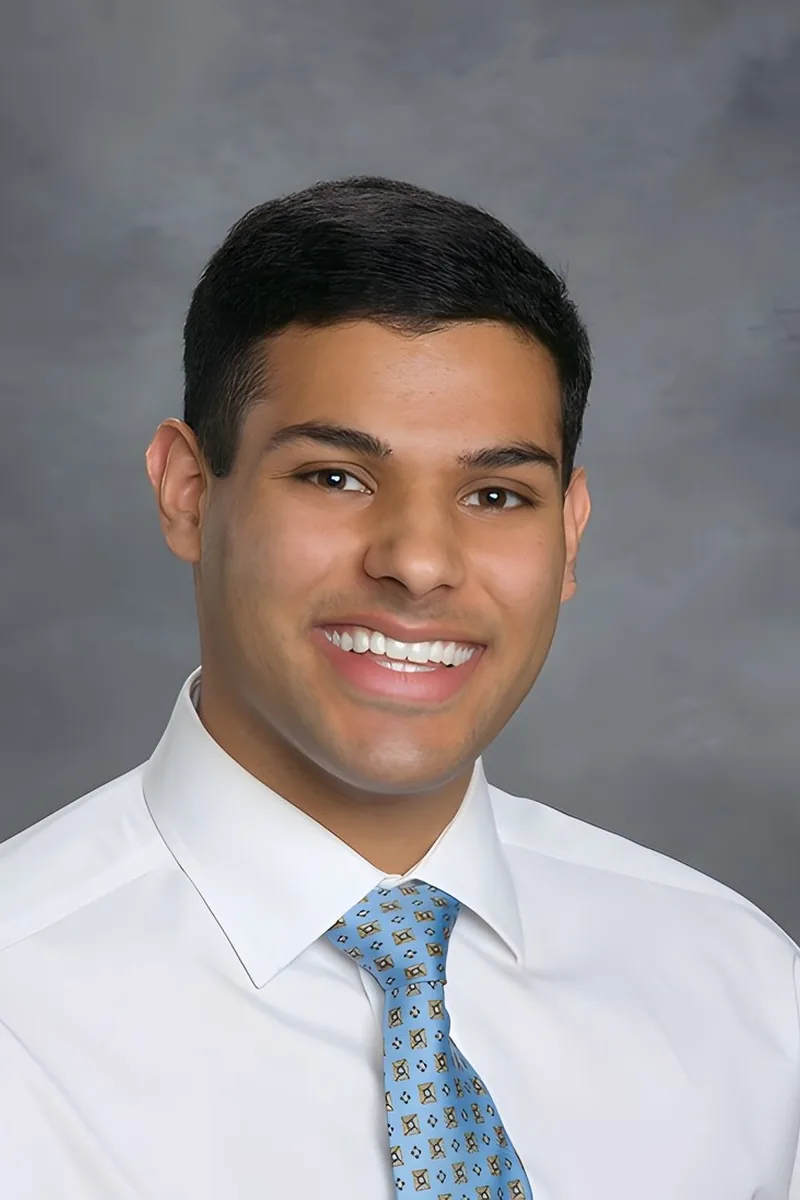
Between his biochemistry degree from Rice and his medical school training, Sanjay has spent years immersed in the microbial world — bacterial cell structure, pathogenic mechanisms, antimicrobial resistance, and the metabolic pathways that distinguish different organisms. He connects microbiology concepts to clinical scenarios, which makes memorizing genera, gram stain results, and virulence factors far more intuitive.
An environmental biology degree means Andrew spent real time studying how microbial communities shape ecosystems — from soil bacteria driving decomposition to waterborne microorganisms cycling nutrients through aquatic systems. That ecological grounding lets him teach concepts like microbial metabolism and population dynamics by connecting them to the environmental processes students can actually visualize, rather than treating them as isolated textbook definitions.
Medical school builds microbiology into nearly every clinical rotation — Robin's training means she's traced how specific pathogens cause disease, how immune responses escalate, and why certain antibiotics target one organism but not another. That clinical context turns dense material like Gram classifications and virulence mechanisms into something students can reason through, because each organism connects to a real disease process. Rated 5.0 by students.
Medical school at Jefferson means Jamie is learning microbiology the way clinicians actually use it — identifying pathogens, understanding infection mechanisms, and connecting antimicrobial treatments to the specific vulnerabilities of each organism. That clinical lens, built on top of pre-med coursework in biology, biochemistry, and physiology, lets her trace a concept like bacterial virulence from the molecular machinery driving it all the way to the patient outcome it produces.
Before pursuing her graduate degree, Kelsey taught microbiology at a community college, designing her own review materials and walking students through bacterial metabolism, microbial genetics, and lab techniques like Gram staining and culture analysis. That classroom experience means she knows which concepts trip students up — and how to explain them differently the second time around. Rated 4.9 by students.
I'm a current medical student at VCU School of Medicine, and a graduate of Johns Hopkins University. I received my Bachelor of Science in Molecular and Cellular Biology. I've had the pleasure of tutoring a diverse range of students for 5 years; while I tutor a broad set of subjects, I'm most passionate about biology, psychology, and chemistry. I'm a big proponent of ensuring understanding over memorization and teaching concepts that last for years to come (particularly for other students interested in medicine!) In my free time, I love to write poetry, edit essays, and gush about game writing with friends.
Jean's medical training at Harvard Medical School gave her deep familiarity with the microbiology that matters most: bacterial pathogenesis, viral replication cycles, immune evasion strategies, and antimicrobial resistance. She breaks down complex host-pathogen interactions by tying them to clinical scenarios, which makes the material stick far better than rote memorization of genus and species lists.
Medical school demands a granular understanding of pathogens — bacterial cell wall differences, viral replication cycles, antibiotic resistance mechanisms. Daniel earned his M.D. and brings that clinical lens to microbiology, connecting each organism's structure and behavior to the disease processes students are expected to know for exams.
From bacterial gene regulation to viral replication strategies, microbiology demands comfort with both molecular detail and big-picture ecology. Zachary's graduate work in molecular biology gave him hands-on familiarity with the techniques and concepts — Gram staining, quorum sensing, antibiotic resistance mechanisms — that form the backbone of most microbiology courses.
Between bacterial genetics, metabolic pathways, and immune evasion strategies, microbiology covers an enormous range of material in a single semester. Emily's current research position at UTHealth keeps her immersed in lab techniques and microbial concepts daily, so she explains topics like Gram staining, virulence factors, and antibiotic resistance with the fluency of someone who actually uses this knowledge at the bench.
Philosophy, Politics and Economics isn't the typical path into microbiology, but Noah's biology coursework gave him enough grounding in cellular processes to break down topics like prokaryotic structure and microbial growth curves for students encountering them for the first time. He takes a methodical, logic-driven approach — the kind his PPE training sharpened — to help untangle classification systems and keep bacterial phyla from blurring together.
Between her Columbia nutrition degree and her PA training at Rutgers, Victoria has spent years studying bacterial metabolism, host-pathogen interactions, and immune responses at the cellular level. She unpacks microbiology concepts like gram staining protocols, virulence factors, and microbial genetics by tying them to clinical scenarios that make the material stick.
Testimonials
Because the right Microbiology tutor makes all the difference.
Average Session Rating – Based on 3.4M Learner Ratings
Other Baltimore Tutors
Related Science Tutors in Baltimore
Frequently Asked Questions
Tutors connect with students across all major microbiology topics, including bacterial structure and function, viral replication, microbial genetics, immunology, pathogenic mechanisms, and laboratory techniques. Whether you're working through cell culture methods, gram staining procedures, or understanding antibiotic resistance at the molecular level, personalized instruction helps you master both the concepts and the hands-on skills that make microbiology challenging.
Yes. Beyond classroom content, tutors help students develop scientific reasoning and lab competency—understanding why experiments are designed certain ways, how to interpret results, and how to troubleshoot when procedures don't go as planned. This bridges the gap between theory and practice, which is essential in microbiology where hands-on technique directly impacts your success in courses and future lab-based careers.
Microbiology requires visualizing processes happening at scales you can't see—from bacterial flagella movement to viral infection cycles. Tutors use diagrams, animations, and real-world examples to make these abstract concepts tangible, helping you build mental models that stick. This visual understanding is crucial for both exams and developing genuine scientific intuition about how microorganisms work.
Students often struggle with balancing biochemical equations, converting between different units of measurement (especially when dealing with concentrations and dilutions), and distinguishing between similar organisms or mechanisms. Many also find it difficult to move beyond memorization to truly understand how microbial processes connect to disease, immunity, and real-world applications—which is where personalized tutoring makes the biggest difference.
Your first session focuses on understanding your specific challenges—whether that's struggling with a particular unit, preparing for an exam, or building foundational concepts. Tutors assess your current understanding, identify knowledge gaps, and create a personalized plan tailored to your learning style and goals. This foundation ensures every subsequent session builds directly on what you need most.
Yes. Varsity Tutors connects students across Baltimore's school districts with expert tutors who understand the microbiology curriculum whether you're in a public school, charter, or private institution. Tutors adapt to your specific course requirements and teaching style, so you get support that matches exactly what your school expects.
Tutors help you move beyond cramming by building deep understanding of core concepts weeks before your exam. They teach you how to apply knowledge to new scenarios, practice scientific reasoning under test conditions, and identify your weak spots early. This approach—combining content mastery with test-taking strategy—leads to stronger performance on everything from unit exams to AP Biology and college-level microbiology courses.
Start by telling Varsity Tutors about your specific microbiology challenges, your course level, and your goals. You'll be matched with a tutor who has expertise in the topics you need and experience working with students at your level. From there, you can schedule sessions that fit your schedule and start building the understanding that transforms your performance.
Let’s find your perfect tutor
Answer a few quick questions. We’ll recommend the right plan and match you with a top 5% tutor.