Award-Winning Elementary School Reading Tutors
serving Baltimore, MD
Elementary School Reading
Tutors in Baltimore
Private 1-on-1 tutoring, weekly live classes for academic support, test prep & enrichment, practice tests and diagnostics, and more to elevate grades and test scores.
Based on 3.4M Learner Ratings
UniversitiesSchools & Universities
DeliveredHours Delivered
ProficiencyGrowth in Proficiency
Who needs tutoring?
No obligation. Takes ~1 minute.

Early readers often struggle with the jump from decoding individual words to actually understanding what a paragraph means. Mark breaks that transition down by teaching young students to visualize scenes, ask questions as they read, and make predictions before turning the page. His patient pacing lets each child build confidence without feeling rushed.
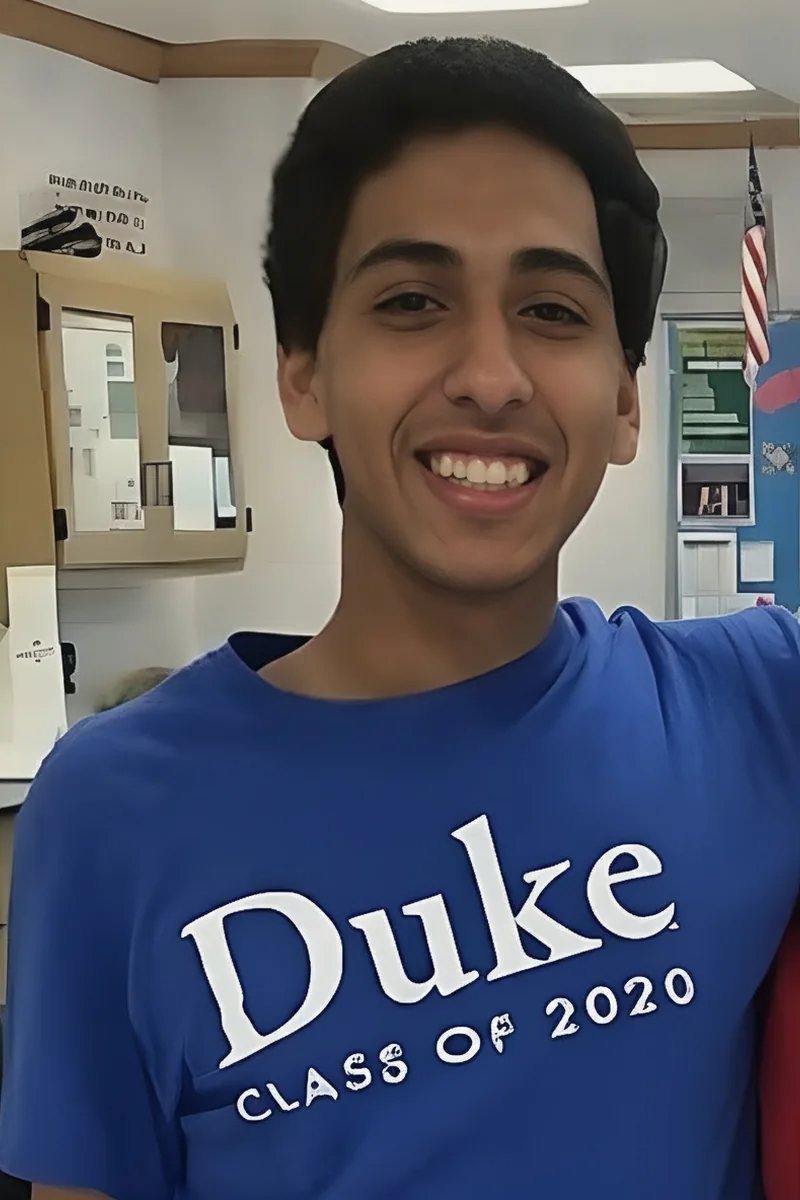
Building reading confidence early changes a student's entire academic trajectory. Nima works on phonics, sight words, and reading fluency with younger students, then gradually introduces comprehension questions that teach them to think about what they've just read. His warm, encouraging style — shaped by tutoring across dozens of subjects and grade levels — keeps reluctant readers engaged rather than frustrated.
As a passionate educator with a Doctorate in Curriculum and Instruction from Liberty University, Dr. Barnett brings 20 years of tutoring and classroom experience to his role. His specialties in Elementary School English, Math, Reading, Science, and Social Studies enable him to create engaging, interactive lessons tailored to each student's unique needs. Dr. Barnett believes in fostering a supportive learning environment that empowers students to build confidence and achieve academic achievement. Through personalized tutoring plans, he offers effective online tutoring for grades 1-8, guiding students through their educational journeys. Dr. Barnett finds great joy in celebrating students' successes and inspiring a lifelong love for learning. Currently certified to teach in Maryland, he is dedicated to making a positive impact in students' lives.
Young readers light up when a story clicks — when they can predict what happens next or explain why a character made a choice. Alexis, currently an MFA in Writing student at Columbia, brings a storyteller's instinct to phonics, fluency, and comprehension exercises, making each reading session feel like an adventure rather than a chore.
Early reading clicks when a child learns to ask questions about what they're reading, not just decode the words on the page. Lee, a lifelong reader with a personal passion for literature, builds comprehension skills like identifying main ideas, making predictions, and connecting stories to a child's own experiences.
Phonics, sight words, and reading fluency all matter, but Banke zeroes in on comprehension from the start — teaching young readers to ask questions about what they're reading, make predictions, and retell stories in their own words. Nine years as a school counselor taught her how to spot the specific moment a child disengages from a text and how to pull them back in.
Sherry is pursuing a master's in speech-language pathology at Columbia's Teachers College, which means she understands the cognitive mechanics behind how young readers decode words, build fluency, and develop comprehension. She teaches phonics patterns, sight-word recognition, and read-aloud strategies tailored to each child's reading level. Her 5.0 rating speaks to how well she connects with elementary-age learners.
Early reading is all about building momentum: phonics, sight words, and fluency practice that gradually turns halting word-by-word reading into something that flows. Amy keeps sessions interactive with read-alouds, prediction games, and vocabulary activities that make new words stick. Her genuine enthusiasm for books is contagious, which matters enormously when a young reader is still deciding whether reading is fun or frustrating.
Early reading clicks when a child connects phonics and vocabulary to stories they actually care about. Skyler's background spans multiple languages and literatures, giving her a sharp sense of how decoding, fluency, and comprehension build on each other. She makes reading practice feel less like a chore by matching books and passages to each student's interests.
Getting young readers excited about books is half the battle — the other half is building real skills like decoding unfamiliar words, making predictions, and retelling a story in their own words. Noel is an avid reader himself and brings that genuine enthusiasm to every session, turning reading practice into something kids actually look forward to.
Through her nonprofit work educating families in Ecuador, Vanessa has seen firsthand how foundational early reading skills shape everything that comes after. She builds young readers' confidence by connecting phonics, vocabulary, and comprehension to stories that genuinely interest them — turning reading from a chore into something a child wants to do on their own.
Early reading clicks when a child can connect what's on the page to what they already know. Daniel builds that bridge by teaching phonics patterns alongside comprehension strategies like predicting and retelling, keeping sessions interactive enough that younger readers stay engaged rather than frustrated.
Early reading instruction is about building the habits that make everything else in school possible: decoding unfamiliar words, tracking a character's actions across pages, and retelling what happened in sequence. Margaret's experience volunteering in after-school programs with elementary students means she understands how to keep younger readers engaged and moving forward. She adapts her approach to each child's reading level and interests.
Early reading is all about building the habits that make harder texts possible later — things like identifying the main idea of a passage, making predictions, and understanding new vocabulary from context clues. Paul keeps sessions interactive and encouraging, so young readers stay engaged rather than frustrated when a text gets challenging.
Early reading skills — phonics, sight words, fluency, basic comprehension — build on each other in a specific sequence, and a student who's shaky on one step will struggle with the next. Meagen pairs her love of books with structured practice, choosing engaging texts at the right level and asking questions that build a young reader's ability to predict, summarize, and connect with what they're reading.
Years of volunteering in elementary classrooms taught Gloria that reading clicks when kids connect stories to their own curiosity — whether that means predicting what happens next, sounding out tricky vowel combinations, or retelling a chapter in their own words. Her neuroscience background also gives her insight into how young brains process phonics and comprehension differently at each developmental stage. Rated 5.0 by students and families.
Sabira pairs her genuine enthusiasm for books with patient, structured phonics and fluency practice to build confident young readers. She zeroes in on the specific skill each child needs next — whether that's decoding multisyllable words, building vocabulary through context clues, or retelling a story in sequence — so sessions always feel productive. She holds a 5.0 client rating.
For early readers, the difference between frustration and excitement often comes down to finding the right book at the right level. Maya builds phonics, sight-word recognition, and basic comprehension skills through stories that match each child's interests, keeping motivation high. Her experience with differently-abled learners means she adapts pacing and techniques to fit how each student actually processes language.
Testimonials
Because the right Elementary School Reading tutor makes all the difference.
Average Session Rating – Based on 3.4M Learner Ratings
Other Baltimore Tutors
Related English Tutors in Baltimore
Frequently Asked Questions
Elementary readers often struggle with phonics foundations, fluency, and comprehension—especially when transitioning from learning to read to reading to learn. Many students in Baltimore schools also face challenges with vocabulary development and connecting what they read to their own experiences. Personalized tutoring can identify exactly where a student is stuck and build confidence through targeted practice at their own pace.
Expert tutors work with students to develop comprehension strategies like previewing text, asking questions while reading, and summarizing key ideas. They also help students make connections between stories and their own lives, which deepens understanding and engagement. With personalized 1-on-1 instruction, tutors can slow down, re-explain concepts, and use materials that match your child's interests and reading level.
Fluency is the ability to read smoothly and with appropriate expression, while comprehension is understanding what the words mean. Both are essential—a student might read quickly but miss the story's meaning, or understand concepts but read so slowly that they lose focus. Tutors address both skills together, using guided reading practice and discussion to build fluent, confident readers who actually understand and enjoy what they're reading.
During the initial session, a tutor will assess your child's current reading level, identify specific strengths and areas for growth, and learn about their interests and learning style. This helps the tutor create a personalized plan tailored to your child's needs. You'll get a clear picture of where your student stands and what the tutoring path forward looks like.
Most effective reading instruction combines phonics (letter-sound relationships) with other strategies like sight word recognition, context clues, and comprehension techniques. Expert tutors assess what approach works best for each student and adjust accordingly. Some students need heavy phonics support, while others benefit more from immersive reading with guided discussion—tutors personalize the method to match how your child learns best.
Grade-level benchmarks vary by grade and district, but generally elementary students should progress from decoding simple words in early grades to reading chapter books with comprehension by third or fourth grade. Teachers and tutors use reading assessments to measure fluency, accuracy, and comprehension against grade-level standards. If you're unsure where your child stands, a tutor can provide a clear assessment and explain what skills to focus on next.
Yes—personalized tutoring is especially powerful for students who are behind, because tutors can identify the specific foundational gaps (like phonemic awareness or letter recognition) and rebuild skills from there. With consistent, targeted practice and encouragement, many students catch up and develop a love of reading. Tutors also work at a pace that prevents frustration and builds confidence, which is crucial for students who've struggled.
The ideal frequency depends on your child's needs and goals. Students who are significantly behind often benefit from 2-3 sessions per week, while others might do well with weekly sessions. Most students see meaningful progress within a few months of consistent tutoring. A tutor can recommend a schedule based on your child's assessment and discuss what fits your family's needs and budget.
Let’s find your perfect tutor
Answer a few quick questions. We’ll recommend the right plan and match you with a top 5% tutor.