Award-Winning Japanese Tutors
serving Baltimore, MD
Japanese
Tutors in Baltimore
Private 1-on-1 tutoring, weekly live classes for academic support, test prep & enrichment, practice tests and diagnostics, and more to elevate grades and test scores.
Based on 3.4M Learner Ratings
UniversitiesSchools & Universities
DeliveredHours Delivered
ProficiencyGrowth in Proficiency
Who needs tutoring?
No obligation. Takes ~1 minute.
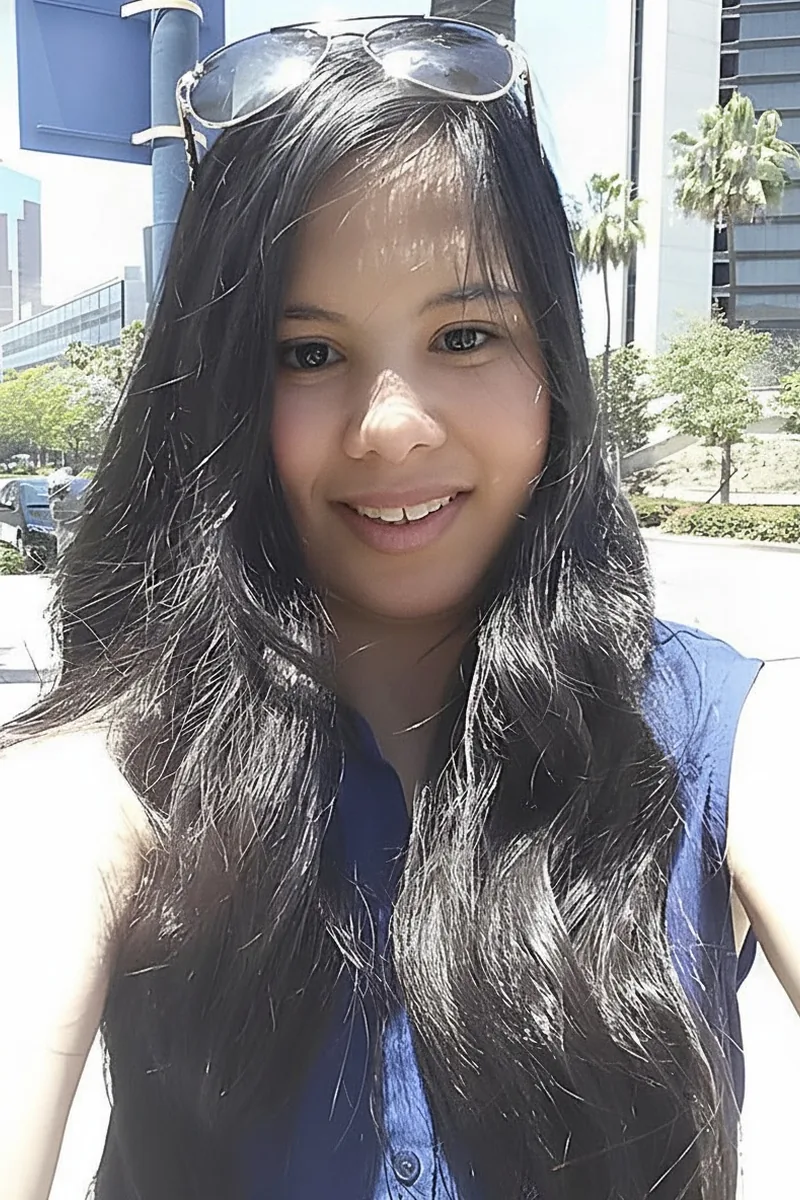
Earning a full bachelor's degree in Japanese — not just a minor or a few semesters — means Jina can teach well beyond survival phrases into kanji readings, grammar particles like は vs. が, and the nuances of keigo (formal speech). She brings the same analytical rigor from her science training to breaking down sentence structure and verb conjugation patterns.
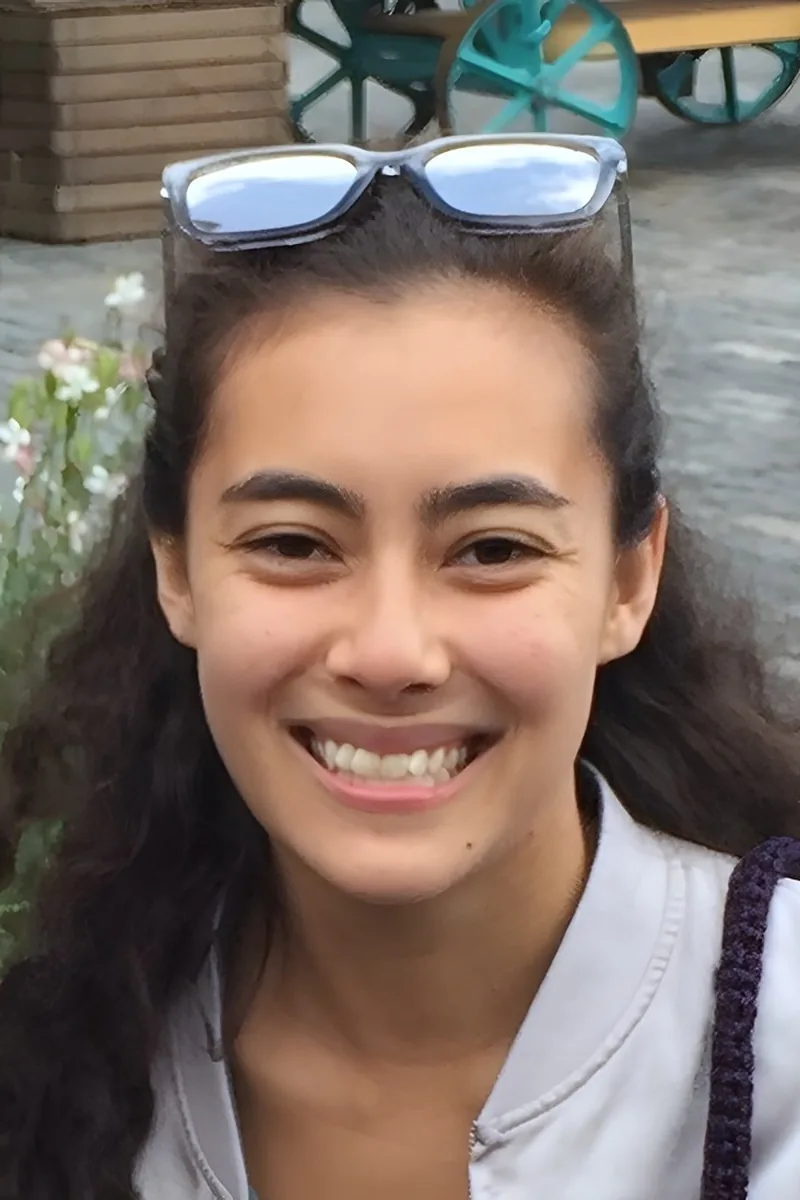
Shona's semester abroad in Seville proved that immersion reshapes how you learn any language — a lesson she carries into teaching Japanese, where she emphasizes building comfort with sentence patterns and particles through active use rather than translation drills. Her AP Japanese Language and Culture tutoring draws on both her structured math-trained thinking and her own experience navigating a second language in real-world settings. Rated 4.9 by students.
Rachel's International Relations coursework exposes her to multiple language systems and cross-cultural communication, which she channels into teaching Japanese fundamentals like hiragana recognition, basic particle usage, and everyday vocabulary. Her relaxed, adaptive style — reflected in a 5.0 rating — is especially useful for beginners who tense up when faced with an entirely new writing system and unfamiliar grammar order.
Emily minored in Japanese at Texas A&M and continues to engage with the language through media and self-study. She teaches hiragana, katakana, and foundational grammar patterns like particle usage with the same structured approach she applies to her other languages, making the writing systems feel systematic rather than overwhelming.
Cori is pursuing a Japanese minor at MIT, which means she's actively working through the grammar structures, kanji readings, and particle usage that trip up most learners. That proximity to the learning process gives her a practical sense of what sticks and what needs extra repetition.
Crystal minored in Japanese Language and Culture at Northern Kentucky University, so she brings both formal study and genuine cultural curiosity to teaching everything from kana writing to grammar fundamentals. Her day job as a K-12 reading and ESL instructor means she's trained to break down unfamiliar language structures for learners at any level — a skill that pays off when explaining Japanese concepts like sentence-final particles or basic verb tenses that have no English equivalent. Rated 5.0 by students.
I am motivated in addressing the disparities in educational equity here in the Twin Cities, particularly for students of color and students of differing socio-economic backgrounds. I work to build strong relationships with students to determine the strengths and knowledge they bring to the table.
I'm back at school at NYU, studying for a more general liberal arts degree.
Zhaleh is actively studying Japanese at Carnegie Mellon University, which means she's navigating the same kanji memorization strategies, grammar particle distinctions, and reading comprehension challenges her students face. She breaks down tricky structures like て-form conjugations and は vs. が usage in ways that make the logic behind the language click.
An Asian Studies degree gave Andrew sustained exposure to Japanese language and culture throughout his undergraduate work, and he pairs that academic grounding with fluency in Mandarin Chinese to bring a comparative lens to East Asian language learning. He's particularly good at creating a low-pressure environment for speaking and reading practice — the kind of space where students actually start producing sentences instead of freezing up over perfect particle placement.
Between his East Asian Studies major at Harvard, his presidency of the Harvard College Japan Initiative, and his work in the Yenching Library's Japanese Collection, Shane lives and breathes Japanese. He reads novels and plays games in Japanese for fun, which means he teaches the language the way it's actually used — from kanji recognition and particle usage to the register shifts that textbooks barely cover.
As a dedicated language tutor with several years of experience, I bring both expertise and enthusiasm to every lesson. I specialize in Chinese, Japanese, and basic Arabic, and I have had the privilege of guiding students of diverse ages and backgrounds through their language-learning journeys.
Testimonials
Because the right Japanese tutor makes all the difference.
Average Session Rating – Based on 3.4M Learner Ratings
Other Baltimore Tutors
Related Languages Tutors in Baltimore
Frequently Asked Questions
Speaking practice is one of the biggest challenges in traditional classroom settings, where students often get limited time to speak. With personalized 1-on-1 instruction, you get dedicated conversation time with an expert tutor who can provide real-time feedback on pronunciation, grammar, and natural phrasing. Tutors can tailor conversations to your interests and proficiency level, helping you build confidence and fluency in a low-pressure environment.
Japanese verb conjugation can feel overwhelming because verbs change based on tense, formality level, and whether they're affirmative or negative. Rather than memorizing conjugation tables, expert tutors focus on pattern recognition and repeated exposure through natural sentences and conversations. Spaced repetition and practice testing—reviewing conjugations at strategic intervals—help cement these patterns in long-term memory so they become automatic.
A structured approach is essential: most learners start with hiragana and katakana (the two phonetic scripts), then gradually introduce kanji as they build vocabulary. Personalized tutoring allows you to progress at your own pace rather than following a one-size-fits-all classroom timeline. Your tutor can recommend which kanji to prioritize based on frequency and relevance to your goals, making your study time more efficient.
Japanese grammar and communication styles are deeply tied to cultural concepts like formality levels (keigo), respect, and indirectness. Understanding these contexts helps you use language appropriately in real situations and grasp why certain phrases are used in specific settings. Expert tutors weave cultural insights into lessons so you're not just learning words and grammar rules—you're learning how to communicate authentically.
Vocabulary retention improves dramatically when words are learned in context rather than from isolated lists. Tutors help you encounter new vocabulary through conversations, reading materials, and real-world scenarios relevant to your life. Combining multiple exposures—hearing words spoken, writing them, using them in sentences—activates different memory pathways and makes vocabulary stick longer.
Your first session focuses on assessment and goal-setting. Your tutor will evaluate your current proficiency across reading, writing, speaking, and listening to understand your strengths and areas for growth. You'll discuss your learning goals—whether you're preparing for the JLPT, planning to study abroad, or learning for personal enrichment—so your tutor can create a personalized learning plan tailored to you.
Look for tutors with native or near-native fluency, teaching experience, and ideally knowledge of Japanese language proficiency frameworks like the JLPT levels. Many expert tutors have lived in Japan, hold relevant certifications, or have experience teaching students at your proficiency level. Varsity Tutors connects you with qualified tutors whose expertise matches your specific needs and goals.
Reaching basic conversational ability typically takes 300-600 hours of study, depending on your starting point and how consistently you practice. With personalized tutoring combined with independent study, you can accelerate progress by focusing on high-frequency vocabulary and practical phrases relevant to your life. Your tutor will help you set realistic milestones and track your advancement across all four language skills.
Let’s find your perfect tutor
Answer a few quick questions. We’ll recommend the right plan and match you with a top 5% tutor.