Award-Winning Computer Science Tutors
serving Baltimore, MD
Computer Science
Tutors in Baltimore
Private 1-on-1 tutoring, weekly live classes for academic support, test prep & enrichment, practice tests and diagnostics, and more to elevate grades and test scores.
Based on 3.4M Learner Ratings
UniversitiesSchools & Universities
DeliveredHours Delivered
ProficiencyGrowth in Proficiency
Who needs tutoring?
No obligation. Takes ~1 minute.

Learning to code is really learning to decompose problems — figuring out what a program needs to do before writing a single line. Nat is double-majoring in computer science at Vanderbilt and unpacks core topics like loops, conditionals, data structures, and algorithm design in ways that build genuine understanding. Whether a student is writing their first Python script or debugging recursive functions, he connects each concept to the logic behind it.
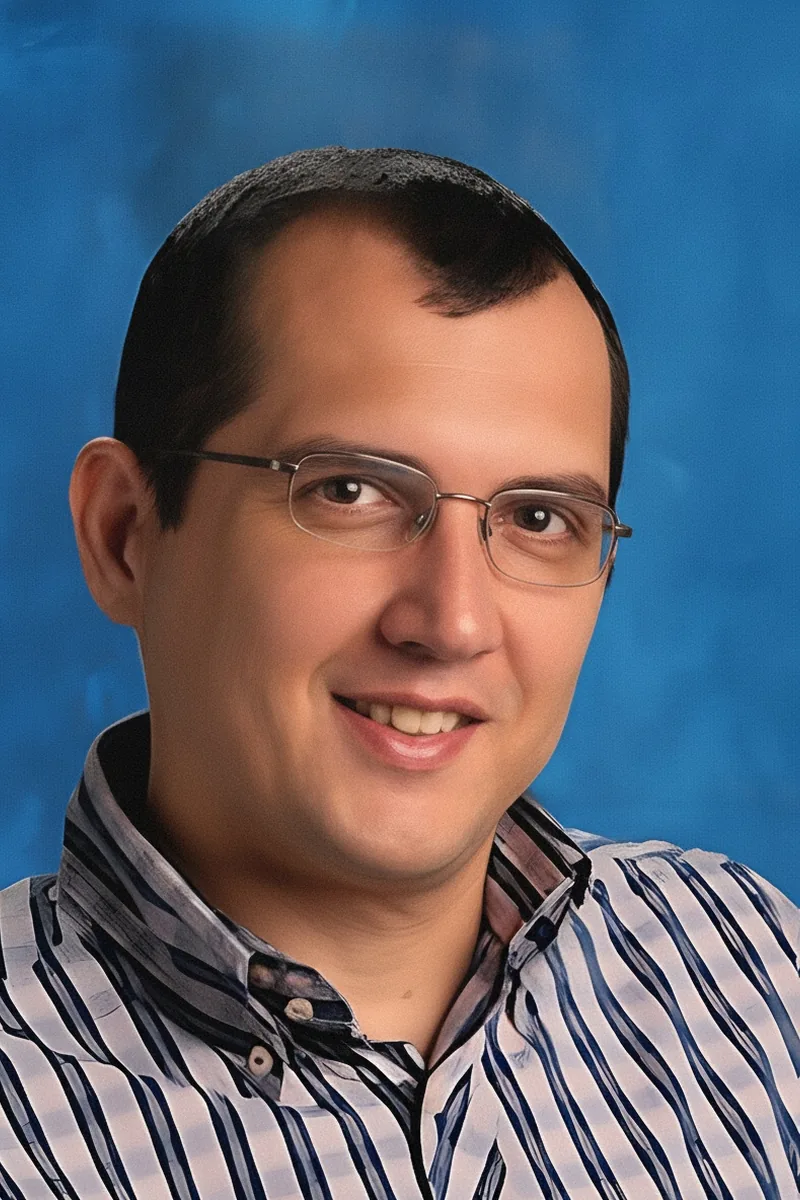
Philosophy trained Calin to build rigorous logical arguments; his math and CS degrees taught him to express that logic in C++ and JavaScript. That combination means he teaches programming concepts — from algorithm design to data structure selection — as exercises in precise reasoning, where every line of code follows from a clear chain of thought. Rated 5.0 by students.
Benjamin's finance and economics training at Notre Dame means he learned to code as a problem-solving tool — building models, analyzing datasets, and automating calculations — rather than through a traditional CS curriculum. That pragmatic entry point makes him effective at teaching programming logic and computational thinking to students who want to understand how code actually gets used in business and quantitative fields. Rated 5.0 by students.
A computer science degree paired with coursework in theoretical mathematics gives Lance an unusually strong grasp of the abstractions underneath the code — automata theory, algorithm complexity, data structures, and computational logic. He spent multiple semesters as a TA and independent instructor for CS courses, so he's seen firsthand which concepts trip students up and how to reframe them. Whether the topic is graph traversal or NP-completeness, he breaks it into pieces that actually make sense.
Pursuing a CS master's at Penn while TAing discrete math means Keenan lives in both the theoretical and practical sides of computer science every day. He unpacks core topics like algorithm complexity, data structure tradeoffs, and computational logic in a way that connects abstract ideas to real code. Rated 5.0 across all sessions.
From data structures and algorithms to computational complexity, Victoria covers the core CS concepts that show up in both coursework and technical interviews. Studying computer science and math simultaneously at WashU gave her a knack for explaining the mathematical reasoning behind topics like recursion, sorting efficiency, and graph traversal. She holds a 5.0 rating from students.
Michael earned his B.S. in Computer Science from UCLA, where he dug into everything from data structures and algorithms to software design principles. He breaks down abstract concepts like recursion, Big-O analysis, and object-oriented programming into concrete, step-by-step logic that clicks. He also teaches JavaScript, giving him a practical edge when students need to connect theory to actual code.
Between his coursework at Rice and his background in algorithms, Daniel tackles computer science from both the practical and theoretical sides — writing clean code and understanding why one sorting algorithm outperforms another for a given dataset. He's especially strong at breaking down recursion, data structures, and algorithmic complexity into steps that build logically on each other.
Studying computer science at MIT, Brice digs into everything from data structures and algorithms to systems-level thinking with students at any stage. He's tutored over 30 students in the past year alone, tackling topics like recursion, object-oriented design, and algorithmic complexity. Rated 4.9 by students.
From computer architecture and theory to parallel computing and machine learning, Brandon's master's coursework at RIT covers the full stack of computer science concepts. His two years of professional industry experience mean he can connect abstract topics — algorithm complexity, concurrency models, data structures — to how they actually show up in production code. Students rated him 4.9, which tracks with his ability to make dense CS material feel approachable.
Most CS tutors come from pure software backgrounds — Clive's path runs through economics at Brown, where he picked up Java, Python, JavaScript, SQL, and HTML as tools for data analysis and building real projects rather than just completing problem sets. That applied angle makes him especially effective at teaching programming fundamentals and web technologies to students who learn better when code solves a tangible problem.
A Stanford MS in Computer Science means David can teach everything from data structures and algorithms to object-oriented design with the depth that comes from building real systems — not just reading about them. He spent a summer teaching web and app development to high school students in Palestine, so he knows how to make abstract CS concepts click through hands-on projects.
Testimonials
Because the right Computer Science tutor makes all the difference.
Average Session Rating – Based on 3.4M Learner Ratings
Other Baltimore Tutors
Related Technology and Coding Tutors in Baltimore
Frequently Asked Questions
Your first session is all about understanding your current level and goals. A tutor will review what you're working on in class, identify specific areas where you're struggling (whether that's debugging, understanding loops, or grasping object-oriented concepts), and discuss what you want to achieve—whether that's improving your grade, preparing for the AP exam, or building confidence with coding projects. This helps create a personalized learning plan tailored to your needs.
Debugging is one of the most valuable skills in Computer Science, and tutors help you develop a systematic approach to finding and fixing errors. Rather than just telling you what's wrong, tutors teach you how to read error messages, use debugging tools, trace through your code step-by-step, and think through the logic to identify where things went wrong. This builds your problem-solving skills so you can tackle new bugs independently.
Syntax is the specific rules of a programming language (like how to write a for loop in Python vs Java), while logic is the problem-solving approach—how you break down a problem and design a solution. Many students struggle with logic more than syntax, because syntax errors are caught by the compiler, but logical errors mean your code runs but produces the wrong result. Tutors focus on building your logical thinking skills first, then help you apply those concepts in whatever language you're learning.
Data structures and algorithms are abstract concepts that benefit greatly from hands-on explanation and visualization. Tutors break down how arrays, linked lists, trees, and other structures work, then show you how to implement them and why choosing the right structure matters for efficiency. They also help you practice algorithmic thinking through coding problems and real examples, so you develop intuition rather than just memorizing definitions.
Absolutely—project-based learning is one of the most effective ways to solidify Computer Science skills. Tutors can help you plan your project, break it into manageable pieces, work through the coding process, and review your code for improvements. Whether you're building a web app, game, or data analysis tool, having someone to talk through your approach and catch issues before they become big problems accelerates your learning significantly.
Tutors can help you explore different areas based on your interests and strengths. If you enjoy building things users interact with, web development might fit. If you like working with data and patterns, data science could be a good fit. During your tutoring sessions, you can try different projects and get feedback on what resonates with you. Many students discover their preferences through hands-on experience rather than deciding upfront.
AP Computer Science requires both strong coding skills and conceptual understanding of algorithms, data structures, and program design. Tutors help you master the specific topics on the exam, practice with past AP problems, review your code for the kinds of errors the exam tests for, and build test-taking strategies. With personalized instruction, you can focus on your weakest areas rather than reviewing material you already know well.
Look for tutors with real programming experience—ideally someone who's worked in software development or has strong experience with the specific languages and topics you're studying. They should be able to explain concepts clearly, help you debug code, and give constructive feedback on your work. Varsity Tutors connects you with expert tutors who have both the technical skills and teaching ability to help you succeed, whether you're just starting out or preparing for advanced coursework.
Let’s find your perfect tutor
Answer a few quick questions. We’ll recommend the right plan and match you with a top 5% tutor.