Award-Winning AP Computer Science Tutors
serving Baltimore, MD
AP Computer Science
Tutors in Baltimore
Private 1-on-1 tutoring, weekly live classes for academic support, test prep & enrichment, practice tests and diagnostics, and more to elevate grades and test scores.
Based on 3.4M Learner Ratings
UniversitiesSchools & Universities
DeliveredHours Delivered
ProficiencyGrowth in Proficiency
Who needs tutoring?
No obligation. Takes ~1 minute.
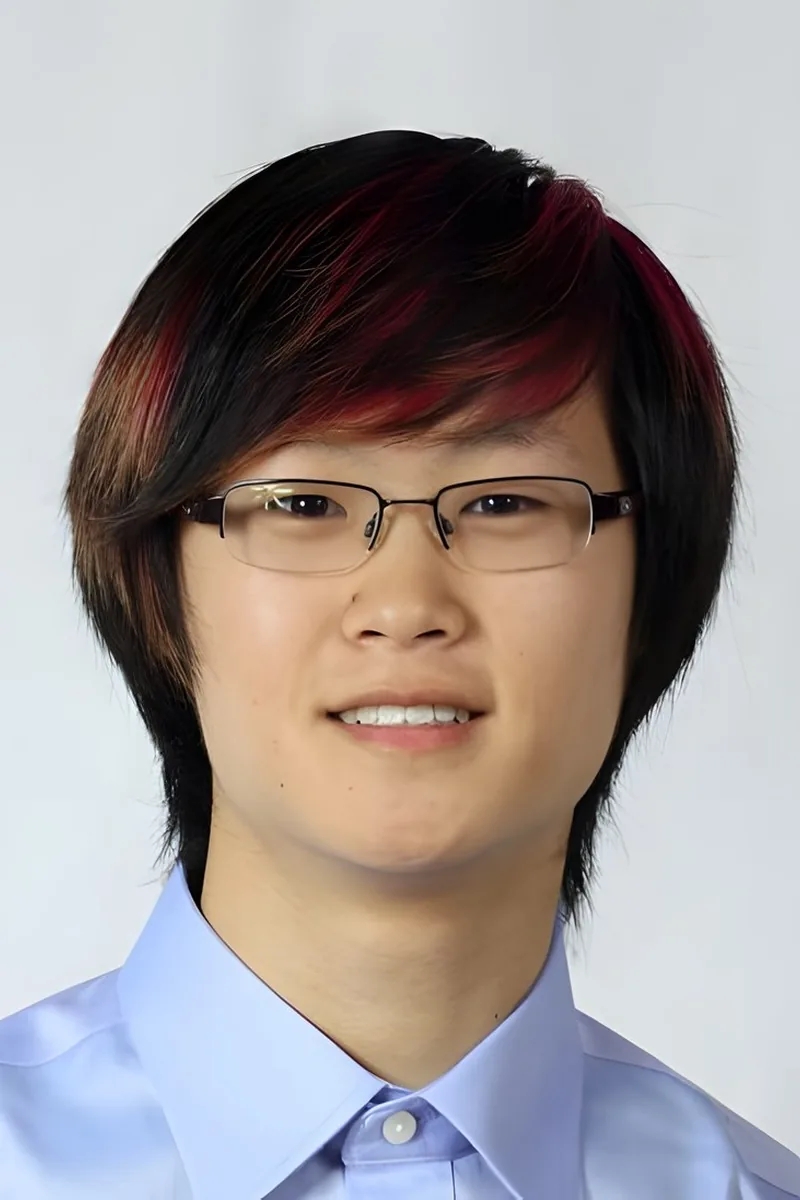
I'm Dennis. I study physics, math, and computer science. I have done research about cosmic ray acceleration at supernova shock fronts in the Princeton University Department of Astrophysics, simulating how the turbulent plasmas push protons and ions. I have also worked at the Norfolk State University Department of Engineering, designing, simulating, optimizing, and building light filters for wavelength-division optical-electronic multiplexers. Another field I study is the mathematics of quasicrystals and aperiodic tilings, such as the Penrose tiling of rhombuses.
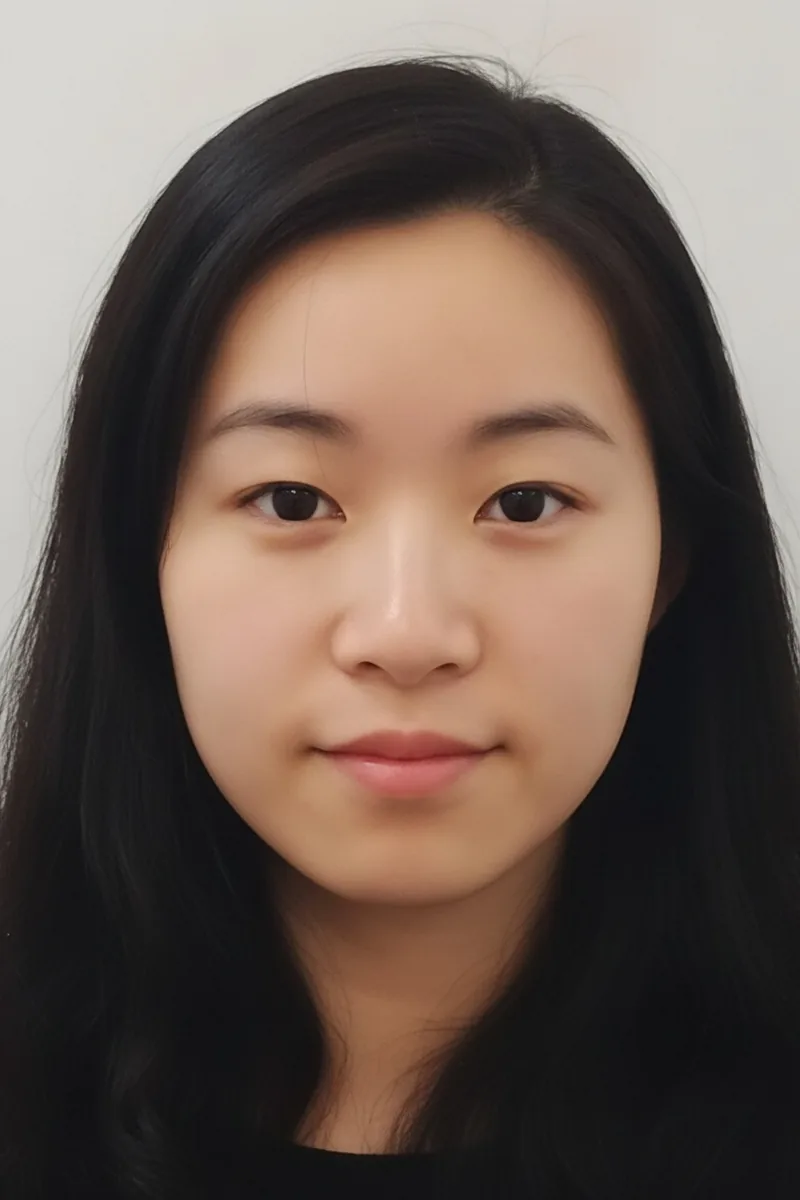
Hackathons and robotics competitions taught June to debug under pressure and think through code systematically — exactly the skills AP Computer Science A tests on free-response questions. Her electrical engineering studies at Brown mean she understands computing from the hardware up, giving her a concrete way to explain why Java handles variables, memory, and control flow the way it does.
Computational problem-solving sits at the core of Srini's biophysics work at Brown, where modeling biological systems requires writing and debugging code regularly. He teaches AP Computer Science by grounding abstract ideas — algorithms, data representation, the internet's layered protocols — in concrete examples that make the material click on exam day.
Brian owns a web design business alongside his CS studies at Case Western Reserve, so he's not just learning Java in a classroom — he's shipping real code and debugging real problems on a regular basis. That practical loop of building, breaking, and fixing software gives him a concrete way to teach AP Computer Science A topics like object-oriented design and algorithm tracing through actual examples rather than abstract diagrams. Rated 5.0 by students.
Two years as a Java teaching assistant at Illinois Institute of Technology means Muntaser has watched hundreds of students wrestle with the exact concepts AP Computer Science A tests — inheritance, loop tracing, array logic — and learned how to explain them in ways that actually land. His computer engineering degree and professional software engineering work add a layer most tutors can't: he knows how these OOP principles play out in real codebases, not just on exam day.
I am a 2023 graduate of the University of Notre Dame with a Finance/Economics major and a minor in Innovation and Entrepreneurship. I am a passionate student in the math and business realms, as I enjoy the intuitiveness of the former and the real-world potential of the latter. During classes in middle and high school, I developed a reputation of being a good source of help within my classes in a non-tutor capacity, and grew that into a peer tutor role a couple times a week during lunch my senior year of high school. What I hope to accomplish with my tutoring is ensure that you not only achieve your desired grade/score, but see how the different concepts relate to each other in the bigger picture. The more important part is to critically think about the subject matter in other, more unfamiliar contexts. Also, in my math subjects, I seek to provide personal secrets in realms including quicker computation strategies, unique acronyms for certain rules, and other intuitive shortcuts.
Currently studying computer science at MIT, Brice writes Java and Python regularly enough that AP Computer Science A topics like inheritance, polymorphism, and recursive methods feel like second nature rather than exam abstractions. He teaches the *why* behind each design pattern — why you'd use an ArrayList over an array, why a method should return a value instead of printing it — so students build real programming intuition. Rated 4.9 by students.
I'm a coterminal master's student at Stanford University in California majoring in Computer Science (Biocomputation). Throughout high school and college, I've taken many courses in computer science, the life sciences (biology and chemistry), and math; and I've been through a lot of standardized tests. For computer science in particular, I have a lot of experience writing software in Python and C++ for AI and systems classes, and I'll be interning as a software engineer at Facebook this summer. I got a lot of great tips and mentorship from tutors along the way, and would love to pass along what I know!
Robotics engineering at Penn means Mohamed writes code daily to solve real problems — sensor integration, control systems, data processing. He brings that applied perspective to AP Computer Science, teaching algorithmic thinking and program design principles through problems that show students why the concepts matter beyond the exam.
I am an incoming student at Yale University studying computer science and economics. I'm also interested in math and chemistry. My favorite area to tutor is SAT, specifically the SAT math section. In my spare time, I enjoy playing golf, cooking, and reading thriller novels. I'm excited to start working with you!
Double-majoring in computer science and English gives Milan an unusual edge when it comes to AP Computer Science A — he writes Java with technical precision but also explains it in plain language, which matters when students are stuck on why a recursive call unwinds the way it does or how inheritance actually changes method behavior. His CS coursework means topics like array traversal, class design, and algorithm tracing are daily practice, not distant exam material.
Between physics problem sets and computer science coursework at Cornell, Joel writes Java and Python to solve real computational problems — not just classroom exercises. That dual perspective is especially useful for AP Computer Science A topics like algorithm design and object-oriented programming, where understanding the logic behind the code matters as much as getting it to compile. His 35 ACT reflects the kind of precise, systematic thinking that translates directly to tracing through free-response questions.
Testimonials
Because the right AP Computer Science tutor makes all the difference.
Average Session Rating – Based on 3.4M Learner Ratings
Other Baltimore Tutors
Related Technology and Coding Tutors in Baltimore
Frequently Asked Questions
AP Computer Science A covers fundamental programming concepts including variables, data types, control structures, arrays, objects, classes, inheritance, and algorithms. The course emphasizes problem-solving through code and requires students to understand both the "how" and "why" behind programming solutions. The exam tests these concepts through multiple-choice questions and free-response coding problems that require you to write, trace, and analyze Java code.
The AP Computer Science A exam consists of two sections: a 90-minute multiple-choice section (40 questions) and a 90-minute free-response section (4 coding problems). The multiple-choice section tests conceptual understanding and code tracing, while the free-response section requires you to write working code solutions and explain your reasoning. Success on both sections requires different skills—strong fundamentals for multiple-choice and hands-on coding practice for free-response questions.
Many students struggle with object-oriented programming concepts like inheritance and polymorphism, as well as understanding how to trace through complex code logic. Time management is another major challenge—the free-response section requires writing correct, efficient code under pressure, and students often underestimate how long it takes to debug. Additionally, translating real-world problems into algorithmic solutions can be difficult without consistent practice and feedback on your approach.
Score improvement depends on your starting point and commitment level. Students who work with a tutor to identify weak areas—whether that's understanding inheritance, optimizing algorithms, or managing exam pacing—typically see meaningful gains by focusing practice on those specific gaps. Most students benefit from consistent, targeted practice on free-response problems with detailed feedback, as this directly mirrors what the exam requires. Realistic expectations: students usually improve 1-2 score points (on the 1-5 scale) with focused preparation over several months.
Varsity Tutors connects you with expert tutors who can diagnose exactly where your understanding breaks down—whether it's a specific concept like recursion or a broader issue like translating problems into code. Tutors work with you on practice problems, help you understand why solutions work the way they do, and teach you strategies for managing the exam's time constraints. This personalized approach is far more efficient than generic review materials, since your tutor focuses only on your actual weak points rather than having you review everything.
The free-response section requires writing working code under time pressure, so your preparation should mirror the actual exam as closely as possible. Practice writing complete solutions to released AP problems within the 45-minute time limit per problem, then review your code critically—did it compile? Does it handle edge cases? Is it efficient? Working through problems with a tutor who can point out logic errors and suggest improvements is especially valuable, since it's easy to miss your own mistakes when coding independently. Aim for consistent practice over several weeks rather than cramming, which helps solidify your problem-solving approach.
Baltimore's school districts offer AP Computer Science courses at many high schools, and students benefit from connecting with tutors who understand the specific curriculum and pacing used in local schools. Expert tutors can align their instruction with what you're learning in class, help you move ahead if you're struggling to keep up, and provide intensive exam prep in the weeks before the test. Whether you attend a Baltimore City or Baltimore County school, personalized tutoring can complement your classroom instruction and address your individual learning needs.
Your first session will focus on understanding where you stand—your tutor will likely review your current coursework, ask about specific topics that feel confusing, and may have you work through a problem or two to identify your strengths and gaps. This diagnostic helps your tutor create a personalized plan tailored to your needs, whether that's building foundational understanding of core concepts, strengthening your free-response coding skills, or developing exam strategy. You'll leave with clarity on what to focus on and a concrete plan for your next sessions.
Let’s find your perfect tutor
Answer a few quick questions. We’ll recommend the right plan and match you with a top 5% tutor.