Award-Winning AP Computer Science A Tutors
serving Baltimore, MD
AP Computer Science A
Tutors in Baltimore
Private 1-on-1 tutoring, weekly live classes for academic support, test prep & enrichment, practice tests and diagnostics, and more to elevate grades and test scores.
Based on 3.4M Learner Ratings
UniversitiesSchools & Universities
DeliveredHours Delivered
ProficiencyGrowth in Proficiency
Who needs tutoring?
No obligation. Takes ~1 minute.
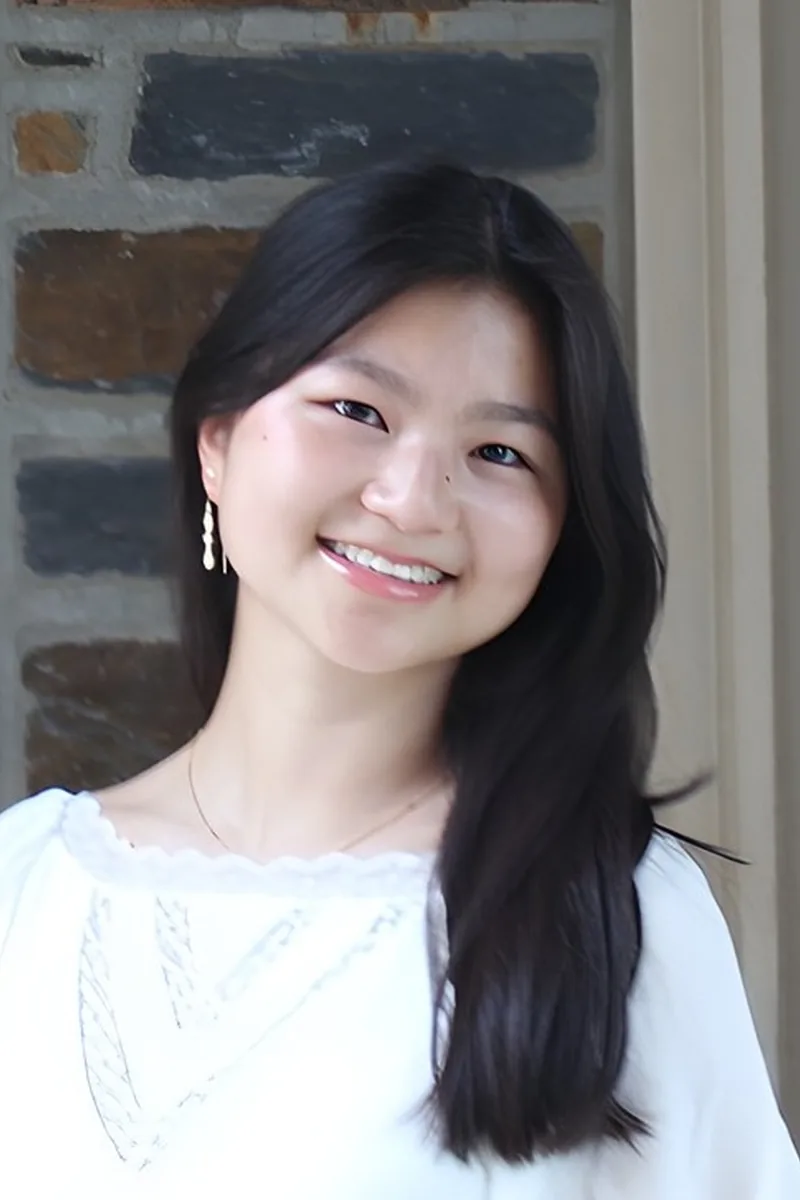
Fresh out of Duke's CS program and heading into a PhD at Michigan, Michelle writes Java the way the AP CSA exam expects — with careful attention to how classes interact, how recursion unwinds, and how data structures behave under the hood. She pairs that technical depth with a sociology-trained instinct for clear communication, breaking down abstract concepts like polymorphism and encapsulation into language that actually sticks. Rated 5.0 by students.

Irene's PhD in Mathematics and Computer Science means she learned Java and object-oriented design not as a side skill but as core dissertation-level work — so AP CSA topics like recursion, sorting algorithms, and class structure sit squarely in her wheelhouse. She teaches the logic behind the code, connecting how a for-loop traverses an array to the same discrete math reasoning she's used for decades. Rated 4.9 by students.
Currently studying computer science at Duke, Susie codes in Java daily — which means AP CSA topics like array manipulation, loop construction, and object-oriented design aren't exam abstractions but tools she actually uses in her coursework. She teaches the reasoning behind each concept first, so students can trace through free-response problems with confidence instead of guessing at syntax.
Having built a career in software development while completing a master's in Computer Science, Daniel writes Java professionally — which means he can teach AP Computer Science A concepts like class design, recursion, and polymorphism the way working programmers actually think about them. He walks students through free-response problems by connecting each prompt to real coding patterns he uses daily, building the kind of fluency that makes exam questions feel like familiar territory.
A pre-med track at Northwestern might not scream Java, but Manideep's coursework in Python and computer science means he's comfortable translating programming logic across languages — exactly the skill that makes AP CSA's object-oriented concepts and recursive thinking accessible. He breaks down class design and array problems by connecting them to the structured, methodical reasoning his science background demands. Rated 5.0 by students.
Dylan minors in computer science at Vanderbilt and codes in both Java and C++, so he understands how object-oriented principles like encapsulation and inheritance translate across languages — a perspective that sharpens how he teaches AP CSA's class design and polymorphism questions. His physics background also means he's used to building models from scratch, which maps naturally onto writing and debugging multi-class programs where every method needs a clear purpose.
Mechanical engineering at the college level means writing code that controls physical systems — and Corrina's background in robotics, Python, and machine learning gives her a programmer's instinct for how objects, methods, and data structures actually behave when something depends on them working correctly. She teaches AP CSA's trickier concepts like recursive logic and class design by grounding them in that engineering mindset, where every line of code has to do exactly what you think it does.
Cornell's Chemical Engineering and Computer Science dual degree means Jonathan writes Java in the same program where he solves differential equations — so he treats AP CSA's class design and algorithm problems with an engineer's instinct for breaking systems into modular, testable pieces. He's particularly sharp on the free-response side, where knowing how to structure a solution before touching code separates fours and fives from threes.
Java's object-oriented structure trips up a lot of AP CS A students right around inheritance and polymorphism, when the logic stops being intuitive. Matthew programs in Java professionally and academically, so he can unpack concepts like recursion, array manipulation, and class hierarchies using examples that actually click. Rated 4.9 by students.
Rice CS coursework in Java and Python means Alex writes object-oriented code daily — building classes, tracing recursion, debugging inheritance chains — which maps directly onto what the AP CSA exam tests. He also teaches Scratch and game design to younger students, so he's practiced at adjusting his explanations depending on whether someone is seeing their first for-loop or wrestling with polymorphism on a free-response prompt.
A computer engineering major who codes in Java, C++, and JavaScript daily, Rhamy digs into AP Computer Science A at the level where object-oriented design actually clicks — not just writing classes, but understanding why inheritance and polymorphism make code reusable. He walks through array manipulation, recursion, and sorting algorithms with the kind of precision that turns a 3 into a 5.
Princeton's operations research curriculum forced Jeff to build optimization models in Java and Python, so he knows firsthand how object-oriented principles like abstraction and encapsulation aren't just exam topics — they're tools for solving real problems efficiently. He leans on that applied experience when teaching AP CSA, especially for the algorithm-heavy free-response questions where students need to think about runtime and logic structure, not just correct output. Rated 4.8 by students.
Testimonials
Because the right AP Computer Science A tutor makes all the difference.
Average Session Rating – Based on 3.4M Learner Ratings
Practice AP Computer Science A
Free practice tests, flashcards, and AI tutoring for AP Computer Science A
Other Baltimore Tutors
Related Technology and Coding Tutors in Baltimore
Frequently Asked Questions
AP Computer Science A focuses on object-oriented programming using Java, covering units like primitive types, using objects, boolean expressions, iteration, writing classes, arrays, and algorithms. The course emphasizes problem-solving, code analysis, and understanding how data structures work. For students in Baltimore, personalized tutoring can help break down these concepts into manageable pieces, especially if you're new to programming or finding certain units challenging.
Score improvement depends on your starting point and how much you engage with tutoring—typically students see 2-4 point gains (on the 1-5 scale) with consistent preparation. The key is identifying your specific weak areas early, whether that's understanding inheritance and polymorphism, debugging code, or tackling the free-response questions. Varsity Tutors connects you with expert tutors who can create a focused study plan targeting your gaps rather than reviewing material you already know.
Many students struggle with object-oriented programming concepts like classes, inheritance, and polymorphism, as well as understanding how to trace through code and predict output. The free-response section is particularly challenging because it requires writing complete, correct Java code under time pressure. Personalized tutoring helps by walking through these concepts step-by-step, providing practice with code tracing, and building confidence in writing solutions from scratch.
Practice tests are essential—they help you understand the exam format, identify which units need more review, and build familiarity with time constraints (the exam is 3 hours with both multiple-choice and free-response sections). Rather than taking full practice tests randomly, a strategic approach is to take one early to establish a baseline, target weak areas with tutoring, then take another test to measure improvement. Expert tutors can review your practice test results with you to pinpoint exactly where you're losing points.
Your first session is about understanding where you stand and what you need most. A tutor will likely assess your comfort level with Java fundamentals, review any recent exams or assignments, and discuss your goals—whether you're aiming for a 3, 4, or 5, or preparing for an upcoming exam date. From there, you'll develop a personalized plan that focuses on your biggest challenges, whether that's mastering arrays and loops, understanding class design, or improving your free-response writing skills.
Most students benefit from 3-4 months of consistent preparation leading up to the May exam, though this depends on your starting point. If you're taking the course, regular tutoring throughout the year helps reinforce concepts as you learn them rather than cramming at the end. If you're preparing for an upcoming exam, starting 8-10 weeks out with 2-3 sessions per week allows time to cover weak units, practice code writing, and take full-length practice tests before test day.
Test anxiety in AP Computer Science A often stems from uncertainty about code tracing or free-response problems. Building confidence through repeated practice—especially timed practice with similar question formats—reduces anxiety significantly. Tutors can also help you develop a test-day strategy, like tackling multiple-choice first to build momentum, flagging tricky questions to return to, and managing your time across the free-response section so you don't rush at the end.
Look for tutors with strong Java programming experience, familiarity with the AP Computer Science A curriculum and exam format, and a track record helping students improve their scores. Ideally, they understand not just the syntax but the conceptual foundations—like why object-oriented design matters and how to debug code systematically. Varsity Tutors connects you with expert tutors who meet these standards and can teach in a way that matches your learning style, whether you prefer working through code examples, discussing concepts first, or a mix of both.
Let’s find your perfect tutor
Answer a few quick questions. We’ll recommend the right plan and match you with a top 5% tutor.