Award-Winning Essay Editing Tutors
serving New Orleans, LA
Essay Editing
Tutors in New Orleans
Private 1-on-1 tutoring, weekly live classes for academic support, test prep & enrichment, practice tests and diagnostics, and more to elevate grades and test scores.
Based on 3.4M Learner Ratings
UniversitiesSchools & Universities
DeliveredHours Delivered
ProficiencyGrowth in Proficiency
Who needs tutoring?
No obligation. Takes ~1 minute.
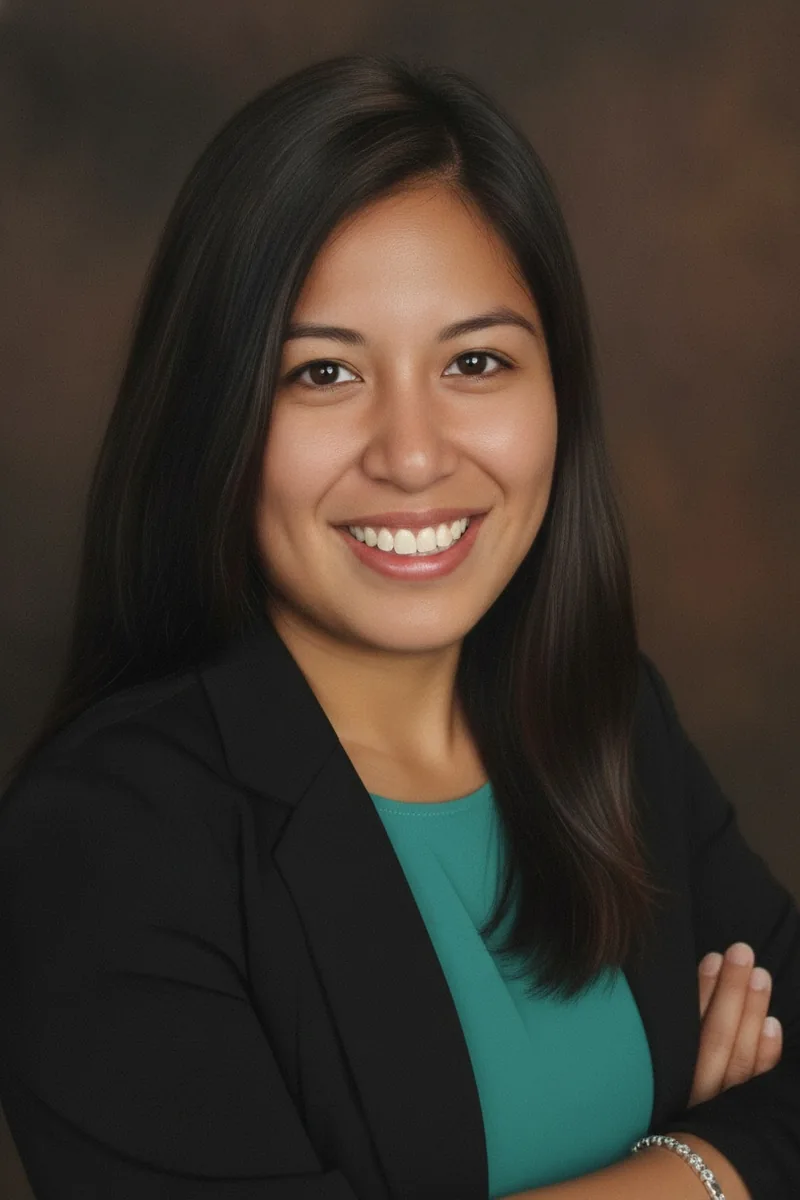
Years of revising research papers and clinical documentation taught Robin to spot structural weaknesses fast — unclear thesis statements, paragraphs that drift off-topic, transitions that don't actually connect ideas. She walks through each draft with a developmental eye first, then tightens sentence-level clarity and tone. Rated 5.0 by students.

Editing isn't just fixing commas — it's rethinking whether each paragraph earns its place in the argument. Daniel reads drafts with an eye for logical flow, cutting filler sentences, tightening transitions, and making sure every claim connects back to a clear thesis. He's especially effective at helping students see their own writing objectively, a skill he sharpened by requiring his own tutoring students to articulate what each revision improves.
Good essay editing goes beyond catching comma splices — it means tightening argument structure, cutting filler, and making sure every paragraph earns its place. Phillip treats revision as a systematic process, teaching students to diagnose their own drafts for weak thesis statements, unclear transitions, and unsupported claims. His 1560 SAT score reflects the kind of careful reading and writing precision he brings to each session.
Good essay editing isn't about fixing commas — it's about asking whether each paragraph actually earns its place in the argument. Charles reads student drafts looking for structural problems first: unclear thesis statements, paragraphs that drift from their topic sentences, and evidence that doesn't connect back to the claim. His writing background and Yale coursework give him a sharp eye for tightening prose without flattening a student's voice.
Good editing goes beyond fixing commas; it asks whether each paragraph earns its place in the argument. Mimi reads student drafts with an eye for both structural coherence and sentence-level clarity, offering targeted feedback on transitions, evidence integration, and voice. Her background spans academic, creative, and admissions writing.
Good editing is more than fixing commas. Jennifer treats revision as a structural exercise: Does this paragraph earn its place? Does the transition actually connect two ideas, or just sit between them? Her MAT training at NYU sharpened her ability to diagnose what's not working in a draft and explain exactly how to fix it.
Most essay editing goes wrong when it stays at the surface — fixing commas but ignoring a thesis that doesn't actually argue anything. Frances reads drafts the way a professional editor would, flagging structural problems like buried arguments or paragraphs that drift from their topic sentences before touching grammar. Her own professional writing experience means she can show students exactly how to tighten a wordy sentence or sharpen a vague claim.
Editing someone else's essay is a different skill than writing your own, and Keith treats it that way. He walks students through a layered revision process — first examining the argument's logical structure, then tightening paragraph transitions, and finally cleaning up sentence-level issues like passive voice and redundancy. The goal is for students to internalize the editing eye so they can eventually apply it independently.
Good editing isn't just catching comma splices — it's restructuring an argument so each paragraph earns the next. David sharpens essays at the level of logic and flow first, then zooms into sentence-level clarity, tone, and word choice. His experience spans academic writing and personal narratives, including coaching students through college application essays.
Good editing isn't about hunting for comma splices — it's about asking whether each paragraph earns its place in the argument. Shelley's journalism training drilled ruthless revision habits, from restructuring a thesis to cutting filler sentences that dilute a paper's impact. She walks students through her editing process so they internalize it for future assignments.
A strong essay isn't just about what you say — it's about how tightly your argument holds together sentence by sentence. Sam digs into structure, transitions, and clarity of claim, teaching students to revise with purpose rather than just polishing surface-level errors. His background writing extensively across biomedical and social sciences means he knows how to sharpen prose for any discipline.
Good editing isn't about fixing typos — it's about asking whether each paragraph earns its place in the argument. Kate reads drafts with an engineer's eye for structure, checking that thesis statements actually govern the essay and that evidence connects logically from one section to the next. She marks up drafts with specific, actionable feedback on transitions, clarity, and tone so students learn to self-edit over time.
Matthew approaches essay editing the way a scientist approaches a draft manuscript: structure first, then clarity, then polish. He's especially good at identifying where an argument loses its thread or where a paragraph is doing two jobs at once, then restructuring so each section earns its place. His experience writing research papers at Yale and the NIH, plus crafting his own medical school applications, gives him a sharp eye for both academic and personal writing.
Editing legal briefs taught Emily that revision isn't about catching typos — it's about asking whether every sentence earns its place. She zeroes in on argument structure, paragraph transitions, and clarity of thesis before moving to sentence-level polish, so students learn to self-edit with the same critical eye.
Testimonials
Because the right Essay Editing tutor makes all the difference.
Average Session Rating – Based on 3.4M Learner Ratings
Nearby Essay Editing Tutors
Other New Orleans Tutors
Related English Tutors in New Orleans
Frequently Asked Questions
Essay editing tutoring focuses on refining your writing at every level—from overall structure and argument development to sentence-level clarity and grammar. Tutors help you strengthen your thesis, organize ideas logically, improve your writing voice, and ensure proper citations in MLA, APA, or other formats. Whether you're working on literary analysis, persuasive essays, or research papers, personalized instruction targets the specific areas where your writing needs the most improvement.
You'll typically start by sharing a draft or discussing your assignment, and your tutor will provide detailed feedback on both big-picture issues (like thesis clarity and argument flow) and smaller concerns (like word choice and punctuation). Rather than just correcting errors, tutors ask questions and guide you through revision strategies so you understand how to improve your own writing. This personalized approach helps you develop stronger writing skills that transfer to future assignments.
Many students struggle with organizing their ideas into a coherent structure, developing a strong thesis statement, or moving beyond surface-level analysis in literary essays. Writer's block, managing citations correctly, and balancing formal tone with personal voice are also frequent pain points. With personalized tutoring, you can address your specific challenges rather than trying generic writing tips that may not fit your needs.
Bring any essay drafts you're currently working on, assignment instructions or rubrics from your teacher, and notes about areas where you'd like help—whether that's organization, thesis development, grammar, or something else. If you don't have a draft yet, you can discuss the assignment itself and work through brainstorming and outlining. The more specific you are about what you need, the more tailored your tutoring can be.
Not quite. Proofreading focuses on catching spelling, punctuation, and grammar errors in a nearly-finished essay. Essay editing goes much deeper—it examines your argument structure, thesis strength, evidence quality, and overall clarity. Tutors help you revise at the paragraph and sentence level to make your writing more persuasive and engaging, not just error-free.
Literary analysis requires moving beyond plot summary to examine how authors use techniques like symbolism, imagery, and characterization to develop themes. Tutors help you craft strong analytical arguments, support claims with specific textual evidence, and develop your interpretations in depth. With personalized feedback, you'll learn to write analysis that demonstrates genuine understanding rather than surface-level observations.
Yes. Whether you need help understanding MLA, APA, Chicago, or another citation style, tutors can guide you through proper formatting for in-text citations, works cited pages, and bibliography entries. They'll also help you understand why citations matter and how to integrate sources smoothly into your writing, so you're not just following rules but actually using sources effectively.
Many students notice clearer, more organized writing within a few sessions as they learn specific revision strategies and receive detailed feedback on their drafts. More significant improvements in argument development and analytical depth typically emerge over several weeks as you apply tutoring insights to multiple assignments. The key is consistent practice—tutors help you develop skills that strengthen all your future writing, not just individual essays.
Let’s find your perfect tutor
Answer a few quick questions. We’ll recommend the right plan and match you with a top 5% tutor.