Award-Winning AP English Language and Composition Tutors
serving New Orleans, LA
AP English Language and Composition
Tutors in New Orleans
Private 1-on-1 tutoring, weekly live classes for academic support, test prep & enrichment, practice tests and diagnostics, and more to elevate grades and test scores.
Based on 3.4M Learner Ratings
UniversitiesSchools & Universities
DeliveredHours Delivered
ProficiencyGrowth in Proficiency
Who needs tutoring?
No obligation. Takes ~1 minute.

I am a dedicated tutor with a genuine passion for helping students to improve their grades and fall in love with learning. I believe that every student has the potential to succeed, and my greatest joy comes from helping them discover their own strength and confidence. I am here to provide a supportive, patient, and encouraging space for growth.
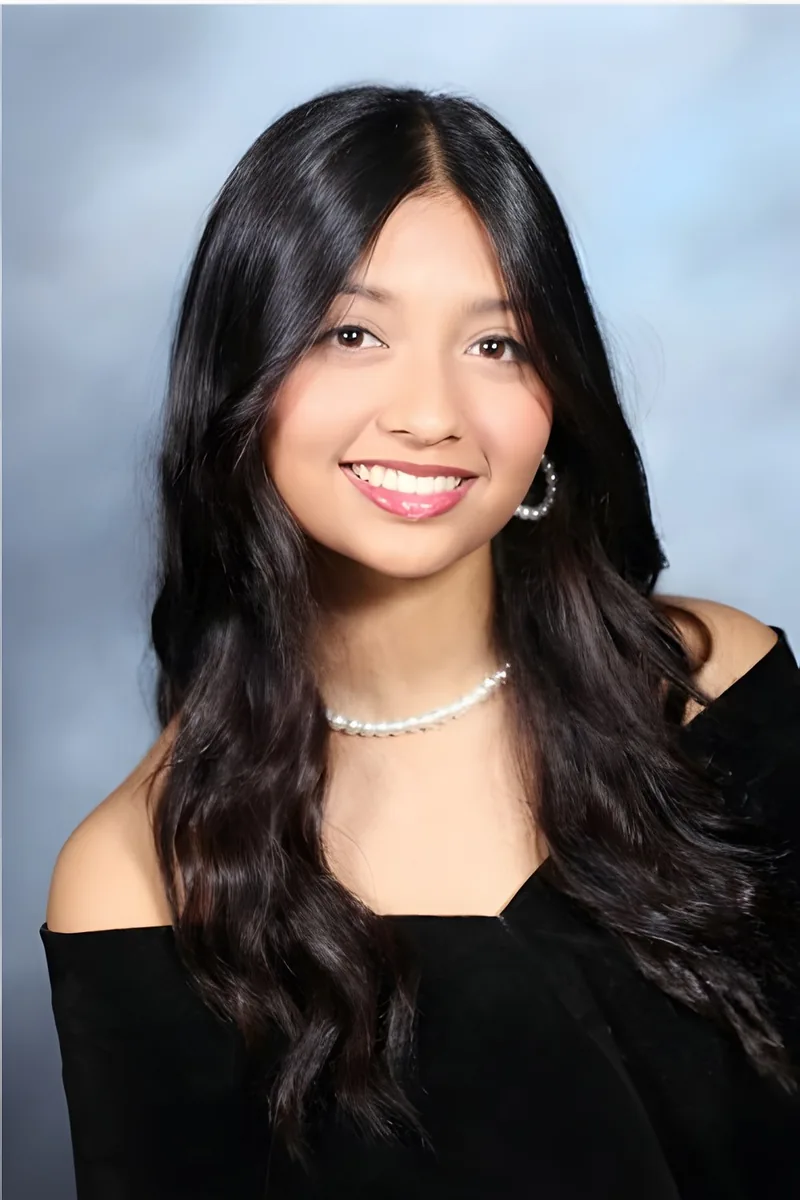
I am a rising second-year Honors student at the University of Florida, majoring in Health Science on the pre-medicine track. Through competitive academic programs, tutoring, and leadership experiences, I have learned how to explain complex concepts in ways that are engaging and easy to understand. Throughout my childhood, I competed in various spelling bees, including the Scripps National Spelling Bee, where I developed a deep appreciation for language, word origins, and effective communication. Later, I discovered HOSA's Medical Spelling competition, which perfectly combined my love for orthography with my growing passion for science and healthcare. I spent countless hours studying Taber's Medical Dictionary and organizing medical terminology into detailed study systems, further strengthening both my academic discipline and interest in medicine. My tutoring experience began with helping younger students prepare for spelling competitions before expan
Rhetoric is really applied philosophy: every AP Lang prompt asks students to dissect how an author persuades, and then do it themselves. Julie studies philosophy at Princeton, where she spends her days analyzing argument structure, identifying logical appeals, and writing precisely — the same toolkit that earns high scores on synthesis and rhetorical analysis essays.
AP Lang is fundamentally about rhetoric — understanding how writers use evidence, tone, and structure to persuade. Tessa unpacks real arguments with students, teaching them to spot rhetorical strategies like concession, appeals to authority, and shifts in register, then translate that analysis into the synthesis, rhetorical analysis, and argument essays the exam demands. Her dual focus on math and history at Yale gives her a natural comfort with both logical reasoning and persuasive writing.
AP Lang is ultimately about dissecting how writers persuade — rhetorical strategies, evidence deployment, structural choices. Michelle's neuroscience and literature background at Duke sharpens her eye for argument construction, and she teaches students to write analytical essays that do more than summarize by anchoring every claim in specific textual evidence.
AP Lang is ultimately about rhetoric: understanding how writers construct arguments through tone, structure, and strategic evidence. Martha's PhD research at Michigan requires exactly this kind of analytical reading — dissecting published studies for their persuasive strategies — and she applies that same lens to teaching students how to decode synthesis prompts and write arguments that earn top scores on the exam.
Rhetorical analysis is the backbone of AP Lang, and most students struggle not with identifying devices but with explaining *why* an author's choices matter for a specific audience. Jake unpacks arguments piece by piece — ethos appeals in an opening anecdote, strategic concessions in a counterargument — and teaches students to write analysis that goes beyond labeling techniques. His background in marketing gives him a practical lens on persuasion that translates directly to the exam.
AP Lang asks students to dissect how authors build arguments — identifying rhetorical strategies, evaluating evidence, and constructing their own persuasive essays under time pressure. Rithi approaches this analytically, teaching students to map an argument's structure before writing about it, a skill she honed through years of reading and critiquing scientific literature in her neuroscience and biotechnology programs.
Rhetorical analysis is the backbone of AP Lang, and David approaches it by teaching students to name exactly what an author is doing — whether that's deploying an anecdote for pathos or structuring a concession-and-rebuttal to disarm opposition. He also digs into the synthesis and argument essays, where students need to marshal sources quickly and write with a clear, deliberate voice.
AP Lang is really a course in argument — identifying how writers use rhetorical strategies and then deploying those same moves in your own essays. Eric's combination of deep reading habits and formal writing experience means he can dissect a passage's use of ethos, logos, and tone shifts, then coach students through crafting synthesis and argument essays that score well.
The AP Lang exam lives at the intersection of rhetoric and writing — two things Maddy has been immersed in since college, where she studied American literature and wrote an honors thesis analyzing cultural criticism. She digs into how authors use tone, diction, and structural choices to persuade, then teaches students to replicate those moves in their own synthesis and argument essays.
AP Lang is fundamentally about argument — identifying how writers use rhetorical strategies and then deploying those same strategies in timed essays. Luke's English degree and graduate-level training in textual analysis mean he can break down how ethos, logos, and pathos function in real passages, from political speeches to scientific editorials. He also walks students through the synthesis, rhetorical analysis, and argument essays with clear structural frameworks that hold up under exam pressure.
Rhetoric is the backbone of AP English Language, and Winnie unpacks persuasive strategies — appeals to ethos, strategic concessions, shifts in tone — by connecting them to real arguments students encounter in journalism and political speech. Currently studying mass communications at ASU's Cronkite School, she brings a working understanding of how language is crafted to move audiences, which is exactly what the synthesis and rhetorical analysis essays test.
Rhetoric is the backbone of AP English Language, and Amy teaches students to dissect how authors use appeals, structure, and diction to build persuasive arguments. Her college-level English training means she can model the kind of sophisticated synthesis and argumentation the exam's free-response questions demand. She also tackles the multiple-choice section by showing students how to read like a writer — noticing choices an author made and why.
Testimonials
Because the right AP English Language and Composition tutor makes all the difference.
Average Session Rating – Based on 3.4M Learner Ratings
Practice AP English Language and Composition
Free practice tests, flashcards, and AI tutoring for AP English Language and Composition
Nearby AP English Language and Composition Tutors
Other New Orleans Tutors
Related English Tutors in New Orleans
Frequently Asked Questions
The AP English Language and Composition exam focuses on rhetorical analysis, argument, and synthesis skills. You'll analyze how writers use language, structure, and persuasive techniques to communicate ideas; develop your own arguments supported by evidence; and synthesize multiple sources into cohesive essays. The exam includes three free-response essays (rhetorical analysis, argument, and synthesis) and a 45-minute multiple-choice section testing reading comprehension and rhetorical concepts. Understanding these core skills—rather than memorizing content—is key to success on test day.
Score improvement depends on your starting point and how consistently you engage with personalized instruction. Students who work with tutors typically see gains of 1-3 points on the 1-5 AP scale, though some improve more significantly by addressing specific weaknesses in essay structure, evidence integration, or time management. The key is identifying which skills need the most work—whether that's analyzing rhetorical devices, building stronger arguments, or managing the three-hour exam pacing—and practicing those skills repeatedly. Varsity Tutors connects you with expert tutors who can diagnose your exact challenges and create a focused study plan for the months leading up to the exam.
Many students struggle with time management during the exam—the three essays in 225 minutes requires efficient planning and writing. Others find it difficult to distinguish between rhetorical analysis (explaining how a writer persuades) and argument (making their own persuasive case), which are two different essay types with different expectations. Weak evidence integration is another frequent issue; students cite sources but don't explain how the evidence supports their claims. Tutors can help you practice timed essay writing, master the specific requirements of each essay type, and develop strategies for selecting and analyzing evidence that strengthens your arguments.
Strong AP essays require a clear thesis, strategic use of evidence, and sophisticated analysis of language and rhetoric. Start by understanding the unique demands of each essay type: the rhetorical analysis essay asks you to explain a writer's persuasive choices, the argument essay requires you to take a position and defend it, and the synthesis essay asks you to integrate multiple sources into a coherent response. Practice writing under timed conditions to build speed and confidence, then review your essays with a tutor who can identify patterns in your writing—such as vague thesis statements, underdeveloped analysis, or weak transitions—and help you address them. Varsity Tutors connects you with tutors experienced in AP English Language and Composition who can provide detailed feedback on your essays and help you refine your approach before test day.
The multiple-choice section tests your ability to understand rhetorical concepts, identify a writer's purpose and tone, and recognize persuasive techniques. Many students rush through the passages and miss nuances in language that reveal the writer's intent. Practice reading actively—annotating for rhetorical devices, shifts in tone, and structural patterns—and then answer questions by referencing specific textual evidence. Tutors can help you develop a systematic approach to reading passages efficiently, teach you to recognize common question types and traps, and build your vocabulary of rhetorical terms. With consistent practice and targeted feedback, you'll develop the skills to analyze passages quickly and accurately.
Most students benefit from beginning focused AP exam preparation in January or February if the exam is in May, giving you 3-4 months to build skills and practice under timed conditions. However, if you're already in April or May, targeted tutoring can still help you refine your essays, address specific weaknesses, and build confidence. The ideal study approach includes regular practice essays (ideally weekly), review of your work with feedback, and gradual increases in timed writing as the exam approaches. Connecting with a tutor early allows you to create a personalized study plan that fits your schedule and focuses on your biggest challenges, whether that's time management, rhetorical analysis, or evidence integration.
Test anxiety often stems from uncertainty about what to expect or lack of confidence in your skills. The best antidote is familiarity: practice with actual AP exam formats and questions repeatedly so the test feels familiar on exam day. Develop a pre-exam routine that calms your mind, such as reviewing key rhetorical terms or reading a passage you've analyzed before. During the exam, manage your time by allocating roughly 40 minutes per essay and 45 minutes for the multiple-choice section, which reduces the panic of running out of time. Tutors can help you practice under realistic test conditions, build confidence through repeated success, and develop mental strategies for staying calm and focused when you encounter challenging passages or prompts.
Varsity Tutors connects you with expert tutors in New Orleans who have deep knowledge of the AP English Language and Composition curriculum, exam format, and effective teaching strategies. When you connect with a tutor, you can discuss your specific goals—whether you're aiming for a 3, 4, or 5—and your biggest challenges, so the tutor can tailor instruction to your needs. Look for tutors with experience teaching rhetorical analysis, argument development, and synthesis skills, as well as experience helping students manage exam timing and test anxiety. Your first session is an opportunity to see if the tutor's teaching style matches your learning style and if you feel comfortable working together through exam day.
Let’s find your perfect tutor
Answer a few quick questions. We’ll recommend the right plan and match you with a top 5% tutor.