Award-Winning Computer Science Tutors
serving Indianapolis, IN
Computer Science
Tutors in Indianapolis
Private 1-on-1 tutoring, weekly live classes for academic support, test prep & enrichment, practice tests and diagnostics, and more to elevate grades and test scores.
Based on 3.4M Learner Ratings
UniversitiesSchools & Universities
DeliveredHours Delivered
ProficiencyGrowth in Proficiency
Who needs tutoring?
No obligation. Takes ~1 minute.

Having a triple major that includes both Computer Science and Mathematics, Darren connects programming concepts to the formal logic and problem-solving frameworks that make them click. Whether it's data structures, algorithm efficiency, or debugging stubborn code, he walks through each problem step by step until the reasoning — not just the syntax — makes sense.
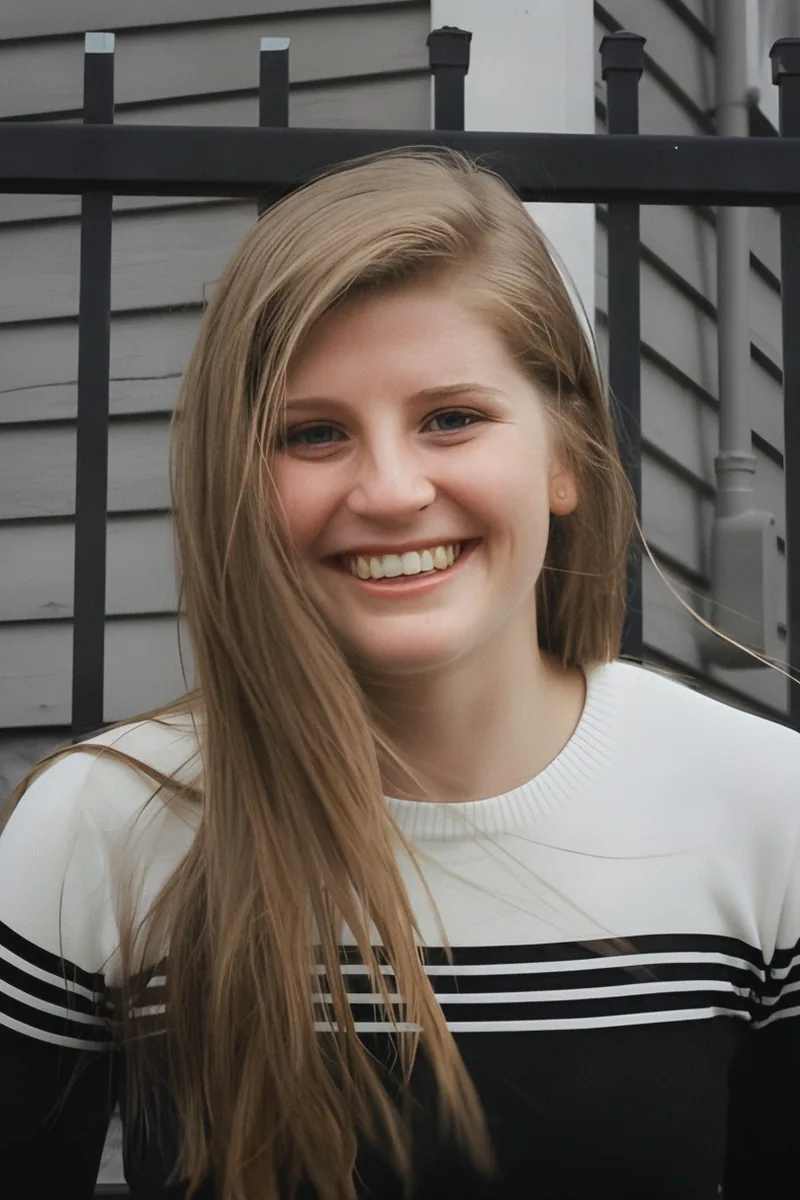
From data structures and algorithms to computational complexity, Victoria covers the core CS concepts that show up in both coursework and technical interviews. Studying computer science and math simultaneously at WashU gave her a knack for explaining the mathematical reasoning behind topics like recursion, sorting efficiency, and graph traversal. She holds a 5.0 rating from students.
Having TA'd courses in C Programming, Digital Systems Design, and iOS development at Purdue, Akio has debugged student code across enough languages and paradigms to spot the conceptual gaps that cause the most frustration — whether it's misunderstanding pointer arithmetic or struggling with event-driven programming patterns. His computer engineering degree means he teaches software concepts with a hardware-aware perspective, connecting ideas like memory allocation and data representation to what's physically happening on the chip. Rated 4.8 by students.
Christopher approaches computer science as structured problem-solving, breaking down concepts like algorithms, data types, and control flow into digestible steps before ever touching a keyboard. His business analytics coursework at Indiana University keeps him actively coding and thinking computationally, which translates into clear, practical explanations for students just getting started.
I am an incoming college sophomoore studying Aerospace Engineering at the Georgia Institute of Technology. I was one of the top scholars at Carmel High School in Indiana and have various experiences teaching and tutoring through leading the Carmel High School Science Olympiad team to Nationals for two years in a row. Many of my friends consistently come to me for help with various subjects because of my willingness to help and teach in a way that makes sense to everyone. My specialities are physics, chemistry, math, and economics but I am comfortable tutoring any STEM subject, the SAT, and the ACT. Some of my accomplishments include a perfect 36 ACT score, 800 on the Physics, Math Level 2, and Chemistry SAT subject tests, and a 5 on all the physics, Calculus BC, Chemistry, Macroeconomics, Computer Science, etc. AP exams. When teaching, I focus on making sure that not only do students understand different concepts, but also that students understand why and practical applications of the different concepts. As a recent high school graduate, I have a deep understanding of how high-schoolers think, what is covered in various courses now, and can connect with my students a lot more. Additionally, as an undergraduate teaching assistant at the College of Computing at Georgia Tech, I taught weekly recitation sections of 30 students and held weekly office hours. Therefore, I have lots of experience teaching and working with students.
I am currently a sophomore at the University of Notre Dame. I am majoring in Applied Mathematics and Statistics.
Earning a computer science minor at Penn meant Cody went deep on data structures, algorithms, and programming logic alongside students in one of the country's top CS programs. His cognitive science major adds an unusual edge: he understands how people learn to think computationally, which makes him effective at explaining recursion, sorting algorithms, or Big-O analysis in ways that actually stick.
Between a master's in Computer Science, an active PhD program, and a full-time software development career, Daniel lives this subject from multiple angles — theoretical and applied. He unpacks everything from algorithmic complexity and data structures to systems-level thinking, tailoring the depth to wherever a student currently sits in their CS journey.
Elizabeth's computer science degree and professional software development career mean she teaches CS concepts the way they're actually used — not just as textbook definitions. Whether it's understanding recursion, tracing through data structures, or reasoning about algorithmic efficiency, she connects abstract ideas to real code she's written on the job.
Three Bachelor of Science degrees — including Neuroscience — meant Anna was writing code long before she started teaching it, using Java, Python, and MATLAB to analyze data and build computational models across disciplines. That cross-field experience shapes how she teaches CS fundamentals: students don't just learn syntax, they learn to think about what a program needs to do before structuring it in any particular language. Rated 5.0 by students.
Studying Computer Science alongside Math/Stats at Carleton College, Thomas lives at the intersection of algorithms, data structures, and mathematical reasoning. He digs into topics like recursion, sorting algorithms, and object-oriented design by building understanding from first principles rather than rote code memorization.
Software development taught Michael something that textbooks often skip: the discipline of decomposing a massive, ambiguous problem into small, testable pieces — and that's exactly how he teaches computer science. His professional coding experience across languages like Java, Python, Ruby, and C means he can ground abstract topics like object-oriented design or control flow in real working code rather than classroom-only exercises. Rated 4.9 by students.
From sorting algorithms to recursion to object-oriented architecture, computer science rewards the ability to think in layers of abstraction. Joel is pursuing CS at Cornell alongside physics, which means he approaches programming problems with both mathematical rigor and practical debugging instincts. He's comfortable across Python and Java and adapts to whatever language a student's course requires.
Studying computer science at Cornell's College of Engineering, Ravnoor digs into topics like data structures, algorithms, and object-oriented design on a daily basis. He breaks complex problems — recursion, linked lists, sorting efficiency — into smaller, concrete steps so students build genuine understanding they can apply to new challenges independently.
Michael earned his B.S. in Computer Science from UCLA, where he dug into everything from data structures and algorithms to software design principles. He breaks down abstract concepts like recursion, Big-O analysis, and object-oriented programming into concrete, step-by-step logic that clicks. He also teaches JavaScript, giving him a practical edge when students need to connect theory to actual code.
Biomedical engineering at Rice requires heavy computational coursework, so Theresa has tackled core computer science concepts — from object-oriented programming and data structures to algorithm complexity — in the context of solving real problems. She explains abstract ideas like recursion and sorting algorithms by connecting them to concrete examples rather than letting students drown in theory. Rated 5.0 by students.
Eric treats coding problems the same way he treats logical puzzles — by breaking them apart, finding the pattern, and building a solution step by step. As a CS major at Washington University in St. Louis, he's deep in Java and JavaScript right now, which means he can walk students through everything from writing their first function to structuring a full object-oriented program. His approach emphasizes learning to think through problems algorithmically before jumping to syntax.
From sorting algorithms and Big-O analysis to data structures like linked lists and binary trees, Rhamy covers the foundational CS concepts that show up in coursework and technical interviews alike. His computer engineering degree at Vanderbilt, paired with experience in multiple languages, lets him explain abstract ideas through concrete code. Rated 5.0 by students.
Testimonials
Because the right Computer Science tutor makes all the difference.
Average Session Rating – Based on 3.4M Learner Ratings
Nearby Computer Science Tutors
Other Indianapolis Tutors
Related Technology and Coding Tutors in Indianapolis
Frequently Asked Questions
Your first session is about understanding your goals and current skill level. A tutor will ask about what you're working on—whether it's learning Python basics, debugging code, preparing for AP Computer Science, or building a specific project—and identify areas where you need the most support. From there, you'll develop a personalized plan that focuses on your priorities, whether that's mastering programming logic, improving your problem-solving approach, or getting hands-on code review.
Syntax is the specific rules of a programming language (like Python or Java), while logic is the algorithmic thinking—how you break down problems and design solutions. Many students struggle because they focus only on syntax without building strong logical foundations. Personalized tutoring helps you develop both: understanding how to think through a problem step-by-step, then translating that into correct code. This approach makes it easier to learn new languages later, since the logic transfers across platforms.
Debugging is a critical skill, and it's often taught poorly in large classrooms. A tutor can walk through your code with you, teaching you how to read error messages, use debugging tools, and trace through your logic to find where things went wrong. Rather than just fixing the error, they'll help you develop a systematic approach to problem-solving so you can catch and fix issues independently. This hands-on code review accelerates your learning and builds confidence.
Data structures (arrays, linked lists, trees, hash tables) are abstract concepts that are tough to visualize without hands-on practice. Tutors can break these down with concrete examples, visual explanations, and coding exercises that make the concepts click. Working through real problems together—like when to use an array versus a hash table, or how recursion works with tree traversal—helps you build intuition rather than just memorizing definitions.
Absolutely. Project-based learning is one of the most effective ways to develop computer science skills. Tutors can guide you through building real applications—whether that's a web app, a game, a data analysis project, or a mobile app—while teaching you best practices for code organization, testing, and debugging. This approach keeps you motivated and gives you portfolio pieces you can show to colleges or employers.
A tutor can help you explore different areas and find what resonates with you. If you're interested in building user interfaces, web development might be your focus. If you love working with numbers and patterns, data science could be the fit. Game development combines graphics, physics, and creative problem-solving. In your first session, discuss your interests and career goals—a tutor can recommend a learning path and help you build foundational skills that apply across all these specializations.
AP Computer Science A focuses on Java programming and object-oriented design, while AP Principles covers broader computational thinking concepts. Both require strong problem-solving skills and the ability to write efficient, well-organized code. Tutors can help you master the specific curriculum, work through practice problems, review past exam questions, and develop test-taking strategies. With personalized instruction, you can focus on your weak areas rather than spending time on concepts you've already mastered.
Look for tutors with real-world programming experience, not just classroom knowledge. They should be able to explain concepts clearly, provide code review feedback, and help you debug actual problems you're working on. Whether they specialize in a specific language (Python, Java, JavaScript) or have experience across multiple languages matters depending on your goals. Varsity Tutors connects you with experienced tutors who can match your skill level and learning style.
Let’s find your perfect tutor
Answer a few quick questions. We’ll recommend the right plan and match you with a top 5% tutor.