Award-Winning AP Computer Science A Tutors
serving Indianapolis, IN
AP Computer Science A
Tutors in Indianapolis
Private 1-on-1 tutoring, weekly live classes for academic support, test prep & enrichment, practice tests and diagnostics, and more to elevate grades and test scores.
Based on 3.4M Learner Ratings
UniversitiesSchools & Universities
DeliveredHours Delivered
ProficiencyGrowth in Proficiency
Who needs tutoring?
No obligation. Takes ~1 minute.
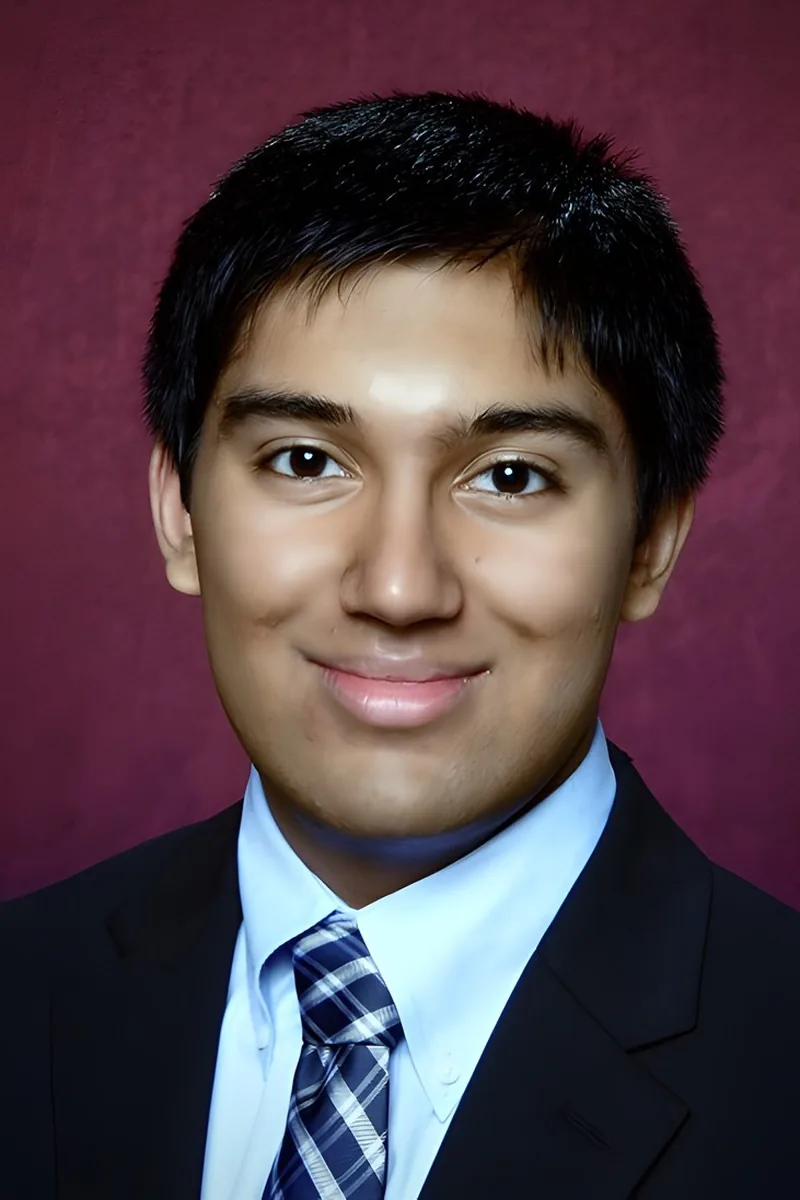
Between earning a 5 on the AP Computer Science exam and teaching recitation sections at Georgia Tech's College of Computing, Satvik knows AP CS A from both sides of the classroom. He digs into the topics that sink most students on the exam — recursive tracing, sorting algorithm analysis, and 2D array traversal — and builds the problem-solving instincts the free-response section demands.
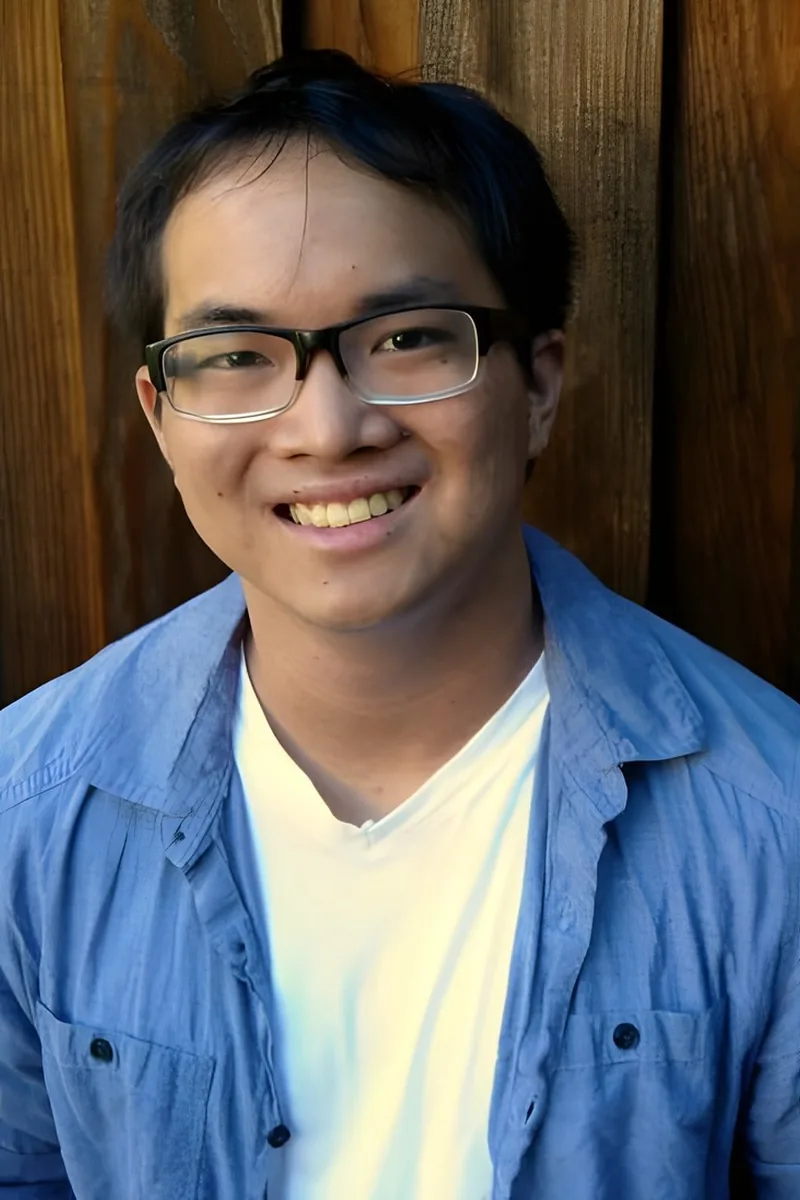
The jump from writing simple programs to reasoning about recursion, sorting algorithms, and ArrayLists trips up a lot of AP CS A students. David teaches Java with the rigor of someone who earned an MS in Computer Science at Stanford, walking through each concept with the kind of tracing and debugging exercises that make exam free-response questions feel routine.
Currently studying computer science at Duke, Susie codes in Java daily — which means AP CSA topics like array manipulation, loop construction, and object-oriented design aren't exam abstractions but tools she actually uses in her coursework. She teaches the reasoning behind each concept first, so students can trace through free-response problems with confidence instead of guessing at syntax.
A computer engineering major who codes in Java, C++, and JavaScript daily, Rhamy digs into AP Computer Science A at the level where object-oriented design actually clicks — not just writing classes, but understanding why inheritance and polymorphism make code reusable. He walks through array manipulation, recursion, and sorting algorithms with the kind of precision that turns a 3 into a 5.
A perfect 5 on the AP Computer Science exam backs up William's ability to teach Java fundamentals — from array manipulation and recursion to object-oriented class design. He breaks down each free-response question type so students know exactly how to structure their logic and earn full credit on exam day.
MIT's architecture program requires serious computational work — and Alicia paired hers with a computer science minor, writing Java and Python to solve structural and design problems where the code had to actually produce something. That blend of CS fundamentals and applied problem-solving translates directly to AP CSA's free-response section, where she teaches students to architect their classes and methods with the same intentionality she'd bring to designing a building. Rated 5.0 by students.
Penn State's CS program put Nicholas through Java from day one — building projects with inheritance, polymorphism, and data structures in the same language the AP CSA exam tests. That means he can spot exactly where students get tripped up on free-response questions, whether it's a misplaced recursive base case or a confused ArrayList traversal, and walk through the fix in real time. Holds a 5.0 rating.
Having built a career in software development while completing a master's in Computer Science, Daniel writes Java professionally — which means he can teach AP Computer Science A concepts like class design, recursion, and polymorphism the way working programmers actually think about them. He walks students through free-response problems by connecting each prompt to real coding patterns he uses daily, building the kind of fluency that makes exam questions feel like familiar territory.
Mechanical engineering at Case Western means Kevin codes in MATLAB and CAD environments where logical structure matters — the same kind of structured thinking that Java's object-oriented model demands in AP CSA. He approaches topics like loop construction and array manipulation the way an engineer solves a design problem: define the inputs, trace the logic, then build. Rated 4.8 by students.
Java's object-oriented structure — inheritance, polymorphism, recursion, array manipulation — clicks faster when a tutor can connect it to projects students actually care about. Evan writes production code in C++ and Java for game development and brings that practical fluency to AP Computer Science A's free-response questions and algorithm design challenges.
Object-oriented programming clicks faster when someone can explain why you'd actually use inheritance or polymorphism in a real project. Adel's Java experience and engineering mindset make him effective at breaking down AP Computer Science A topics like recursion, array manipulation, and class design into logical steps that mirror how working programmers think.
Double-majoring in physics and computer science at Stony Brook means Kiran writes Java and C++ not just for coursework but for computational physics problems — simulations, data analysis, algorithm design — where sloppy code means wrong answers, not just compiler errors. That habit of precision carries directly into AP CSA, where he teaches students to think carefully about how objects interact and why a method behaves differently than expected before rewriting a single line.
I am graduated from Penn State University in Industrial Engineering in 2017. I've tutored ever since I was in high school, and I love helping people! I like to help my students understand math (and other topics) instead of just doing it blindly. My goal is to help my students improve their math (and other topics) and build skills that will help them find learning easier in the future! Fun fact, I used to work for Disney and I like to salsa dance!
Testimonials
Because the right AP Computer Science A tutor makes all the difference.
Average Session Rating – Based on 3.4M Learner Ratings
Practice AP Computer Science A
Free practice tests, flashcards, and AI tutoring for AP Computer Science A
Nearby AP Computer Science A Tutors
Other Indianapolis Tutors
Related Technology and Coding Tutors in Indianapolis
Frequently Asked Questions
AP Computer Science A focuses on object-oriented programming fundamentals using Java. The curriculum includes variables and data types, control structures, methods and functions, arrays and ArrayLists, 2D arrays, classes and objects, inheritance and polymorphism, and algorithmic thinking. Students also learn to write, test, and debug code while understanding how programs solve real-world problems. Mastering these topics requires consistent practice and a solid grasp of programming logic.
Score improvement depends on your starting point and commitment level. Students who work with tutors typically see gains of 1-3 points on the AP scale (1-5), though some improve more significantly with focused preparation over several months. The key is identifying specific weaknesses—whether that's understanding object-oriented concepts, debugging code efficiently, or managing time during the exam—and addressing them systematically through practice and feedback.
Many students struggle with transitioning from basic programming to object-oriented design, particularly understanding inheritance and polymorphism. Others find the free-response coding questions challenging due to time pressure and the need to write syntactically correct Java code. Additionally, students often underestimate the importance of tracing through code logic and testing edge cases—skills that are critical for both the multiple-choice and free-response sections.
Ideally, students begin preparing 3-4 months before the exam in May, though this varies based on your comfort with programming concepts. If you're struggling with foundational topics like loops, arrays, or classes, starting earlier—even 6 months out—allows time to build a strong base. A typical study schedule includes 5-7 hours per week of focused practice, including coding exercises, full-length practice tests, and targeted tutoring sessions.
Practice tests are essential for AP Computer Science A success. They help you understand the exam format, identify weak areas in specific topics, and build time-management skills for the 3-hour exam. Taking full-length practice tests every 2-3 weeks during your study period—and reviewing mistakes thoroughly—is one of the most effective ways to improve. Tutors can help you analyze which question types trip you up and develop strategies to address them.
Test anxiety in coding exams often stems from fear of syntax errors or not finishing on time. Building confidence through repeated practice with real exam questions helps normalize the pressure. During the exam, many students find it helpful to start with easier questions to build momentum, carefully read each question before coding, and leave time to review their work. Tutors can help you develop a personalized test-taking strategy and practice under timed conditions to build familiarity and reduce anxiety.
Personalized 1-on-1 instruction allows tutors to focus on your specific challenges—whether that's mastering inheritance, improving code-writing speed, or understanding tricky free-response questions. Tutors can review your code in real-time, explain concepts until they click, and create targeted practice plans based on your learning style. This individualized approach is much more efficient than generic test prep, especially for a technical subject like computer science where hands-on coding practice is critical.
Varsity Tutors connects you with expert tutors in Indianapolis who specialize in AP Computer Science A. In your first session, a tutor will assess your current understanding, identify your strongest and weakest areas, and create a personalized study plan tailored to your goals and timeline. Whether you're just starting the course or preparing for the May exam, tutors can adapt their approach to match your needs and help you build the coding skills and test-taking strategies needed for success.
Let’s find your perfect tutor
Answer a few quick questions. We’ll recommend the right plan and match you with a top 5% tutor.