Award-Winning SAT Tutors
serving Indianapolis, IN
SAT
Tutors in Indianapolis
Private 1-on-1 tutoring, weekly live classes for academic support, test prep & enrichment, practice tests and diagnostics, and more to elevate grades and test scores.
Based on 3.4M Learner Ratings
UniversitiesSchools & Universities
DeliveredHours Delivered
ProficiencyGrowth in Proficiency
Who will be getting tutoring?
No obligation. Takes ~1 minute.
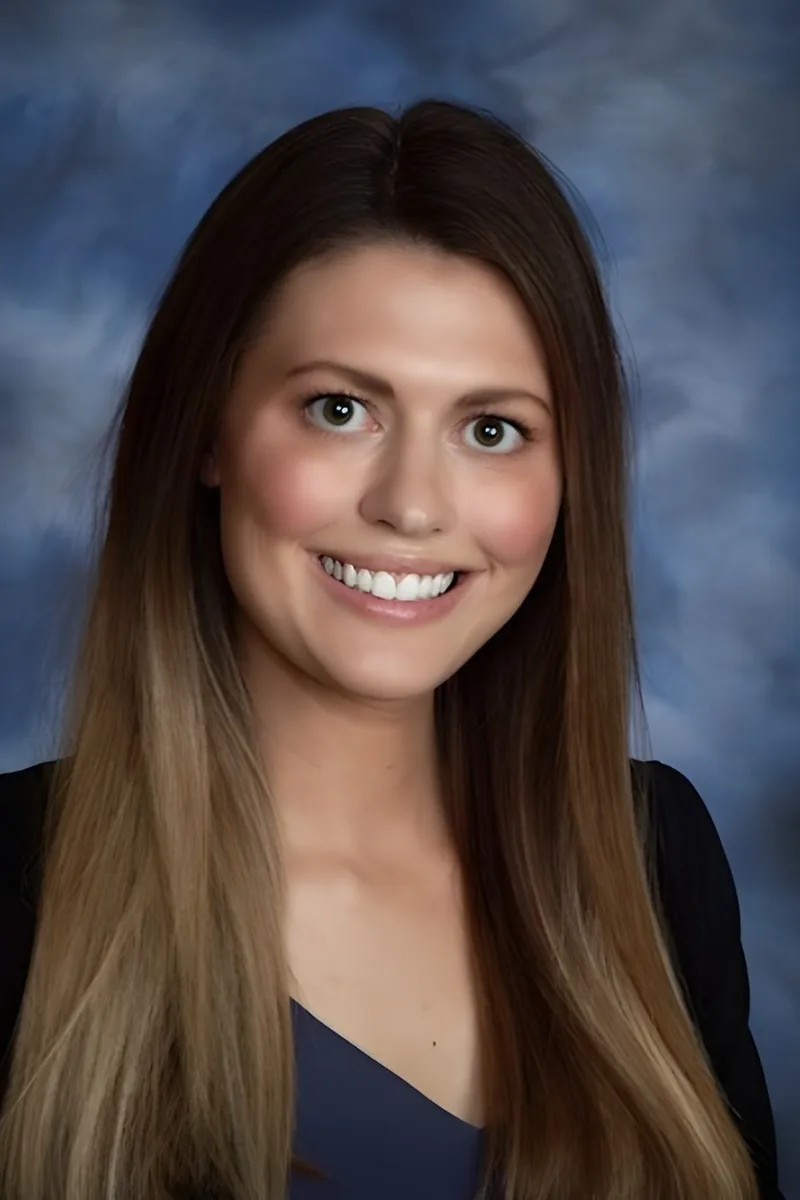
Having worked for both the math and Spanish departments at Indiana University while maintaining a 4.0, Emily developed the kind of cross-disciplinary precision that pays off on the SAT — she's equally comfortable unpacking tricky algebra and data questions as she is teaching students to navigate evidence-based reading passages. She scored a 1480 on the SAT herself and knows how to coach pacing and question triage so students stop leaving points on the table. Rated 5.0 by students.

I'm currently a Process Assistant at an Amazon warehouse, which is like an assistant manager. My job is interesting, active, and varied, but I missed tutoring and want to make math and other subjects as easy as possible to approach and grasp for students. With the right time and a commitment to tailoring a tutoring style for the person being assisted, any student can pass their classes and retain lifelong knowledge and experience. I'm looking forward to working with you!
Jack scored a 1450 on the SAT and brings an economist's precision to breaking down each section — identifying which question types yield the fastest point gains and building a study plan around that analysis. His data analyst background means he treats practice test results as real data, pinpointing exactly where a student is losing points and adjusting strategy accordingly.
Lauren's linguistics degree gives her a structural understanding of how language works — the kind that turns SAT Writing and Language questions into predictable pattern-matching rather than gut-feel guessing. She scored a 1520 on the SAT herself and applies that same analytical lens to the Reading section, teaching students to trace argument structure and evidence relationships across dense passages. Her fluency in Spanish and Mandarin also sharpens her ability to explain English grammar rules that native speakers often can't articulate.
Classics and philosophy trained Austin to read dense, argument-heavy texts with precision — exactly the skill that separates good SAT Reading scores from great ones. He scored a 1570 and teaches students to trace an author's reasoning through evidence-based questions rather than relying on surface-level comprehension. His grammar and writing chops carry over to the Writing and Language section, where he unpacks the punctuation and syntax rules the test recycles in every form.
Having once struggled as a test-taker himself, Ritik developed a systematic approach to the SAT that emphasizes building intuition over memorizing tricks — particularly on the Math section, where his aerospace engineering training at Purdue means he can unpack everything from algebraic modeling to data analysis with real clarity. He scored a 1420 on the SAT and uses that experience to teach pacing strategies and pattern recognition across both sections. His six years of tutoring students from elementary school through college means he's quick at diagnosing where points are being lost and adjusting accordingly.
Leading Carmel High School's Science Olympiad team to back-to-back Nationals appearances required Satvik to master timed problem-solving under pressure — the same skill that drives a strong SAT performance. He scored a 1540 on the SAT and uses his engineering mindset to teach students how to decode multi-step math problems and spot the structural patterns behind Reading and Writing questions. His experience running weekly recitations for 30 students at Georgia Tech means he's comfortable adapting explanations on the fly until concepts click.
Two years as a math instructor at Mathnasium gave Amy a toolkit of quick problem-solving techniques that maps directly onto the SAT Math section — particularly the no-calculator questions where algebraic fluency and number sense matter most. Her biochemistry coursework at Notre Dame also built the kind of precise, evidence-based reading habits that pay off on the verbal side, from data-heavy passages to command-of-evidence pairs. She scored a 1570 on the SAT herself.
Notre Dame's Science-Computing program forced Aidan to toggle between quantitative problem-solving and dense analytical reading daily — exactly the mental gear-shifting the SAT demands across its Math and Evidence-Based Reading sections. He scored a 1540 on the exam and uses that experience to teach specific pacing strategies and pattern recognition for the algebra-heavy math questions and the command-of-evidence traps that cost students the most points.
A 1450 SAT scorer and Duke neuroscience major, Lauren brings an analytical edge to test strategy — particularly on the math and evidence-based reading sections where scientific reasoning overlaps with SAT question design. She breaks down passage-based questions by teaching students to identify exactly what the question is testing before scanning answer choices, a habit that cuts down on careless errors. Rated 4.8 by students.
Preparing for the SAT means juggling two very different skill sets — mathematical problem-solving and evidence-based reading and writing — and Anya covers both. Her background teaching math at every level anchors the quantitative side, while her experience as a Spanish teaching assistant sharpened the close-reading and grammar instincts that carry over to the verbal sections.
I'm a first-year physics major at Butler University, and I tutor because I believe that everyone deserves to have an education tailored to their own personal learning style. I'm especially focused on SAT preparation, where I earned a 1580, and I also tutor AP Calculus AB, AP Economics, AP Physics, AP English Language and Composition, and various other subjects. My tutoring style is interactive and built around questions and guided practice. I like to understand how a student is thinking before jumping in, then help them refine their approach step by step. Sessions are flexible depending on the student's goals, sometimes that means slowing down and building core concepts, and other times it means focusing on efficiency, test strategy, or practice problems. For the SAT in particular, the math section relies on strong fundamentals and careful reading, and the Reading and Writing section is very improvable with targeted grammar practice and familiarity with question patterns.
A 1510 SAT scorer who spent two years in aerospace engineering before switching to economics and statistics, Victor brings unusual range to all three sections — he's equally comfortable breaking down passage-based evidence questions and tackling data interpretation problems. His background as a Supplemental Instruction Leader at Purdue means he's practiced at teaching test-taking strategies, not just content, so students learn how to manage pacing and eliminate answer choices under pressure. Rated 5.0 by students.
Having taught C Programming, Digital Systems Design, and iOS development as a TA at Purdue, Akio brings a problem-solver's mindset to the SAT — particularly the math section, where his computer science training makes algebraic reasoning, data analysis, and pattern recognition second nature. He scored a 1530 on the SAT himself, and his experience across both STEM and writing-intensive coursework means he can coach the verbal sections with the same structured, logical approach he applies to code. Rated 4.8 by students.
What separates a good SAT score from a great one is usually the last 20 minutes of each section — knowing when to skip, when to double-check, and how to avoid the careless errors that pile up under pressure. Alexandra scored a 1530 and developed her own pacing system as an engineering student at Notre Dame, where timed problem sets are a daily reality. She teaches that same structured approach across both the Math and Evidence-Based Reading sections, rated 5.0 by students.
Wahala's neuroscience coursework at Indiana University Bloomington built the kind of data-interpretation and analytical reading skills that map directly onto the SAT's trickiest question types — graph-based math problems and evidence-based reading pairs. He scored a 1500 on the SAT and uses that experience to teach students specific pacing and elimination strategies for each section rather than generic test advice. Rated 5.0 by students.
What separates a good SAT score from a great one is often section-specific strategy, not just content knowledge — and Victoria, who scored a 1510, builds her tutoring around the particular traps each section sets. Her biology coursework at Dartmouth sharpens the data-interpretation and graph-reading skills that show up across both the Math and Evidence-Based Reading sections, while her writing and grammar chops cover the verbal side. Rated 5.0 by students.
Om's biochemistry degree means he's comfortable on both sides of the SAT — the data interpretation and algebra that dominate the Math section, and the dense, evidence-based science and social studies passages that show up in Reading. He scored a 1470 on the SAT himself and uses that experience to teach specific pacing tactics and question-type triage so students stop burning time on problems they should skip and circle back to. Rated 4.9 by students.
Scoring a 1470 on the SAT herself, Payal knows what it takes to push through the high-1400s plateau — particularly on the math section, where careless errors on algebra and data analysis questions separate good scores from great ones. Her science background sharpens her approach to evidence-based reading passages, and she teaches concrete strategies for eliminating answer choices under time pressure. Rated 4.9 by students.
Biology majors spend four years reading dense, data-heavy passages and interpreting experimental results — skills that map directly onto the SAT's evidence-based reading questions and data analysis problems. Mariam pairs that scientific literacy with a 1470 SAT score of her own, so she knows exactly where the test rewards careful reasoning and where it sets traps. Rated 5.0 by students.
A 1530 SAT scorer and mathematics major at Butler University, Priyanka knows how to break the test into manageable pieces — from pacing strategies on the reading passages to recognizing the algebra and data-analysis patterns that repeat across math sections. Four years of tutoring experience means she's seen where students consistently lose points and how small adjustments to approach can unlock significant score gains. Rated 5.0 by students.
Christopher's finance and business analytics coursework at Indiana University means he's constantly working with data interpretation and quantitative reasoning — two skills that map directly onto the SAT Math section's trickiest problem types. He scored a 1470 on the SAT and pairs that with hands-on tutoring experience from Mathnasium and Kumon, where he learned to spot the specific procedural mistakes that cost students easy points on algebra and word-problem questions.
Dayle's biochemistry coursework means she's comfortable on both sides of the SAT — the data interpretation and algebra that dominate the Math section, and the dense, evidence-based science and social studies passages that show up in Reading. She scored a 1440 on the SAT herself and teaches students to spot the recurring grammar patterns in the Writing section that are easy points once you know what to look for. Rated 5.0 by students.
Computer science trains you to think in systems and debug logically — skills Victoria applies directly to the SAT Math section, where she teaches students to spot algebraic shortcuts and translate word problems into solvable structures. Her 1490 SAT score and CS coursework at WashU in St. Louis give her particular strength on data analysis and problem-solving questions that reward methodical reasoning over rushed calculation. Rated 5.0 by students.
Scoring a 1480 on the SAT gave Kunal a clear picture of what separates a good score from a great one — the timing traps in the math section and the evidence-based reasoning questions that trip up strong readers. As a finance major at Indiana University, he's especially sharp on the data interpretation and algebra-heavy problems that dominate the quantitative side. He breaks each section into repeatable strategies so students know exactly what to do before they open the test booklet.
Kelly's political science training at Indiana University built exactly the kind of argument-tracing and evidence-weighing skills that the SAT's Reading section rewards — she teaches students to identify how authors structure claims and which textual evidence actually supports an answer choice. Her 1440 SAT score and 5.0 tutoring rating back up an approach that extends to the Writing and Language section, where she unpacks grammar and rhetoric questions using the same analytical precision she applied to academic writing in two languages.
Students who need equal footing on both halves of the SAT get a well-rounded prep partner in Franklin — his 1460 score came from strong performance across math and verbal, and his Purdue coursework in Sustainable Agriculture keeps his data interpretation and analytical reading skills sharp. He teaches the math sections by drilling the algebra and problem-solving patterns that repeat test after test, then applies that same pattern-recognition mindset to the Reading and Writing modules. Rated 5.0 by students.
Scoring a 1410 on the SAT while deep in an actuarial science program means Jonathan lives in the quantitative reasoning and data interpretation that dominate the Math section — and he brings that same analytical rigor to breaking down Reading passage structures and Evidence-Based Writing questions. He teaches concrete strategies like process-of-elimination for paired evidence questions and back-solving on algebra problems, so students spend less time second-guessing and more time banking points.
Scoring a 1420 on the SAT while deep in an engineering curriculum at Purdue, Lisa knows how to balance efficient test strategy with genuine content mastery — especially on the math section, where algebraic reasoning and data analysis questions play to her strengths. She's a visual thinker who diagrams word problems and maps out passage structures so that abstract questions become concrete, which is exactly the kind of approach that turns careless mistakes into consistent points.
Rachel's health psychology training gives her an unexpected advantage in SAT prep — she understands the test anxiety and decision fatigue that cost students points they technically know how to earn, and she builds pacing and elimination strategies around that. She scored a 1480 on the SAT herself and uses that experience to walk students through the math and evidence-based reading sections with a focus on recognizing patterns under pressure rather than second-guessing answers.
Cornell's computational biology program demands the same blend of quantitative precision and dense reading comprehension that the SAT rewards — Emily applies both daily. She scored a 1590 on the SAT and uses that experience to teach specific strategies for the math section's data analysis and algebra questions alongside the evidence-based reading techniques that trip up even strong students. Rated 4.9 by students.
Philosophy majors learn to tear arguments apart sentence by sentence — a skill Ezra applies directly to the SAT's evidence-based reading questions, where identifying an author's reasoning is worth more than speed-reading. His perfect 1600 SAT score backs up an approach that treats the entire exam as a logic exercise, from grammar rules on the Writing section to algebraic word problems that reward careful translation over rote calculation. Rated 4.8 by students.
Studying both psychology and linguistics at the University of Chicago gave Sherry an unusual double lens for the SAT — the linguistics side sharpens her teaching of grammar rules, sentence structure, and rhetoric on the Writing & Language section, while the psychology side informs how she coaches students through test-day pacing and anxiety management. She scored a perfect 1600 and uses that familiarity with every section to pinpoint exactly where a student's points are slipping, whether it's evidence-based reading pairs or no-calculator algebra. Rated 5.0 by students.
Medical school demands the same skill the SAT rewards — extracting the right answer from dense, unfamiliar material under serious time pressure. Alex, who scored a 1590, teaches students to treat the Reading section like a data problem: find the claim, locate the evidence, eliminate what doesn't match. His chemical engineering training at Washington and Lee also means the math section's algebra and data analysis questions are territory he can break down cold.
Molecular biology coursework demands the same kind of precise, evidence-based reasoning that shows up throughout the SAT — pulling key details from dense material, interpreting data, and constructing logical arguments under pressure. Annabel pairs that scientific training with a perfect 1600 SAT score, meaning she knows the test inside out from both the math and verbal sides. She teaches students to spot the structural patterns in Reading passages and recognize the algebraic setups the College Board recycles in the Math sections.
Second-year medical school at Baylor means Michelle lives in the world of high-stakes, timed exams — and she applies that same strategic discipline to SAT prep, where she scored a 1570. Her biochemistry training at Rice sharpens the data-interpretation and graph-reading questions on the Math section, while her science-heavy reading background translates into efficient passage analysis on the Evidence-Based Reading side.
What separates a 1500+ SAT score from a 1300 often isn't knowledge — it's knowing how the test tries to trick you. Joey scored a 1570 and built his prep approach around identifying those traps, particularly the algebra and data-analysis questions on the Math section where careful reading matters as much as calculation. His theater training at Columbia also sharpened the close-reading and rhetorical analysis skills that pay off on the Evidence-Based Reading and Writing sections.
Dennis's physics research at Princeton — modeling turbulent plasmas and cosmic ray acceleration — required exactly the kind of precise quantitative reasoning and data interpretation that dominates the SAT Math section. He scored a 1530 on the SAT himself and pairs that firsthand experience with a methodical, science-trained approach to the Reading section, where he teaches students to treat passages like data sets and extract evidence systematically.
What makes John effective for SAT prep is that he teaches both halves of the exam with equal fluency — his English and drama training sharpens his approach to passage analysis and evidence-based reading, while his math and physics background means he handles the algebra, data interpretation, and problem-solving sections without switching gears. He scored a 1420 on the SAT himself and holds a perfect 36 ACT composite, so he knows how standardized tests are constructed and where they try to trip students up. Rated 4.9 by students, he builds pacing and elimination strategies tailored to each section's specific traps.
Perry's dual science degrees from Rice University built the exact quantitative reasoning and data interpretation skills that dominate the SAT Math section, while his medical humanities minor sharpened the close-reading habits needed for Evidence-Based Reading and Writing. He scored a 1570 on the SAT and knows which algebra shortcuts and passage-analysis techniques make the biggest difference under time pressure. Rated 5.0 by students.
Testimonials
Because the right SAT tutor makes all the difference.
Average Session Rating – Based on 3.4M Learner Ratings
Practice SAT
Free practice tests, flashcards, and AI tutoring for SAT
Nearby SAT Tutors
Other Indianapolis Tutors
Related Test Prep Tutors in Indianapolis
Frequently Asked Questions
Indiana University's Kelley School of Business typically looks for scores around 1350+, while IU's other schools average around 1200-1300. Purdue University engineering programs generally expect 1400+, while other Purdue schools range from 1250-1350. Ball State and Indiana State are more accessible with average admitted student scores around 1050-1150. Keep in mind these are middle 50% ranges—scoring above these ranges strengthens your application significantly, especially for competitive majors like engineering or business.
The ACT has historically been more popular in Indiana and the Midwest, and many high schools offer free ACT testing days. However, Indiana universities are now test-flexible and accept both equally—the key is taking whichever test format plays to your strengths. Many students benefit from taking a practice test in both formats to see which one feels more natural; some students excel with the SAT's evidence-based reading approach, while others prefer the ACT's straightforward structure. Since most Indianapolis students have access to free ACT testing through school, consider that as a baseline, then decide if SAT might be a better fit for your skills.
Most students see meaningful improvement of 100-200 points with focused, personalized prep—and some improve even more depending on their starting point and effort level. Students who start at 1000 and reach 1200+ are very common; those beginning at 1200 working toward 1400+ also see solid gains with targeted instruction. The timeline matters: students who commit to 8-12 weeks of consistent prep typically see better results than those cramming in the final weeks. Improvement depends on identifying your specific weak areas—whether that's reading comprehension speed, grammar rules, or multi-step math problems—and addressing them systematically.
Most Indianapolis juniors benefit from starting SAT prep in the fall or early spring, giving themselves 4-6 months before taking the test in spring or summer. This timeline allows for diagnostic testing, targeted skill-building, and multiple practice tests before test day. If you're a senior planning to test soon, you can still see meaningful improvement with 8-12 weeks of focused prep, though earlier starts generally allow for more thorough review. Starting prep before junior year spring also reduces stress and gives you the option to retake in summer or fall if needed.
The Reading section's biggest challenge is the 65-minute time limit for 52 questions—many Indianapolis students rush through passages and miss evidence-based details. Effective strategies include reading the question first to know what to look for, annotating key evidence as you read, and practicing with real SAT passages under timed conditions. Personalized instruction helps identify whether you're losing time on vocabulary-in-context questions, struggling with inference questions, or simply reading too slowly. Most students improve significantly by focusing on 3-4 targeted strategies rather than trying to overhaul their entire approach.
SAT Math tests problem-solving across algebra, advanced math, and data analysis—with the calculator section (55 minutes, 38 questions) covering more complex multi-step problems and graph interpretation. Many Indianapolis students struggle with translating real-world scenarios into equations or misreading data from charts and tables. Targeted practice with similar question types, understanding why wrong answers are tempting, and building speed through repetition all help. Working through problems step-by-step with personalized feedback—rather than just reviewing answers—helps you catch conceptual gaps before test day.
Most Indianapolis students take the SAT 1-2 times; taking it more than twice typically shows diminishing returns unless you're addressing specific skill gaps. If you score 1200+, you're already in a strong position for most Indiana universities—a second attempt makes sense only if you're targeting highly competitive schools or believe you can realistically improve 100+ points. Space retakes at least 2-3 months apart to allow time for focused prep between attempts. Many colleges use superscoring (taking your best score from each section across all attempts), which makes a second test less risky if you're aiming for a specific score.
Personalized 1-on-1 instruction targets your specific weak areas—whether that's vocabulary in context, multi-step algebra, or time management on the Reading section—rather than covering material everyone in a group class needs. A tutor can identify that you're losing 15 minutes on the Reading section due to re-reading passages, or that you're making careless errors on calculator math, and build a customized strategy around your learning style. This focused approach typically produces faster improvement than group classes, especially for students with 4-6 months of prep time. Varsity Tutors connects you with expert tutors for students in Indianapolis who can create a personalized SAT prep plan based on your diagnostic test results and target score.
Let’s find your perfect tutor
Answer a few quick questions. We’ll recommend the right plan and match you with a top 5% tutor.