Award-Winning Organic Chemistry Tutors
serving Indianapolis, IN
Organic Chemistry
Tutors in Indianapolis
Private 1-on-1 tutoring, weekly live classes for academic support, test prep & enrichment, practice tests and diagnostics, and more to elevate grades and test scores.
Based on 3.4M Learner Ratings
UniversitiesSchools & Universities
DeliveredHours Delivered
ProficiencyGrowth in Proficiency
Who needs tutoring?
No obligation. Takes ~1 minute.
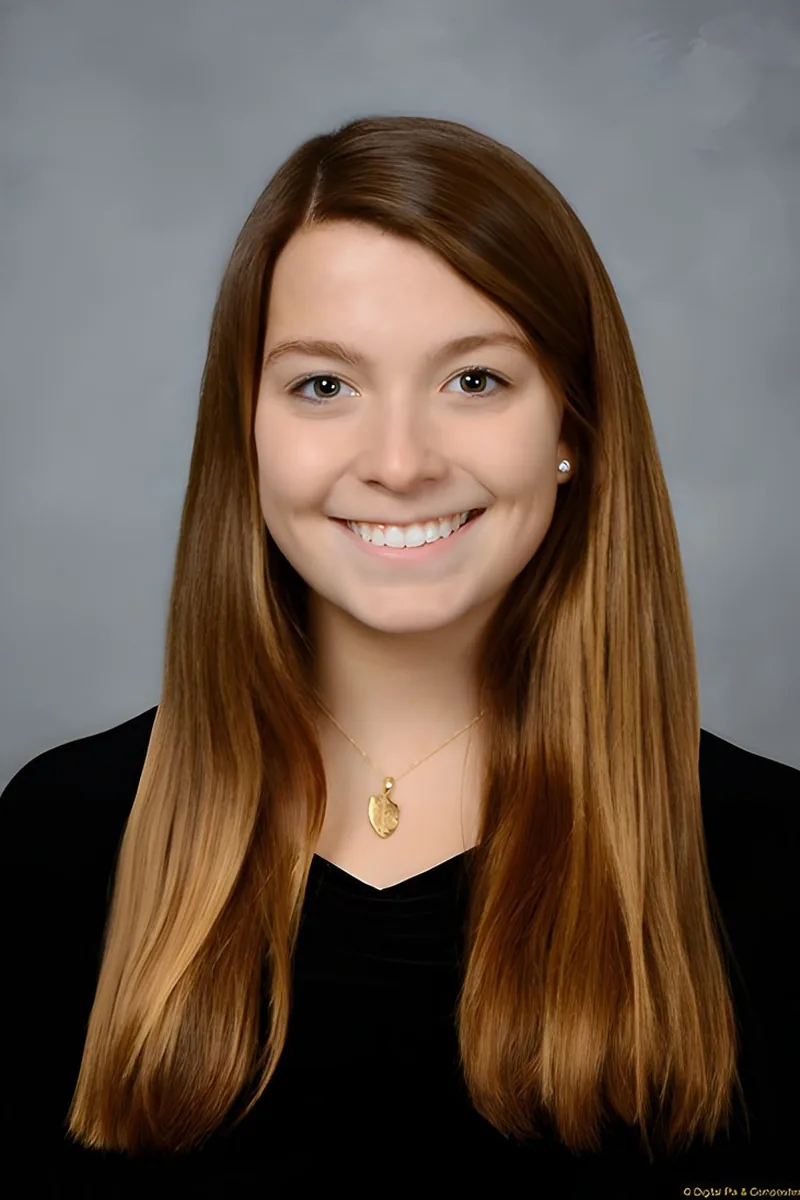
Reaction mechanisms are the backbone of organic chemistry, and spotting nucleophilic attacks or predicting stereochemical outcomes requires genuine pattern recognition, not rote memorization. Lauren's chemistry minor at Duke and her hands-on lab research give her a practical fluency with functional group reactivity that she translates into clear, step-by-step reasoning for each mechanism type.

Reaction mechanisms in organic chemistry are less about memorizing hundreds of arrows and more about recognizing a handful of recurring patterns — nucleophilic attacks, leaving group stability, and electron density shifts. Aidan studied organic chemistry as part of Notre Dame's premed track and teaches students to predict products by understanding why electrons move, not just where.
Having fought through orgo on the path to a 36 ACT and a biology degree — with MCAT prep sharpening every mechanism further — Aleeza knows exactly where students get tripped up on topics like carbonyl additions and substitution-vs-elimination decision-making. She teaches reaction patterns by connecting them back to the biological molecules they show up in, which makes the logic behind electron flow feel purposeful rather than abstract. Rated 4.9 by students.
Jacob lists organic chemistry among his favorite subjects to teach, and his economics-trained habit of tracing systems through chains of cause and effect gives him a structured way to walk through multi-step mechanisms — particularly carbonyl chemistry and aromatic substitution patterns. He approaches each reaction type by building the logic from scratch: what's electron-rich, what's electron-poor, and why that determines everything. Rated 5.0 by students.
Studying biochemistry and molecular biology means Raj encountered organic chemistry not as a single course but as the language underlying everything from enzyme kinetics to metabolic pathways — so he teaches functional group reactivity and stereochemistry with that bigger picture always in view. His 5.0 rating and a perfect 36 ACT reflect someone who thinks systematically, which translates directly into how he walks students through multi-step synthesis problems: identify the transformation, trace the electron flow, then confirm the regiochemistry.
Reaction mechanisms are the language of organic chemistry, and Zain treats them that way — teaching students to read electron flow in arrow-pushing diagrams the same way they'd follow the logic of a sentence. His university coursework in organic chemistry at Vanderbilt covered everything from substitution and elimination selectivity to carbonyl chemistry and retrosynthetic analysis.
Having taught General Chemistry, Organic Chemistry, and GOB courses for health professions repeatedly at the college level, Jeremy approaches reaction mechanisms as skills to be practiced — not facts to be memorized. His PhD in Chemistry from Yale means he can trace arrow-pushing, stereochemical analysis, and multi-step synthesis all the way down to first principles, then rebuild them at whatever level a student needs. He holds a 4.6 rating.
Reaction mechanisms are the backbone of organic chemistry, and students who try to memorize each one individually run out of mental storage by the second exam. Bintou's chemistry training at Penn taught her to classify reactions by electron behavior — nucleophilic attack, leaving group stability, carbocation rearrangement — so patterns emerge instead of isolated steps. She teaches students to predict products by reading the mechanism, not by recognizing a specific example they've seen before.
Reaction mechanisms in organic chemistry demand the same kind of pattern recognition Seong uses in her neuroscience coursework at Northwestern — tracking electron movement, predicting intermediates, and understanding why one pathway dominates over another. She unpacks arrow-pushing notation by tying each step to underlying principles of nucleophilicity and sterics, so students can reason through unfamiliar reactions on exams instead of relying on rote memorization.
Jeff's molecular biology degree meant spending serious time with organic chemistry — not just passing it, but applying it to understand enzyme active sites, metabolic intermediates, and drug interactions at the molecular level. That applied perspective makes him especially effective at teaching synthesis strategy and functional group transformations, because he can ground abstract mechanisms in real biochemical context. Rated 5.0 by students.
Daniel's PhD work in genetics and neuroscience at Rockefeller means he uses organic chemistry daily — understanding how small molecules interact with proteins, how drug candidates are designed, and why stereochemistry matters at the molecular level. That real-world context turns topics like carbonyl reactivity and functional group transformations into something students can anchor to actual science, not just exam prep.
Between his biochemistry degree and his current pharmacy doctoral work at VCU, Joel has run through organic chemistry from both the academic and applied sides — understanding how functional group reactivity and stereochemistry translate into real drug design and pharmacological mechanisms. He's also taught university chemistry courses as adjunct faculty, so he knows how to break down multi-step synthesis problems and spectroscopy interpretation at the pace a student actually needs. Rated 5.0 by students.
Cornell's biology curriculum threw Raphael into organic chemistry as the bridge between general chemistry and the biochemistry he needed for his pre-med track — meaning he learned reaction mechanisms through the lens of biological relevance, not just isolated transformations on an exam. He tackles arrow-pushing and functional group reactivity by zeroing in on the "why" behind electron movement, building each mechanism step from nucleophile-electrophile logic so students can reason through unfamiliar problems on their own. Holds a 5.0 rating.
Reaction mechanisms are the language of organic chemistry, and Josef teaches students to read them — arrow pushing, stereochemistry, and functional group reactivity — rather than memorize hundreds of individual reactions. His biochemistry focus at Cornell means he can connect orgo concepts like nucleophilic substitution and carbonyl chemistry directly to biological molecules students will encounter later.
Testimonials
Because the right Organic Chemistry tutor makes all the difference.
Average Session Rating – Based on 3.4M Learner Ratings
Practice Organic Chemistry
Free practice tests, flashcards, and AI tutoring for Organic Chemistry
Nearby Organic Chemistry Tutors
Other Indianapolis Tutors
Related Science Tutors in Indianapolis
Frequently Asked Questions
Organic Chemistry demands both conceptual understanding and spatial reasoning—students must visualize 3D molecular structures and predict how they'll react, which is fundamentally different from memorizing facts. Common struggles include mastering reaction mechanisms, understanding why certain reactions occur over others, and connecting abstract concepts like electron movement to tangible outcomes. Personalized tutoring helps students build these visualization skills and develop intuition for organic chemistry logic rather than relying on rote memorization.
Your first session focuses on understanding your current level, identifying specific pain points, and establishing a learning plan. Whether you're struggling with nomenclature, reaction mechanisms, or exam preparation, tutors will assess what's working and what needs reinforcement. This personalized approach ensures that subsequent sessions target your exact needs rather than generic review.
Organic Chemistry is the foundation for pharmaceuticals, materials science, food chemistry, and countless industrial processes. Understanding reaction mechanisms isn't just academic—it explains how medications work in your body, how plastics are synthesized, and how chemists design new compounds. Tutors can connect these theoretical concepts to practical examples, making abstract mechanisms feel relevant and memorable.
Reaction mechanisms require visualizing electron movement, predicting intermediate steps, and understanding why bonds break and form in specific ways. Expert tutors break down complex mechanisms into digestible steps, use visual tools to show electron flow, and provide practice problems that build pattern recognition. With personalized instruction, you'll develop the intuition to predict mechanisms rather than memorize them.
While tutoring focuses primarily on conceptual understanding and problem-solving, it strengthens the scientific reasoning skills that make lab work more meaningful. Tutors can help you understand the theory behind experiments, predict outcomes, and troubleshoot when results don't match expectations. This deeper understanding translates directly to better lab performance and more confident experimental design.
Most students benefit from starting exam prep 2-3 weeks in advance, with tutoring sessions focused on practice problems, mechanism mastery, and test-taking strategies. The key is consistent, focused practice rather than cramming—working through problems regularly helps cement reaction patterns and builds confidence. Personalized tutoring can identify your weak spots early and concentrate time where you need it most.
Look for tutors with strong chemistry backgrounds—ideally a degree in Chemistry or a related field, plus proven experience teaching Organic Chemistry at the high school or college level. The best tutors combine subject expertise with the ability to explain complex concepts clearly and adapt to different learning styles. Varsity Tutors connects you with experienced tutors who understand both the content and the specific challenges students face.
Yes, Varsity Tutors connects Indianapolis students with expert tutors who specialize in Organic Chemistry and understand the curriculum taught at local schools and universities. With personalized 1-on-1 instruction tailored to your learning style and goals, you can get the focused support you need to master reactions, mechanisms, and problem-solving. Whether you're in high school AP Chemistry or a college-level course, tutors can meet you where you are.
Let’s find your perfect tutor
Answer a few quick questions. We’ll recommend the right plan and match you with a top 5% tutor.