Award-Winning Anatomy Tutors
serving Indianapolis, IN
Anatomy
Tutors in Indianapolis
Private 1-on-1 tutoring, weekly live classes for academic support, test prep & enrichment, practice tests and diagnostics, and more to elevate grades and test scores.
Based on 3.4M Learner Ratings
UniversitiesSchools & Universities
DeliveredHours Delivered
ProficiencyGrowth in Proficiency
Who needs tutoring?
No obligation. Takes ~1 minute.
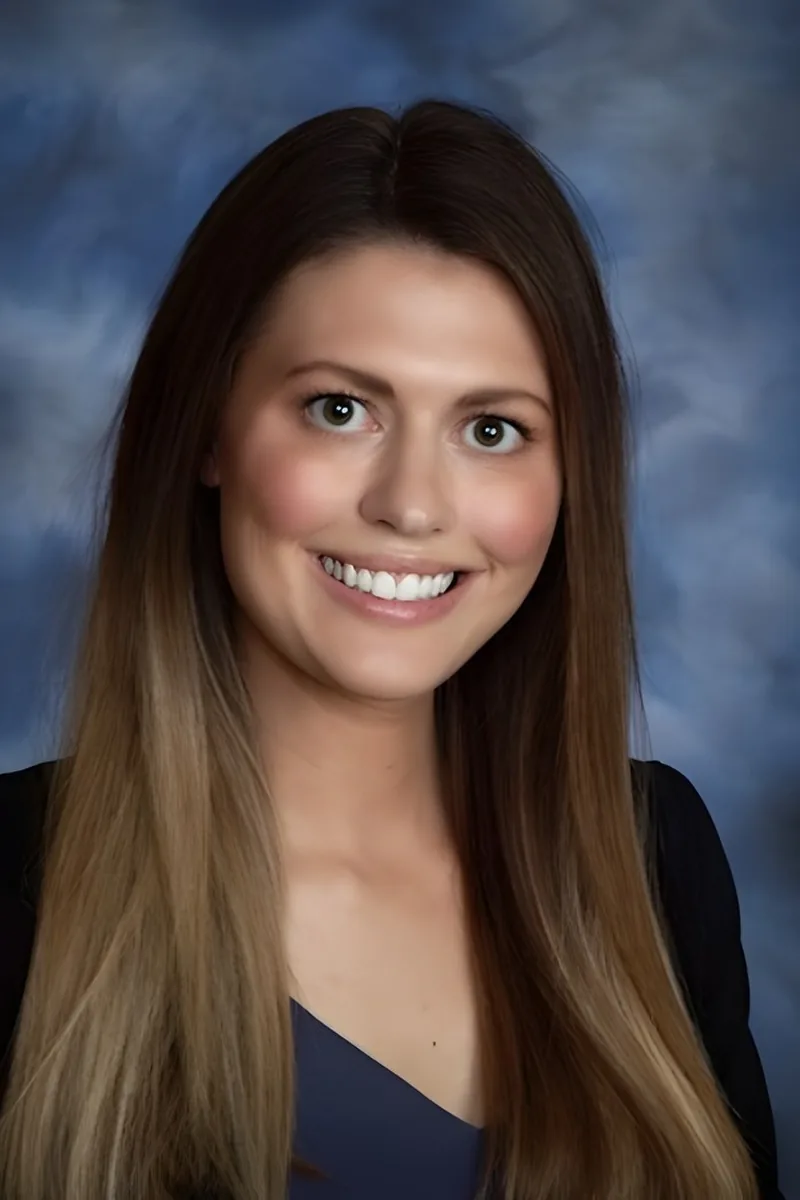
I am currently a fourth year medical student in Indianapolis. I completed my undergraduate education at Indiana University Bloomington, where I majored in Biology and Spanish. I also completed two minors in Mathematics and Chemistry. While at IU, I worked for the Department of Mathematics and Department of Spanish. I also worked as a Peer Tutor for the IU Athletics Department, tutoring in several subjects including statistics, chemistry, physics, and Spanish. I graduated from college with a 4.0, and I entered medical school shortly thereafter. Since coming to medical school, I have excelled in all of my pre-clinical coursework, and I currently rank in the Top 20% of my class. I feel very comfortable and confident tutoring other students in a variety of subjects from math and science to Spanish. I like to think that the same techniques I have used to excel in all phases of my education can be easily adapted to other students and help you achieve your academic goals, just as I have!
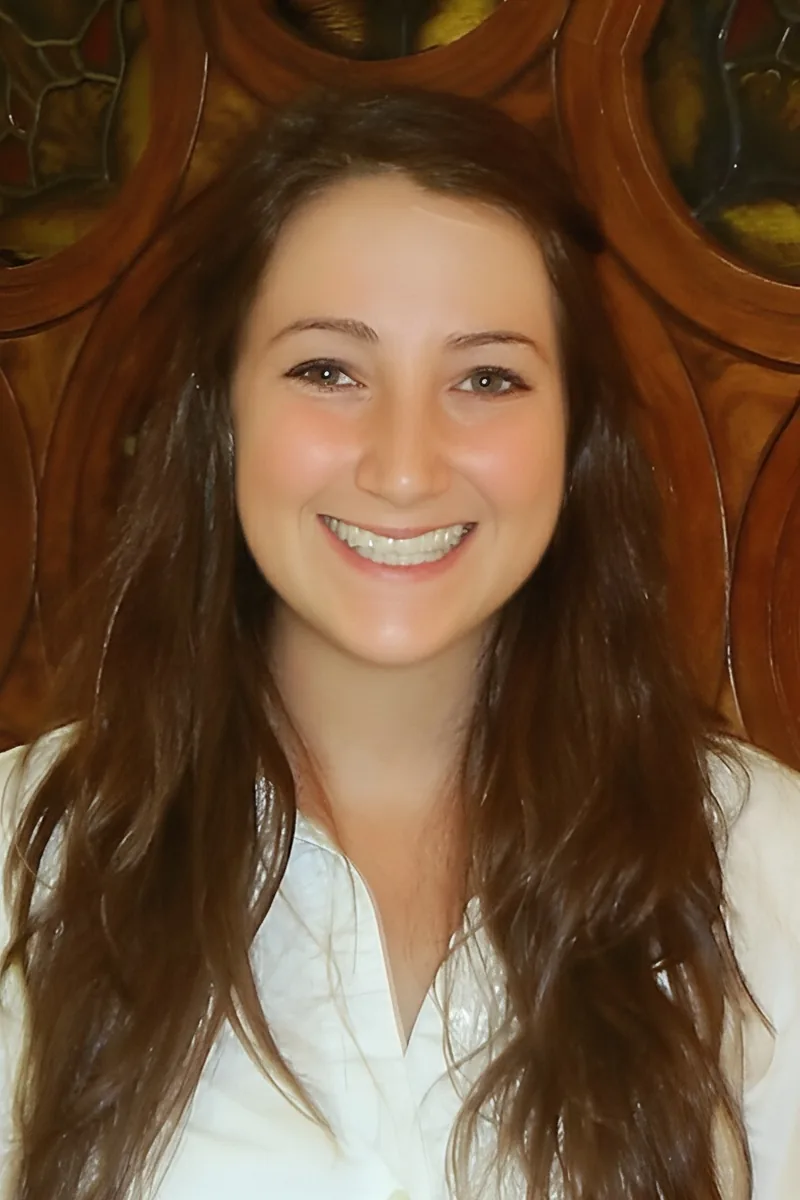
Memorizing every bone, muscle, and nerve pathway in anatomy feels impossible without a system. Jessica's undergraduate concentration in Human Growth and Development gave her a developmental lens for anatomy — she teaches structures by connecting them to their function and embryological origin, which makes retention far more intuitive than flashcard drilling alone.
I am currently a student at Dartmouth College studying Biology, with a concentration on Human Biology. I tutor many subjects, but specialize in standardized test prep and in science, particularly Biology at all levels. I am most passionate about science, it is my favorite subject because it always has a definite answer but it might not be what you expect. At Dartmouth, I am a member of the marching band, Emergency Medical Services, and the sustainability program.
I am able to teach math and writing; skills that I have honed during my undergraduate education, at Hamilton College (same guy as the musical).
Memorizing bones, muscles, and organ systems can feel overwhelming without a framework to hang it all on. Benjamin approaches anatomy by teaching students to think in terms of structure-function relationships — why the femur is shaped the way it is, how alveoli maximize gas exchange — so the details stick. His psychology training gives him a sharp sense of how memory and recall actually work, which he applies directly to study strategies.
Memorizing every bone, muscle, and nerve pathway in anatomy can feel overwhelming without a system. Krishna approaches the subject by linking structure to function — explaining why the brachial plexus is organized the way it is, or how the histology of the small intestine relates to nutrient absorption. Her pre-med coursework and biology research background at Cornell keep her explanations grounded in clinical relevance.
Nicole's psychology training — specifically her coursework in how people encode and retain dense information — gives her a practical edge when tackling anatomy's enormous vocabulary of bones, muscles, and organ systems. She teaches students to chunk material by body region and build associative links between structures and their functions, turning what feels like an endless list into a connected map. Her Children's Studies minor also means she's skilled at scaling explanations down for younger or introductory-level learners.
Memorizing every bone, muscle, and nerve pathway in anatomy can feel overwhelming without a framework. Shayan teaches structural relationships rather than isolated labels — once a student understands why the brachial plexus is organized the way it is, the individual nerve branches become far easier to recall. His pre-health background at Penn keeps the clinical relevance front and center.
Belinda's neuroscience degree required her to learn anatomy from the brain outward — tracing cranial nerves, mapping spinal cord regions, and understanding how the central and peripheral nervous systems connect to every major organ system. That top-down perspective means she teaches body structures as parts of functional circuits rather than standalone vocabulary, which is especially effective for students struggling to see how individual bones, muscles, and vessels fit into the bigger picture. Rated 5.0 by students.
Prosthetics and orthotics — Michael's specialty at Georgia Tech — is applied anatomy: fitting a prosthetic limb requires precise knowledge of residual musculoskeletal structures, nerve pathways, and how soft tissue interfaces with bone. That clinical engineering perspective means he teaches anatomy by connecting each structure to its mechanical role in the body, which gives students a concrete reason to remember what they're learning.
Memorizing every bone, muscle, and nerve pathway in anatomy feels overwhelming until someone shows you the organizational logic underneath it all. Eugene's doctoral studies in biomedical science at Morehouse School of Medicine gave him a systematic way to learn anatomical structures — grouping them by region, function, and clinical relevance. He teaches students to build mental maps of the body rather than relying on brute-force memorization.
Memorizing every bone, muscle, and nerve insertion point is daunting until you start seeing the structural logic behind it — why the rotator cuff is built for mobility over stability, or how the brachial plexus branches map onto arm movement. Leonard teaches anatomy by connecting form to function, giving students frameworks that make retention far easier than flashcard grinding alone.
Memorizing every bone, muscle, and nerve feels overwhelming until there's a system behind it. Meghan uses spatial reasoning techniques and functional groupings — like learning forearm muscles by their action on the wrist and fingers — to turn anatomy's massive vocabulary into something organized and retrievable. Her medical training keeps her fluent in exactly the level of detail most anatomy courses demand.
Studying tissue engineering at Tufts meant Kelly had to know anatomical structures inside and out — not just their names, but how their form supports their function. She teaches musculoskeletal, cardiovascular, and nervous system anatomy by linking each structure to the physiological role it plays, which makes retention far more durable than flashcard memorization alone.
From brachial plexus branching patterns to the fascial compartments of the lower limb, anatomy rewards spatial thinking and systematic review. Emad has taught anatomy as an adjunct professor and conducted research at Columbia University, so he approaches each region with the precision of someone who has dissected, diagrammed, and clinically applied this material across two medical programs.
Knowing anatomy means building a mental map of the body that holds up under pressure — during practicals, in clinical rotations, and beyond. Alex is entering Washington University's OT doctorate program, where anatomy is foundational to everything from musculoskeletal assessment to neuroanatomy. That upcoming clinical training, combined with a neuroscience background, means Alex teaches structures in the context of function, not just flash-card labels.
Testimonials
Because the right Anatomy tutor makes all the difference.
Average Session Rating – Based on 3.4M Learner Ratings
Practice Anatomy
Free practice tests, flashcards, and AI tutoring for Anatomy
Nearby Anatomy Tutors
Other Indianapolis Tutors
Related Science Tutors in Indianapolis
Frequently Asked Questions
Anatomy courses typically cover human body systems including skeletal, muscular, nervous, cardiovascular, respiratory, digestive, and endocrine systems. Students learn about organ structure and function, tissue types, and how different systems work together. Many Indianapolis schools also incorporate lab work and dissection to help students visualize and understand anatomical structures beyond textbook diagrams.
Many students struggle with memorizing complex anatomical terminology and structures while also understanding how they function. Visualizing three-dimensional anatomy from two-dimensional diagrams can be difficult, and connecting theoretical concepts to real-world applications helps solidify learning. Additionally, students often find it challenging to understand relationships between different body systems and how dysfunction in one system affects others.
While anatomical terminology requires memorization, true mastery comes from understanding structure-function relationships and how systems interact. Effective Anatomy study involves connecting what you memorize to real applications—like understanding why certain muscles attach where they do, or how a heart defect affects circulation. Tutors help students move beyond rote memorization to develop deeper comprehension and scientific reasoning skills.
Lab work and dissection are crucial for developing spatial understanding and seeing how structures actually appear in three dimensions. Hands-on experience helps students connect abstract diagrams to real anatomy and reinforces learning through multiple sensory pathways. If your school offers lab components, personalized tutoring can help you prepare for lab practicals and understand what you're observing during dissections.
Tutors connect you with expert instruction tailored to your learning style—whether you're a visual learner who benefits from detailed diagrams and models, or someone who learns better through verbal explanation and discussion. They can help you develop effective study strategies for terminology, create connections between systems, prepare for lab practicals, and work through challenging concepts like histology or complex anatomical relationships. With personalized 1-on-1 instruction, you get clarification exactly when you need it rather than falling further behind.
Your first session focuses on understanding your current level, learning goals, and what's challenging you most—whether that's specific systems, terminology, lab preparation, or exam anxiety. The tutor will assess how you learn best and discuss the areas where you need the most support. From there, you'll develop a personalized plan that might include concept review, study strategy development, practice problems, or lab preparation depending on your needs.
Absolutely. Tutors help you organize complex information, identify which concepts are most likely to appear on exams, and develop effective study schedules. For lab practicals, they can help you practice identifying structures, understand labeling requirements, and build confidence with microscope work or models. Personalized preparation means focusing your study time on areas where you're weakest rather than reviewing what you already know.
Varsity Tutors connects you with expert tutors who have strong backgrounds in Anatomy and experience helping students master the subject. You can share your specific needs—whether you need help with a particular body system, lab preparation, or overall course support—and get matched with a tutor who fits your learning style and schedule. The process is straightforward, and you can start personalized instruction as soon as you're ready.
Let’s find your perfect tutor
Answer a few quick questions. We’ll recommend the right plan and match you with a top 5% tutor.