Award-Winning Anatomy Tutors
serving Fort Wayne, IN
Anatomy
Tutors in Fort Wayne
Private 1-on-1 tutoring, weekly live classes for academic support, test prep & enrichment, practice tests and diagnostics, and more to elevate grades and test scores.
Based on 3.4M Learner Ratings
UniversitiesSchools & Universities
DeliveredHours Delivered
ProficiencyGrowth in Proficiency
Who needs tutoring?
No obligation. Takes ~1 minute.
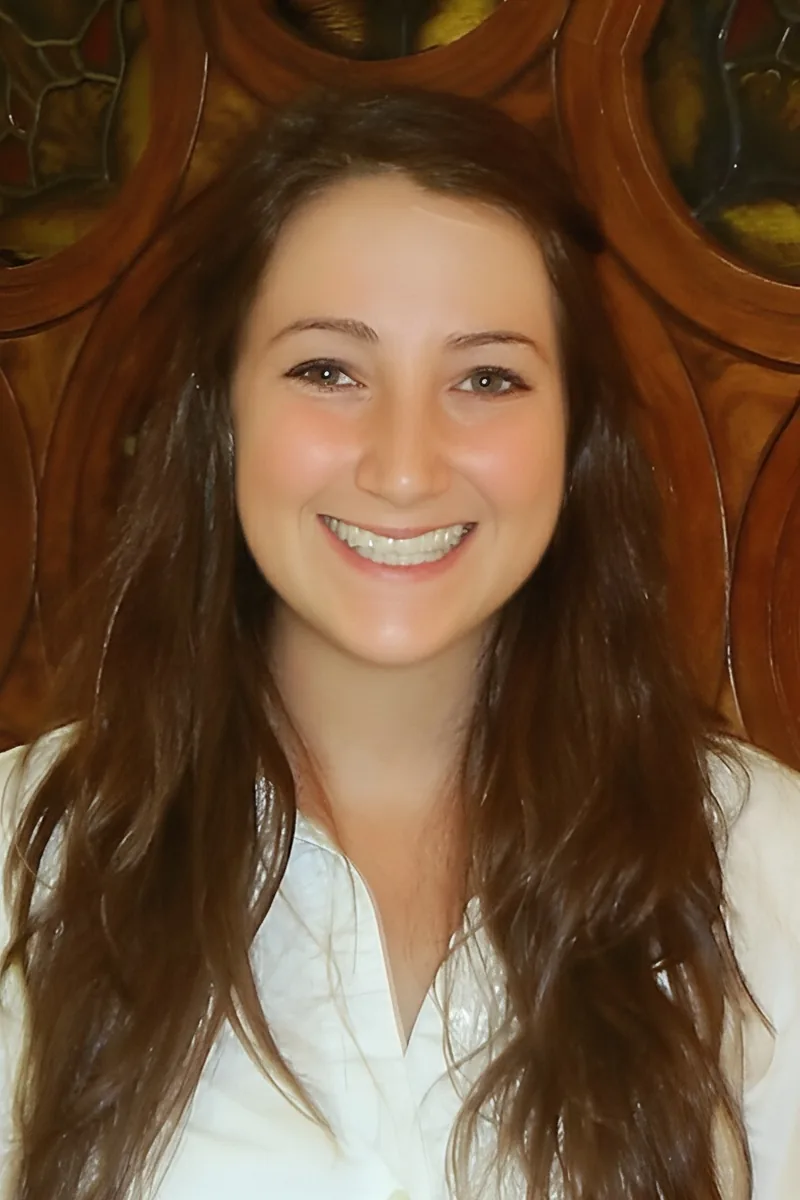
Memorizing every bone, muscle, and nerve pathway in anatomy feels impossible without a system. Jessica's undergraduate concentration in Human Growth and Development gave her a developmental lens for anatomy — she teaches structures by connecting them to their function and embryological origin, which makes retention far more intuitive than flashcard drilling alone.

I am currently a student at Dartmouth College studying Biology, with a concentration on Human Biology. I tutor many subjects, but specialize in standardized test prep and in science, particularly Biology at all levels. I am most passionate about science, it is my favorite subject because it always has a definite answer but it might not be what you expect. At Dartmouth, I am a member of the marching band, Emergency Medical Services, and the sustainability program.
I am currently a fourth year medical student in Indianapolis. I completed my undergraduate education at Indiana University Bloomington, where I majored in Biology and Spanish. I also completed two minors in Mathematics and Chemistry. While at IU, I worked for the Department of Mathematics and Department of Spanish. I also worked as a Peer Tutor for the IU Athletics Department, tutoring in several subjects including statistics, chemistry, physics, and Spanish. I graduated from college with a 4.0, and I entered medical school shortly thereafter. Since coming to medical school, I have excelled in all of my pre-clinical coursework, and I currently rank in the Top 20% of my class. I feel very comfortable and confident tutoring other students in a variety of subjects from math and science to Spanish. I like to think that the same techniques I have used to excel in all phases of my education can be easily adapted to other students and help you achieve your academic goals, just as I have!
I am able to teach math and writing; skills that I have honed during my undergraduate education, at Hamilton College (same guy as the musical).
Learning anatomy is as much about spatial reasoning as it is about vocabulary — you need to picture where the brachial plexus runs or how the heart's chambers connect to the great vessels. Amir, currently finishing medical school, teaches anatomy through detailed visual cues and diagrams that map structures in three dimensions, turning rote memorization into genuine understanding.
Four years of medical school at Harvard meant Jean didn't just study anatomy from a textbook — she learned it through cadaver dissection, clinical rotations, and diagnostic reasoning. She teaches students to think spatially about structures like the brachial plexus or the abdominal vasculature, building the kind of three-dimensional understanding that makes identification and relationships between structures click.
Memorizing every bone, muscle, and nerve pathway in anatomy can feel overwhelming without a framework. Shayan teaches structural relationships rather than isolated labels — once a student understands why the brachial plexus is organized the way it is, the individual nerve branches become far easier to recall. His pre-health background at Penn keeps the clinical relevance front and center.
Learning anatomy often feels like brute-force memorization of Latin terms, but Garrett reframes it around functional relationships — why the brachial plexus is organized the way it is, or how the arrangement of cardiac valves relates to blood flow direction. He uses spatial reasoning and system-level logic to give each structure a purpose students can recall under exam pressure. His biology background ensures the anatomy always connects back to underlying physiology.
I am currently working towards a doctorate in medicine from New Jersey Medical School. Throughout high school, college, and graduate school, I have tutored students ranging in age from elementary school to college freshmen in a variety of subjects particularly math and science. My favorite subject to tutor is math because it is very methodical and visual. Having a passion to help others, I am drawn to tutoring for the opportunity to share my knowledge with others. My family and friends have described me as being patient, compassionate, and personableall of the qualities that I believe I bring to my students. Outside of tutoring, I like Notre Dame football, dogs (especially my family's German Shepherd!), yoga, cooking, and reading.
Memorizing every muscle origin, insertion, and nerve innervation can feel endless without a framework to organize it all. Aamod's neuroscience and pre-med training means he learned anatomy in clinical context — connecting structure to function, grouping muscles by action and compartment, and using spatial reasoning to make sense of the skeletal, muscular, and nervous systems as integrated units rather than isolated facts.
Memorizing every bone, muscle, and nerve pathway in anatomy can feel overwhelming without a framework for why structures are shaped and positioned the way they are. Varuna's biomedical engineering background — where she studied how mechanical forces act on tissues and how devices interface with the body — gives her exactly that framework. She teaches anatomy as a design problem, which makes retention far more intuitive.
Memorizing every bone, muscle insertion, and nerve pathway in anatomy can feel like drinking from a fire hose. Laura's biology training and current work in environmental health sciences at Columbia gave her practical strategies for organizing anatomical structures by region and function — turning a massive vocabulary list into a system that actually sticks.
As a doctoral physical therapy student at Washington University, James studies human anatomy with a level of detail that goes well beyond introductory courses — from musculoskeletal origins and insertions to the brachial plexus and cranial nerves. He teaches anatomy by organizing structures into functional groups rather than isolated facts, which makes large volumes of material far more manageable. His 4.9 rating speaks to how well that approach lands with students.
Studying anatomy means memorizing hundreds of structures, but retention depends on understanding how those structures function together. Gita's background in biology and physiology means she can explain why the brachial plexus is organized the way it is, or how the nephron's architecture drives filtration — turning rote memorization into something that actually sticks.
Learning anatomy means building a mental map of the body where every structure has a reason for its location and shape. Nicholas's biology degree gave him deep exposure to human systems, and he teaches anatomical relationships — like why the recurrent laryngeal nerve takes its peculiar path — in ways that make spatial memorization far more intuitive.
Three years of dental school at Penn means Josh doesn't just know anatomy from a textbook — he's studied it through cadaver dissection and clinical application, especially the musculoskeletal and nervous systems of the head and neck. That hands-on depth translates into vivid explanations of structures, origins, insertions, and innervations that stick better than rote flashcard drilling.
Testimonials
Because the right Anatomy tutor makes all the difference.
Average Session Rating – Based on 3.4M Learner Ratings
Practice Anatomy
Free practice tests, flashcards, and AI tutoring for Anatomy
Nearby Anatomy Tutors
Other Fort Wayne Tutors
Related Science Tutors in Fort Wayne
Frequently Asked Questions
Varsity Tutors matches Fort Wayne students with expert Anatomy tutors for 1-on-1 instruction. We pair each student with a tutor based on their specific needs, learning style, and goals.
Whether you need homework help, exam prep, or want to get ahead, our Anatomy tutors are ready to help.
Common challenges include gaps from earlier material, difficulty with specific concepts, and trouble applying learning to new problems. These issues can snowball quickly in Anatomy.
A tutor identifies where you're stuck, fills in gaps, and provides targeted practice. The 1-on-1 format means you get help exactly where you need it.
Tutors work with your student's actual coursework—homework assignments, class notes, and upcoming tests. This keeps tutoring directly relevant to what's happening in the classroom.
When you share information about your student's school and curriculum, we can match you with a tutor who has relevant experience.
All tutors complete background checks, credential verification, and teaching evaluation. Many of our Anatomy tutors hold advanced degrees or have years of teaching experience.
You can review tutor profiles to find someone with the right background for your student's level and needs.
Many students see improved grades within a few weeks, along with better understanding of Anatomy concepts and more confidence tackling challenging material.
Tutors track progress and adjust their approach to ensure continued improvement.
Most students benefit from 1-2 sessions per week. More frequent sessions help if your student is significantly behind or has an important exam coming up.
Your tutor can recommend a schedule based on your student's specific situation and goals.
Tutoring is purchased in packages of hours, with rates varying by tutor experience. Varsity Tutors offers several options to fit different budgets and needs.
You can discuss pricing during your consultation to find what works best.
Your tutor will assess where your student is, discuss goals, and start working on priority areas. Most students bring current homework or upcoming test material to focus on.
By the end, you'll have a clear sense of how the tutor can help and a plan for moving forward.
Let’s find your perfect tutor
Answer a few quick questions. We’ll recommend the right plan and match you with a top 5% tutor.