Award-Winning AP Biology Tutors
serving Indianapolis, IN
AP Biology
Tutors in Indianapolis
Private 1-on-1 tutoring, weekly live classes for academic support, test prep & enrichment, practice tests and diagnostics, and more to elevate grades and test scores.
Based on 3.4M Learner Ratings
UniversitiesSchools & Universities
DeliveredHours Delivered
ProficiencyGrowth in Proficiency
Who needs tutoring?
No obligation. Takes ~1 minute.
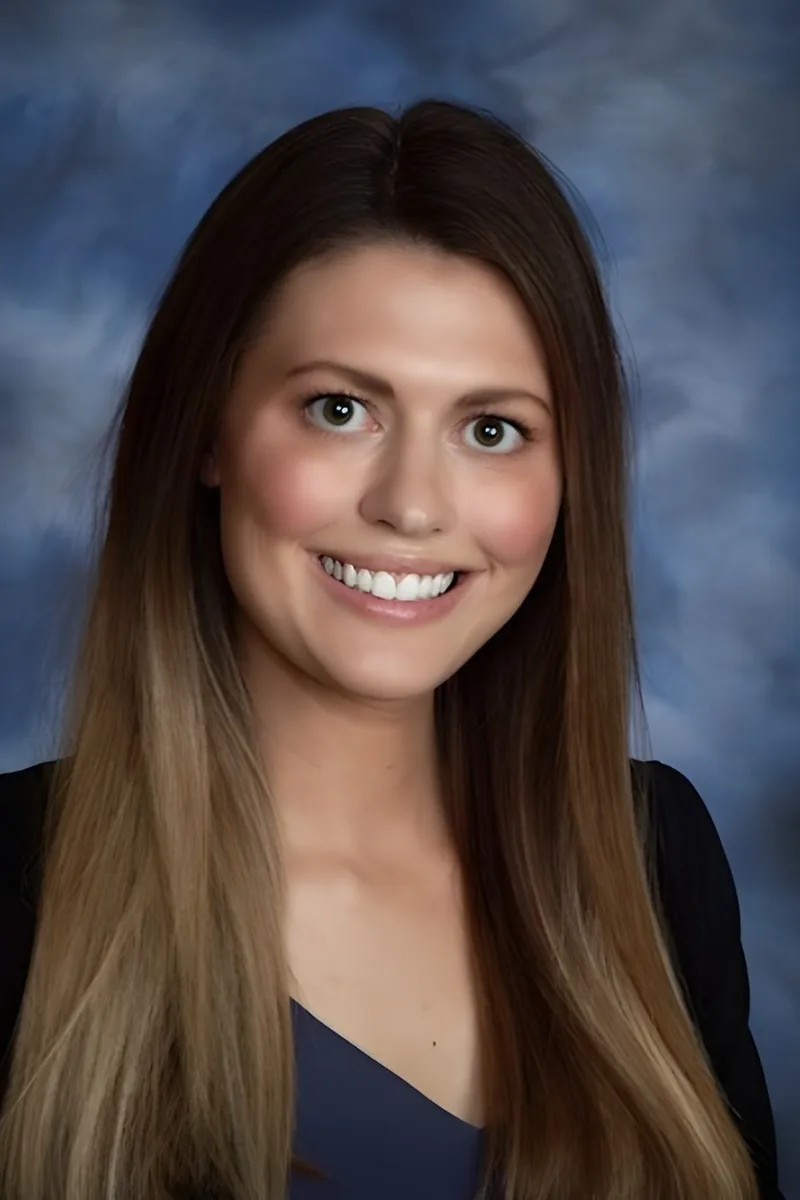
A 4.0 biology graduate from Indiana University who's now ranking in the top 20% of her medical school class, Emily has lived through AP Bio's content multiple times over — from undergraduate genetics and cell biology to the clinical physiology she's mastering now. She's particularly sharp at teaching students how to design and interpret experiments, a skill she honed tutoring student-athletes through statistics and lab science courses at IU. Rated 5.0 by students.
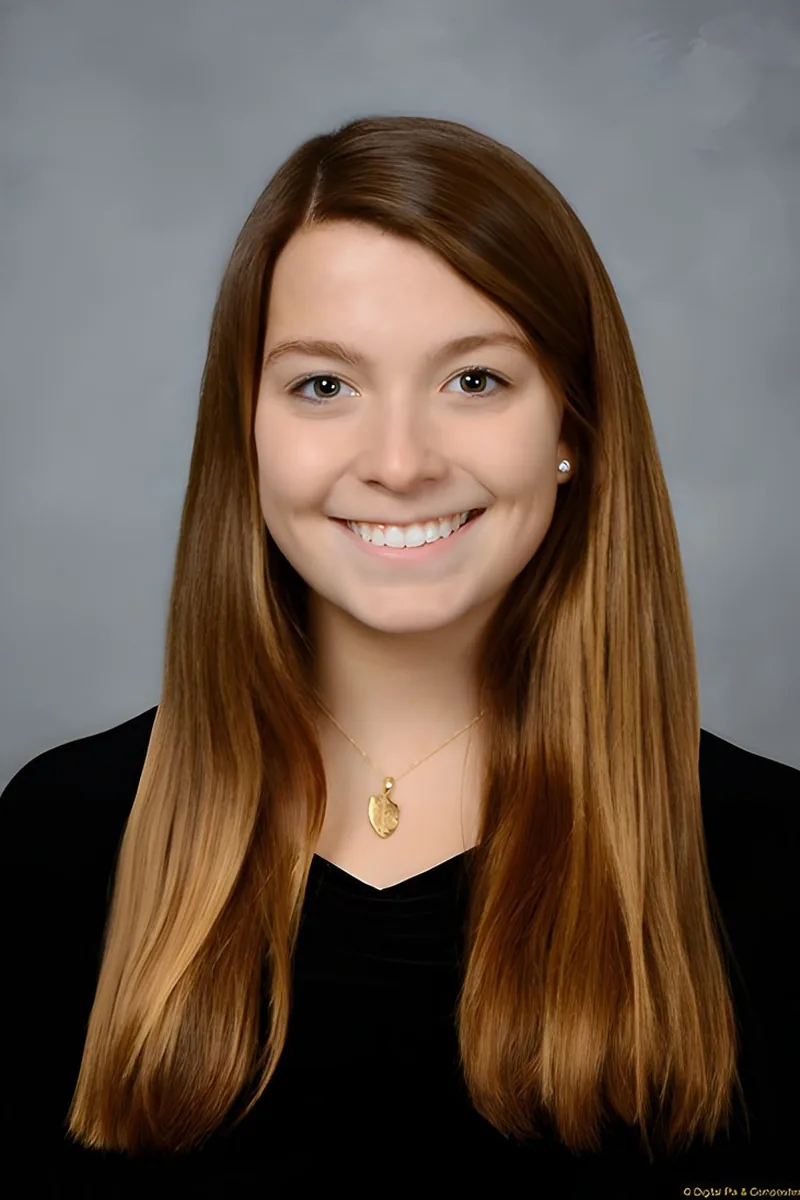
AP Bio covers an enormous range — from cellular respiration and gene expression to ecology and evolution — and the exam rewards students who can apply concepts to unfamiliar experimental scenarios. Lauren's dual background in neuroscience and chemistry at Duke means she connects molecular-level detail to big-picture biological systems, which is exactly the kind of thinking the free-response questions demand.
Studying human biology at Dartmouth means Victoria is taking the college-level versions of AP Bio's core content — genetics, physiology, ecology — right now, which keeps the material sharp in a way that benefits students tackling it for the first time. She's especially good at breaking down how experimental design questions work on the exam, since her own coursework demands the same kind of hypothesis-driven thinking the free-response section tests. Rated 5.0 by students.
Studying biochemistry at Notre Dame means Amy lives inside the molecular details that AP Biology tests love to probe — signal transduction pathways, enzyme kinetics, gene regulation mechanisms. She knows which cellular processes the exam emphasizes and teaches students to reason through experimental design questions rather than relying on rote recall. Her science background makes her especially strong on the data-analysis and free-response sections that carry the most weight.
A master's in plant biology and conservation means Dan has spent years studying the ecological and evolutionary concepts that other tutors often skim — things like phylogenetic analysis, speciation mechanisms, and how organisms adapt to environmental pressures, all of which are heavily tested on the AP Bio exam. He also brings graduate-level depth in cell and molecular biology, so he can teach students to connect what's happening at the DNA level to the population-level patterns the free-response questions ask them to explain. Rated 5.0 by students.
Payal is finishing her biology degree at Indiana University Bloomington before heading to IU School of Medicine, so the AP Bio curriculum — from cellular energetics to heredity to ecology — overlaps directly with coursework she's recently aced. Her pre-med path means she's especially comfortable with the molecular biology and physiology units, and she teaches students to break down multi-step processes like protein synthesis into the kind of clear, sequential explanations that earn full credit on free-response questions. Rated 4.9 by students.
Om's biochemistry degree means he's spent serious time with the molecular machinery underneath AP Bio — enzyme kinetics, metabolic regulation, and the chemical logic of photosynthesis and cellular respiration that most biology-only students find abstract. That biochem lens is especially useful for the exam's questions on energy transfer and protein function, where understanding what's actually happening at the molecular level turns a memorized diagram into a real explanation. Rated 4.9 by students.
AP Biology's sheer volume of content — from cellular respiration pathways to ecology models to gene regulation — rewards students who learn to connect concepts across units rather than memorize them in isolation. Satvik earned a perfect score on the AP exam and led his high school's Science Olympiad team to Nationals, where biology events demanded exactly that kind of integrative thinking.
Mariam's biology degree means she's worked through the same cellular processes, heredity models, and evolutionary concepts that AP Bio students encounter — but at a deeper level that lets her explain *why* a feedback loop works, not just label its parts. She's particularly sharp on the genetics and molecular biology side, where students often struggle to connect DNA replication, transcription, and gene expression into a coherent story for free-response answers. Rated 5.0 by students.
The free-response questions on the AP Bio exam reward students who can explain *why* a biological process works, not just label its steps — and Dayle's biochemistry and molecular biology training means she understands the chemistry driving things like enzyme kinetics, membrane transport, and the central dogma at a mechanistic level. She's especially good at unpacking how molecular interactions scale up to cellular behavior, which is the connective tissue between the course's toughest units. Rated 5.0 by students.
I am working to attain a Cell, Molecular, and Developmental Biology major at Purdue University and I tend to be good with tutoring in biology, english, writing, and history. I love to help students of various backgrounds reach their potential through a work dynamic that is fit for their school work and life. I have worked with many students that may have been behind or may be working to get ahead in school to make it easier for themselves, but the one thing in common between them all is how unique their learning style was and how we would work together to find a balance and ensure they thrive in their studies. On the side, I enjoy reading novels, writing poetry and stories, gaming, and stargazing.
A molecular biology degree means Andrew has worked through the central dogma, cell division, and metabolic pathways at the bench level — exactly the content AP Bio's exam leans on hardest. His PhD training in law and management might seem unrelated, but it sharpened the argumentative writing skills that translate directly to constructing the multi-part explanations free-response questions demand. Rated 4.8 by students.
As a pre-med biosciences major at Rice University, Tegan is studying the same cellular processes, genetics, and ecological concepts that AP Bio covers — but at the college level, which means she can explain the *why* behind topics like enzyme kinetics or signal transduction rather than just the textbook summary. She's especially good at breaking down the plant biology and photosynthesis material that many students rush past, connecting light reactions and carbon fixation to the energy flow concepts the exam circles back to repeatedly. Rated 4.9 by students.
As a premed biosciences student at Rice University, Jessy is actively working through the same molecular biology, genetics, and physiology content that AP Bio covers — which means she can pinpoint exactly where textbook explanations lose students and rephrase them on the fly. She recently peer-tutored classmates through AP-level coursework in high school and earned a 34 ACT, so she understands both the science and the test-taking strategy behind interpreting data sets and constructing free-response answers. Rated 5.0 by students.
Studying biomedical engineering at Duke means Eric thinks about biological systems at the molecular, cellular, and organismal levels every day. He tackles AP Biology's toughest units — signal transduction, gene regulation, and energy flow through ecosystems — by tying them back to the underlying logic that the AP exam rewards.
Cell and molecular biology was Emily's concentration at Duke, where she graduated summa cum laude — so the AP Bio units on gene expression, cell communication, and the central dogma aren't review material she's recalling vaguely, they're concepts she studied at an advanced level and now revisits daily as a Columbia medical student. She's especially sharp at teaching students to diagram signal transduction pathways and trace how a single mutation can ripple through protein function, cell behavior, and organism-level phenotype — the kind of multi-scale reasoning that separates 4s from 5s on the exam. Rated 5.0 by students.
Studying neurobiology and behavior at Penn means Emily lives in the territory where AP Bio gets hardest — signal transduction, nervous system function, and the molecular machinery behind how cells communicate and respond to their environment. She's especially good at unpacking the genetics-to-phenotype pipeline, showing students how a mutation in one gene can ripple through protein folding, cell signaling, and ultimately organism-level behavior. Rated 5.0 by students.
Todd's undergraduate biology degree from UIUC gives him the content foundation for AP Bio, but it's his 33 ACT and analytical training through his University of Chicago graduate work that sharpen how he teaches the exam's trickiest skill: translating dense lab data into clear, structured free-response answers. He zeroes in on the units where students lose the most points — cellular energetics and heredity — and builds the kind of process-level reasoning that turns memorized pathways into usable knowledge on test day.
AP Bio covers an enormous range — from molecular genetics to ecology — and the exam rewards students who can apply concepts to unfamiliar experimental scenarios, not just recall definitions. Phillip studies biomedical engineering at Brown, so he regularly engages with cell signaling, gene expression, and physiological systems at a level well beyond the AP curriculum. He teaches students to interpret data figures and design experiments the way the free-response questions demand.
Environmental science coursework gave Ethan an ecology-first perspective on biology — population dynamics, energy flow through ecosystems, and the interplay between organisms and their environments — which lines up directly with AP Bio's ecology and evolution units that many science-focused tutors breeze past. He also teaches AP Statistics, so he's unusually comfortable with the data interpretation and experimental design questions that trip students up on the exam. Rated 5.0 by students.
Cellular respiration, genetics, and evolution each require a different kind of thinking — sometimes quantitative, sometimes conceptual, sometimes both at once. Nima breaks down processes like the electron transport chain or Hardy-Weinberg equilibrium into logical steps, drawing on the same analytical rigor that earned him a full merit scholarship to Duke.
Nicolette's bioengineering degree from Rice meant she didn't just memorize biological systems — she had to model them, which is exactly the kind of mechanistic thinking AP Bio's free-response questions demand when students need to explain processes like signal transduction or feedback in gene regulation. Her engineering training makes her especially sharp at teaching students to reason through experimental design and data interpretation questions, where you have to connect variables to biological outcomes rather than just recall facts. Rated 5.0 by students.
Teaching 10th-grade Biochemistry at a competitive Philadelphia magnet school means Kathleen lives in the overlap between biology and chemistry that defines the AP Bio exam. She digs into the molecular details — enzyme kinetics, cellular respiration energetics, gene expression regulation — with the depth the College Board expects on free-response questions. Rated 5.0 by students.
Testimonials
Because the right AP Biology tutor makes all the difference.
Average Session Rating – Based on 3.4M Learner Ratings
Practice AP Biology
Free practice tests, flashcards, and AI tutoring for AP Biology
Nearby AP Biology Tutors
Other Indianapolis Tutors
Related Science Tutors in Indianapolis
Frequently Asked Questions
AP Biology covers eight major units: chemistry of life, cell structure and function, cellular transport, cell communication and division, heredity, gene expression, natural selection, and ecology. The course emphasizes understanding biological concepts at a molecular and systems level, with heavy focus on data analysis and scientific reasoning. Most students spend the year building toward the AP exam in May, which tests both conceptual understanding and ability to interpret experiments and data.
Score improvement depends on your starting point and consistency with tutoring. Students who work with tutors on weak units—often photosynthesis, cellular respiration, or genetics—typically see gains of 1-3 score points on the 1-5 scale. The key is identifying specific gaps early (usually by winter) and focusing practice on those areas rather than reviewing material you already understand well.
Most students struggle with three areas: (1) connecting molecular processes like photosynthesis and cellular respiration to larger biological systems, (2) interpreting unfamiliar experiments and graphs under timed conditions, and (3) applying concepts to novel scenarios rather than just memorizing facts. Tutors can help you move beyond memorization to true conceptual understanding, which is what the AP exam actually tests.
Starting tutoring in the fall or early winter gives you time to build strong foundations and identify weak units before the May exam. If you're already in spring and struggling, tutoring can still help you maximize your score by targeting high-yield topics and test-taking strategies. Even a few focused sessions before the exam can boost confidence and help you manage timing on the multiple-choice and free-response sections.
Successful AP Biology test-takers use strategies like: reading questions before looking at data or graphs to know what to focus on, eliminating clearly wrong answers on multiple-choice to improve odds, and budgeting 10 minutes per free-response question (you get 6 questions in 90 minutes). Tutors can help you practice these strategies on real AP exams so you're comfortable with pacing and question formats on test day.
Practice tests are essential—they show you exactly what you don't know, help you build stamina for the 3-hour exam, and reduce test anxiety by making the format familiar. Ideally, you should take 3-4 full practice tests starting in January or February, then review mistakes carefully. A tutor can help you analyze your practice test results to pinpoint whether your errors come from conceptual gaps, misreading questions, or time management issues.
Varsity Tutors connects students in Indianapolis with expert tutors who specialize in AP Biology and understand the specific demands of the exam. When you get matched with a tutor, you can discuss your current score, target score, and biggest challenge areas so they can create a personalized study plan. Most tutors offer flexible scheduling to fit around your school and other commitments.
Your first session is typically an assessment and planning conversation. The tutor will ask about your current understanding, review any recent tests or assignments, and identify which units need the most work. From there, they'll create a focused plan for your remaining time before the exam—whether that's deep dives into specific topics, practice with data interpretation, or full-length exam simulations.
Let’s find your perfect tutor
Answer a few quick questions. We’ll recommend the right plan and match you with a top 5% tutor.