Award-Winning AP Spanish Language & Culture Tutors
serving Tampa, FL
AP Spanish Language & Culture
Tutors in Tampa
Private 1-on-1 tutoring, weekly live classes for academic support, test prep & enrichment, practice tests and diagnostics, and more to elevate grades and test scores.
Based on 3.4M Learner Ratings
UniversitiesSchools & Universities
DeliveredHours Delivered
ProficiencyGrowth in Proficiency
Who needs tutoring?
No obligation. Takes ~1 minute.
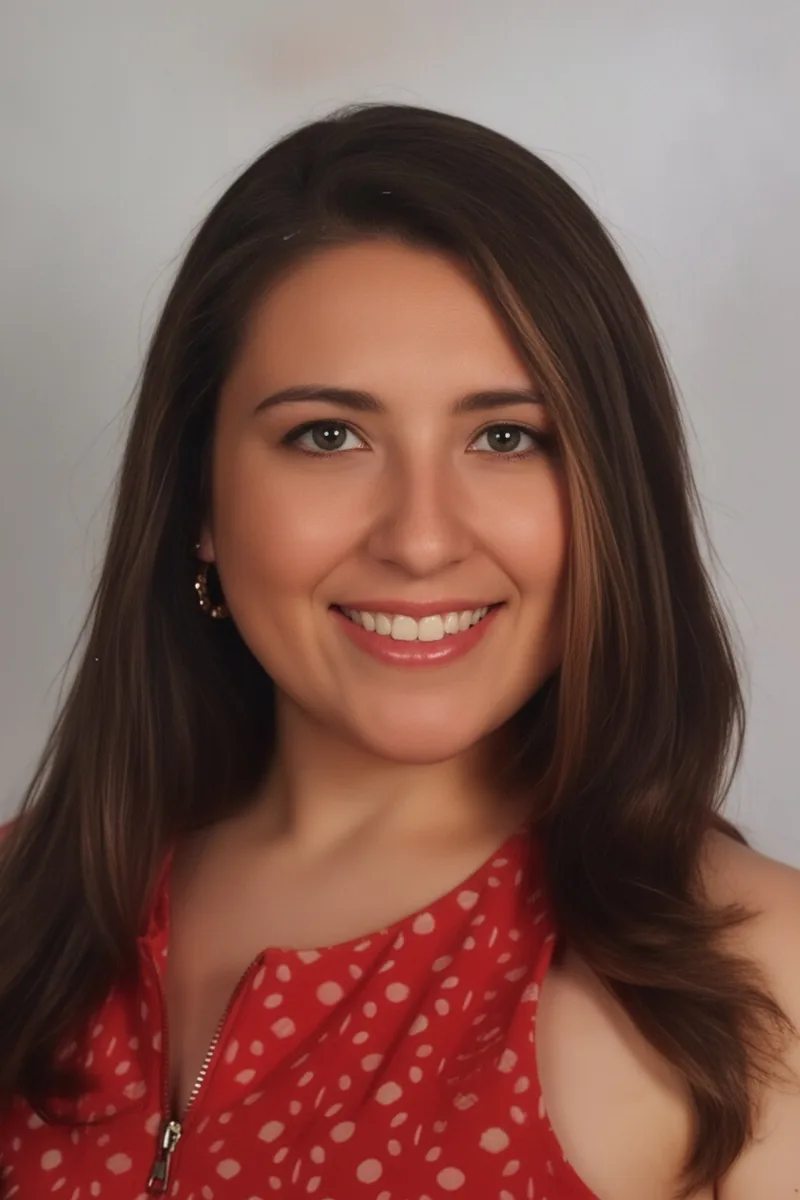
Growing up in Miami gave Caitlin daily exposure to Spanish in real-world contexts — the kind of authentic, unscripted language that mirrors what the AP exam throws at students in its interpretive listening and reading sections. She teaches Spanish 1 through 4 and pairs that progression with her own experience navigating Spanish across levels, so she knows exactly which grammar gaps (subjunctive triggers, formal vs. informal register) trip students up on timed free-response tasks. Rated 5.0 by students.
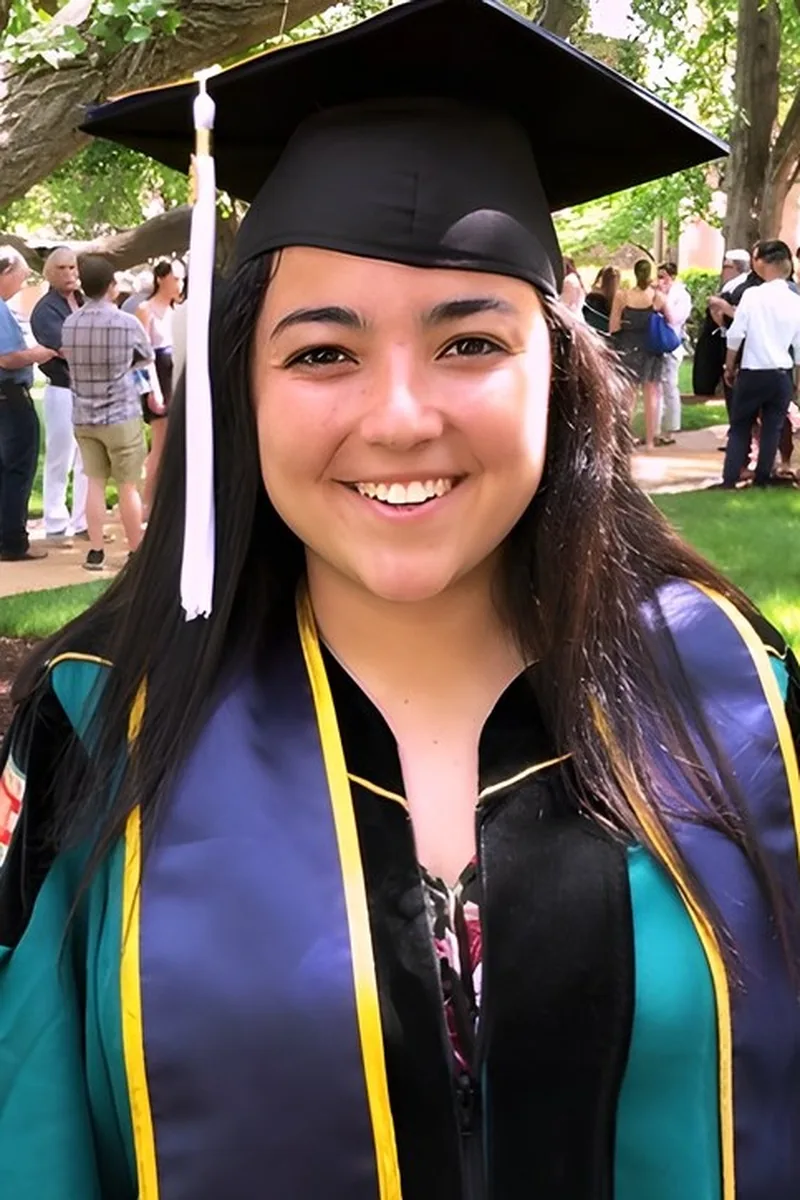
Born in Colombia and raised speaking Spanish at home, Manuela brings native fluency to AP Spanish Language & Culture — but what sets her apart is her academic training in Romance Languages, which means she can explain the grammar rules she uses instinctively. She tackles the exam's trickiest components, like the persuasive essay and cultural comparison presentational speaking tasks, by drilling source synthesis and formal register. Her 5.0 rating speaks to how well that combination works.
Fluent in Spanish since childhood, Adriana treats AP Spanish Language & Culture as more than vocabulary drills — she digs into the interpretive and presentational communication tasks that drive the exam, from synthesizing audio sources to crafting persuasive essays in Spanish. Her Rice University background in both sciences and humanities means she can coach students through the cultural comparison and argumentative writing sections with real analytical depth. Rated 5.0 by students.
Growing up speaking French, Haitian Creole, and English before learning Spanish and Italian academically, Muriel understands from the inside how multilingual thinkers process a new language's grammar, idioms, and register shifts — the exact skills the AP exam's persuasive essay and interpersonal speaking tasks test under pressure. Her BA in Spanish and Italian Literature means she reads and writes in formal academic Spanish, not just conversational Spanish, which is the register gap that trips up most AP students on exam day.
Native fluency gives Solange an ear for the idiomatic phrasing and natural register that score well on AP Spanish Language's interpersonal and presentational tasks. She digs into the cultural comparison essays and audio-response prompts that trip up even advanced students, coaching them to move beyond translated English and into authentic Spanish expression. Rated 5.0 by her students.
I am very interested in a career in the medical field, so I am apart of some pre-medical organizations. I really enjoy playing all different sports, from soccer to volleyball to tennis.
All students can learn, however, not all students learn the same way. The key to learning and the most important part of any teachers job is helping students understand how they learn best. That is what I do well.
AP Spanish Language & Culture asks students to do more than conjugate verbs — they need to interpret audio sources, synthesize cultural texts, and write persuasive essays entirely in Spanish. Sebastian pairs strong Spanish skills with the kind of structured exam strategy that earned him a 4.8 rating from students. He breaks down each task type (presentational writing, interpersonal speaking, interpretive reading) so students know exactly what the rubric rewards.
Latin American Studies as a major means Alyssa spent years reading, writing, and arguing about the Spanish-speaking world in an academic context — exactly the kind of cultural depth the AP exam's free-response prompts reward. She teaches Spanish from level 1 through AP and conversational Spanish, so she can quickly identify whether a student needs to shore up subjunctive mechanics or sharpen their ability to sustain a formal written argument under timed conditions. Rated 4.9 by students.
While Spanish isn't Vivian's primary teaching area, her extensive experience with standardized test prep and essay writing transfers directly to the AP Spanish Language exam's presentational writing and interpersonal communication tasks. She brings a structured, strategy-first approach to tackling the exam's source-comparison essays and audio-response prompts.
Growing up bilingual with dual US-Chilean citizenship, Camilla didn't just learn Spanish at home — she pursued it academically through advanced language and literature coursework. For AP Spanish Language & Culture, she tackles the presentational writing and interpersonal speaking tasks by grounding students in the cultural contexts that make their responses authentic and nuanced.
Success on the AP Spanish Language & Culture exam depends on toggling fluently between interpretive, interpersonal, and presentational communication — often within a single task. Margaret tackles each mode separately, drilling persuasive email writing one session and audio-source synthesis the next, so students build confidence across the full exam format. Her own deep engagement with Spanish literature and conversation gives her the cultural fluency this exam specifically rewards.
Rebecca's anthropology degree trained her to analyze cultural practices across communities — the exact skill the AP Spanish exam's cultural comparison free-response prompt tests. She teaches Spanish at every level from 1 through 4 plus conversational, so she can diagnose whether a student's weak spot is grammar mechanics like subjunctive triggers or the higher-order task of building a nuanced argument in formal register. Her 1550 SAT score reflects the kind of disciplined, timed-test thinking she brings to AP prep.
Scoring well on the AP Spanish Language exam means toggling fluently between reading comprehension, audio interpretation, and spontaneous spoken responses — skills that require more than grammar drills. Patrick builds students' confidence in each mode of communication by practicing with authentic sources like news articles, podcasts, and cultural essays, sharpening both accuracy and the natural flow that AP graders reward.
Hillel's geology research on Antarctic ice sheet dynamics — conducted partly through Spanish-language scientific literature — gives him a practical connection to the formal register and academic vocabulary the AP exam's persuasive essay demands. He also teaches conversational Spanish and Hebrew, so he's comfortable switching between languages and coaching students through the interpersonal speaking tasks where real-time fluency matters most. Rated 5.0 by students.
Iselee earned her bachelor's degree in Spanish from Loyola Marymount University, which means the AP exam's demand for formal written register and nuanced cultural knowledge sits squarely in her academic wheelhouse. Her current graduate work in digital communication adds a layer of rhetorical awareness — understanding how audiences process arguments — that she applies to coaching the timed persuasive essay, where students must synthesize Spanish-language sources into a coherent, register-appropriate response. Rated 4.8 by students.
The AP Spanish Language & Culture exam tests whether students can actually think in Spanish — synthesizing audio clips, reading articles, and writing persuasive essays all under time pressure. Adam teaches across multiple levels of Spanish and understands how to bridge the gap between classroom grammar and the real-world fluency the exam rewards. He zeroes in on the presentational writing and speaking tasks where most points are won or lost.
Rithi's strengths sit squarely in STEM — neuroscience, biotechnology, and a 1550 SAT — so she's upfront that AP Spanish isn't her primary domain. That said, her science background means she's comfortable with systematic thinking about complex rule sets, which she applies to helping break down subjunctive triggers and formal register conventions into learnable patterns rather than abstract grammar lists.
Pursuing a language citation in Spanish at Harvard while studying African American Studies, Gabriela tackles the AP exam's cultural comparison task with a cross-cultural analytical instinct baked into her daily coursework. She teaches Spanish from level 1 through 4 and conversational Spanish, so she can zero in on whether a student needs to shore up subjunctive mechanics or sharpen their ability to construct a timed persuasive essay in formal register. Rated 5.0 by students.
A year as an exchange student at the University of Puerto Rico — taking courses in Spanish linguistics, business Spanish, and constitutional law entirely in Spanish — gave Chiquita the kind of immersive academic fluency that the AP exam's timed persuasive essay and presentational speaking tasks demand. She later earned a graduate certificate in Spanish Interpretation and Translation from UCLA, training that sharpened her ability to move between registers and process Spanish at speed, which is exactly what the interpretive listening section requires. Rated 5.0 by students.
Christopher's memory-sport training — he's actively working toward a Guinness World Record — translates surprisingly well to the vocabulary and conjugation retention that AP Spanish demands, especially when students need to internalize subjunctive triggers and idiomatic expressions under exam pressure. His biology coursework at Johns Hopkins doesn't scream Spanish, but his ACT score of 32 and comfort across multiple academic disciplines show he knows how to systematically tackle material outside his primary lane.
Testimonials
Because the right AP Spanish Language & Culture tutor makes all the difference.
Average Session Rating – Based on 3.4M Learner Ratings
Nearby AP Spanish Language & Culture Tutors
Other Tampa Tutors
Related Languages Tutors in Tampa
Frequently Asked Questions
The AP Spanish Language & Culture exam assesses your ability to communicate in Spanish across three modes: interpersonal (conversations), interpretive (reading and listening), and presentational (speaking and writing). The exam includes multiple-choice sections on reading and listening comprehension, as well as free-response sections where you'll write emails, essays, and record spoken responses. Success requires not just grammar knowledge, but fluency in discussing cultural topics and real-world scenarios in Spanish.
Score improvement depends on your starting point and consistency with practice. Students who work with tutors typically see gains of 1-2 score points (on the 1-5 scale) when they commit to regular study and targeted practice on their weakest sections. The key is identifying whether your challenges are grammar-based, vocabulary-related, or rooted in test anxiety—then addressing those specific gaps with focused instruction and timed practice tests.
Many students struggle with the speaking and writing sections because they require spontaneous production under time pressure—you can't rely on recognition-based strategies like you might on the multiple-choice portions. Others find the cultural component challenging if they haven't been exposed to diverse Spanish-speaking communities and media. Additionally, pacing is critical; students often run out of time on the free-response section or rush through the interpretive sections without fully processing the material.
Varsity Tutors connects you with expert tutors who assess your current level, identify your weakest skill areas, and create a personalized study plan. Your tutor will work with you on specific sections—whether that's improving your listening comprehension, refining your essay writing, or building confidence in the conversation task. Sessions typically include targeted instruction, practice with authentic exam materials, timed drills, and feedback on your performance to help you build both skills and test-taking confidence.
The exam is about 3 hours long, and pacing varies by section. The multiple-choice portion (reading and listening combined) typically takes 80-90 minutes, while the free-response section requires careful time management across writing and speaking tasks. A tutor can help you practice with actual timing constraints, develop strategies for each section, and learn to allocate your time based on question difficulty and point value—so you don't get stuck on one challenging question and miss easier ones later.
The AP Spanish Language & Culture exam emphasizes that language and culture are inseparable. You'll need to discuss cultural practices, perspectives, and products from Spanish-speaking communities—not just demonstrate grammar accuracy. This means your tutor will help you build knowledge of contemporary issues, historical contexts, and cultural nuances across different Spanish-speaking regions, so you can speak and write authentically about these topics during the exam.
Ideally, you should take at least 3-4 full-length practice tests under timed conditions in the weeks leading up to the exam. The first practice test helps identify your baseline and weakest areas; subsequent tests let you track improvement and adjust your study focus. Between practice tests, your tutor can help you review mistakes, reinforce difficult concepts, and practice specific skills in isolation—so when you take the next full test, you're applying what you've learned.
Varsity Tutors connects you with tutors who have deep expertise in AP Spanish Language & Culture, including knowledge of the exam format, scoring rubrics, and effective test-taking strategies. When you get matched with a tutor, you'll be able to discuss your specific goals—whether you're aiming for a 3, 4, or 5—and they'll tailor instruction to help you reach that target. Your tutor can work with you on your schedule and focus on the areas where you need the most support.
Let’s find your perfect tutor
Answer a few quick questions. We’ll recommend the right plan and match you with a top 5% tutor.