Award-Winning AP Spanish Language & Culture Tutors
serving Miami, FL
AP Spanish Language & Culture
Tutors in Miami
Private 1-on-1 tutoring, weekly live classes for academic support, test prep & enrichment, practice tests and diagnostics, and more to elevate grades and test scores.
Based on 3.4M Learner Ratings
UniversitiesSchools & Universities
DeliveredHours Delivered
ProficiencyGrowth in Proficiency
Who needs tutoring?
No obligation. Takes ~1 minute.
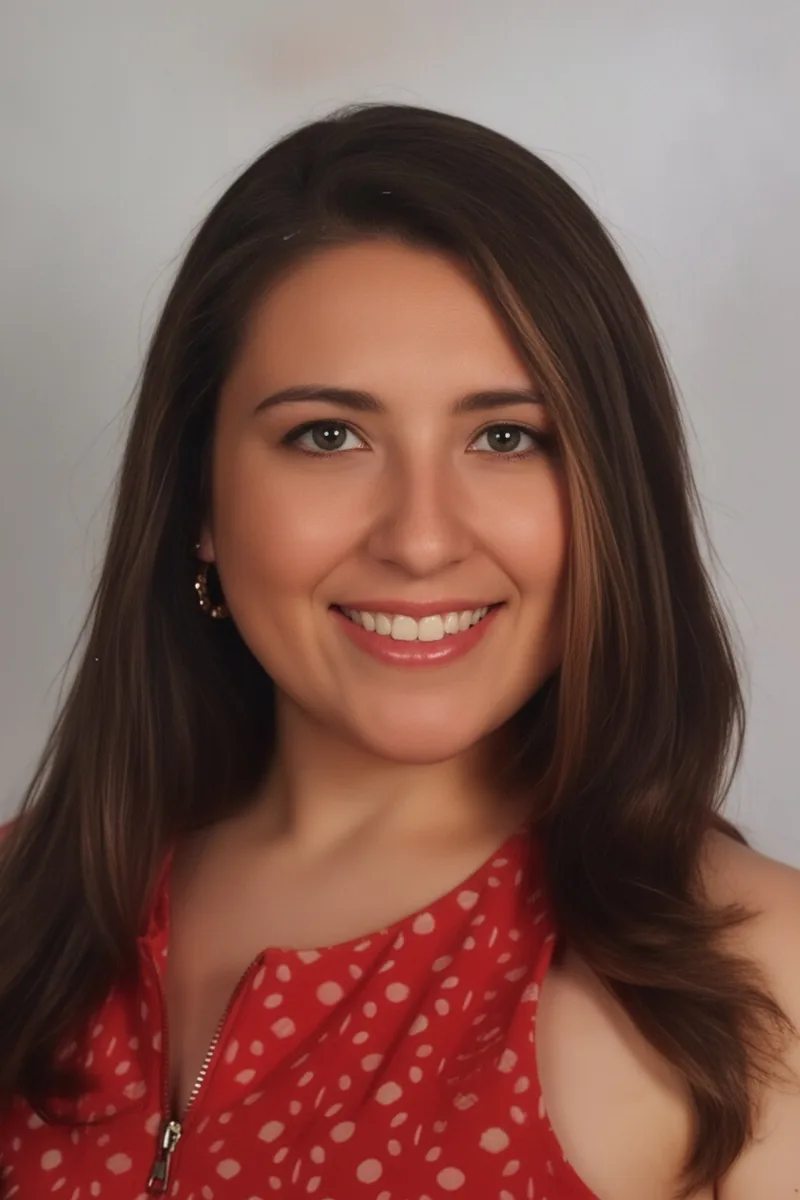
Growing up in Miami gave Caitlin daily exposure to Spanish in real-world contexts — the kind of authentic, unscripted language that mirrors what the AP exam throws at students in its interpretive listening and reading sections. She teaches Spanish 1 through 4 and pairs that progression with her own experience navigating Spanish across levels, so she knows exactly which grammar gaps (subjunctive triggers, formal vs. informal register) trip students up on timed free-response tasks. Rated 5.0 by students.
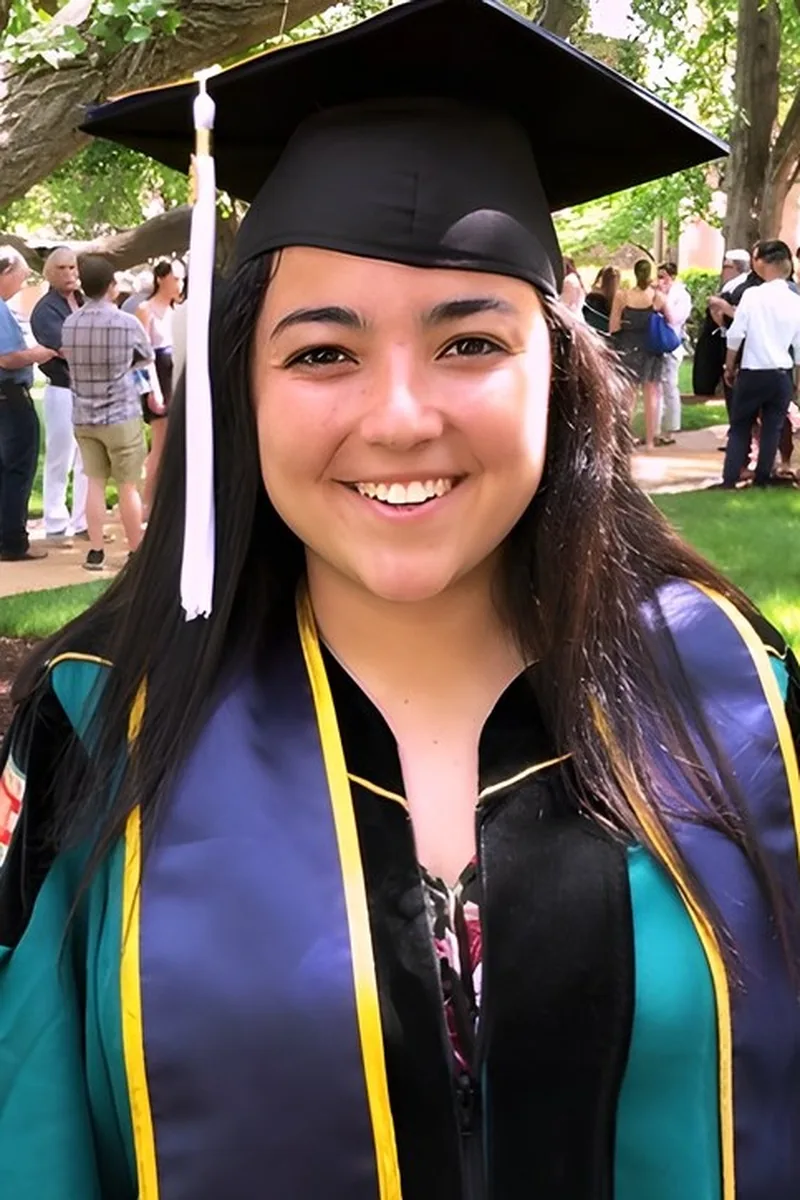
Born in Colombia and raised speaking Spanish at home, Manuela brings native fluency to AP Spanish Language & Culture — but what sets her apart is her academic training in Romance Languages, which means she can explain the grammar rules she uses instinctively. She tackles the exam's trickiest components, like the persuasive essay and cultural comparison presentational speaking tasks, by drilling source synthesis and formal register. Her 5.0 rating speaks to how well that combination works.
Fluent in Spanish since childhood, Adriana treats AP Spanish Language & Culture as more than vocabulary drills — she digs into the interpretive and presentational communication tasks that drive the exam, from synthesizing audio sources to crafting persuasive essays in Spanish. Her Rice University background in both sciences and humanities means she can coach students through the cultural comparison and argumentative writing sections with real analytical depth. Rated 5.0 by students.
Native fluency gives Solange an ear for the idiomatic phrasing and natural register that score well on AP Spanish Language's interpersonal and presentational tasks. She digs into the cultural comparison essays and audio-response prompts that trip up even advanced students, coaching them to move beyond translated English and into authentic Spanish expression. Rated 5.0 by her students.
Growing up speaking French, Haitian Creole, and English before learning Spanish and Italian academically, Muriel understands from the inside how multilingual thinkers process a new language's grammar, idioms, and register shifts — the exact skills the AP exam's persuasive essay and interpersonal speaking tasks test under pressure. Her BA in Spanish and Italian Literature means she reads and writes in formal academic Spanish, not just conversational Spanish, which is the register gap that trips up most AP students on exam day.
I am very interested in a career in the medical field, so I am apart of some pre-medical organizations. I really enjoy playing all different sports, from soccer to volleyball to tennis.
All students can learn, however, not all students learn the same way. The key to learning and the most important part of any teachers job is helping students understand how they learn best. That is what I do well.
AP Spanish Language & Culture asks students to do more than conjugate verbs — they need to interpret audio sources, synthesize cultural texts, and write persuasive essays entirely in Spanish. Sebastian pairs strong Spanish skills with the kind of structured exam strategy that earned him a 4.8 rating from students. He breaks down each task type (presentational writing, interpersonal speaking, interpretive reading) so students know exactly what the rubric rewards.
Latin American Studies as a major means Alyssa spent years reading, writing, and arguing about the Spanish-speaking world in an academic context — exactly the kind of cultural depth the AP exam's free-response prompts reward. She teaches Spanish from level 1 through AP and conversational Spanish, so she can quickly identify whether a student needs to shore up subjunctive mechanics or sharpen their ability to sustain a formal written argument under timed conditions. Rated 4.9 by students.
While AP Spanish Language & Culture isn't Orlando's primary teaching area, his background in the arts and economics gives him a strong handle on the interpretive and presentational communication skills the exam demands — particularly the persuasive essay and cultural comparison tasks. He approaches language study with the same analytical rigor he brings to his core subjects, breaking down source materials and building argument structure.
Having earned a BA in Spanish and studied the language at an advanced academic level, Steven knows exactly where the AP Spanish Language & Culture exam tries to trip students up — from interpreting audio sources in the interpersonal speaking task to weaving cultural comparisons into the presentational essay. He teaches students to think in Spanish rather than mentally translating from English, which is the single biggest factor in scoring well on timed prompts.
Joshua teaches Spanish from level 1 through AP and pairs that with four levels of Latin, so he's used to thinking about how Romance languages borrow structures from their classical roots — a perspective that sharpens his explanations of tricky Spanish grammar like subjunctive triggers and conditional sequences. His 1600 SAT reflects the kind of precise reading and analytical writing skills that translate directly to the AP exam's source-synthesis and persuasive essay tasks.
Grant teaches Spanish across every level from 1 through 4 plus conversational and AP, which means he can quickly diagnose whether a student is struggling with foundational grammar — subjunctive triggers, preterite vs. imperfect — or with the higher-level task of producing formal register under timed conditions. His economics background also gives him a structured, analytical approach to the exam's persuasive essay, where organizing source material into a coherent argument matters as much as the Spanish itself. Rated 5.0 by students.
Jennifer's journalism training at Northwestern — where she learned to write persuasively under tight deadlines in formal register — maps directly onto the AP Spanish exam's timed persuasive essay, which demands the same skill set in a second language. She teaches Spanish from level 1 through AP and conversational Spanish, and her Georgetown international politics background means she can coach students through the cultural comparison task with the kind of geopolitical nuance that turns a generic response into a compelling one.
Sarah's English degree and SAT score of 1500 mean she's already wired for the kind of timed, source-based writing the AP Spanish exam throws at students in the persuasive essay — structuring an argument, synthesizing texts, and maintaining formal register under pressure. She teaches Spanish from level 1 through 4 and conversational Spanish, so she can spot whether a student's real bottleneck is subjunctive grammar or the rhetorical organization that separates a passing score from a strong one.
Native fluency changes everything in AP Spanish Language & Culture. Alex grew up speaking, reading, and writing Spanish at home, and his bilingual background means he can explain grammar from the inside — why the subjunctive feels natural in certain contexts, how register shifts between formal and informal speech, and what authentic source material actually sounds like. His English degree also sharpens the presentational writing and speaking skills the exam demands.
While Spanish isn't Vivian's primary teaching area, her extensive experience with standardized test prep and essay writing transfers directly to the AP Spanish Language exam's presentational writing and interpersonal communication tasks. She brings a structured, strategy-first approach to tackling the exam's source-comparison essays and audio-response prompts.
Success on the AP Spanish Language exam comes down to thinking in Spanish — not translating from English in your head. Iris builds this fluency by connecting language practice to real cultural content: interpreting audio sources, writing persuasive emails, and constructing spoken presentations on topics like science, community, and global challenges. Her background in anthropology also gives her a genuine comfort with the cultural comparison tasks the exam emphasizes.
This isn't Marvin's core subject — his University of Chicago economics degree and current elementary teaching work sit outside the language space. That said, he's listed for AP Spanish Language & Culture alongside broader test prep and study skills, so he can support students on the structural side: organizing persuasive essay outlines, building timed-response strategies, and strengthening the analytical habits the cultural comparison task rewards.
Most AP Spanish tutors come at the exam from a languages-only background — David pairs his Spanish teaching (levels 1 through 4 plus conversational) with a library science graduate degree that sharpens how he thinks about research, source interpretation, and formal written communication. That combination pays off on the exam's persuasive essay task, where students have to synthesize multiple Spanish-language sources into a coherent, register-appropriate argument under time pressure.
Medical school in Chicago keeps Caroline juggling multiple languages daily — she double-majored in Chinese at Notre Dame while also building fluency in Spanish through her coursework up to Spanish 3. That multilingual wiring means she approaches AP Spanish prep by connecting how languages share structural logic, breaking down things like conditional chains and register shifts through cross-linguistic patterns rather than rote drilling. Rated 5.0 by students.
Testimonials
Because the right AP Spanish Language & Culture tutor makes all the difference.
Average Session Rating – Based on 3.4M Learner Ratings
Nearby AP Spanish Language & Culture Tutors
Other Miami Tutors
Related Languages Tutors in Miami
Frequently Asked Questions
The AP Spanish Language & Culture exam tests your ability to communicate in Spanish across three modes: interpersonal (conversations), interpretive (reading and listening), and presentational (writing and speaking). The exam includes multiple-choice sections on reading and listening comprehension, free-response sections with email writing and essay tasks, and a speaking portion with interpersonal and presentational components. Success requires not just grammar knowledge, but cultural understanding and the ability to express complex ideas in Spanish.
Score improvement depends on your starting point and commitment level, but personalized 1-on-1 instruction typically helps students identify specific weak areas—whether that's verb conjugation, listening comprehension, or essay organization—and target them directly. Many students see meaningful gains by focusing on their lowest-scoring sections and practicing with authentic AP-style materials. A tutor can also help you develop test-taking strategies that maximize your performance on exam day.
Students often struggle most with the listening and reading sections, where fast-paced audio and dense texts require both language proficiency and quick comprehension. The free-response writing section trips up many students who understand Spanish conversationally but haven't practiced formal essay writing or email composition. Additionally, cultural references and idioms that don't translate directly can be challenging. Targeted practice with these specific formats and regular exposure to authentic Spanish-language media helps build the skills you need.
Most students benefit from starting preparation 3-4 months before the May exam, though this varies based on your current proficiency level. If you're already conversational in Spanish, you might focus those months on test-specific strategies and practice exams. If you're building foundational skills, a longer timeline helps you develop confidence in grammar and vocabulary while also learning how to apply those skills under timed conditions. Consistent weekly practice is more effective than cramming, so starting early gives you time to build sustainable study habits.
Practice tests are essential—they help you understand the exam format, identify which sections need the most work, and build the stamina needed for the full exam. Taking full-length practice tests under timed conditions also reveals pacing issues; many students rush through reading comprehension or struggle to complete essays within the time limit. A tutor can review your practice test results with you, pinpoint patterns in your mistakes, and help you develop strategies to address them before test day.
The speaking section requires both interpersonal conversation skills and the ability to deliver a formal presentation in Spanish. Many students need practice thinking on their feet and speaking without extensive preparation time. Working with a tutor who is a native or near-native Spanish speaker gives you the chance to have real conversations, receive immediate feedback on pronunciation and grammar, and build confidence expressing complex ideas aloud. Regular speaking practice also helps reduce test anxiety when you reach the actual exam.
Look for tutors who have deep knowledge of the AP exam format and curriculum, ideally with experience helping students prepare for the specific sections. Native or near-native Spanish speakers with teaching experience are ideal, as they can model authentic language use and cultural nuances. It's also valuable to find someone who understands common student challenges and has a track record of helping students improve their scores. Varsity Tutors connects you with expert tutors who meet these criteria and can tailor instruction to your specific needs.
Your first session is typically an assessment and planning meeting. The tutor will evaluate your current Spanish proficiency, review your goals, and identify which exam sections need the most attention—whether that's listening comprehension, essay writing, or speaking fluency. Together, you'll create a personalized study plan that focuses on your weak areas while building on your strengths. This foundation helps ensure that every subsequent session is targeted and efficient.
Let’s find your perfect tutor
Answer a few quick questions. We’ll recommend the right plan and match you with a top 5% tutor.