Award-Winning Japanese Tutors
serving Tampa, FL
Japanese
Tutors in Tampa
Private 1-on-1 tutoring, weekly live classes for academic support, test prep & enrichment, practice tests and diagnostics, and more to elevate grades and test scores.
Based on 3.4M Learner Ratings
UniversitiesSchools & Universities
DeliveredHours Delivered
ProficiencyGrowth in Proficiency
Who needs tutoring?
No obligation. Takes ~1 minute.
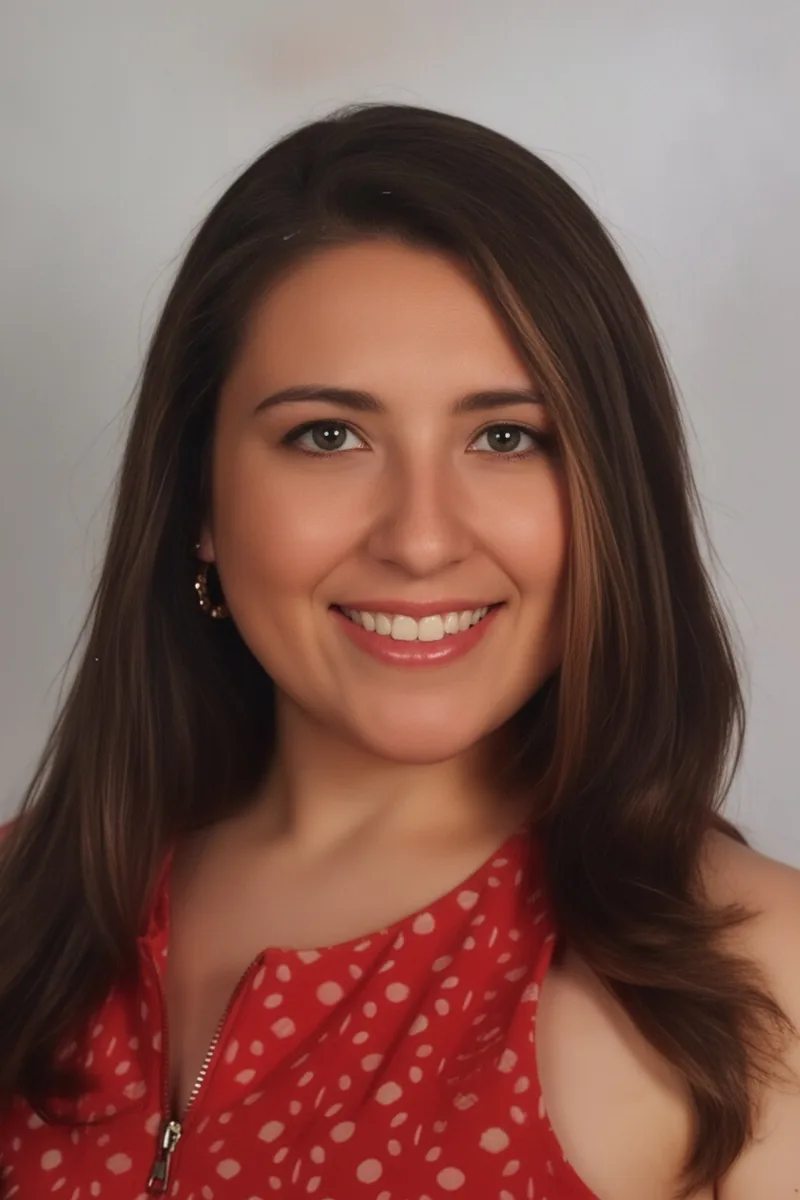
As an Asian Studies major at Duke, Caitlin engages with Japanese language in an academic context that goes beyond textbook dialogues — she understands how kanji, hiragana, and katakana each function within the writing system and why particles like は and が trip up English speakers. She walks through sentence structure and honorific levels with cultural context that makes the grammar patterns memorable.
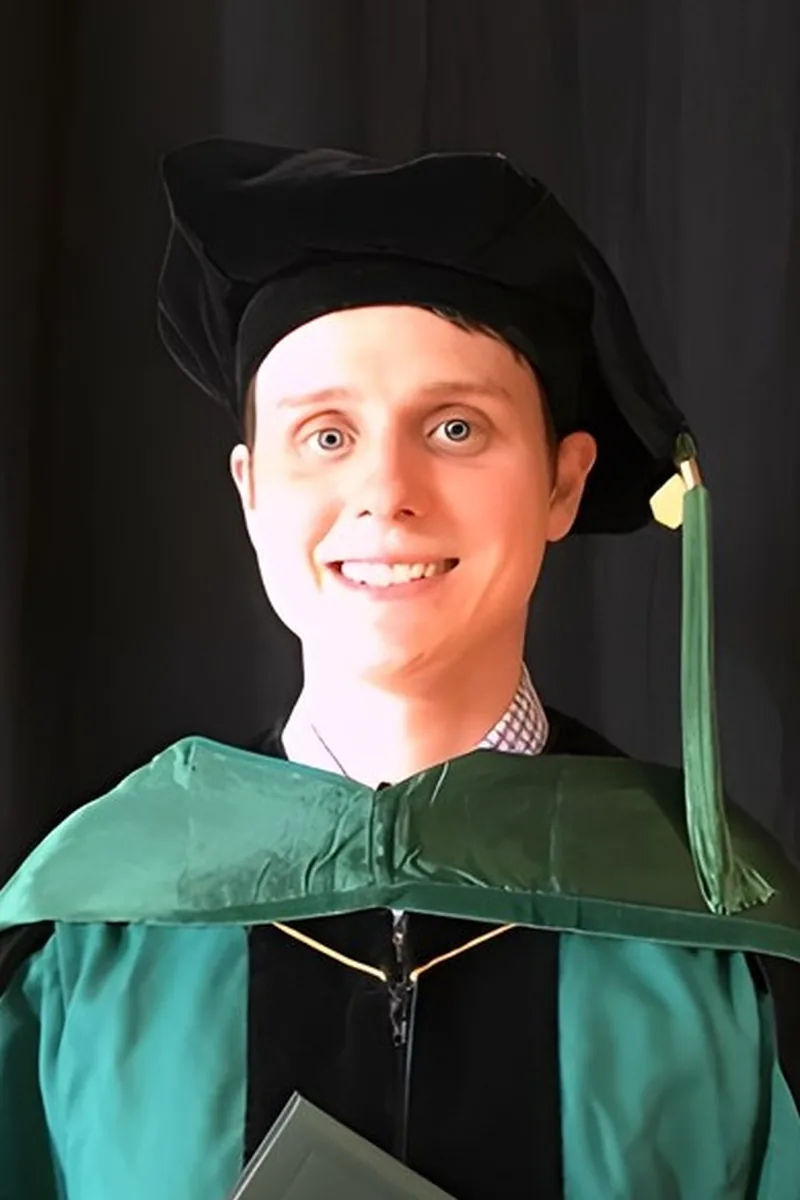
Having majored in Japanese at SUNY Albany, James doesn't just know the language — he understands the grammar architecturally, from particle usage and verb conjugation tiers to the nuances of honorific speech. He teaches reading and writing through cultural context, connecting kanji compounds to their historical roots so students retain them long-term rather than cramming and forgetting. Rated 4.9 by students.
I would like to work with people who want to advance their Japanese knowledge and capabilities. I have lived for 18 years in Japan and can guide someone through the intricacies of the language. I have certified top level proficiency on the Japan Foundation Japanese Proficiency Test.
Brian prepared for and took the SAT Subject Test in Japanese with Listening, which means he's worked through the grammar structures, kanji recognition, and listening comprehension challenges that define intermediate Japanese study. He approaches language learning with the same systematic thinking he applied to economics and CS at Caltech — breaking down sentence patterns and verb conjugations into logical rules rather than pure memorization.
As a dedicated language tutor with several years of experience, I bring both expertise and enthusiasm to every lesson. I specialize in Chinese, Japanese, and basic Arabic, and I have had the privilege of guiding students of diverse ages and backgrounds through their language-learning journeys.
I currently work for an afterschool enrichment program (Best Brains) tutoring elementary English and math, and I have 4+ years of experience as a private ESL tutor for both children and adults. I am working toward my Masters of Science in Secondary English Education and ESL at the University of Wisconsin- Madison. I graduated from the University of Oregon with a Bachelor of Arts in Comparative World Literature and Japanese, and from the University of Wisconsin-Madison with a Master of Arts in Japanese Language and Literature. I began tutoring while I was in high school, assisting with algebra homework. In college, I volunteered as a kindergarten reading assistant through a program called Start Making a Reader Today. I later volunteered while in graduate school at a local high school tutoring students in beginner Japanese. I have also been employed by the University of Wisconsin as a Teaching Assistant, and taught in Religious Studies and East Asian Studies. In all cases, it has been a pleasure watching students progress in their academics and to see them grow as young scholars. I especially enjoy teaching language arts because of the feeling of connection that language can bring. My favorite part of teaching is seeing the smiling face of someone the moment that they finally "get" something they've been struggling with and watching their confidence boost. In my free time, I host a small book club, pen pal with friends around the world, and try my hand at new recipes.
I'm currently a freshman at Brown University. I will most likely triple major in Ancient Greek & Sanskrit, Latin, and Japanese. I have had lots of experience tutoring those around me, such as friends, peers, and class mates, and I have always enjoyed seeing their progress as students. My tutoring experiences include after-school assistance to those struggling in Ancient Greek at my former high school, to helping Juniors and Sophomores help ace the SAT. My specialty is language and history, with an emphasis on Japanese, English, Latin, US history and World History, but I am also more than happy to help out those struggling with Algebra and Geometry. As someone who was once an ESL student himself, I believe that a good education rests upon the ability to comprehend, interact, and apply ideas. Besides academic matters, I am also fond of running, calisthenics, and Enka music.
Learning Japanese means juggling three writing systems, unfamiliar grammar structures, and a set of politeness registers that don't exist in English. Katharine brings a methodical, pattern-oriented mindset to breaking down concepts like particle usage, verb conjugation groups, and kanji radicals so that each lesson builds logically on the last.
Sho teaches Japanese with attention to the details that trip up English speakers most — particle usage, verb conjugation groups, and the shift between casual and polite registers. Whether a student is learning hiragana for the first time or working through intermediate kanji and grammar patterns, he brings structured practice to a language that rewards consistency.
Cori is pursuing a Japanese minor at MIT, which means she's actively working through the grammar structures, kanji readings, and particle usage that trip up most learners. That proximity to the learning process gives her a practical sense of what sticks and what needs extra repetition.
Studying Japanese as a minor at Columbia — with plans to eventually work in Japan's renewable energy sector — Shin uses the language as a living tool, not just a classroom exercise. He teaches everything from hiragana and katakana basics to intermediate grammar patterns like ~てしまう and ~ことにする, adjusting to each student's level and building real conversational confidence alongside written accuracy.
Emily minored in Japanese at Texas A&M and continues to engage with the language through media and self-study. She teaches hiragana, katakana, and foundational grammar patterns like particle usage with the same structured approach she applies to her other languages, making the writing systems feel systematic rather than overwhelming.
Zhaleh is actively studying Japanese at Carnegie Mellon University, which means she's navigating the same kanji memorization strategies, grammar particle distinctions, and reading comprehension challenges her students face. She breaks down tricky structures like て-form conjugations and は vs. が usage in ways that make the logic behind the language click.
Triple-majoring in Japanese, linguistics, and computer science at UMass Amherst, Connor brings both fluency and analytical rigor to teaching the language. He unpacks grammar patterns like particle usage and verb conjugation groups by connecting them to the underlying logic of how Japanese sentences are built — making new structures easier to internalize and recall.
Testimonials
Because the right Japanese tutor makes all the difference.
Average Session Rating – Based on 3.4M Learner Ratings
Nearby Japanese Tutors
Other Tampa Tutors
Related Languages Tutors in Tampa
Frequently Asked Questions
Speaking practice is one of the biggest challenges in Japanese learning, especially when you're studying independently or in a traditional classroom setting where speaking time is limited. Varsity Tutors connects you with tutors who provide personalized 1-on-1 conversation practice tailored to your level—whether you're working on basic greetings or complex discussions. Your tutor can correct pronunciation and accent in real-time, help you think through sentence construction, and create safe space to practice without the pressure of a classroom. Regular speaking sessions accelerate your confidence and fluency far more effectively than studying textbooks alone.
Kanji mastery intimidates many learners because there are thousands of characters, but a strategic approach makes it manageable. Expert tutors help you prioritize the most commonly used kanji (around 2,000 cover everyday reading and writing), teach you radicals and stroke patterns that make characters easier to remember, and use spaced repetition techniques to lock them into long-term memory. Rather than memorizing in isolation, tutors connect kanji to real words and context you're actually using in conversation and writing. This personalized approach prevents the burnout that comes from unfocused memorization.
Japanese uses a subject-object-verb structure (opposite of English's subject-verb-object), and particles like は, を, に carry grammatical meaning rather than word order—this fundamental difference trips up many learners who try to map English patterns onto Japanese. Tutors help you shift from translating word-for-word to recognizing grammatical patterns and thinking in Japanese. Through natural dialogue and guided practice, you learn to intuit how particles function, why verb conjugations matter for politeness levels, and how sentence flow works. This internalization—rather than memorization of grammar rules—is what actually makes speaking fluent and natural.
With consistent, focused study, most learners can handle basic introductions and simple conversations within 3-6 months. Reaching intermediate fluency (holding longer conversations on familiar topics) typically takes 1-2 years of regular practice. The timeline depends heavily on how often you practice, especially speaking—this is where 1-on-1 tutoring accelerates progress significantly compared to classroom learning alone. Tutors customize the pace to your schedule and goals, helping you move faster by targeting exactly what you need rather than spending time on concepts you've already mastered.
Absolutely. Japanese language is deeply tied to cultural concepts like politeness levels (keigo), respect hierarchies, and seasonal awareness that show up constantly in speech and writing. Understanding why different verb endings and pronouns exist—rooted in Japanese social structures—makes grammar make sense instead of feeling arbitrary. Expert tutors weave cultural context into lessons so you don't just learn what to say, but why you say it that way. This deeper understanding helps you communicate more naturally and appreciate nuances that pure grammar study can't teach.
Japanese listening is challenging because of pitch accent, the speed of native speech, and different sounds that don't exist in English (like the short vowels). Many learners can read decently but freeze when hearing real Japanese media or conversation. Personalized tutoring helps by training your ear through regular exposure to natural speech at varied speeds, breaking down pronunciation patterns, and building confidence in real-time conversation where you can ask for clarification. Tutors also recommend targeted listening resources and practice strategies designed to build comprehension progressively rather than jumping straight to native-speed content.
With 242 schools across Tampa and diverse learning needs, finding someone who fits your specific goals matters. Varsity Tutors connects you with expert tutors who specialize in the areas you need most—whether that's exam prep for AP Japanese, conversational fluency, or building from absolute beginner. You'll discuss your learning style, schedule, and what success looks like for you so you get matched with someone who works best with how you learn. The 1-on-1 format means the tutor adapts to you, not the other way around, making the learning experience far more effective than one-size-fits-all classroom instruction.
Let’s find your perfect tutor
Answer a few quick questions. We’ll recommend the right plan and match you with a top 5% tutor.