Award-Winning AP Spanish Language & Culture Tutors
serving North Port, FL
AP Spanish Language & Culture
Tutors in North Port
Private 1-on-1 tutoring, weekly live classes for academic support, test prep & enrichment, practice tests and diagnostics, and more to elevate grades and test scores.
Based on 3.4M Learner Ratings
UniversitiesSchools & Universities
DeliveredHours Delivered
ProficiencyGrowth in Proficiency
Who needs tutoring?
No obligation. Takes ~1 minute.
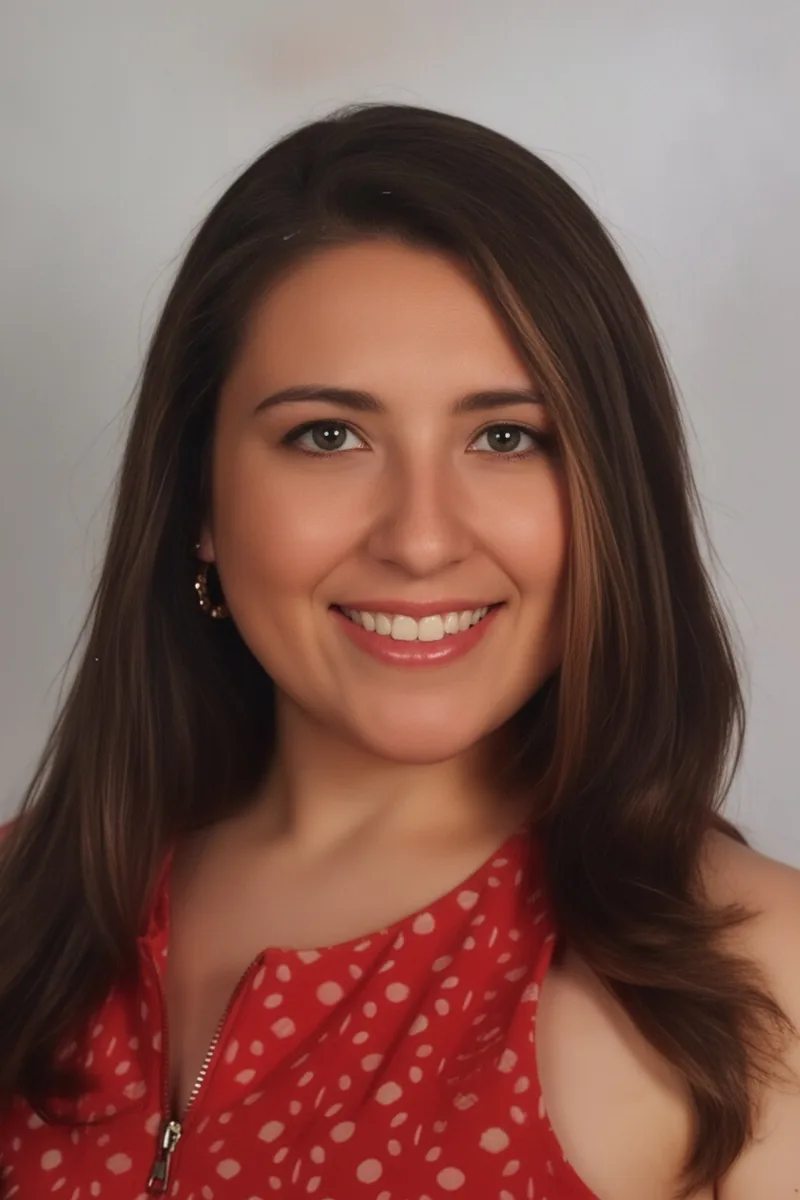
Growing up in Miami gave Caitlin daily exposure to Spanish in real-world contexts — the kind of authentic, unscripted language that mirrors what the AP exam throws at students in its interpretive listening and reading sections. She teaches Spanish 1 through 4 and pairs that progression with her own experience navigating Spanish across levels, so she knows exactly which grammar gaps (subjunctive triggers, formal vs. informal register) trip students up on timed free-response tasks. Rated 5.0 by students.
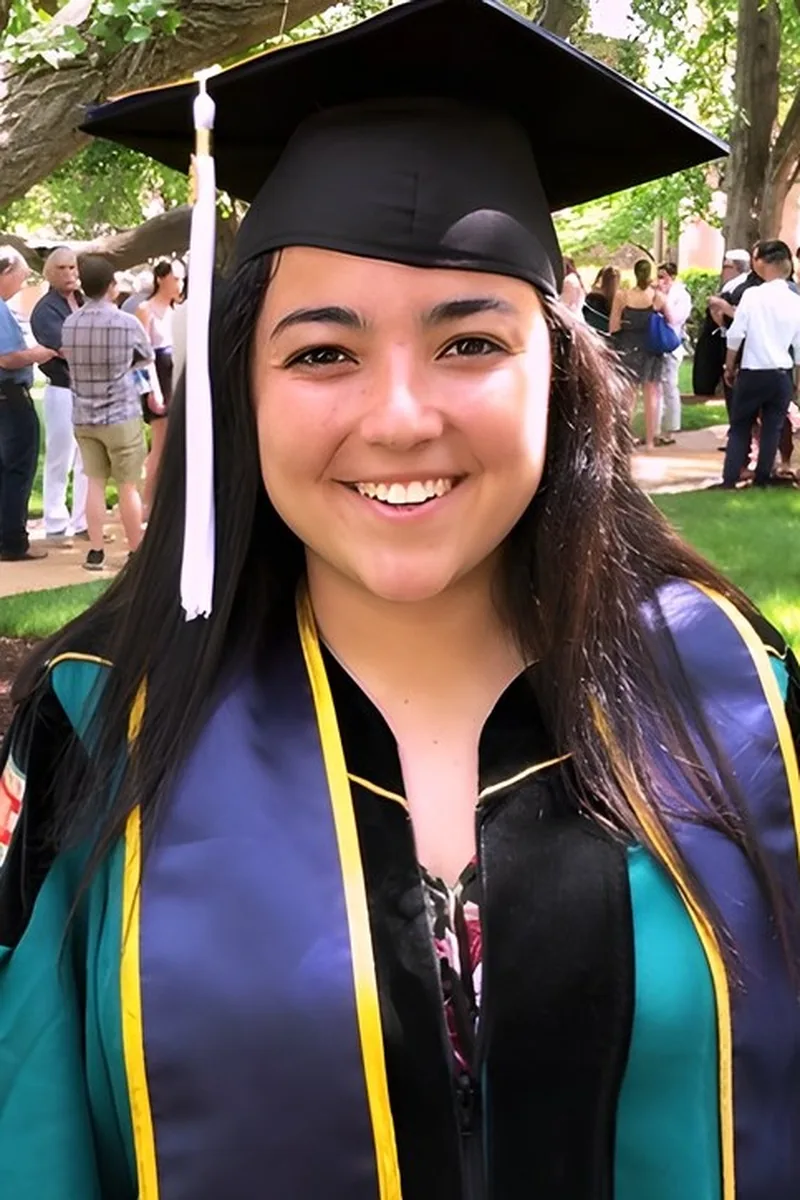
Born in Colombia and raised speaking Spanish at home, Manuela brings native fluency to AP Spanish Language & Culture — but what sets her apart is her academic training in Romance Languages, which means she can explain the grammar rules she uses instinctively. She tackles the exam's trickiest components, like the persuasive essay and cultural comparison presentational speaking tasks, by drilling source synthesis and formal register. Her 5.0 rating speaks to how well that combination works.
Fluent in Spanish since childhood, Adriana treats AP Spanish Language & Culture as more than vocabulary drills — she digs into the interpretive and presentational communication tasks that drive the exam, from synthesizing audio sources to crafting persuasive essays in Spanish. Her Rice University background in both sciences and humanities means she can coach students through the cultural comparison and argumentative writing sections with real analytical depth. Rated 5.0 by students.
Growing up speaking French, Haitian Creole, and English before learning Spanish and Italian academically, Muriel understands from the inside how multilingual thinkers process a new language's grammar, idioms, and register shifts — the exact skills the AP exam's persuasive essay and interpersonal speaking tasks test under pressure. Her BA in Spanish and Italian Literature means she reads and writes in formal academic Spanish, not just conversational Spanish, which is the register gap that trips up most AP students on exam day.
Native fluency gives Solange an ear for the idiomatic phrasing and natural register that score well on AP Spanish Language's interpersonal and presentational tasks. She digs into the cultural comparison essays and audio-response prompts that trip up even advanced students, coaching them to move beyond translated English and into authentic Spanish expression. Rated 5.0 by her students.
I am very interested in a career in the medical field, so I am apart of some pre-medical organizations. I really enjoy playing all different sports, from soccer to volleyball to tennis.
All students can learn, however, not all students learn the same way. The key to learning and the most important part of any teachers job is helping students understand how they learn best. That is what I do well.
AP Spanish Language & Culture asks students to do more than conjugate verbs — they need to interpret audio sources, synthesize cultural texts, and write persuasive essays entirely in Spanish. Sebastian pairs strong Spanish skills with the kind of structured exam strategy that earned him a 4.8 rating from students. He breaks down each task type (presentational writing, interpersonal speaking, interpretive reading) so students know exactly what the rubric rewards.
Latin American Studies as a major means Alyssa spent years reading, writing, and arguing about the Spanish-speaking world in an academic context — exactly the kind of cultural depth the AP exam's free-response prompts reward. She teaches Spanish from level 1 through AP and conversational Spanish, so she can quickly identify whether a student needs to shore up subjunctive mechanics or sharpen their ability to sustain a formal written argument under timed conditions. Rated 4.9 by students.
Alex's chemical engineering and anthropology degrees from Washington and Lee make an unexpectedly useful pairing for AP Spanish — the engineering side builds systematic thinking about grammar structures like subjunctive triggers and pronoun placement, while the anthropology training sharpens the cultural analysis the exam's free-response prompts demand. He teaches Spanish 3 and 4, so he's already comfortable working at the level of complexity the AP exam expects in timed persuasive essays and spoken responses. Rated 4.8 by students.
Richard earned the highest scores on the AP Spanish exam with listening after double-majoring in Spanish at Emory and studying in Spain. He tackles the presentational writing and interpersonal speaking tasks by drilling the idiomatic expressions, subjunctive constructions, and cultural references that push students from competent into the 4–5 scoring range.
Scoring well on the AP Spanish Language & Culture exam means toggling between interpersonal conversation, presentational writing, and audio-source synthesis — often in the same sitting. Heather's deep Spanish background, built through years of advanced coursework and one-on-one tutoring, means she can drill the specific skills each task type demands. She's particularly strong at coaching students through the persuasive essay, where organizing an argument in Spanish trips up even strong speakers.
Hi, my name is Jorge and I am from Lima Peru. Most of my academic experience is related to Biomedical sciences, in the fields of Molecular Biology, Genetics, Biochemistry, Cell Biology and development. During my PhD, I had a proactive role organizing scientific symposiums and retreats. This trained my presentation skills to share my research in important scientific meetings in the US: I won best poster award at the Gordon Research Conference (GRC) in 2022 and was an invited speaker at Cold Spring Harbor meeting in 2023, among others. Besides my research experience, I have a strong commitment to improve higher education in STEM. Since 2020, I co-direct the Research Experience for Peruvian Undergrads (REPU) program, that provides international scientific internships to Peruvian undergrads in top universities in the US and Europe. I have the chance to mentor undergards in STEM. Additionally, I am a native Spanish speaker, which allowed me to give Spanish lessons to some students in the USA. I want to use my best of my abilities to support students and build a career for myself in Education.
Christopher's memory-sport training — he's actively working toward a Guinness World Record — translates surprisingly well to the vocabulary and conjugation retention that AP Spanish demands, especially when students need to internalize subjunctive triggers and idiomatic expressions under exam pressure. His biology coursework at Johns Hopkins doesn't scream Spanish, but his ACT score of 32 and comfort across multiple academic disciplines show he knows how to systematically tackle material outside his primary lane.
Native fluency changes everything in AP Spanish Language & Culture. Alex grew up speaking, reading, and writing Spanish at home, and his bilingual background means he can explain grammar from the inside — why the subjunctive feels natural in certain contexts, how register shifts between formal and informal speech, and what authentic source material actually sounds like. His English degree also sharpens the presentational writing and speaking skills the exam demands.
The AP Spanish Language & Culture exam demands more than vocabulary — it requires constructing persuasive arguments in Spanish and interpreting authentic audio sources on the fly. Isabelle's multilingual background and experience as a private language tutor abroad give her practical fluency in coaching students through the interpersonal speaking tasks and cultural comparison essays that determine exam scores.
Pursuing a language citation in Spanish at Harvard while studying African American Studies, Gabriela tackles the AP exam's cultural comparison task with a cross-cultural analytical instinct baked into her daily coursework. She teaches Spanish from level 1 through 4 and conversational Spanish, so she can zero in on whether a student needs to shore up subjunctive mechanics or sharpen their ability to construct a timed persuasive essay in formal register. Rated 5.0 by students.
Having studied Spanish as part of his undergraduate degree and continuing to teach it from introductory levels through AP alongside conversational practice, Adam knows exactly where students plateau — and it's usually the jump from classroom grammar to the timed, register-aware writing the AP exam actually scores. His history background also sharpens the cultural comparison task, where connecting Spanish-speaking communities' practices to broader historical context turns a generic response into a compelling one.
Medical school in Chicago keeps Caroline juggling multiple languages daily — she double-majored in Chinese at Notre Dame while also building fluency in Spanish through her coursework up to Spanish 3. That multilingual wiring means she approaches AP Spanish prep by connecting how languages share structural logic, breaking down things like conditional chains and register shifts through cross-linguistic patterns rather than rote drilling. Rated 5.0 by students.
Sarah's English degree and SAT score of 1500 mean she's already wired for the kind of timed, source-based writing the AP Spanish exam throws at students in the persuasive essay — structuring an argument, synthesizing texts, and maintaining formal register under pressure. She teaches Spanish from level 1 through 4 and conversational Spanish, so she can spot whether a student's real bottleneck is subjunctive grammar or the rhetorical organization that separates a passing score from a strong one.
Fluent in Spanish after living in a Spanish-speaking country, Lisanne brings real-world command of the language to AP Spanish prep — not just textbook knowledge. She tackles the exam's trickiest components, like the persuasive essay and cultural comparison, by teaching students to think and organize ideas directly in Spanish. Her experience tutoring every level from Spanish 1 through AP means she quickly identifies the grammar gaps holding a student back from a top score.
Testimonials
Because the right AP Spanish Language & Culture tutor makes all the difference.
Average Session Rating – Based on 3.4M Learner Ratings
Nearby AP Spanish Language & Culture Tutors
Other North Port Tutors
Related Languages Tutors in North Port
Frequently Asked Questions
Varsity Tutors matches North Port students with expert AP Spanish Language & Culture tutors for 1-on-1 instruction. We pair each student with a tutor based on their specific needs, learning style, and goals.
Whether you need homework help, exam prep, or want to get ahead, our AP Spanish Language & Culture tutors are ready to help.
Common challenges include gaps from earlier material, difficulty with specific concepts, and trouble applying learning to new problems. These issues can snowball quickly in AP Spanish Language & Culture.
A tutor identifies where you're stuck, fills in gaps, and provides targeted practice. The 1-on-1 format means you get help exactly where you need it.
Tutors work with your student's actual coursework—homework assignments, class notes, and upcoming tests. This keeps tutoring directly relevant to what's happening in the classroom.
When you share information about your student's school and curriculum, we can match you with a tutor who has relevant experience.
All tutors complete background checks, credential verification, and teaching evaluation. Many of our AP Spanish Language & Culture tutors hold advanced degrees or have years of teaching experience.
You can review tutor profiles to find someone with the right background for your student's level and needs.
Many students see improved grades within a few weeks, along with better understanding of AP Spanish Language & Culture concepts and more confidence tackling challenging material.
Tutors track progress and adjust their approach to ensure continued improvement.
Most students benefit from 1-2 sessions per week. More frequent sessions help if your student is significantly behind or has an important exam coming up.
Your tutor can recommend a schedule based on your student's specific situation and goals.
Tutoring is purchased in packages of hours, with rates varying by tutor experience. Varsity Tutors offers several options to fit different budgets and needs.
You can discuss pricing during your consultation to find what works best.
Your tutor will assess where your student is, discuss goals, and start working on priority areas. Most students bring current homework or upcoming test material to focus on.
By the end, you'll have a clear sense of how the tutor can help and a plan for moving forward.
Let’s find your perfect tutor
Answer a few quick questions. We’ll recommend the right plan and match you with a top 5% tutor.