Award-Winning AP Chinese Language and Culture Tutors
serving Tampa, FL
AP Chinese Language and Culture
Tutors in Tampa
Private 1-on-1 tutoring, weekly live classes for academic support, test prep & enrichment, practice tests and diagnostics, and more to elevate grades and test scores.
Based on 3.4M Learner Ratings
UniversitiesSchools & Universities
DeliveredHours Delivered
ProficiencyGrowth in Proficiency
Who needs tutoring?
No obligation. Takes ~1 minute.
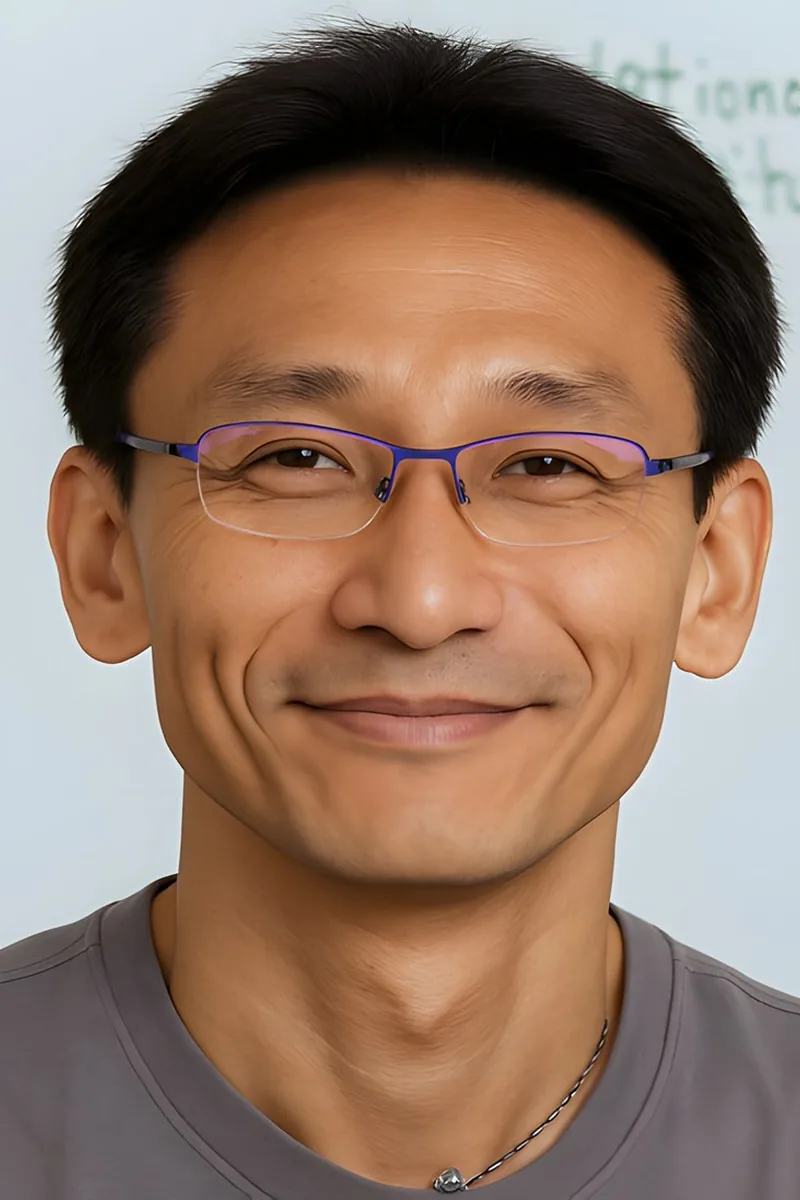
Ten years teaching Mandarin in public schools — from absolute beginners through AP — means Paulkey has watched hundreds of students hit the same walls on the AP Chinese exam, especially the interpersonal response tasks where students freeze up trying to produce spontaneous, culturally appropriate Mandarin in real time. He pairs that classroom experience with a computer science background that makes his prep unusually structured: timed drills, systematic vocabulary review, and targeted practice on the listening comprehension passages that reward quick processing over perfect translation.
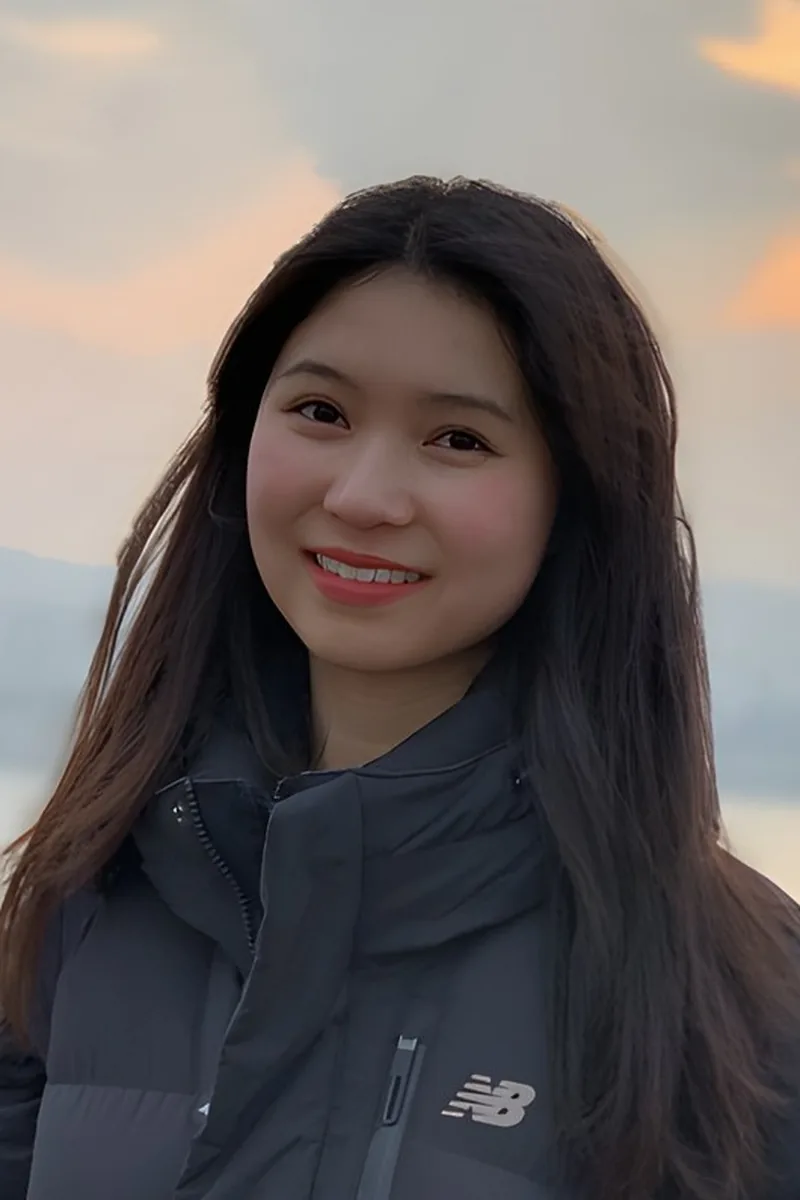
Most AP Chinese prep zeroes in on language mechanics, but the exam's interpersonal speaking prompts reward the kind of natural, idiomatic Mandarin that only comes from native fluency — and Tracy grew up speaking it at home. She also teaches across multiple Mandarin levels and competed in math competitions using bilingual problem-solving skills, so she understands how to bridge the gap between conversational comfort and the formal register the exam demands. Rated 4.9 by students.
I'm Jay! I'm currently going to college at the University of Texas at Austin. I am majoring in fine arts and I am also in the pre-medical program. Even though I'm not done with college, I have already published papers in the field of epigenetics since my freshmen year of college. Even though I consider myself to have an expertise in languages, I decided to teach areas in the field of natural sciences because those are the subjects that I am most passionate about.
The AP Chinese exam tests far more than vocabulary recall — it demands cultural knowledge, formal register in writing, and the ability to compare Chinese and American perspectives in presentational speaking. Daniel, who has studied Mandarin through advanced levels, breaks down each exam section so students know exactly what the graders are looking for in their responses.
The AP Chinese Language and Culture exam tests far more than vocabulary — it demands cultural literacy and the ability to switch between interpersonal, interpretive, and presentational communication modes. As a fluent Mandarin speaker with a science-trained discipline for systematic preparation, Jing tackles each section's unique format so students know exactly what the exam expects.
The AP Chinese Language and Culture exam rewards students who can think culturally, not just linguistically — comparing traditions, explaining customs, and narrating personal experiences in natural Mandarin. Lauren lived in Nanjing and studied at Nanjing University, so she brings real-world cultural fluency to the interpersonal and presentational tasks that trip up even strong speakers. Her linguistics degree also means she can explain tricky grammar patterns with unusual clarity.
Having studied French through level 4 and Mandarin Chinese across multiple levels, Noah approaches AP Chinese prep as someone who understands the mechanics of learning tonal languages from the inside — particularly the listening comprehension sections where untrained ears miss contextual shifts in rapid spoken Mandarin. His actuarial science training also lends an unusually methodical structure to exam prep, breaking the cultural comparison essays into scoreable components so students know exactly what earns points.
Having tutored the SAT Subject Test in Chinese with Listening and spent time working in Hong Kong, Asta understands both the linguistic and cultural dimensions the AP Chinese exam tests. She digs into the presentational writing and interpersonal speaking tasks that trip up even heritage speakers, breaking down how to structure responses that earn top marks on the rubric.
The cultural comparison essay on the AP Chinese Language and Culture exam trips up even strong speakers because it requires analytical writing, not just language proficiency. Julie's philosophy training at Princeton sharpens exactly that skill — breaking down a prompt, organizing a clear argument, and supporting it with specific cultural knowledge. She brings that structured thinking to every section of the exam.
The culture component of AP Chinese Language and Culture is where many students lose points — understanding idioms, social registers, and cultural practices well enough to respond authentically under timed conditions. Jiahao's graduate training in interpretation at Beijing Foreign Studies University was built around exactly this kind of cross-cultural fluency, and he brings that depth to every practice prompt and free-response drill.
The AP Chinese Language and Culture exam uniquely blends language proficiency with cultural comparison, asking students to present on practices and perspectives across Chinese-speaking communities. Christina's Mandarin instruction spans beginner through advanced levels, giving her a clear sense of where students' gaps tend to hide — whether it's measure words, aspect markers, or the formal tone the exam's interpersonal writing section expects. She builds targeted practice around the exam's six themes so students aren't just fluent but exam-ready.
Because Karen teaches both traditional and simplified characters — and has tutored business Chinese alongside academic prep — her AP Chinese students get comfortable with the full range of written forms and registers the exam throws at them, from formal presentational writing to the interpretive reading passages that mix literary and contemporary styles. As a native Mandarin speaker with direct experience preparing students for the AP level, she zeroes in on the tonal precision and grammatical control that separate a 4 from a 5.
As a fluent Mandarin speaker studying at Columbia, Zhenyi knows firsthand what it takes to operate at a high level in both English and Chinese — and the AP Chinese exam tests exactly that kind of bilingual agility. She digs into the exam's interpersonal and presentational communication tasks, coaching students on formal register, cultural comparisons, and the idiomatic phrasing that separates a 4 from a 5. Her native fluency means she can catch tonal and grammatical subtleties that non-native instructors often miss.
Testimonials
Because the right AP Chinese Language and Culture tutor makes all the difference.
Average Session Rating – Based on 3.4M Learner Ratings
Nearby AP Chinese Language and Culture Tutors
Other Tampa Tutors
Related Languages Tutors in Tampa
Frequently Asked Questions
The AP Chinese Language and Culture exam tests proficiency across listening, reading, writing, and speaking in Mandarin Chinese. The exam includes interpersonal communication (conversations and email responses), interpretive communication (understanding audio, reading, and visual materials), and presentational communication (speaking and writing tasks). Students are evaluated on their ability to communicate effectively while demonstrating cultural understanding of Chinese-speaking communities.
Varsity Tutors connects Tampa students with expert tutors who specialize in AP Chinese Language and Culture. You can get matched with a tutor who understands the specific exam format, can target your weak areas—whether that's tonal pronunciation, reading comprehension, or essay writing—and will tailor instruction to your learning pace and goals. The process is straightforward: tell us what you need, and we'll connect you with the right fit.
Score improvement depends on your starting point and how consistently you study, but many students see meaningful gains with focused, personalized instruction. A tutor can help you identify specific weak areas—like listening comprehension or written expression—and develop targeted strategies to strengthen them. Most students benefit from starting tutoring at least 3-4 months before the exam to allow time for skill-building and practice test refinement.
Many students struggle with the listening section, where native speakers use natural speech patterns and colloquial expressions. The written expression tasks are also challenging because they require both grammatical accuracy and cultural awareness. Additionally, managing time across four different communication modes—listening, reading, writing, and speaking—can be overwhelming without a clear strategy. A tutor can help you practice each section strategically and build confidence in areas where you feel less prepared.
Your first session is typically an assessment and planning meeting. A tutor will evaluate your current proficiency level across listening, reading, writing, and speaking, identify your strongest and weakest areas, and understand your timeline and goals. From there, you'll develop a customized study plan that focuses on the sections where you need the most improvement, incorporates practice tests, and builds toward exam day confidence.
Practice tests are essential for AP Chinese success because they help you become familiar with the exam format, timing, and question types—especially for the listening and speaking sections, which can feel unfamiliar if you haven't practiced them. Regular practice tests also reveal specific weak areas (like certain grammar patterns or vocabulary topics) that you can target with focused study. A tutor can review your practice test results with you, identify patterns in your mistakes, and adjust your study plan accordingly.
The AP Chinese exam explicitly tests cultural understanding alongside language skills—about 20-30% of the exam evaluates your knowledge of Chinese-speaking cultures, traditions, and contemporary issues. This means you need to understand context beyond just translating words; you need to recognize cultural references, understand different perspectives, and communicate appropriately in cultural contexts. A tutor can help you build this cultural literacy while strengthening your language skills, making you a more well-rounded test-taker.
Most students benefit from starting tutoring 3-4 months before the exam, though this depends on your current proficiency level. If you're starting from an intermediate level, you might benefit from longer preparation. A typical schedule might include weekly or bi-weekly tutoring sessions combined with independent practice—including listening exercises, reading comprehension drills, and speaking practice. Your tutor can help you create a realistic timeline based on your starting point and the areas where you need the most growth.
Let’s find your perfect tutor
Answer a few quick questions. We’ll recommend the right plan and match you with a top 5% tutor.