Award-Winning Phonics Tutors
serving Orlando, FL
Phonics
Tutors in Orlando
Private 1-on-1 tutoring, weekly live classes for academic support, test prep & enrichment, practice tests and diagnostics, and more to elevate grades and test scores.
Based on 3.4M Learner Ratings
UniversitiesSchools & Universities
DeliveredHours Delivered
ProficiencyGrowth in Proficiency
Who needs tutoring?
No obligation. Takes ~1 minute.
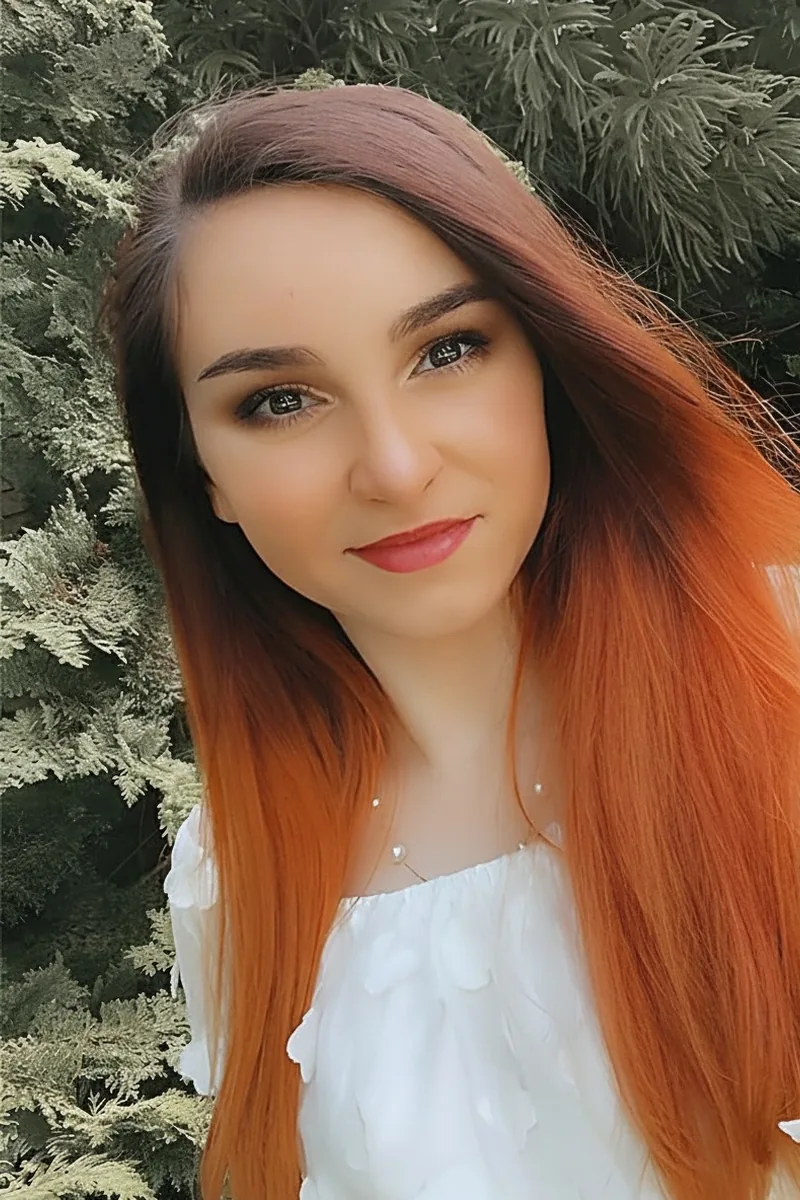
Early readers need someone who can make letter-sound relationships feel intuitive rather than arbitrary — connecting digraphs, blends, and vowel patterns to words kids actually want to say. Vivian's linguistics background gives her a structural understanding of how English sounds work, and her experience as a museum educator means she knows how to keep young learners engaged and moving forward.
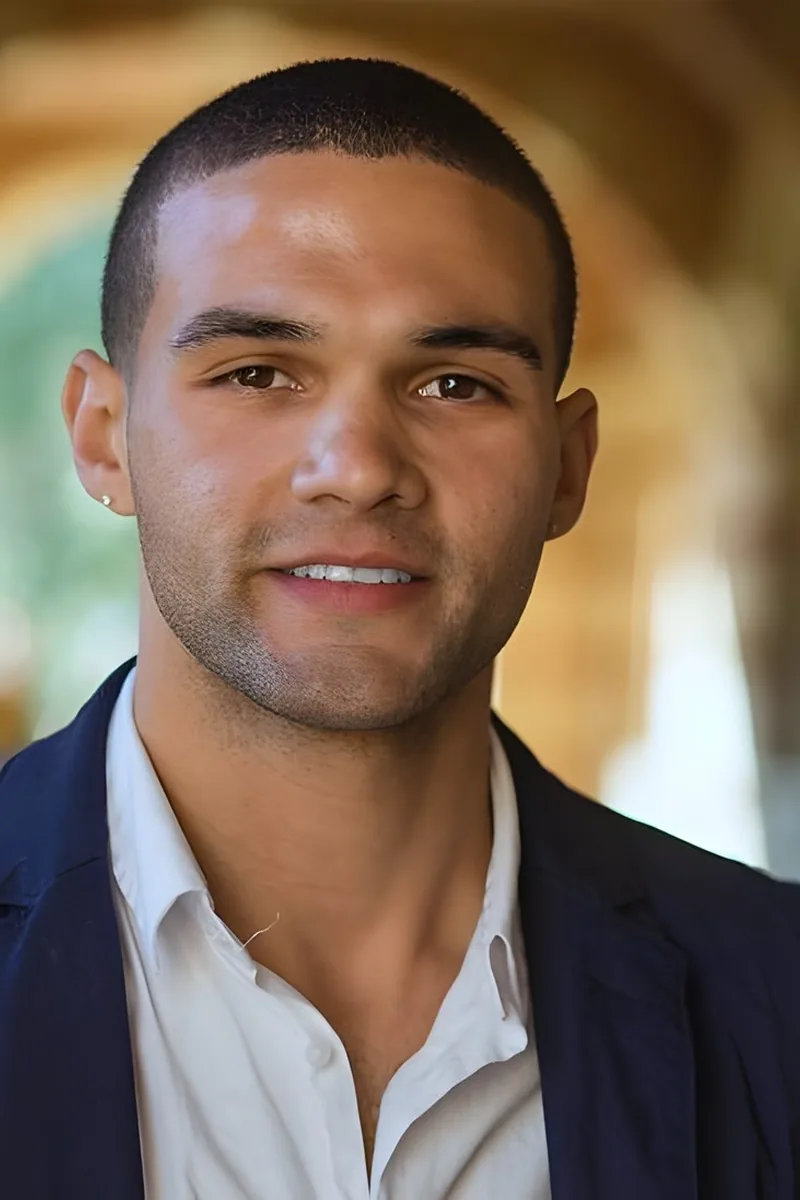
Early reading instruction depends on making letter-sound relationships feel intuitive, not mechanical. Conor's years teaching Language Arts — including work with struggling readers preparing for Florida's state assessment — gave him hands-on experience breaking down blends, digraphs, and vowel patterns for students who need extra repetition and patience.
Early readers need to connect letter patterns to sounds before fluency can take off — blends, digraphs, silent-e rules, and vowel teams each require targeted practice. Kaitlyn has tutored students across all age levels for over five years, and she uses repetition paired with engaging word games to make phonics rules stick. Her patience and structured approach keep young learners confident as they move from sounding out words to reading sentences.
Before finishing her degree, Dylann spent time through America Reads working one-on-one with kindergartners — including special needs learners — building individualized phonics programs tailored to each child's pace. She breaks down letter-sound relationships, blending, and decoding into playful, structured exercises that make early reading feel like a game rather than a grind.
Kids who've decided they don't like reading are the ones Karen gravitates toward — her early childhood education training taught her to identify what a reluctant reader *can* do with sounds and letters, then build outward from that success. She sequences blending and vowel pattern work around each child's confidence level, keeping the pace low-pressure enough that decoding starts to feel like a puzzle rather than a chore. Rated 5.0 by clients.
Jairo's strongest subjects are math and test prep, but his reading and writing background — plus experience preparing for graduate-level standardized exams — means he understands how English decoding rules actually work at a structural level. He breaks letter-sound patterns into logical steps, treating phonics like a system to be figured out rather than a list of exceptions to memorize. Rated 4.9 by clients.
Zachary's linguistics training at Boston University included studying phonology — the science of how speech sounds combine to form words — which gives him a technical understanding of phonics that most tutors simply don't have. He teaches letter-sound relationships, blending, and decoding strategies by connecting them to how children naturally acquire spoken language, making the jump to reading feel intuitive for early learners.
Michelle's strength is in science — biology, chemistry, physics — not early reading instruction, so she wouldn't be the first pick for a child who needs intensive decoding work. That said, her analytical mindset means she can break letter-sound patterns into logical, repeatable steps, treating phonics rules almost like formulas a young reader can test and apply to unfamiliar words.
Early readers need someone who can make the connection between letters and sounds feel natural rather than mechanical, and Kristen brings that patience to every phonics session. She breaks down blending, digraphs, and vowel teams through repetition and play, building the decoding skills that let young students move from sounding out words to actually reading sentences with confidence.
Reading and writing are central to David's tutoring work, and he brings that same attention to the building blocks underneath — letter-sound pairs, blending, and basic decoding patterns that early readers need before fluency takes off. His broad experience across elementary subjects means he can weave phonics practice into the stories and vocabulary kids are already encountering in their other lessons, reinforcing sound-spelling connections in context rather than in isolation.
Jake's experience teaching across reading levels — from elementary students to college athletes — gives him a clear sense of how phonics instruction needs to adapt as learners progress through letter-sound relationships, blending, and decoding multisyllable words. He keeps lessons structured but engaging, connecting each phonics pattern to real words students encounter in their reading.
Melissa's TESOL certification and experience teaching English abroad meant starting with the most basic building blocks of the language — how sounds connect to letters and how those connections become words. That ground-up approach translates directly to phonics instruction, where she walks young readers through decoding and blending with the kind of structured patience that a 5.0 client rating confirms.
Early reading starts with cracking the code — learning that letters and letter combinations map onto specific sounds in predictable ways. Hannah's experience as a camp counselor for K-8 students at Girls Inc. gave her practice breaking down blends, digraphs, and vowel patterns for young learners who need patient, repetitive practice. She keeps phonics sessions interactive, connecting each new sound rule to real words students encounter in their own books.
Early reading clicks when a child can reliably map sounds to letter patterns, and John approaches phonics with the same structured patience he brings to every subject. He moves systematically through blends, digraphs, and vowel teams, building decoding confidence one skill at a time.
Early readers need to crack the code between letters and sounds before fluency can follow. Alison teaches phonemic awareness systematically — blending, segmenting, digraphs, vowel teams — using her training in curriculum design to sequence lessons so each skill builds naturally on the last. Her patience and structured approach make the jump from sounding out words to reading sentences feel achievable.
Elena approaches phonics by connecting letter patterns to the sounds students already know, building confidence with blends, digraphs, and vowel teams through repetition that doesn't feel repetitive. Her background in French phonetics gives her an ear for the subtle sound distinctions that trip up early readers, especially those navigating more than one language at home.
Teaching a child to decode words is one of those things that looks simple but requires real precision — knowing when to drill letter-sound correspondence, when to introduce blends, and when a student is ready for multisyllabic patterns. Lauren has taught phonics in both after-school programs and private prep school settings, and calls early reading instruction the work she finds most rewarding.
Early readers need someone who can make the connection between letters and sounds feel intuitive, not mechanical. Kheya breaks phonics into manageable pieces — blending consonant clusters, recognizing long and short vowel patterns, decoding multi-syllable words — and reinforces each skill with plenty of repetition and encouragement. Her experience reading with third graders gives her a natural sense of pacing for young learners.
Learning to read starts with hearing the individual sounds inside words. Jennifer teaches phonemic awareness and letter-sound correspondence through structured, sequential practice — blending, segmenting, and decoding — so young readers build the skills to tackle unfamiliar words independently.
Theater training at Northwestern's School of Communications gave Harry an unusually sharp ear for how sounds are produced and shaped — skills he developed for stage performance that translate directly to teaching kids how individual phonemes map to letters and letter combinations. He uses vocal exercises and playful repetition to make blending and segmenting feel more like a game than a drill, which keeps young readers engaged through the trickiest vowel patterns.
Early readers need someone patient enough to sit with each sound-letter connection until it clicks. Michelle's experience tutoring elementary students in NYC, combined with her deep background in reading and writing across two degrees, means she understands how phonemic awareness — blending, segmenting, decoding — builds the foundation for everything that comes after. She keeps lessons structured but playful, adapting to each child's pace.
Early readers need someone patient enough to sit with the difference between a long and short vowel sound, and energetic enough to keep a young child engaged through repetition. Valerie's theatre training makes her a natural at turning phonics drills — blending, segmenting, digraphs — into something playful and memorable.
Early readers need to hear the logic inside words — why 'ph' sounds like 'f,' how a silent 'e' changes a vowel from short to long. Kim teaches phonemic awareness through systematic decoding practice, building the kind of letter-sound fluency that turns sounding out words into confident, automatic reading.
Joyce holds certifications in both ESL and EC-6 instruction, which means she's trained in systematic phonics methods — blending, segmenting, and decoding — for native English speakers and multilingual learners alike. She breaks letter-sound relationships into manageable patterns so early readers build real decoding fluency, not just sight-word memorization.
Early readers need to hear and feel how letters map to sounds before reading becomes automatic, and Yasemin's ESL teaching experience makes her especially skilled at breaking that process down. She uses blending drills, vowel-pattern sorting, and word-family exercises to build decoding skills systematically. Her patience with learners at every level — from letter recognition through multisyllabic words — keeps young readers engaged rather than frustrated.
Testimonials
Because the right Phonics tutor makes all the difference.
Average Session Rating – Based on 3.4M Learner Ratings
Nearby Phonics Tutors
Other Orlando Tutors
Related English Tutors in Orlando
Frequently Asked Questions
Phonics is the method of teaching students to read by connecting sounds to letters and letter combinations. It's foundational because it helps children decode words independently, moving from recognizing individual letter sounds to blending them into words. Strong phonics skills in early grades set the foundation for fluent reading, comprehension, and academic success across all subjects.
Many students struggle with sound-symbol correspondence, blending sounds into words, or distinguishing between similar letter sounds. Others have difficulty with irregular words that don't follow standard phonics rules, or they may fall behind when classroom instruction moves quickly. With Orlando's average student-teacher ratio of 16.9:1, personalized attention to these specific gaps can make a significant difference in reading progress.
Personalized 1-on-1 instruction allows tutors to focus entirely on your child's specific phonics needs—whether that's letter recognition, blending, or decoding strategies—without the pace constraints of a classroom. Tutors can adjust teaching methods to match your child's learning style, spend extra time on challenging concepts, and celebrate progress immediately. This targeted approach typically leads to faster skill development and greater confidence in reading.
Phonics is typically emphasized in kindergarten through 2nd grade, but students in 3rd grade and beyond can still benefit from phonics instruction if they're struggling with decoding or have gaps in foundational skills. Older students may need phonics review to address persistent reading difficulties. Tutors can assess where your student is in their phonics development and provide instruction at the appropriate level, regardless of grade.
Yes, tutors understand Florida's reading standards and the phonics approaches used in Orlando schools. Whether your student's school uses a structured literacy program, balanced literacy, or another method, tutors can reinforce classroom learning and fill gaps. They can also work with you to understand what your child is learning at school and provide complementary support at home.
The first session typically includes an assessment of your child's current phonics skills—letter recognition, sound knowledge, blending ability, and sight word familiarity. The tutor will listen to your goals and concerns, observe how your child approaches reading tasks, and identify specific areas to focus on. This foundation helps the tutor create a personalized plan and set realistic milestones for improvement.
Progress in phonics is concrete and observable—students typically show improvement in letter-sound recognition, blending accuracy, decoding speed, and ability to read decodable texts. Many tutors track progress through informal assessments, reading samples, and milestone achievements. You'll likely notice your child tackling new books with confidence, reading aloud more fluently, and expressing less frustration with reading tasks.
Varsity Tutors connects you with qualified tutors who specialize in phonics instruction for Orlando students. You can share your child's grade level, specific challenges, and learning goals, and we'll match you with a tutor who fits your needs. The process is straightforward, and you can start personalized instruction quickly to support your child's reading development.
Let’s find your perfect tutor
Answer a few quick questions. We’ll recommend the right plan and match you with a top 5% tutor.